
5 Ways to Go from Firefighting to Future-Proofing
As outbreaks continue to expose global vulnerabilities, a new Gavi policy brief argues that stronger immunisation systems, sustainable financing and better coordination are essential to stop diseases from becoming global crises.
- 16 July 2026
- 4 min read
- by Pascal Barollier

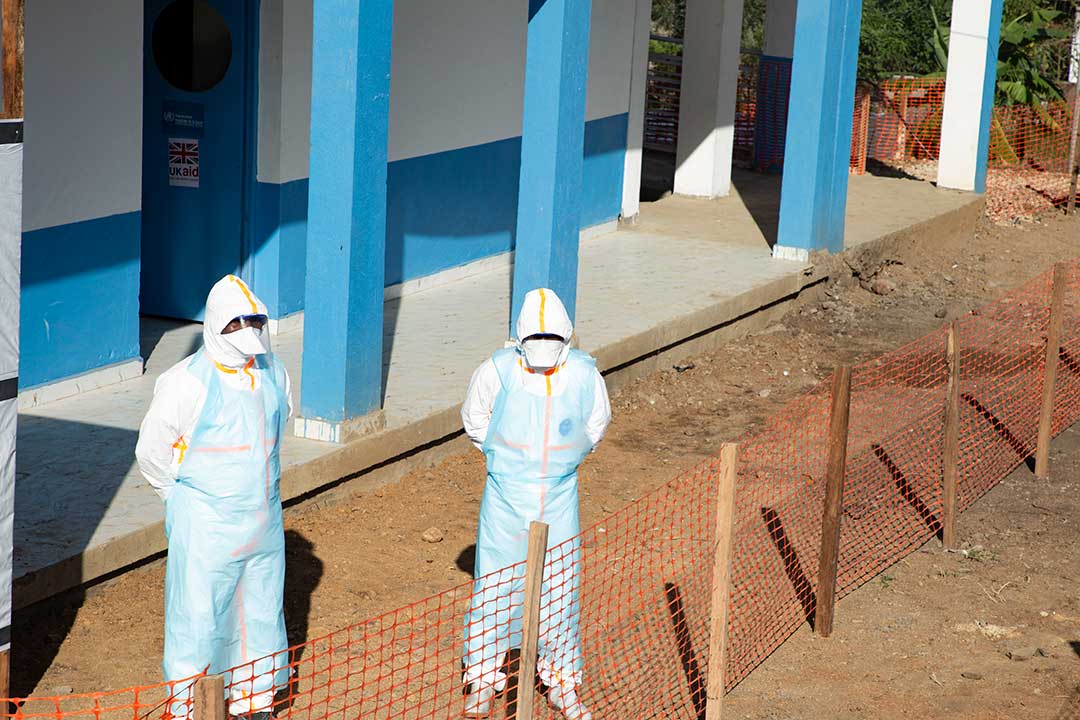
The Ebola outbreak unfolding in Africa carries a warning far beyond the communities currently affected. It is a stark reminder that despite years of global commitments to strengthen pandemic preparedness, outbreaks like this continue to emerge, spread and cross borders faster than health systems can consistently contain them. Hantavirus clusters, measles resurgence across multiple regions and repeated zoonotic spillovers are all pointing in the same direction: the world is living through a persistent threat of infectious disease outbreaks. Each one is a reminder that these are not exceptional, one-off events; they are an ongoing and recurrent crisis.
The ongoing negotiations on the 2026 United Nations Political Declaration on Pandemic Prevention, Preparedness and Response (PPPR) to be adopted during the High-level meeting in September, and the resumed negotiations on the Pathogen Access and Benefit Sharing (PABS) annex of the WHO Pandemic Agreement offer an opportunity to strengthen political commitments and turn them into operational global frameworks. In doing so, it is crucial to draw from our collective learned experience from fighting disease outbreaks and pandemics, and to identify and address the major issues of fragmented financing and insufficient surge capacity that leave the world exposed to preventable health, economic and security shocks.
This is why Gavi, the Vaccine Alliance, published a new policy brief “Immunisation and global health security: financing the future of pandemic prevention, preparedness and response” to help governments, intergovernmental institutions, multilateral development banks and global health organisations address this question of how to build a pandemic prevention, preparedness, and response framework that is faster, more equitable and financially sustainable.
The policy brief sets out key lessons from COVID-19 and other major health emergencies and outlines five policy recommendations for building a cohesive approach to pandemic preparedness, prevention and response that enables governments and institutions to act decisively at the onset of a crisis, saving lives and reducing costs.
1. Invest in immunisation
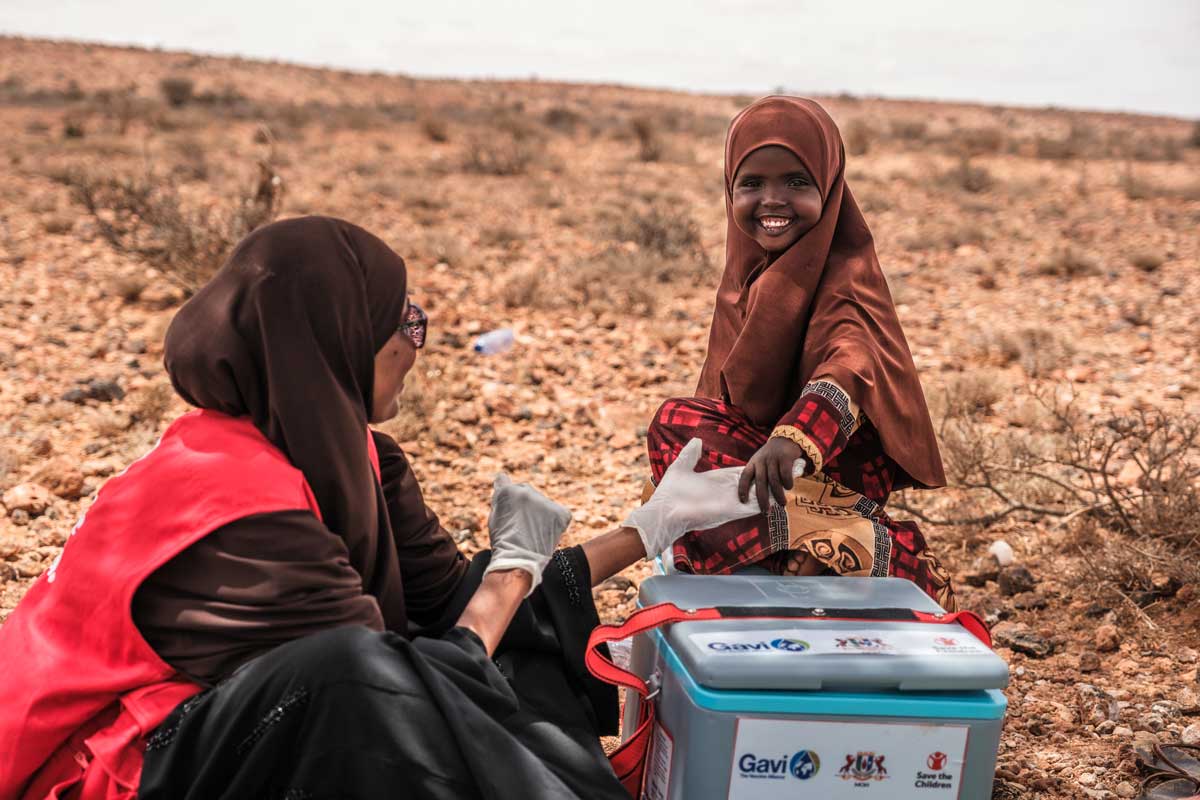
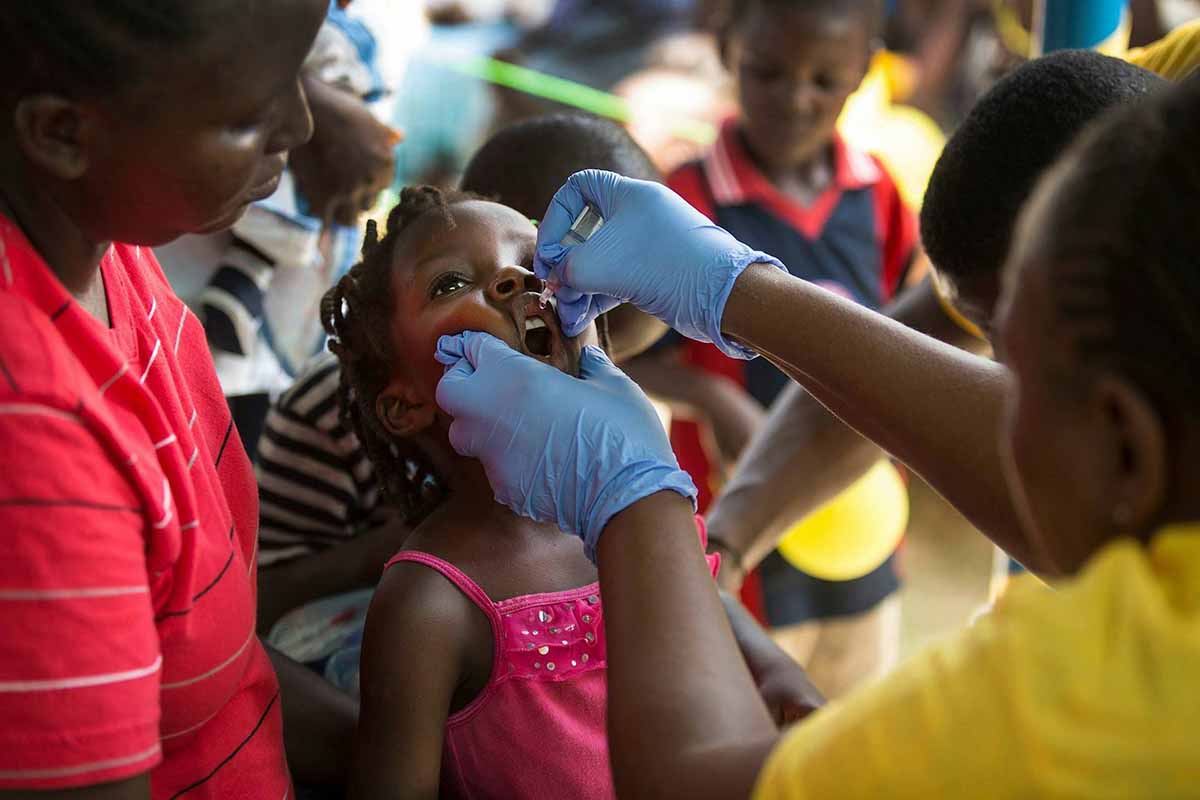
Evidence has consistently shown that routine immunisation systems, including disease surveillance, laboratories, cold chain infrastructure and trained health workers, lay the foundations for national health systems to be better equipped to respond effectively during emergencies. Investing in immunisation, therefore, reinforces the first line of defence against health threats.
2. Strengthen domestic financing and country ownership
Giving countries the agency over how resources are deployed is crucial to building more resilient health systems that are better prepared to protect populations and detect and respond to health emergencies. External support should strengthen, not substitute for, national systems, a core principle reflected in Gavi's own reform agenda, the Gavi Leap.
3. Improve equitable access to medical countermeasures
Equity is a prerequisite for effective preparedness and response, as delayed access to medical countermeasures can prolong outbreak spread and risk. While achieving more equitable access to countermeasures remains a central focus of the ongoing PABS Annex negotiations, where UN Member States are seeking consensus on the draft text ahead of its potential adoption, preparedness also requires geographically diverse manufacturing and resilient supply chains to rapidly produce and deliver vaccines and essential supplies.
4. Build a faster, scalable and more connected financing architecture
National health authorities and global health organisations have little time to act before a disease’s emergence turns into criticality. This means maintaining and expanding pre-positioned funds and fast-disbursing instruments such as contingency funds, credit lines and other flexible financing to provide the surge financing countries need to rapidly contain a public health emergency.
5. Strengthen coordination, complementarity and alignment of global health architecture
Effective pandemic preparedness and response go hand-in-hand with the design, and re-design of the global health architecture. Each actor’s specialised role and comparative advantage should contribute to coordination, complementarity and alignment to deliver timely, equitable health outcomes. This includes establishing a Coordinating Financial Mechanism (CFM) under the amended the International Health Regulations and Pandemic Agreement to strengthen alignment across existing financing instruments.
Choices made today...
The global community now has a critical opportunity to reform the financing architecture for pandemic prevention, preparedness, and response. The choices made today will determine whether future health threats are detected early, contained quickly, and resolved equitably – or whether communities will once again bear the greatest burden of delayed actions. By strengthening routine immunisation, scaling at-risk financing and aligning global mechanisms, while ensuring strong equity and country ownership, we can shift from reactive crisis response to sustained preparedness and resilient health systems that effectively protect populations and safeguard global health security.