
What the Ebola outbreak demands from global leaders in 2026
As the United Nations convenes its consultation on pandemic preparedness, Ebola is already putting those discussions to the test.
- 5 June 2026
- 3 min read
- by Pascal Barollier
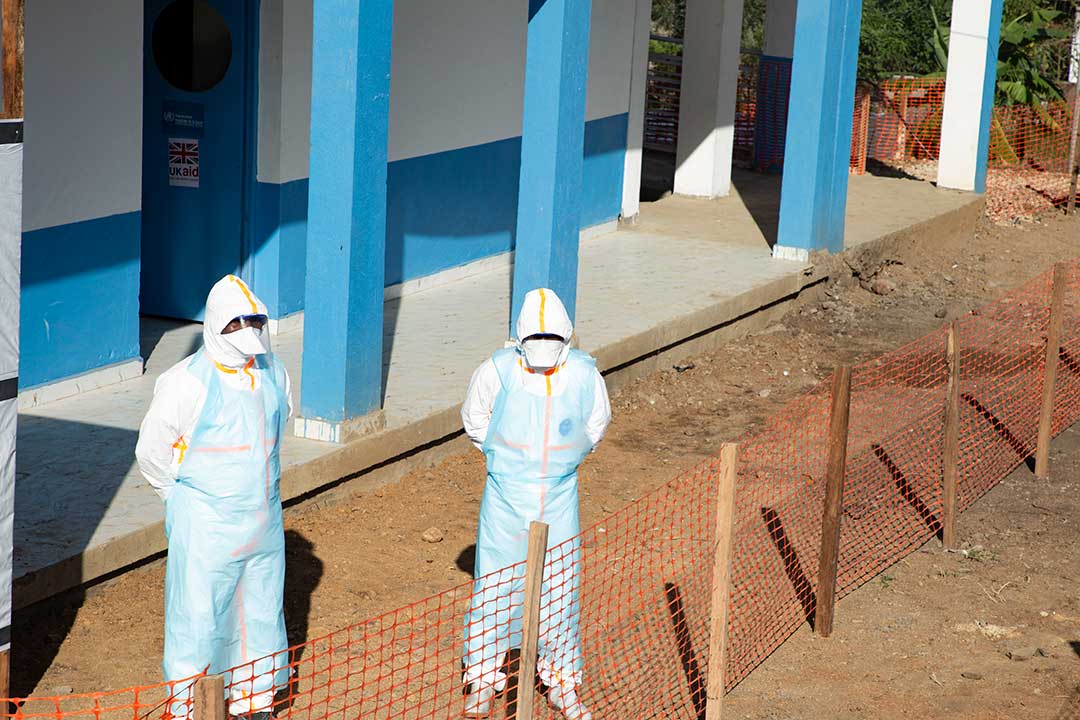
On 16 May 2026, World Health Organization declared that the outbreak of Bundibugyo virus disease in the Democratic Republic of the Congo (DRC) and Uganda constitutes a Public Health Emergency of International Concern. Caused by the rare Bundibugyo strain of Ebola, the outbreak has already claimed more than 100 lives and crossed at least one international border.
For affected communities, this is not just a health emergency – it is a profound human crisis. Families are separated in isolation wards. Health workers operate under immense pressure, often risking their lives in overstretched and under-resourced facilities. Fear, stigma, and uncertainty ripple through communities. Markets fall quiet, schools close, and already fragile livelihoods collapse. Survivors often face long-term health complications and social exclusion, while health systems struggle to recover from yet another shock.
There are no approved vaccines or therapies for the Bundibugyo strain, and ongoing insecurity in the region further complicates the response. Experience underscores how difficult containment can be: between 2018 and 2020, a Zaire strain outbreak in the same region claimed more than 2,000 lives despite the deployment of a safe and effective vaccine to over 300,000 people.
1. Strengthen Routine Immunisation
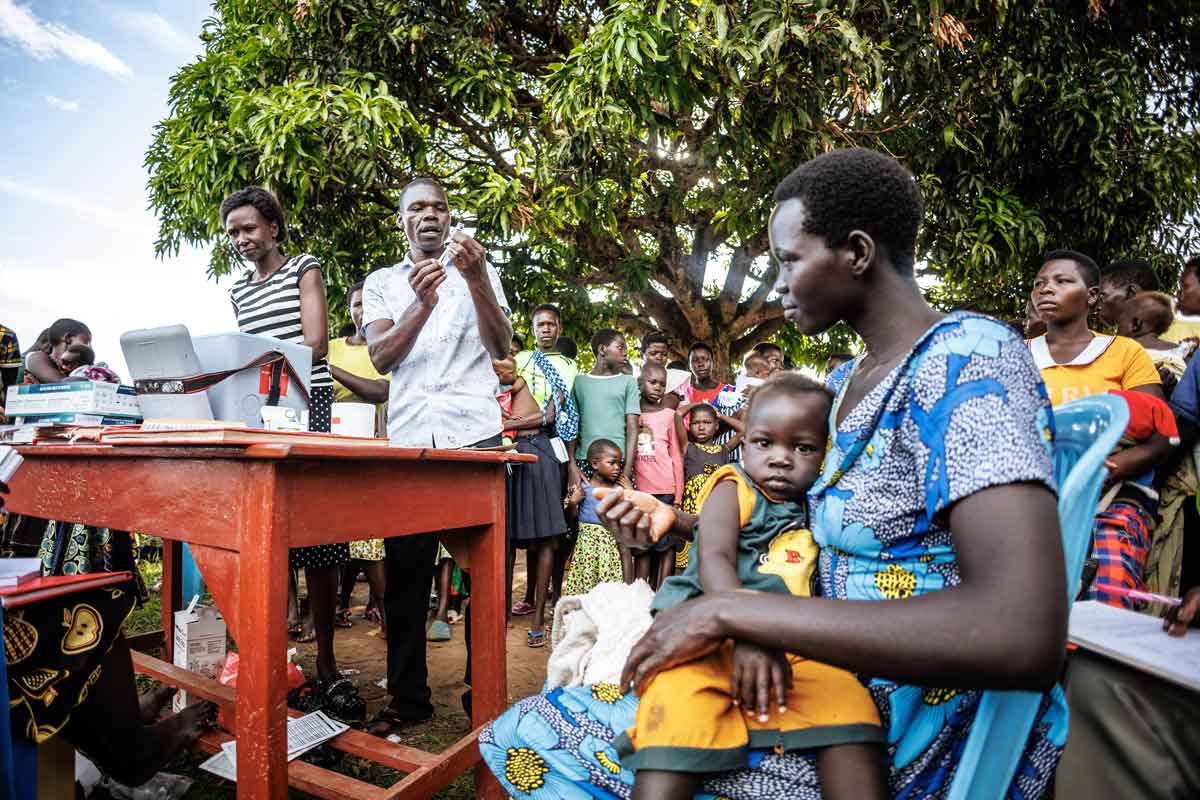
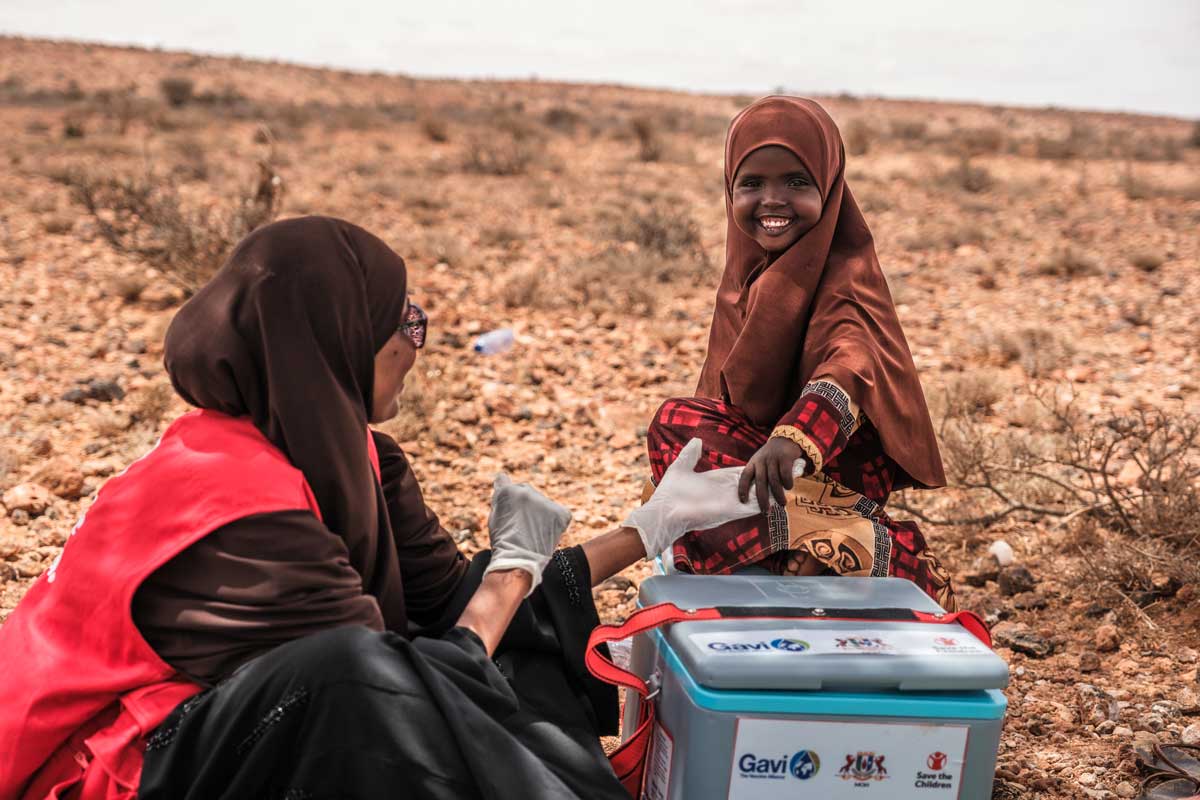
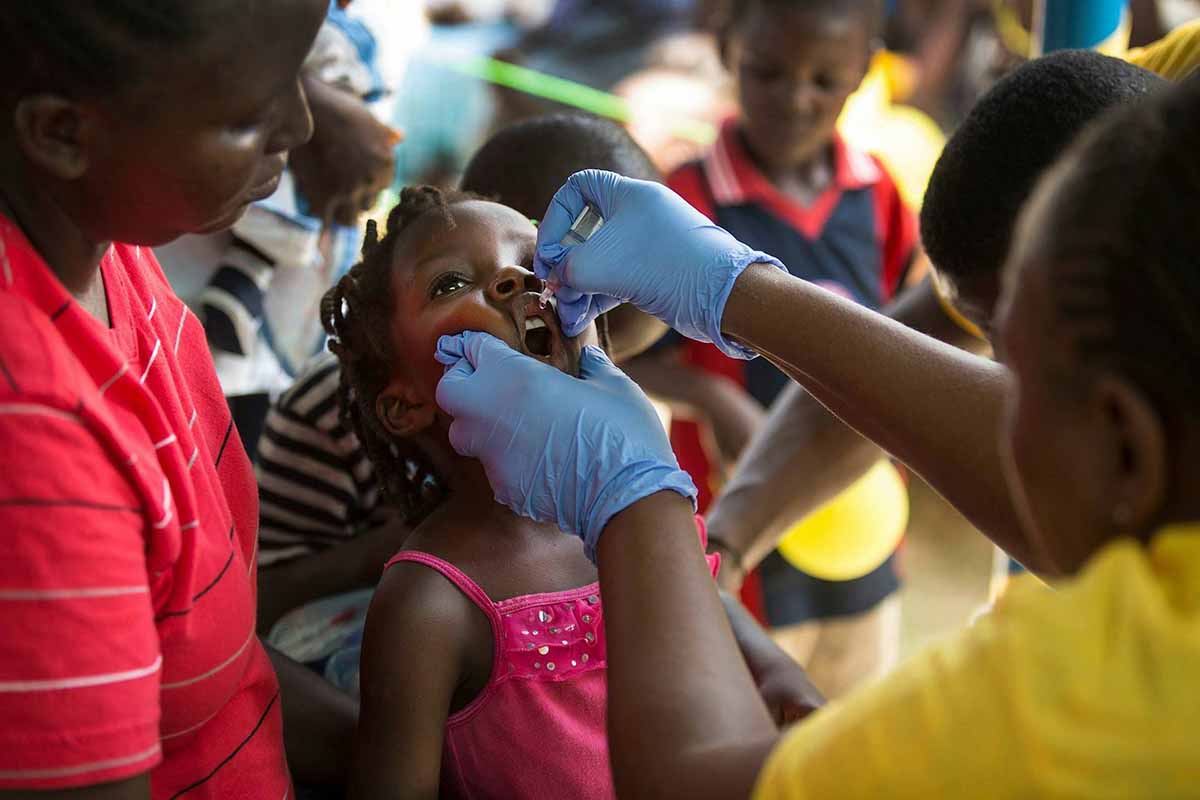
Strong immunisation systems are the first and most effective line of defense against outbreaks. They protect communities, reduce disease transmission, and build the trust needed to respond during emergencies. Over the last 50 years, vaccines have saved an estimated 154 million lives. Beyond prevention, robust immunisation systems – with trained health workers, reliable cold chains, and community outreach – allow countries to deploy new vaccines rapidly when crises strike.
2. Ensure Equitable Access to Countermeasures
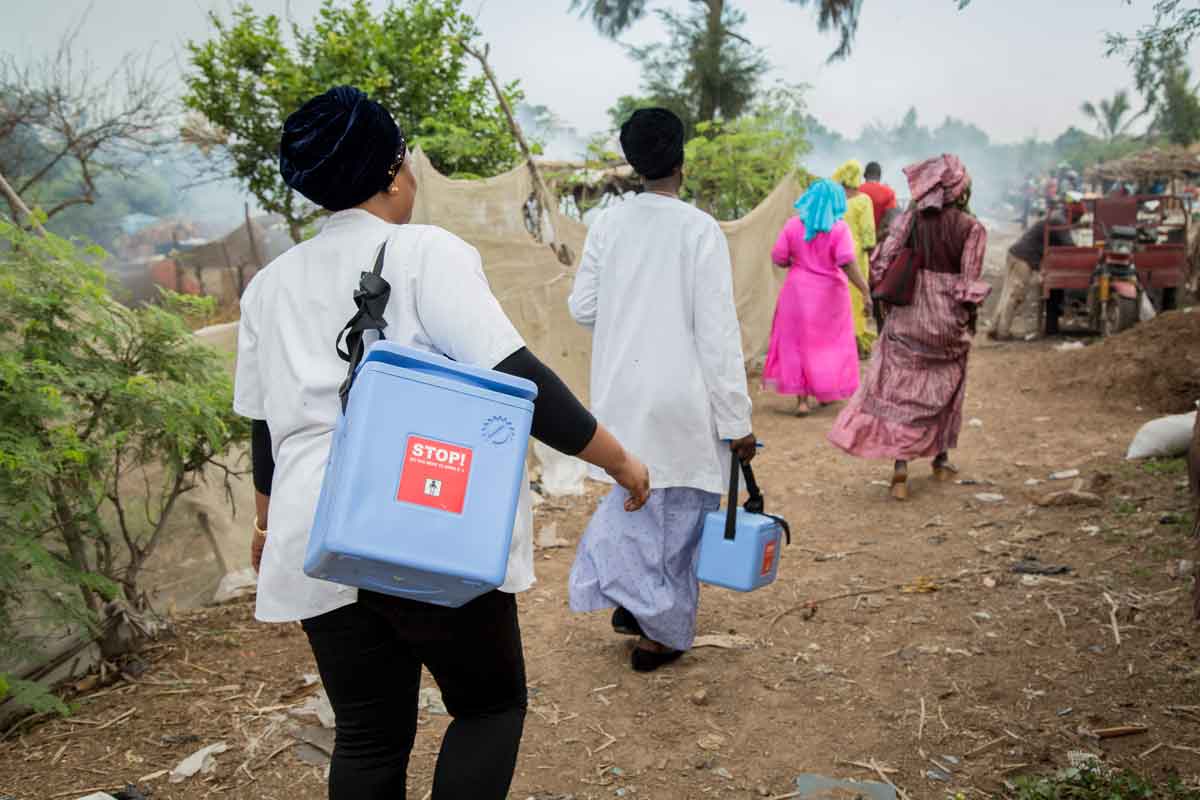
The inequities witnessed during past pandemics must not be repeated. Member States need to operationalise global agreements to ensure that vaccines, diagnostics, and treatments are available quickly and fairly to all countries—especially lower-income settings. Equity is not just a moral imperative; it is essential for global health security. No country is safe until every country can respond effectively.
3. Scale Up Predictable Financing
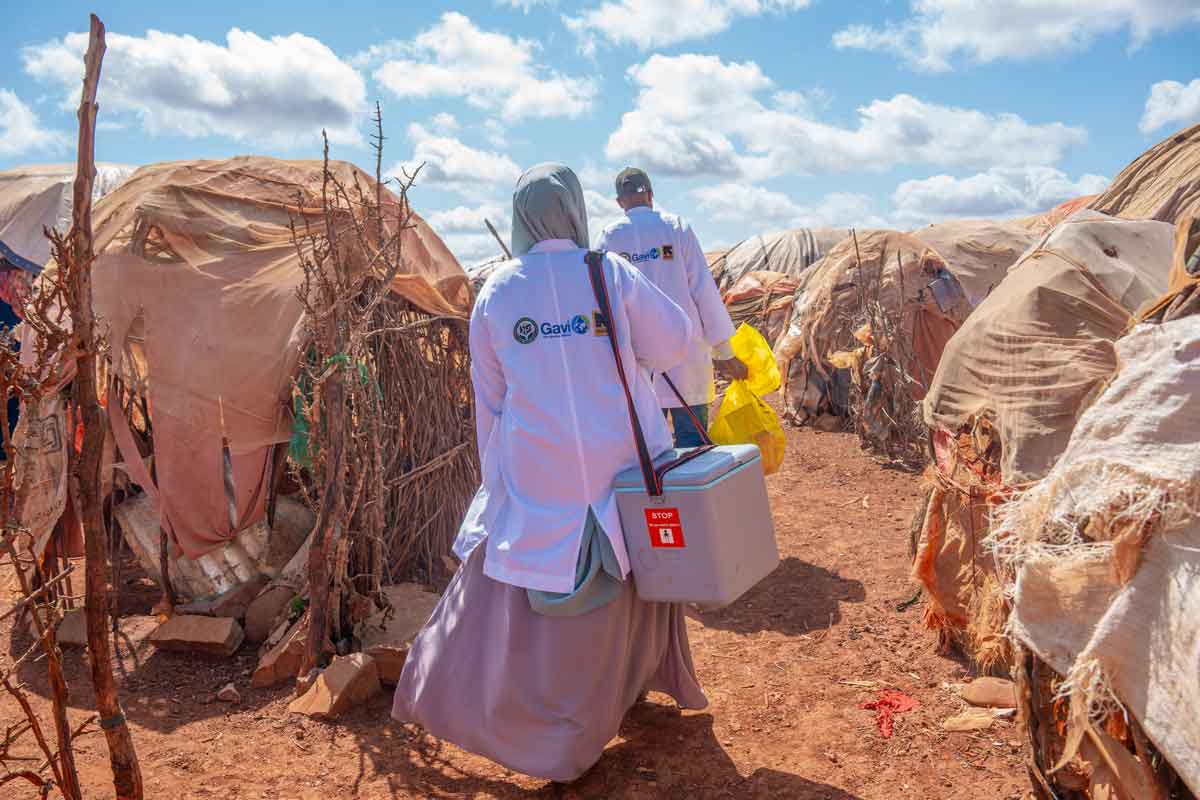
In a health emergency, speed is everything—and speed depends on financing. Too often, funding arrives too late. Mechanisms such as Gavi’s First Response Fund show how rapid, flexible financing can jumpstart outbreak responses, enabling early containment and saving lives. Scaling up such tools, alongside broader domestic and international investments, is critical to ensure preparedness systems remain strong.
4. Expand Regional Manufacturing Capacity
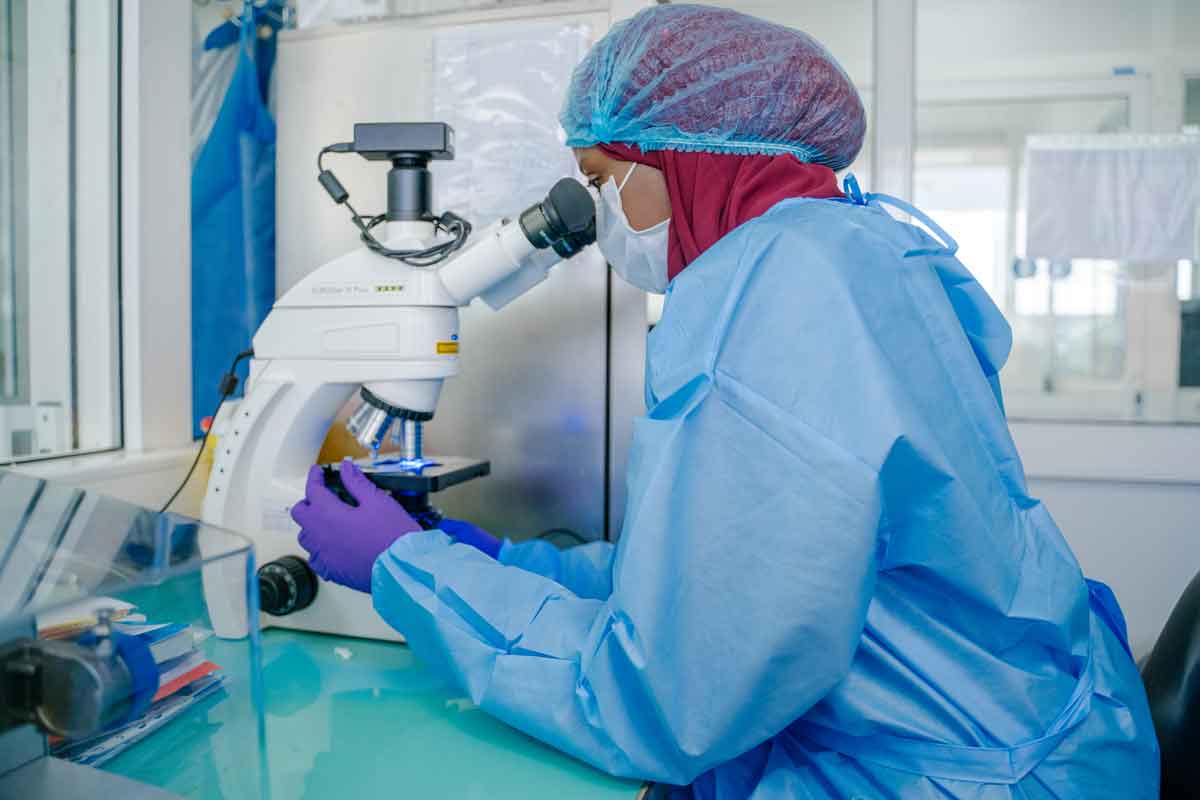
Expanding regional manufacturing capacity for vaccines and other medical countermeasures is essential. Initiatives like the African Vaccine Manufacturing Accelerator are helping to diversify production, strengthen resilience, and ensure that regions can respond quickly during crises—reducing delays and dependence on external supply.
5. Build a Cohesive Global Health Architecture
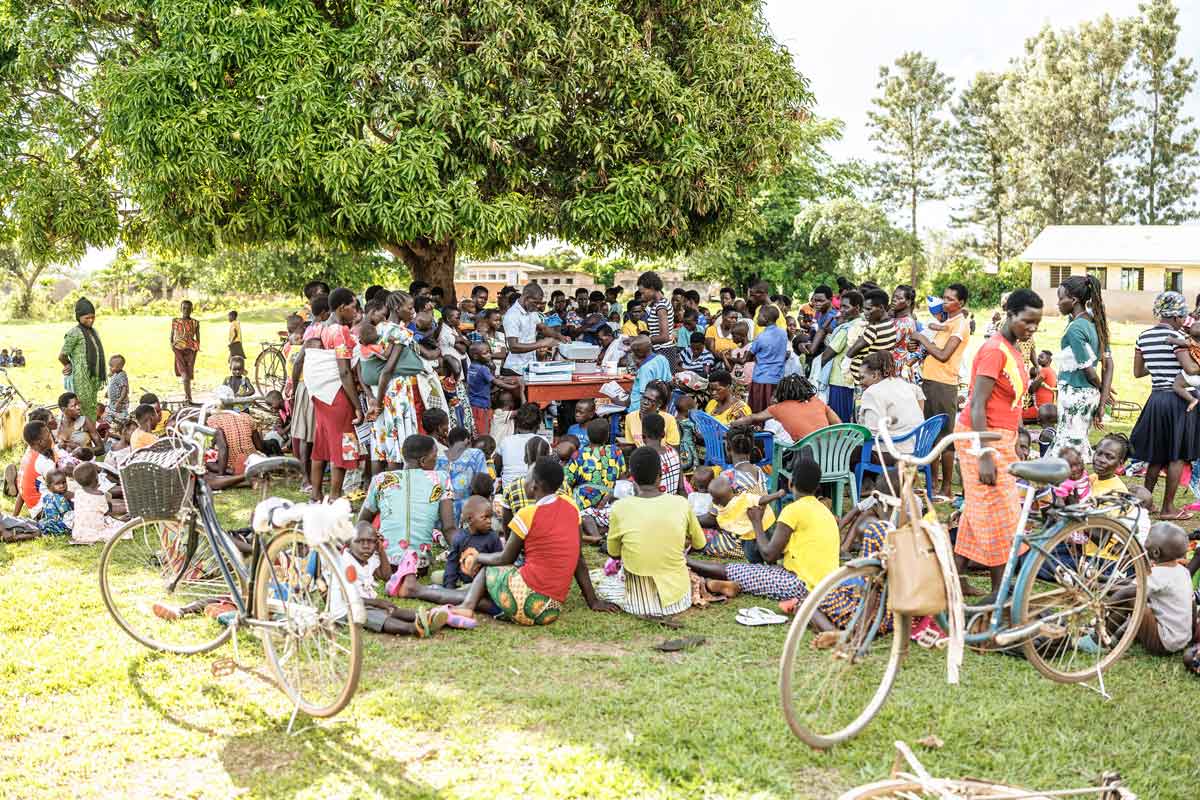
Finally, effective pandemic response requires a system that works as one. Fragmentation, unclear roles, and weak coordination have repeatedly slowed responses. The global health architecture must be strengthened so that institutions align around their strengths, coordinate effectively, and deliver timely, equitable outcomes. Pandemic preparedness must be considered as a true global public good.
From Crisis to Response
The current Ebola outbreak is a stark reminder of what is at stake, not only for communities enduring a profound human crisis, but also for a global health system that must demonstrate it is truly fit for purpose. The 2026 High-Level Meeting offers a pivotal opportunity to move from intent to action. By focusing on implementation and what can be delivered now, at scale, the Political Declaration must prioritise practical solutions: accelerating the deployment of health countermeasures, strengthening and streamlining financing, and ensuring that countries have the tools, access, and agency to lead their own prevention, preparedness, and response efforts.