
Advancing a new global health leap
The upcoming 79th World Health Assembly marks a decisive turning point for global health. What is Gavi, the Vaccine Alliance pushing for at this WHA in Geneva next week?
- 13 May 2026
- 3 min read
- by Pascal Barollier

The upcoming 79th World Health Assembly marks a decisive turning point for global health. While multilateral cooperation has delivered important gains in the past decades, from longer life expectancy to advances against infectious diseases, there is now broad agreement that it is no longer fit for purpose. Fragmentation and incoherence across institutions, persistent power imbalances in decision‑making, and recent funding disruptions are constraining progress. These pressures are felt most acutely in fragile and conflict‑affected settings, where national delivery capacity is stretched the furthest.
In response, a renewed global health architecture is expected to prioritise delivery of essential health-related global public good functions, reduce administrative burden on countries, and strengthen their delivery capability and ownership. Under this new model, countries must lead in setting priorities and owning results, while regional and global institutions focus on delivering essential health related global public goods, such as technical standards, market shaping, global health security, and financing aligned with country priorities.
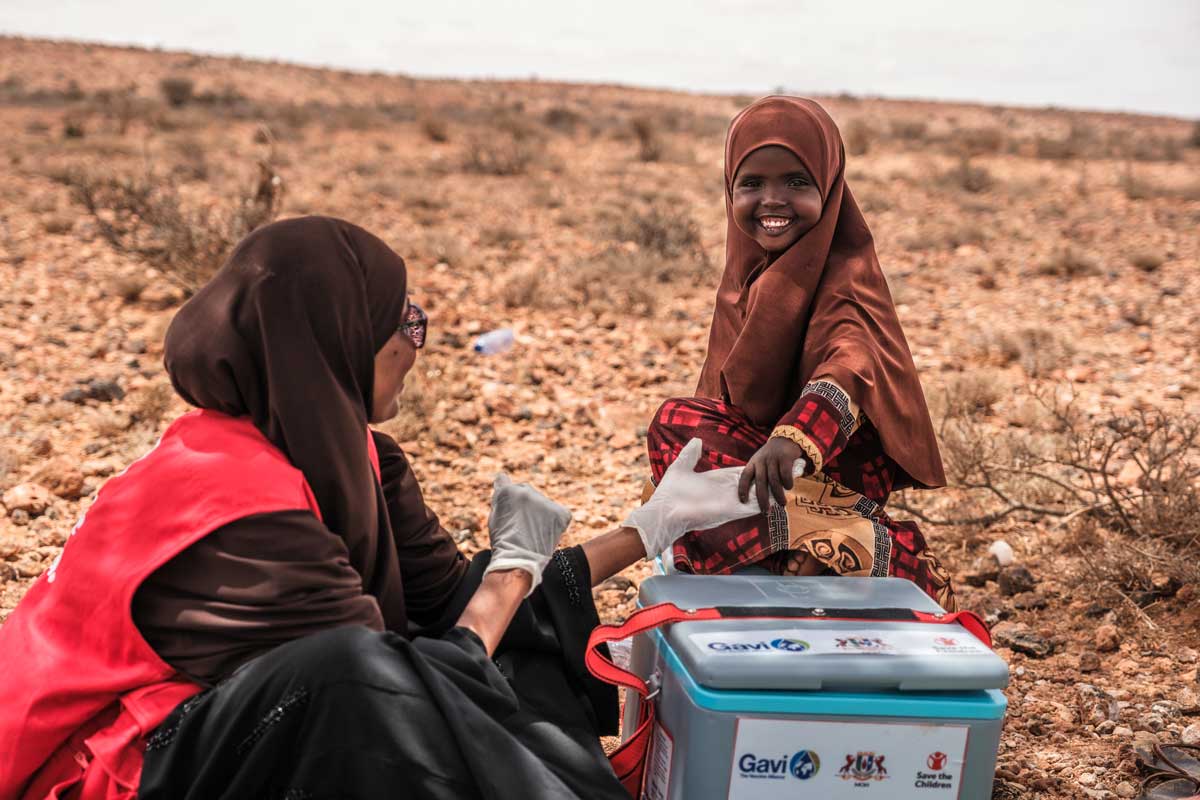
Through our own transformation, the Gavi Leap, Gavi is ensuring countries are in the driver’s seat to prioritise high-impact vaccines, optimise interventions and manage trade-offs through our newly designed Country Vaccine Budgets. Gavi will continue to deliver critical global public goods, including healthy markets for vaccines and strengthened mechanisms that help countries respond to outbreaks, epidemics and pandemics. Over the next five years, Gavi will also invest nearly US$3 billion in fragile settings, complemented by the Gavi Resilience Mechanism for unforeseen needs in fragile and humanitarian contexts that are not covered by country plans.
Gavi, the Vaccine Alliance's key recommendations for WHA79 deliberations
Agenda item 12.3
Communicable diseases
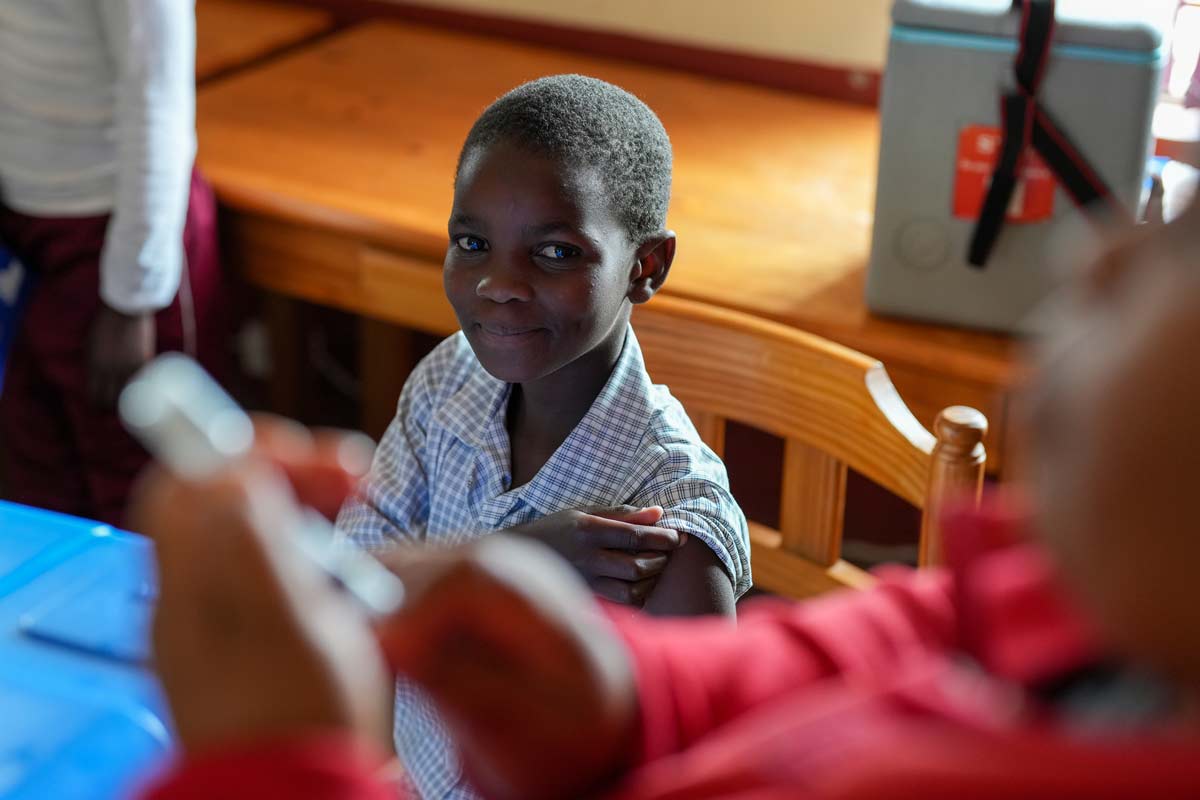
- Strengthen prioritisation and optimisation of vaccine programmes particularly to reach zero-dose children – those who have not received any routine vaccines.
- Invest in immunisation to scale up coverage of vaccines against major vaccine-preventable causes of mortality to sustain the gains made through the Big Catch-Up and the Immunization Agenda 2030.
- Support the development of the post-2030 tuberculosis strategy and ensure it is aligned to global efforts with current epidemiology, scientific advances and country ownership.
Agenda item 13
Public health emergencies: preparedness and response
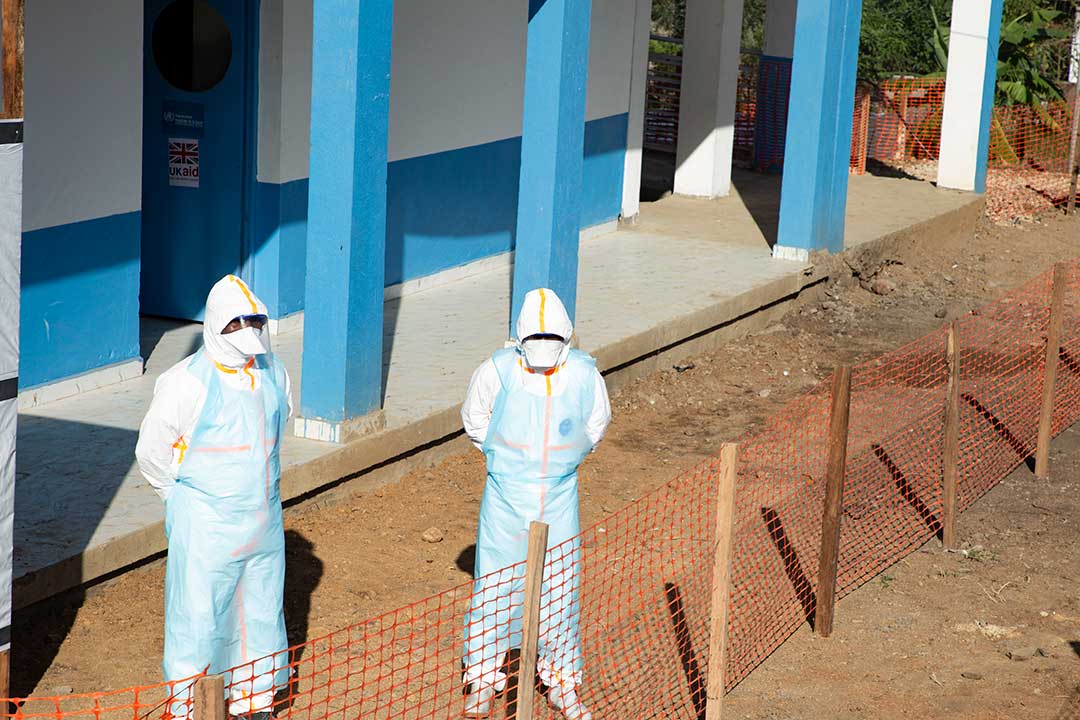
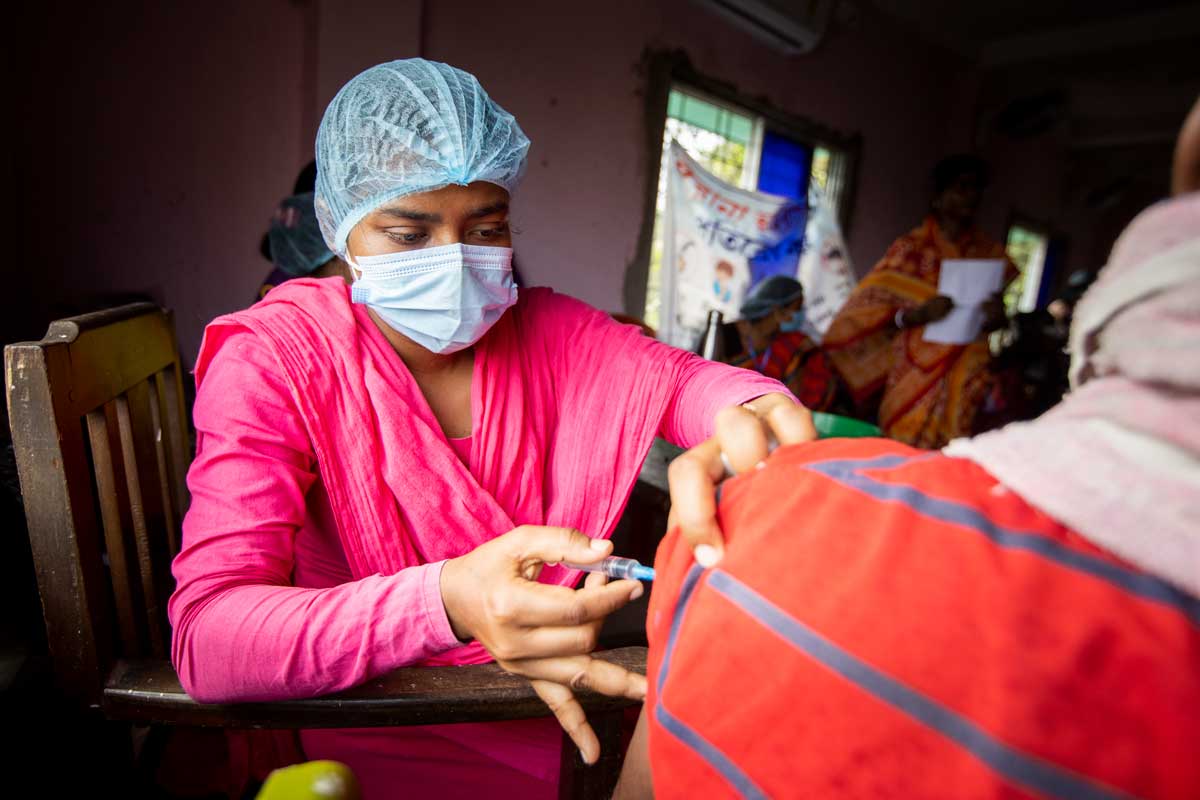
- Conclude negotiations on the Pathogen Access and Benefit Sharing (PABS) system under the Pandemic Agreement to enable equitable and timely access to vaccines, diagnostics and therapeutics during public health emergencies.
- Support and expand financing models that enable at-risk, timely action during health emergencies, such as Gavi’s First Response Fund and other surge mechanisms, while mobilising blended finance that brings together domestic and international resources.
- Expand local and regional manufacturing capacity by making long-term investments that strengthen manufacturing ecosystems, building on existing initiatives and partnerships such as the African Vaccine Manufacturing Accelerator (AVMA).
Agenda item 14.3
Poliomyelitis
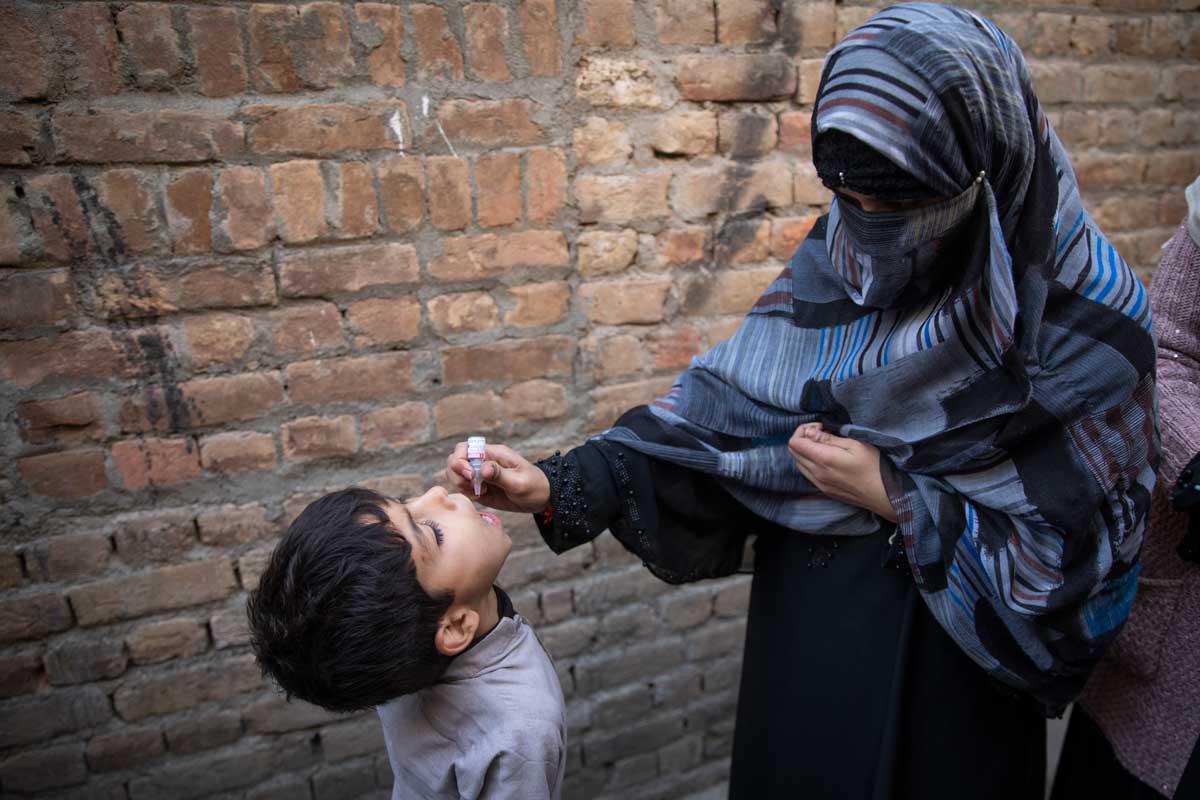
- Sustain investments in polio eradication and immunisation systems, building on the Big Catch‑Up campaign, to protect hard‑won gains and ensure the final mile delivers stronger, country‑owned systems.
- Promote and accelerate the transition of essential polio and broader immunisation functions, by integrating polio-funded assets into existing national health systems.
- Ensure an integrated approach to reaching zero-dose children with vaccination and primary health care interventions, especially in humanitarian settings and complex emergencies.
Agenda item 20
Collaboration within the United Nations system and with other intergovernmental organizations
- Support the WHO-led Joint Process on the reform of the Global Health Architecture to advance a more coherent, effective, and resilient global health ecosystem that is truly country-led and inclusive.
- Ensure a streamlined global health architecture that prioritises essential global public good functions, the needs of transitioning contexts and a focus on fragile and conflict-affected states.
- Engage global health initiatives and their boards in assessing comparative advantage across organizations, shaping a clearer division of labour and stronger collaboration in the future health architecture.