
In Benin, families of children with sickle cell disease brace for the malaria season
Malaria, killer of hundreds of thousands of children each year, is especially dangerous to children with the inherited blood disorder.
- 15 September 2026
- 5 min read
- by Edna Fleure
At a glance
- The rainy season creates the conditions of mosquitoes to proliferate, and that means that the risk of malaria rises when the wet weather sets in.
- Malaria is especially threatening to people with sickle cell disease, an inherited blood disorder that affects an estimated 4.8% of people in Benin.
- This year, as part of “Juin Vermeil” – the annual month of action to fight sickle cell disease in Benin – citizens’ marches were organised across all 12 departments of the country, with the goal of supporting parents to better utilise all the preventive tools at their disposal.
For the families of children with sickle cell disease, the torrential rains that began lashing Benin’s towns and cities in April marked the return of a season of dread.
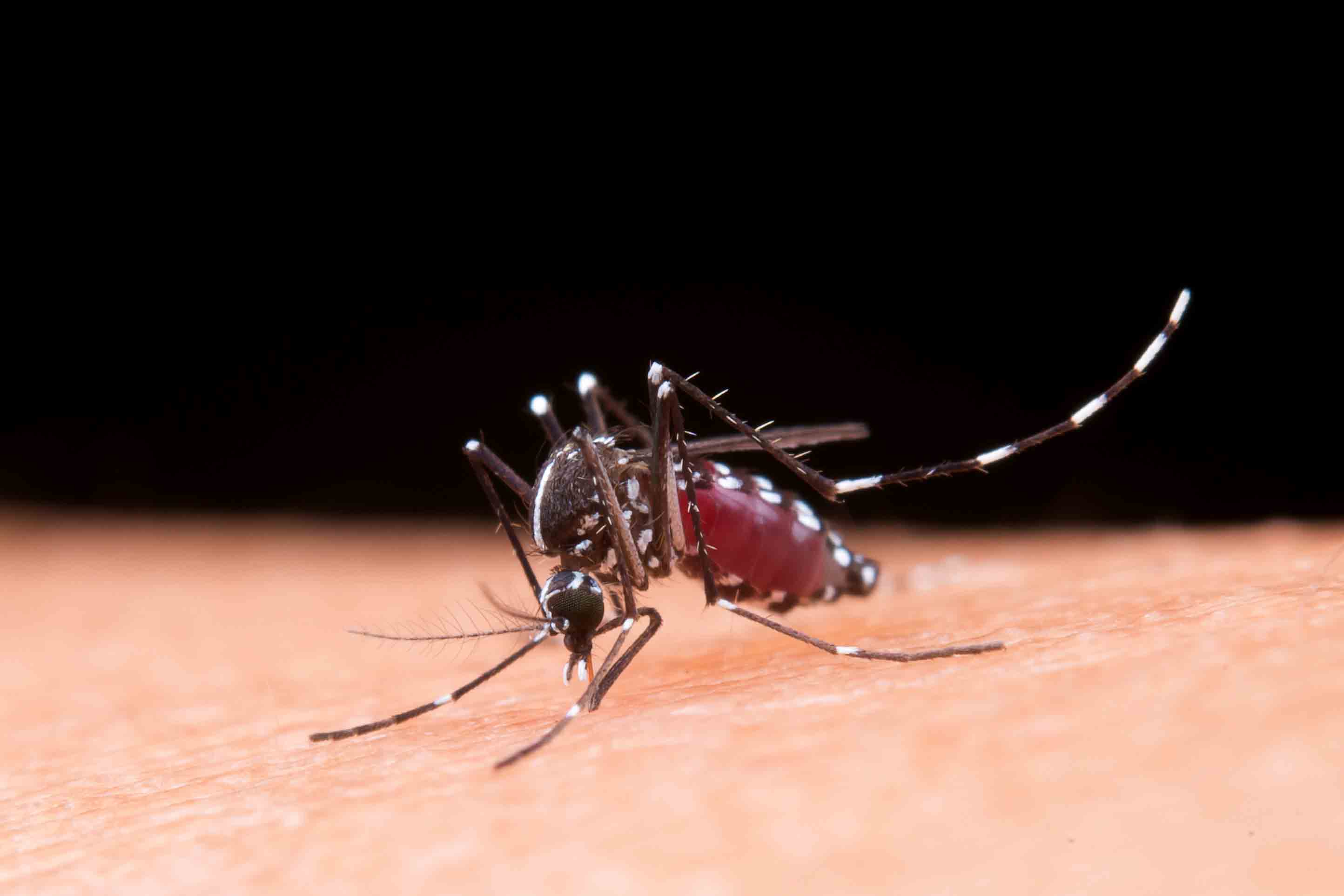
Wet weather creates the conditions in which mosquitoes proliferate. More mosquitoes mean more malaria, and for people afflicted with the genetic blood disorder, malaria is especially dangerous.
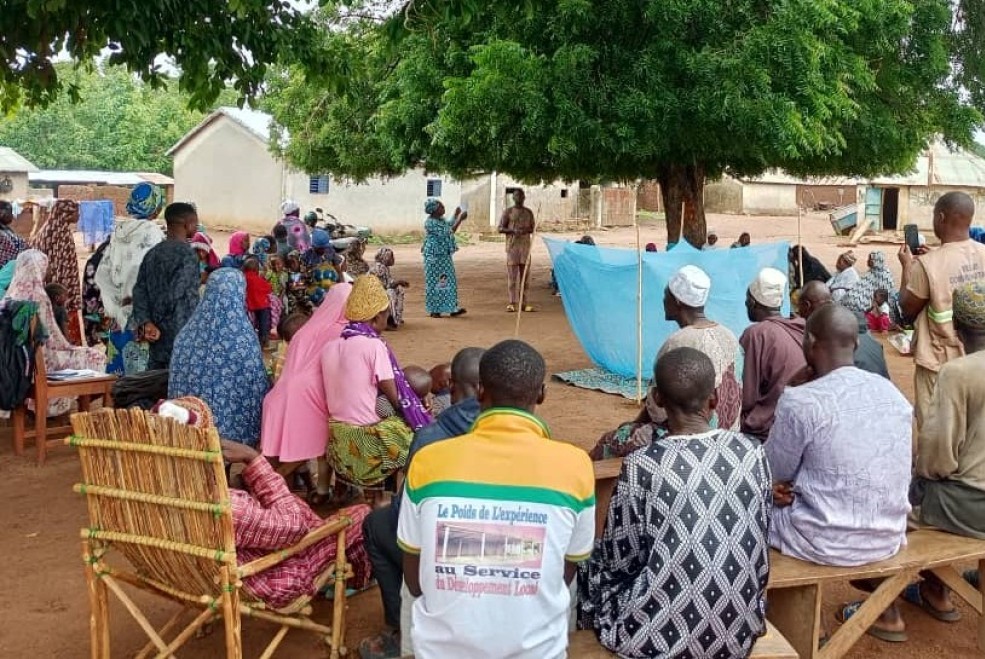
Credit: Programme National de Lutte contre les Maladies Non Transmissibles
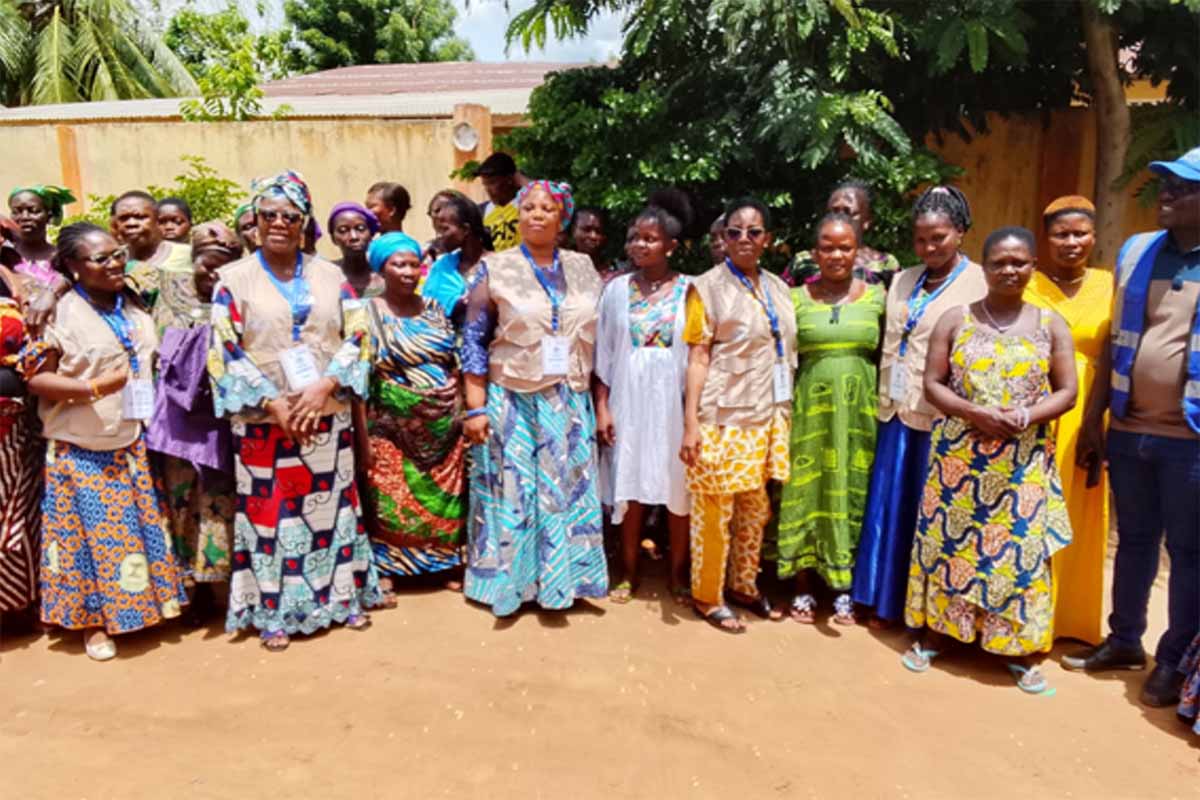
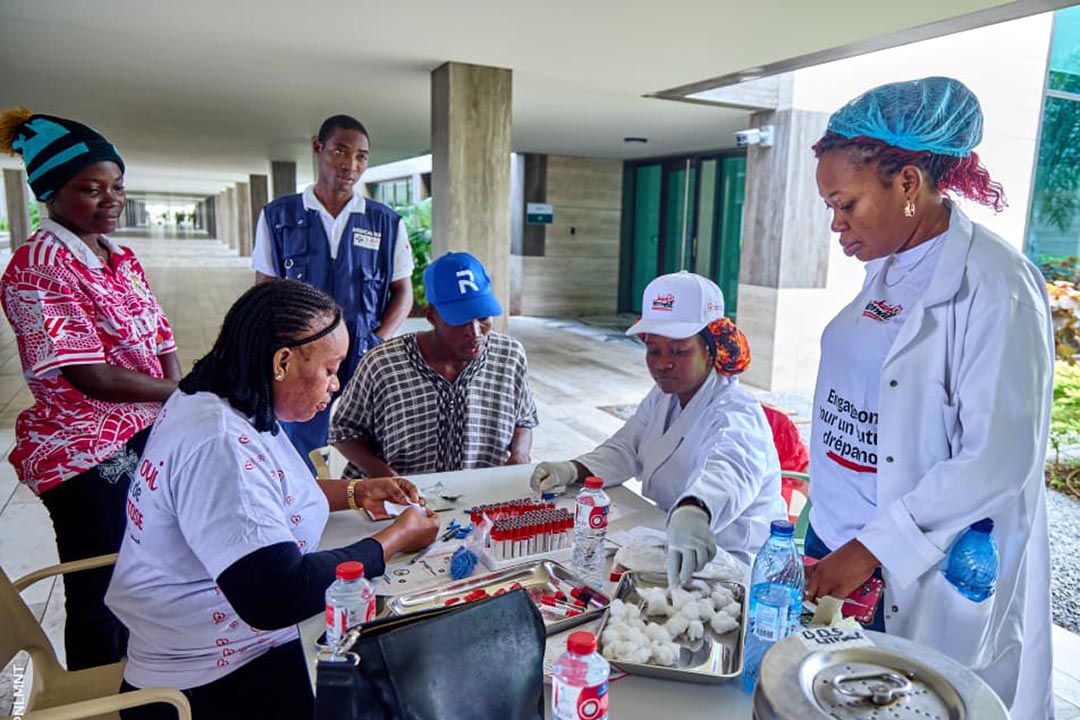
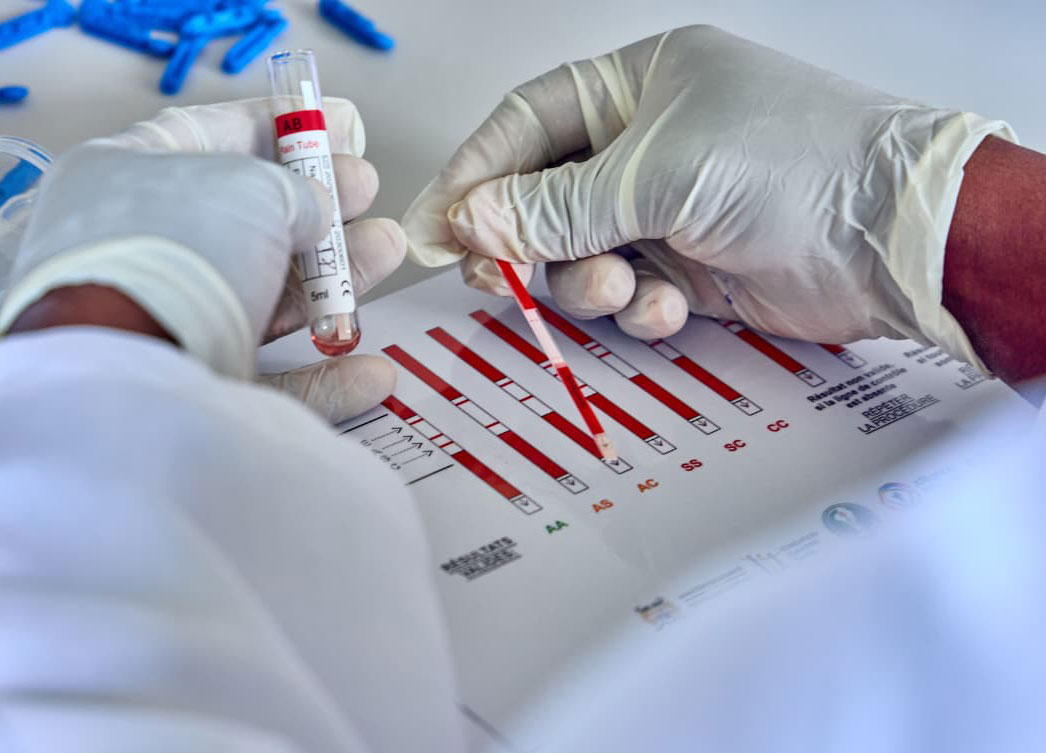
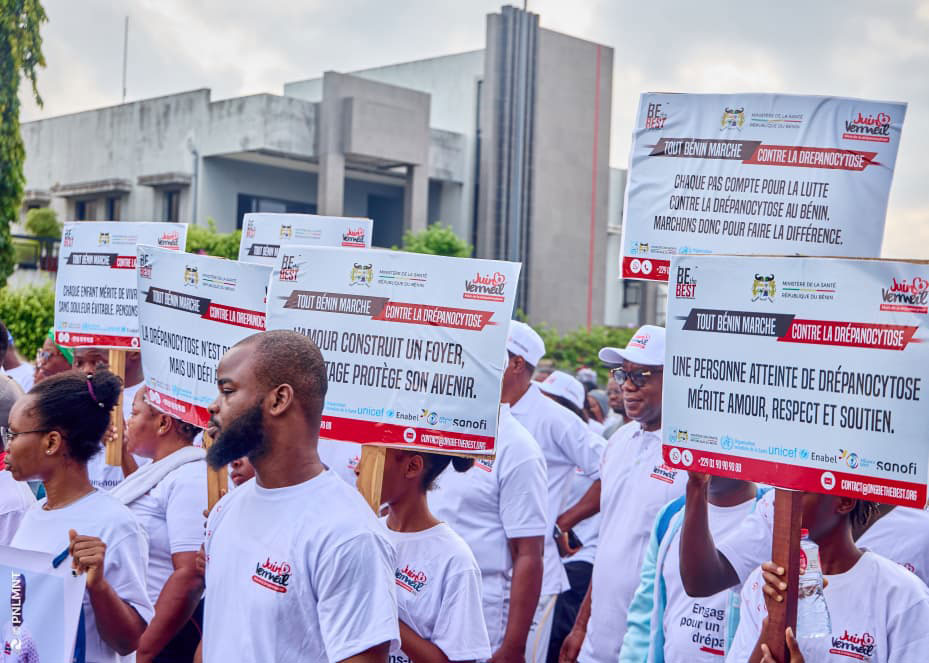
The first line of defence is public understanding. In Benin, June is “Juin Vermeil,” a month of awareness-raising of sickle cell disease, which affects an estimated 4.8% of the country in its severe form. This year, for the first time, it included a series of citizens’ marches organised simultaneously across all 12 departments of the country.
“In a child with sickle cell disease, the body already lives in a precarious balance. The slightest infection can upset this balance,” said state-registered nurse Gaston Adjakidjè addressing the group of march participants on June 20. “When malaria strikes, it doesn’t just add fever. It worsens anaemia, can trigger a vaso-occlusive crisis, and, without prompt treatment, lead to severe complications,” he added gravely.
The walks gathered healthcare professionals, local authorities and citizens around a common goal: to better protect the most vulnerable. The atmosphere was heavy, filled with sighs and questions.
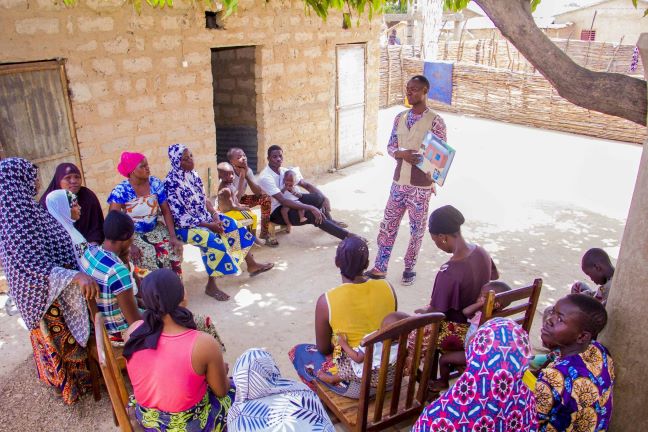
Credit: Programme National de Lutte contre les Maladies Non Transmissibles
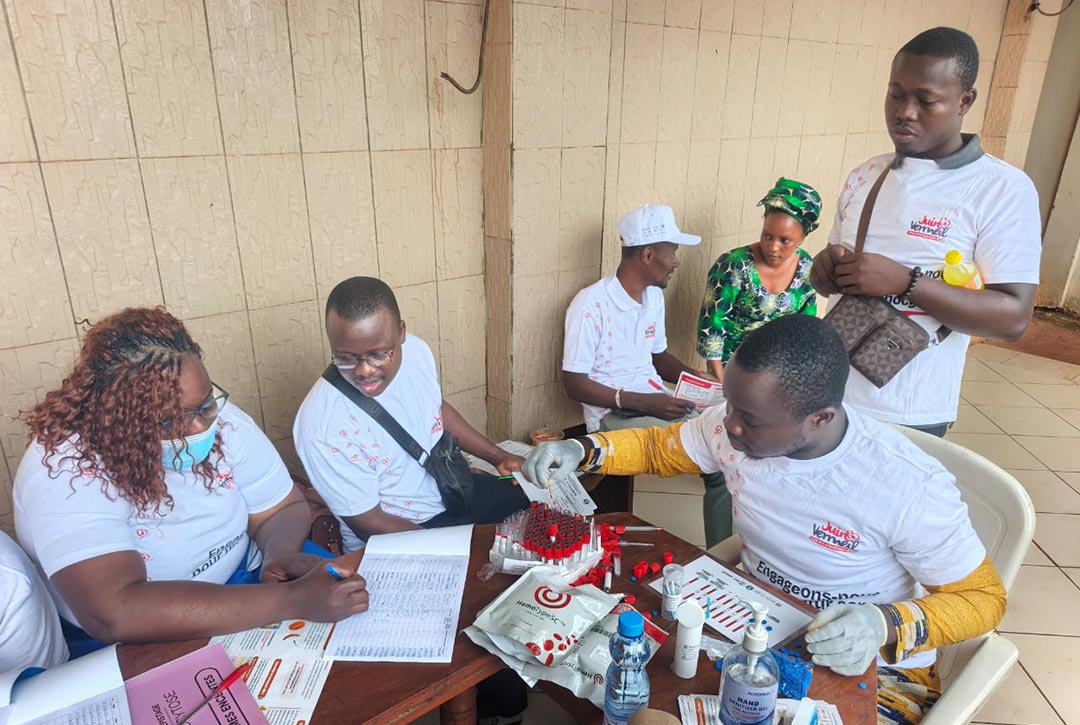
Mylène Gnidéhouè, a participant in the march, knows these hardships all too well. In her fifties, she is a nursing assistant and mother of three children, all of whom have sickle cell disease. “It’s a tragedy I live with every day,” she said. “If it were only me, it would be easier. But there are three innocent souls who didn’t ask to be born.” Prevention and early detection are “the best weapon,” she said. That was something both the National Programme for the Control of Non-Communicable Diseases and the various health associations represented at the event could agree on, too.
Twice as vigilant
In Abomey-Calavi, in the Atlantique department, Yvonne recites her family’s exacting seasonal anti-malaria routines. Her daughter Anne was diagnosed with sickle cell disease at the age of one. “As soon as the rains start, we can’t sleep,” Yvonne confides. Every evening, the insecticide-treated mosquito net is checked, the area around the house is cleaned to prevent water from pooling, and the child’s medical record is kept close at hand. “The slightest fever is a disaster, because we know that for her, a few hours can change everything,” explains the young mother.
“During the rainy season, parents of children with sickle cell disease must be twice as vigilant,” affirms Dr Caroline Padonou, head of the Paediatrics Department at the Centre Hospitalier Universitaire Départmental de l’Ouémé.
“They know that they must sleep under insecticide-treated mosquito nets, disinfect the area around their homes to reduce mosquito breeding grounds, ensure regular medical follow-up, and, above all, consult a doctor immediately at the first sign of a fever.”
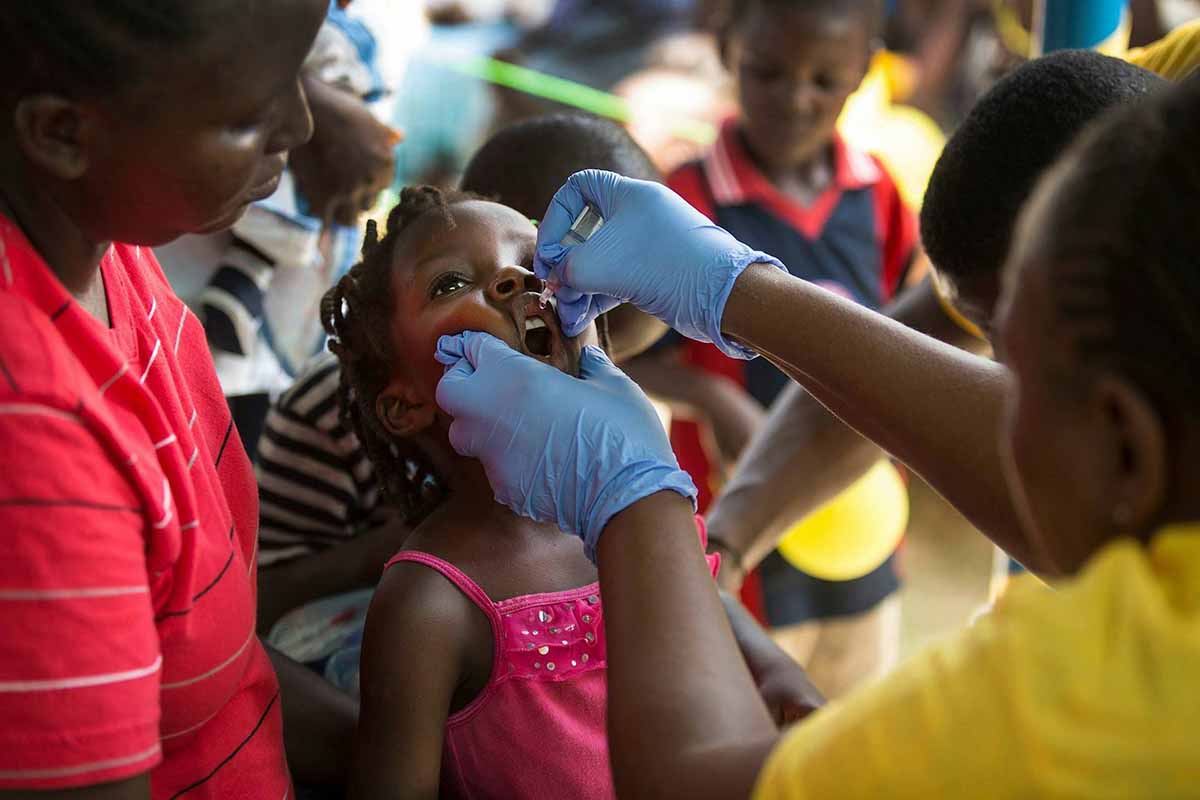
Since April 25, 2024, a new layer of protection has joined the preventive protocol: the malaria vaccine, the world’s first to shield against parasitic infection in humans.
Credit: Programme National de Lutte contre les Maladies Non Transmissibles
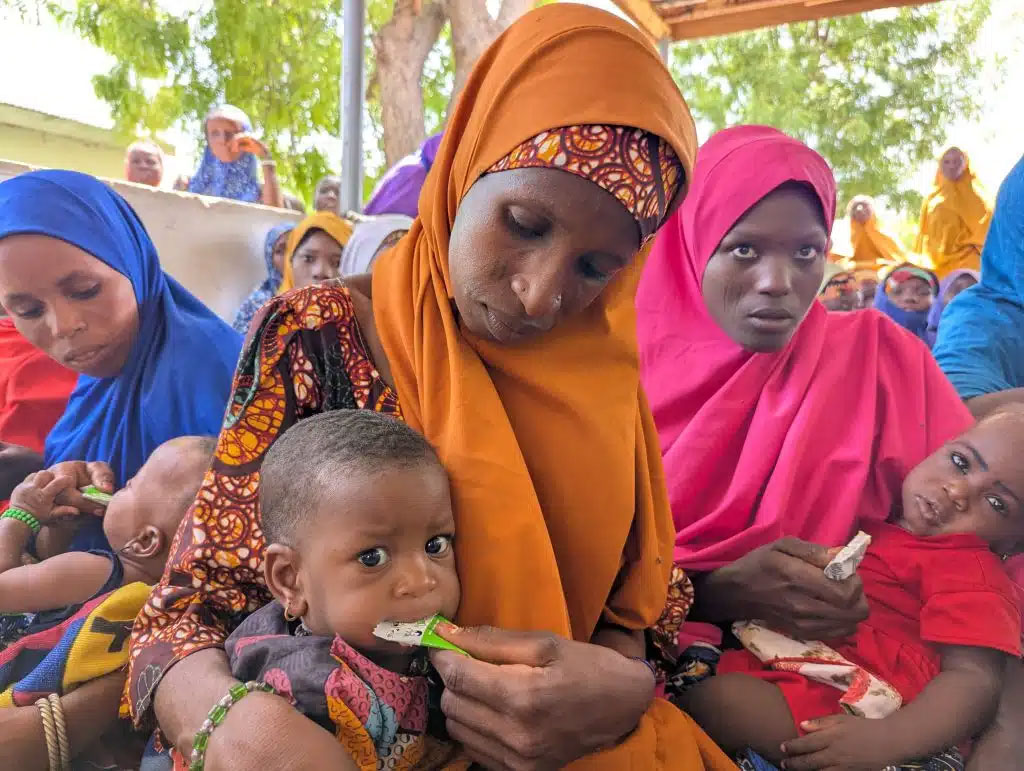
“This vaccine protects children against severe forms of malaria, but it cannot replace other preventive measures,” the doctor emphasises. For families of children with sickle cell disease, most of whom have experienced the anguish of an uncontrolled crisis, the jab offers a welcome dose of fresh hope. “Honestly, I didn’t take the time to ask questions about its effectiveness. I saw in this vaccine an opportunity to alleviate my daughter’s suffering, and I didn’t hesitate,” Yvonne told VaccinesWork.
Missinhoun, the widowed father of two-month-old twins with sickle cell whose mother died in childbirth, has four more months to wait until his children are eligible for their first dose. “Since my wife and I passed the disease on to our children, the medical staff made me aware of the malaria vaccine. I was told that it requires four mandatory doses starting when they are six months old. I will do it because their health and well-being depend on it,” the young father explains.
Sickle cell
Sickle cell disease associations in Benin have rallied behind the vaccine since its introduction into the national immunisation schedule.
Alongside her professional activities, Mylène Gnidéhouè is the president of an association called Drépano Hakuna Matata, which is made up of parents of children with sickle cell disease, and is a hub for sharing best practices for disease management. Isaac Hounton is a teacher and parent in the group. His particular role is to raise awareness among fellow parents about vaccinating their children. “The arrival of the malaria vaccine was like a relief for us. It’s as if we were given another, more effective weapon to defend ourselves against an invisible enemy,” the father emphasises.
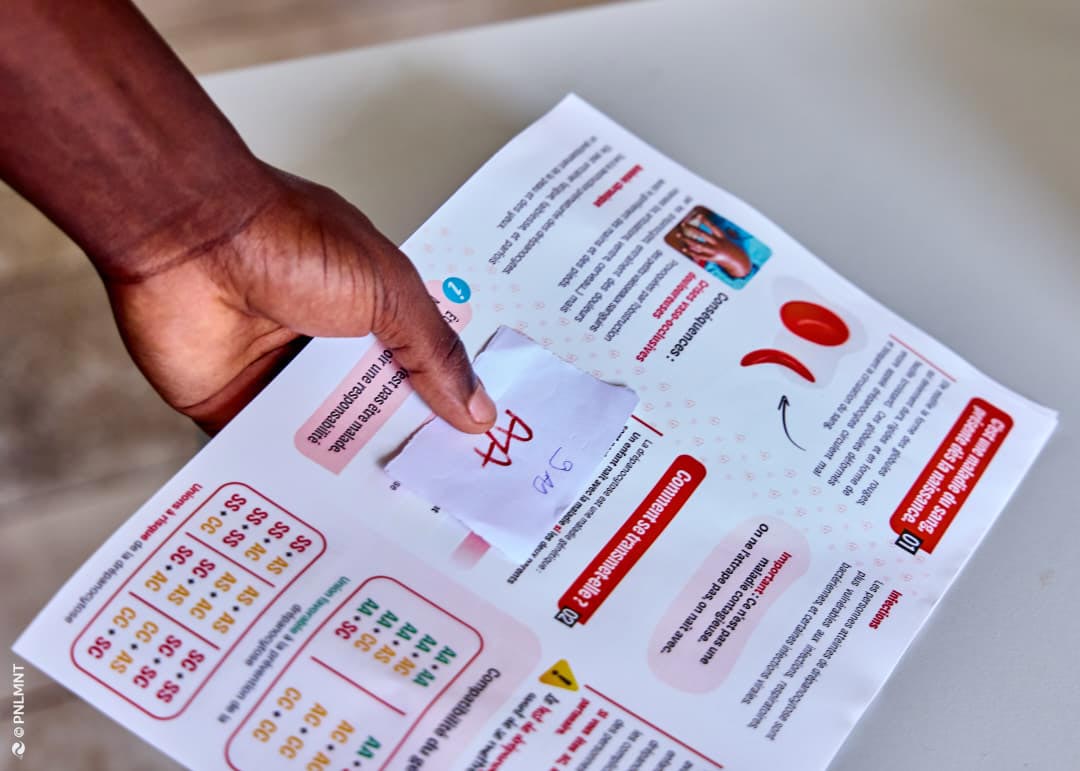
Credit: Programme National de Lutte contre les Maladies Non Transmissibles
He adds that he’s had no difficulty raising interest among the association members. “You know, COVID-19 caused a lot of devastation, but many Beninese people ignored the various vaccines offered to combat it. The malaria vaccine was a success. No need to elaborate,” he explains.
There are still those in the wider sickle cell community who see any vaccine as suspect, and categorically refuse to let their children be immunised against malaria. This is the case of Corneille H. “I have nothing against anyone, but I refuse to let these vaccines be used to make my children even sicker. Having sickle cell anaemia isn’t the end of the world,” he says, sounding a little annoyed.
But as the rains pummel Benin, one thing is clear: while people who share Corneille’s views exist, they will never outnumber the parents of children with sickle cell disease who know that they must seize every opportunity to shore up their children’s health and well-being.