
Need proof that vaccines work? Many of Uganda's Gen Z don't know that meningitis exists
A community campaign in eastern Uganda is reviving awareness of a disease many young people have never heard of.
- 5 October 2026
- 6 min read
- by John Musenze
At a glance
- Vaccination has made meningitis so rare in eastern Uganda that many young people have never heard of the disease, creating a risk that the success of immunisation could lead to complacency about the continued need for prevention.
- Bountiful Missions Uganda is working to close that awareness gap, using schools, community health workers, door-to-door outreach and radio to explain the risks of meningitis, counter misinformation and encourage vaccination.
- The campaign shows why awareness must continue even when cases disappear: vaccines have helped keep meningitis at bay, but maintaining high uptake and understanding of the disease is essential to prevent its resurgence.
How do we know for sure that a vaccine really works? How about when an entire generation has forgotten that the disease it tackles even exists.
This is the case for many young people in Jinja District, eastern Uganda.
“What we are finding is that older people know this disease and how dangerous it is, but they have forgotten that it still exists. When you come to the youth, especially Gen Z, many have never heard of meningitis or seen a sick person,” Rogers Waiswa told VaccinesWork.
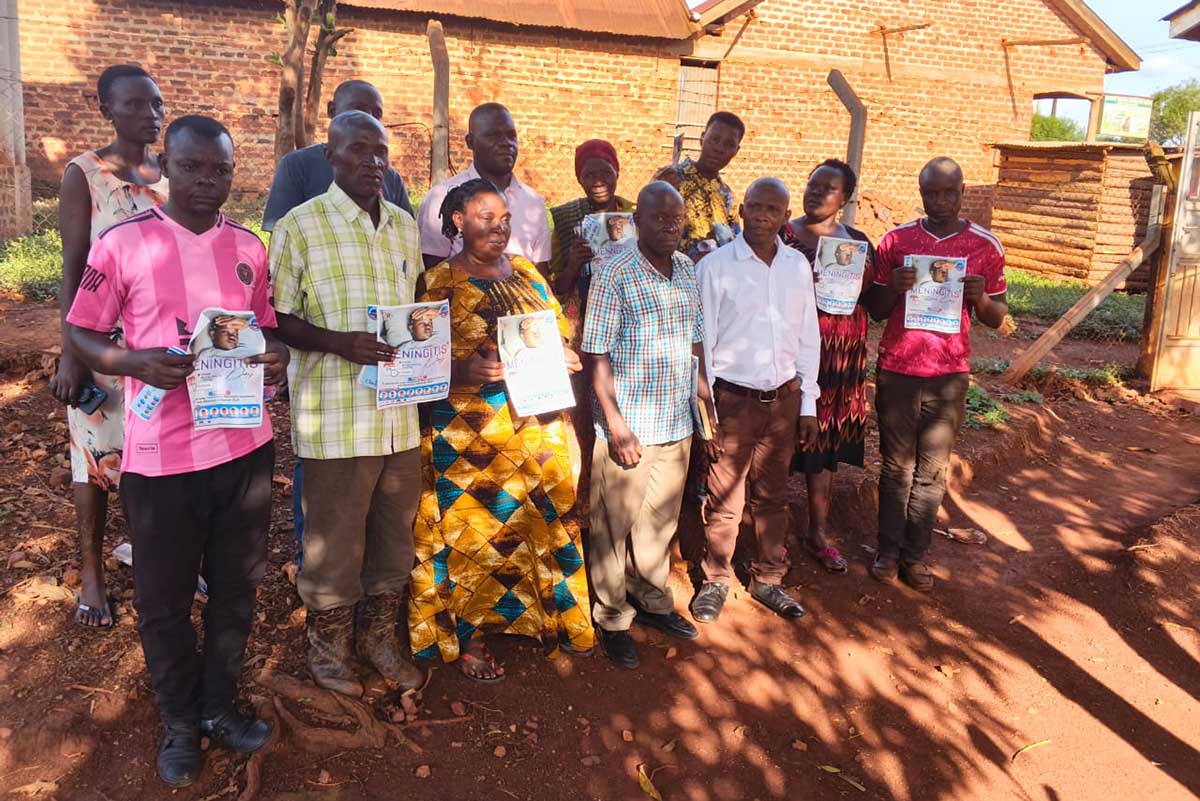
The organisation Waiswa founded, Bountiful Missions Uganda, is now using this year’s World Meningitis Day to raise awareness of the disease among this younger generation, to avoid complacency setting in and threaten a resurgence of meningitis.
It began its meningitis advocacy campaign in August 2026 after receiving a grant from the Meningitis Research Foundation to raise awareness about the disease in hard-to-reach populations in eastern Uganda.
Before this door-to-door campaign, Bountiful Missions has also been involved in organising national meningitis commemorations since 2020 as members of the Confederation of Meningitis Organisations.
The campaign has used radio, schools and community health workers to educate residents about meningitis, including its causes, symptoms, prevention and the importance of seeking medical care.
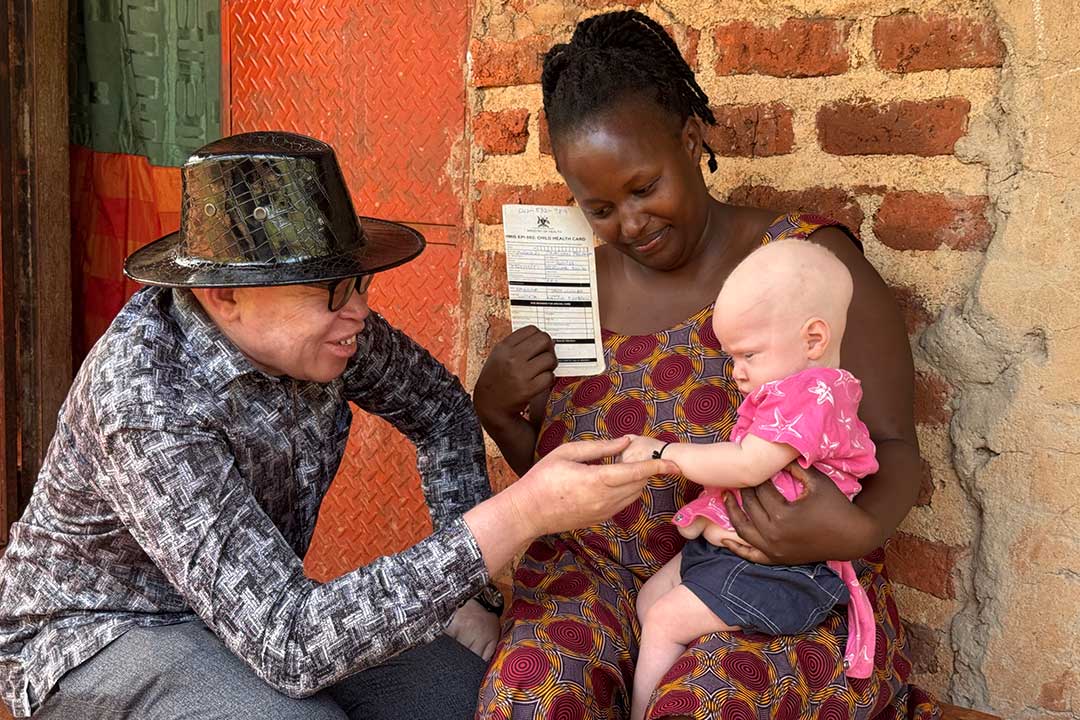
“We have looked for unvaccinated children and explained to them how dangerous it is and many have taken them for vaccination. Besides talking about meningitis, we tell people that the only way to keep safe is […] vaccination,” said Waiswa.
The organisation has so far reached about 4,200 people through community activities, including approximately 200 households in one village and about 4,000 community members in other areas.
Spreading the word
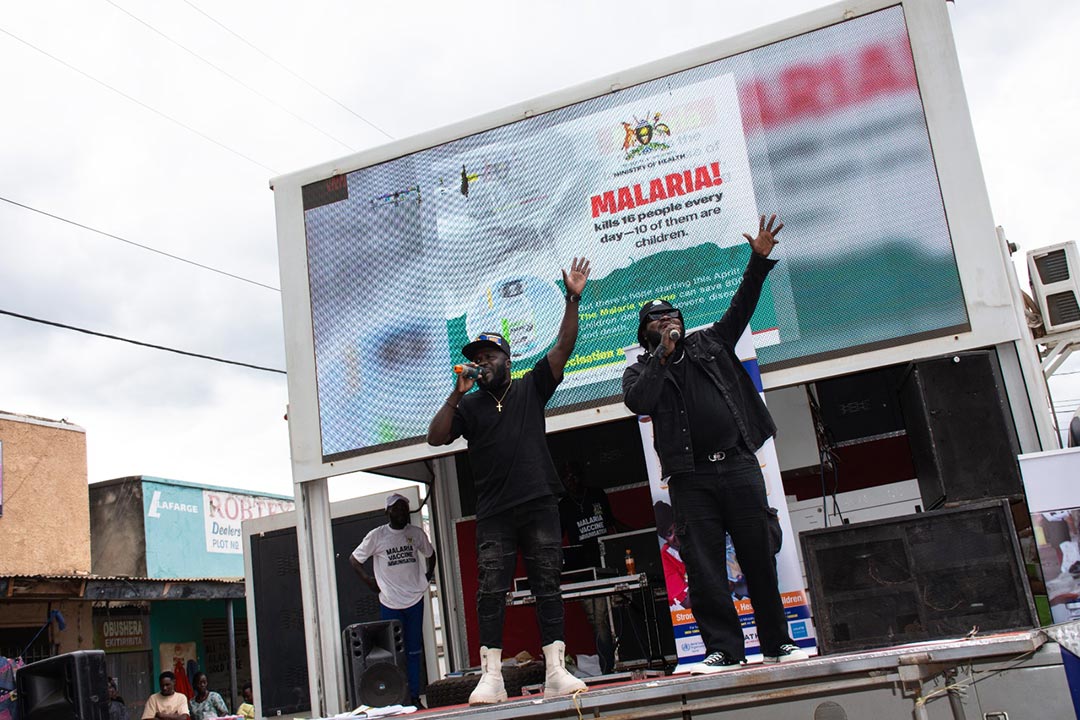
Rather than relying only on door-to-door mobilisation, the organisation has also used two radio stations to reach larger audiences. Baba FM broadcasts meningitis messages every morning at 07:00, while Busoga FM airs messages in the afternoon and again at about 18:00.
Waiswa said that they expect to reach at least 3 million of the area’s 4.4 million population through their work with these popular stations.
The campaign has also targeted primary school pupils because children and adolescents are among those considered vulnerable to meningitis. Bountiful Missions says it has visited six schools as part of the campaign, working with health workers and village health teams to deliver information using materials approved by Uganda’s Ministry of Health.
Meningitis misconceptions
The campaign has also encountered misconceptions about the disease.
Some community members have confused meningitis with malaria, treating the two illnesses as the same condition. Waiswa says its health workers have responded by explaining the differences between the diseases and emphasising the need for medical assessment when symptoms occur.
The organisation has also encountered resistance to health information from some political leaders who spread vaccine misinformation, which it says was addressed through discussions with local leaders and health workers.
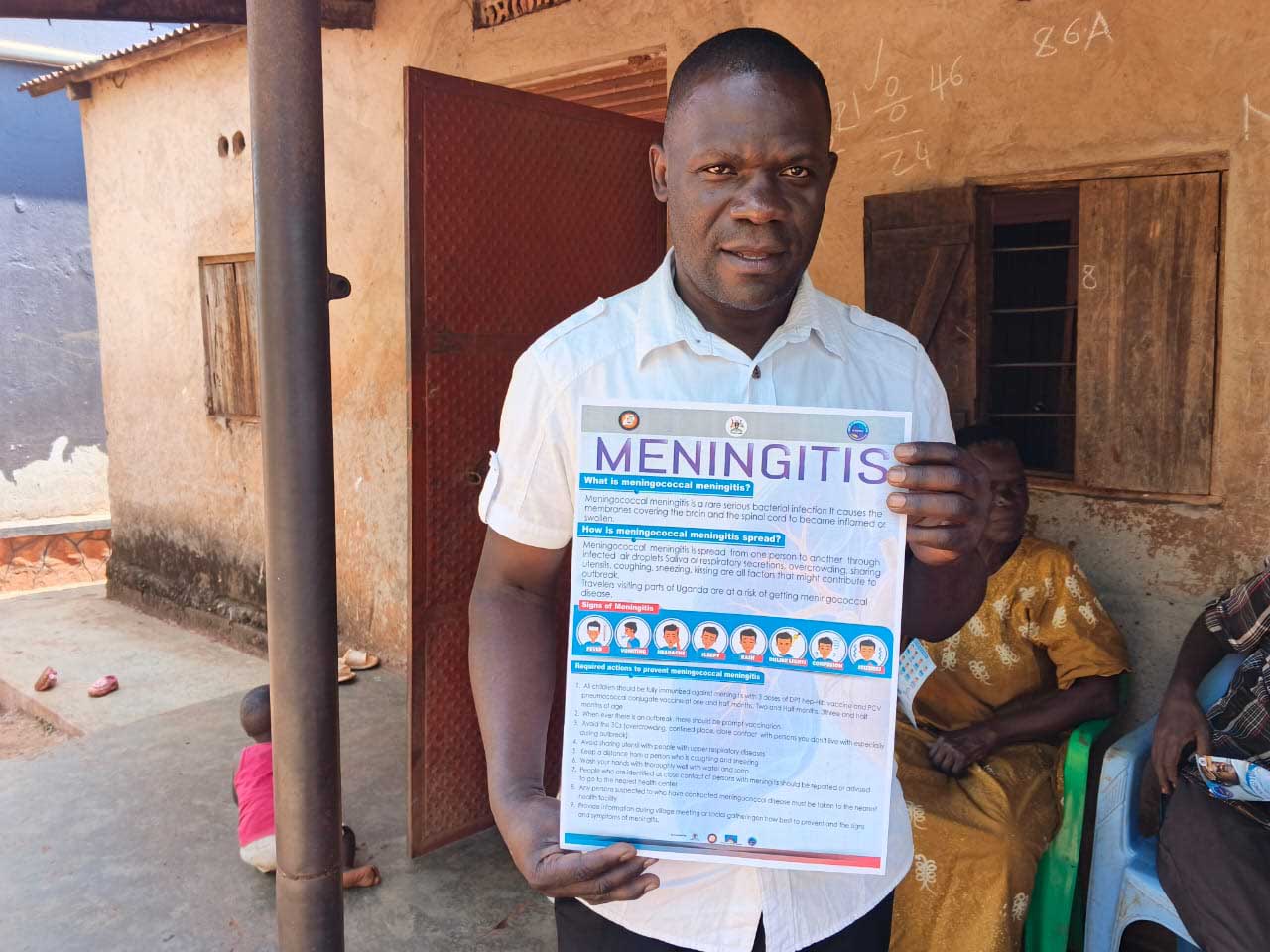
“We are awakening the communities to understand that there is also this problem of meningitis. Meningitis still exists, preventable majorly through vaccination and it is treatable if you receive proper treatment,” he said.
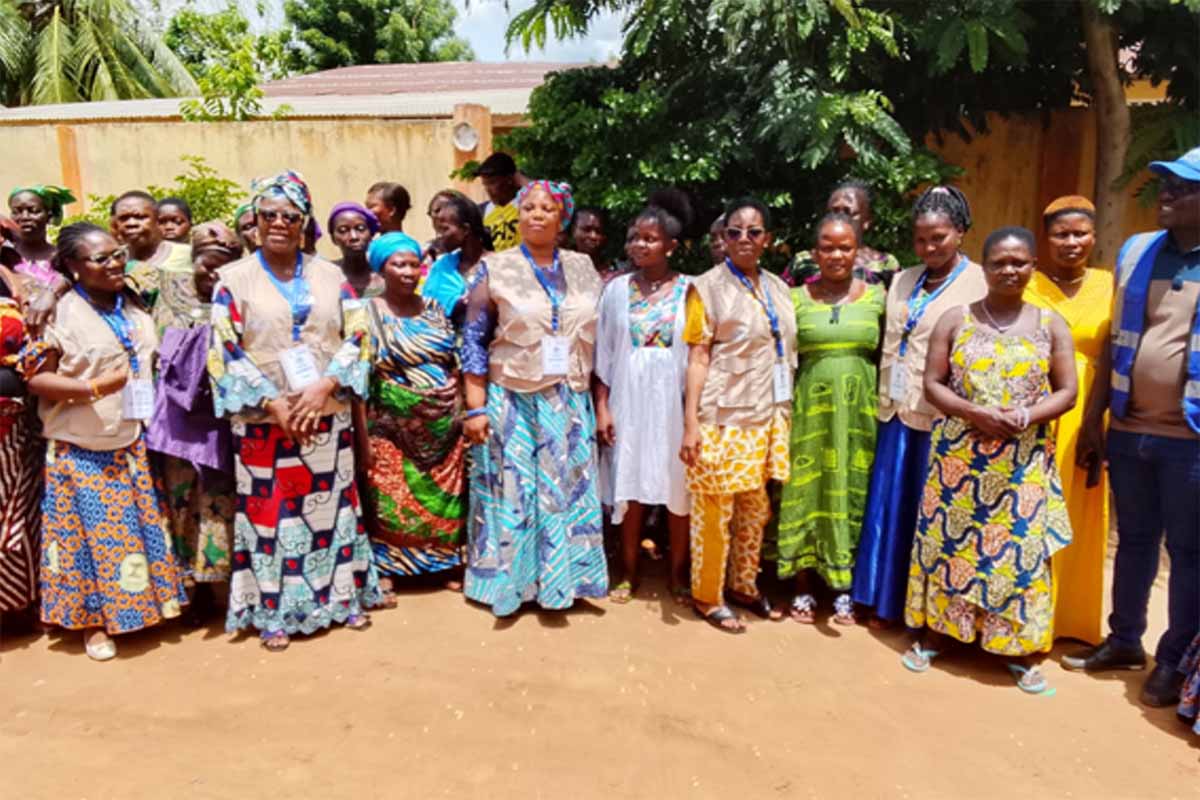
The campaign team comprises about ten people, including VHTs who participate voluntarily.
The organisation received 12.5 million Ugandan shillings from the Meningitis Research Foundation for the two-month advocacy project, which is due to conclude around World Meningitis Day on 5 October.
Waiswa said the organisation would like to receive further support to continue the campaign and eventually expand it beyond Jinja to other districts.
“We have seen the gap in information about this disease within the community and this means this isn’t just in Jinja (Busoga) alone. If we had more funds, we would have loved to do a nationwide campaign,” he said.
“They think it’s witchcraft”
Betty Namukose, a Village Health Team coordinator at Mutaayi Central Zone, is among the beneficiaries of the meningitis awareness campaign. She said, despite the disease being preventable with vaccines, many have no clue because it’s rarely talked about.
“They taught all Village Health Teams and some health workers at Mutayi health centre 11. We had little knowledge about it and yet we are supposed to be equipped with every information about diseases. It was like a refresher course to all of us and even after they left, they gave us information to use in our secondary campaigns,” Namukose told VaccinesWork.
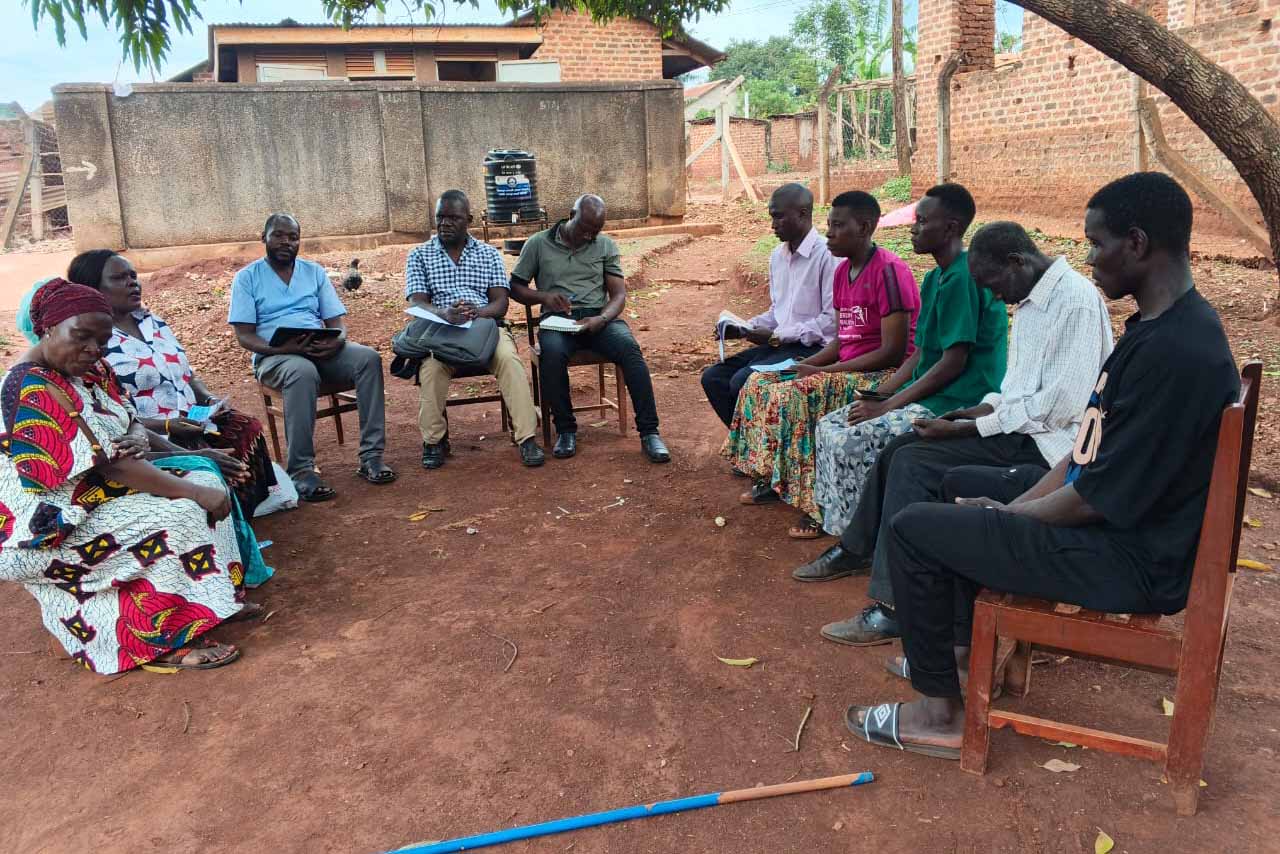
Namukose said diseases like malaria and HIV are highly talked about. But when it comes to meningitis, a lack of outbreaks meant knowledge was scarce.
“Even to us as VHTs, we were not recalling anything. Government and NGOs are not creating awareness in it and this is why a few people know how dangerous it is. When we explain [to] our people about it now, they think its witchcraft, so these are the myths they have helped us uncover,” she said.
Vaccines mean no cases
Namukose believes that the protection Uganda has received from the vaccination has made many think that diseases like polio and meningitis are not dangerous.
This is a view supported by Anthony Mutiibwa, a health educator in Jinja district. He told VaccinesWork that Busoga has not had any meningitis cases in the recent past, which is why the young people need to know how dangerous it is, and how to prevent it.
“Meningitis is not like malaria that they see every day killing people. Many are just hearing the word for the first time, so we do not want them to call it witchcraft in case they get cases. When organisations like this come, they help us reach to the last person because such diseases do not have special funds for awareness,” Mutiibwa told VaccinesWork.
“We commend civil society organisations and partners like WHO and NGOs that have championed vaccine update, disease awareness and prevention. This has brought the uptake of the 14 antigens up,” she said.
Uganda is part of the wider African meningitis belt, which stretches from Senegal in West Africa to Ethiopia in East Africa. The belt comprises 26 countries where meningitis epidemics have historically occurred frequently.
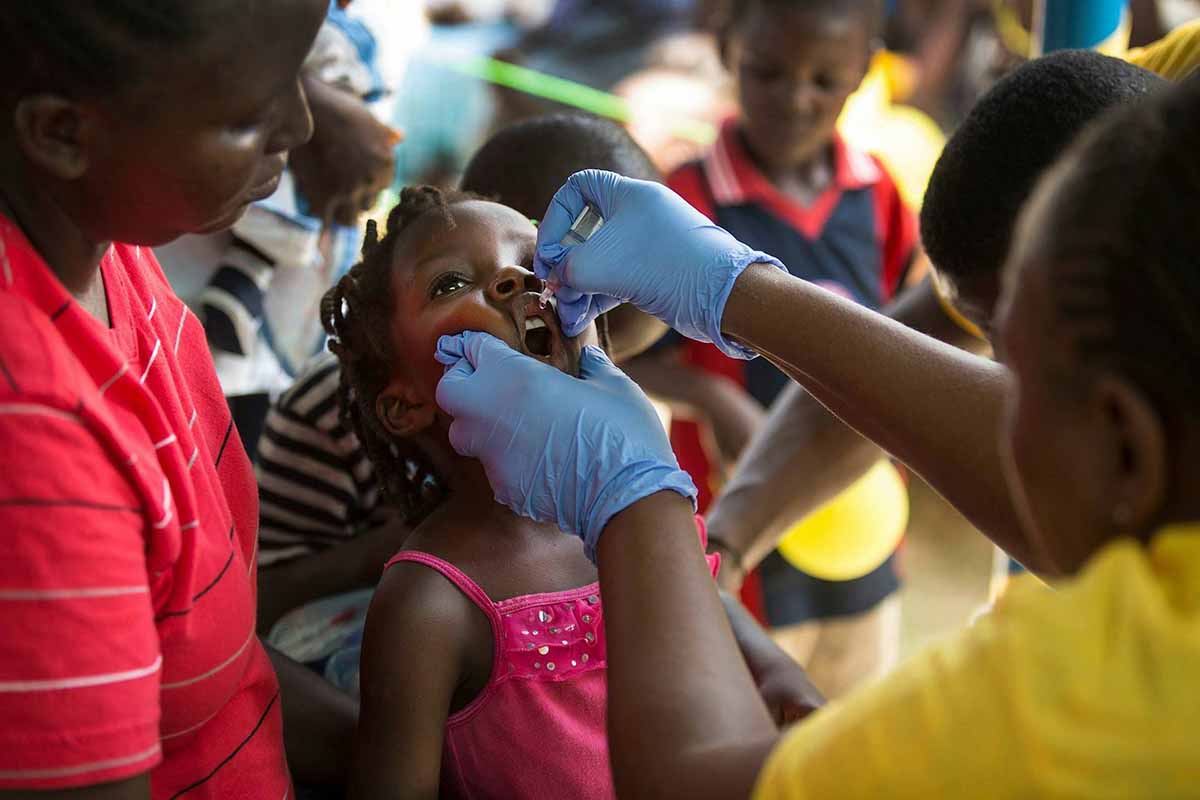
One of the world’s most successful vaccination campaigns, however, ran across this belt from 2010, meaning by 2021 cases of meningitis A had reduced by 99% across the region. A new vaccine that tackles other strains of the disease is now being rolled out. Uganda also offers the pneumococcal conjugate vaccine (PCV), which tackles one of the most common forms of meningitis, free of charge to the nation's infants, with support from Gavi, the Vaccine Alliance.