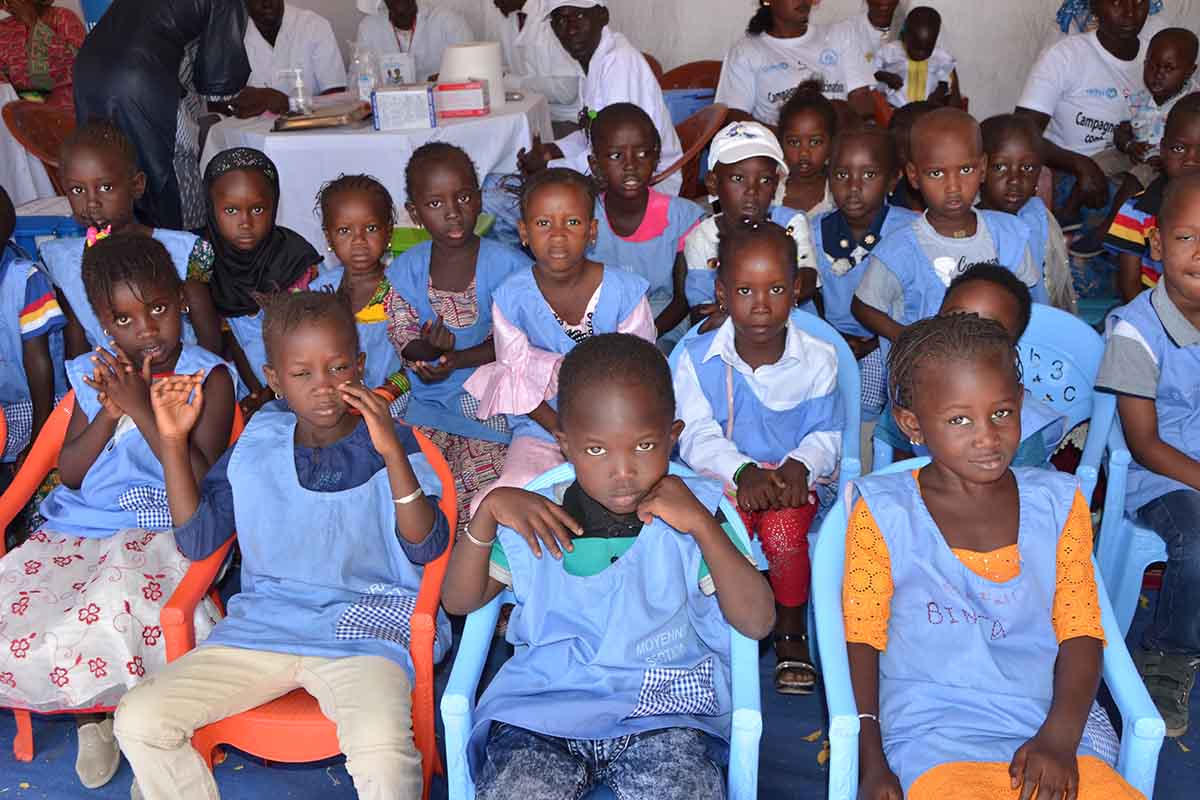

From global reform to country leadership: delivering impact at the last mile
At last week's UN General Assembly a high-level dialogue co-hosted by Gavi, the Vaccine Alliance and the Government of Rwanda set out a pathway to stronger health systems and better health outcomes. Here are the key outcomes.
- 2 October 2026
- 6 min read
- by Gavi Staff
1. The case for the last mile
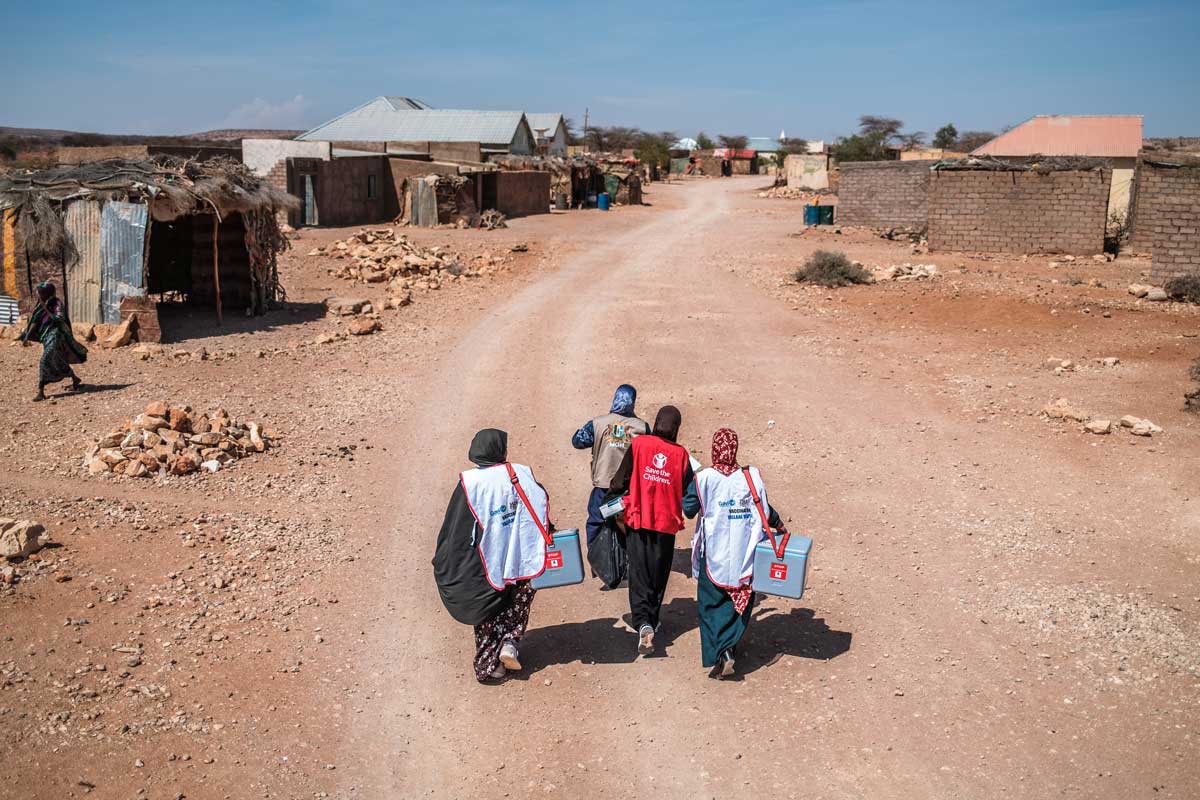
Global health reform is usually debated where funding decisions are made: at headquarters, in boardrooms and through global financing arrangements. Yet its success is ultimately determined at the last mile, where health services reach people.
An estimated 85–90% of global health initiative (GHI) funding is delivered through national and subnational systems. If most resources reach countries through these systems, then the true test of reform is whether they become easier, more effective and better integrated.
For countries, fragmentation is a daily operational reality. Multiple funding streams, reporting requirements and delivery platforms can create duplication, strain limited capacity and make it harder to provide integrated services around people’s needs.
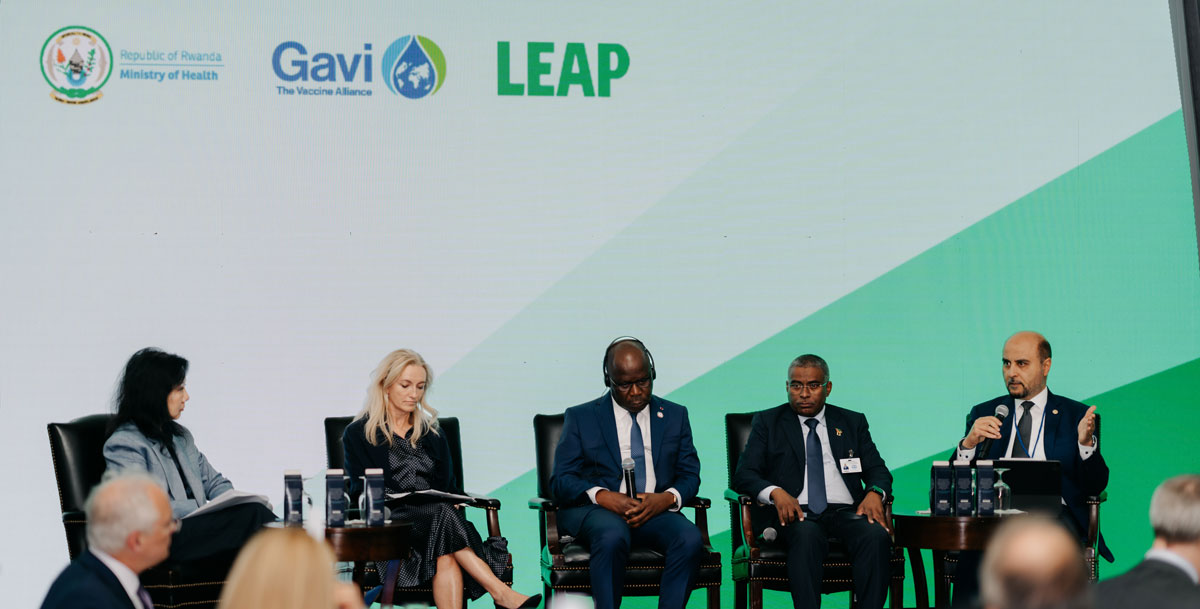
This was the focus of a high-level dialogue co-hosted by Gavi, the Vaccine Alliance and the Government of Rwanda during the 2026 UN General Assembly. The discussion explored how countries and partners can move beyond fragmented approaches towards more integrated, country-led systems.
A clear message emerged: the impact of global health reform should be judged by how well it helps countries to deliver better services, strengthen health systems and improve outcomes at the last mile.
2. What fragmentation costs
Despite significant investments in global health, countries continue to manage multiple planning, reporting and delivery requirements across partners. The resulting fragmentation creates inefficiencies, places additional burdens on frontline workers and can weaken government leadership over national health priorities.
Parallel programmes, duplicative reporting requirements and separate delivery systems carry a price that countries pay twice.
Loss of country ownership
Fragmented funding and parallel systems can reduce government visibility, coordination and control over health priorities, making it harder to deliver integrated services at scale.
Money that never reaches the frontline
Avoidable fragmentation consumes the equivalent of an estimated 2–5% of GHI spending every year: resources that could strengthen national systems, expand coverage or invest in frontline capacity. This means that partners are currently getting less out of each dollar than they should.
Frontline time lost to paperwork
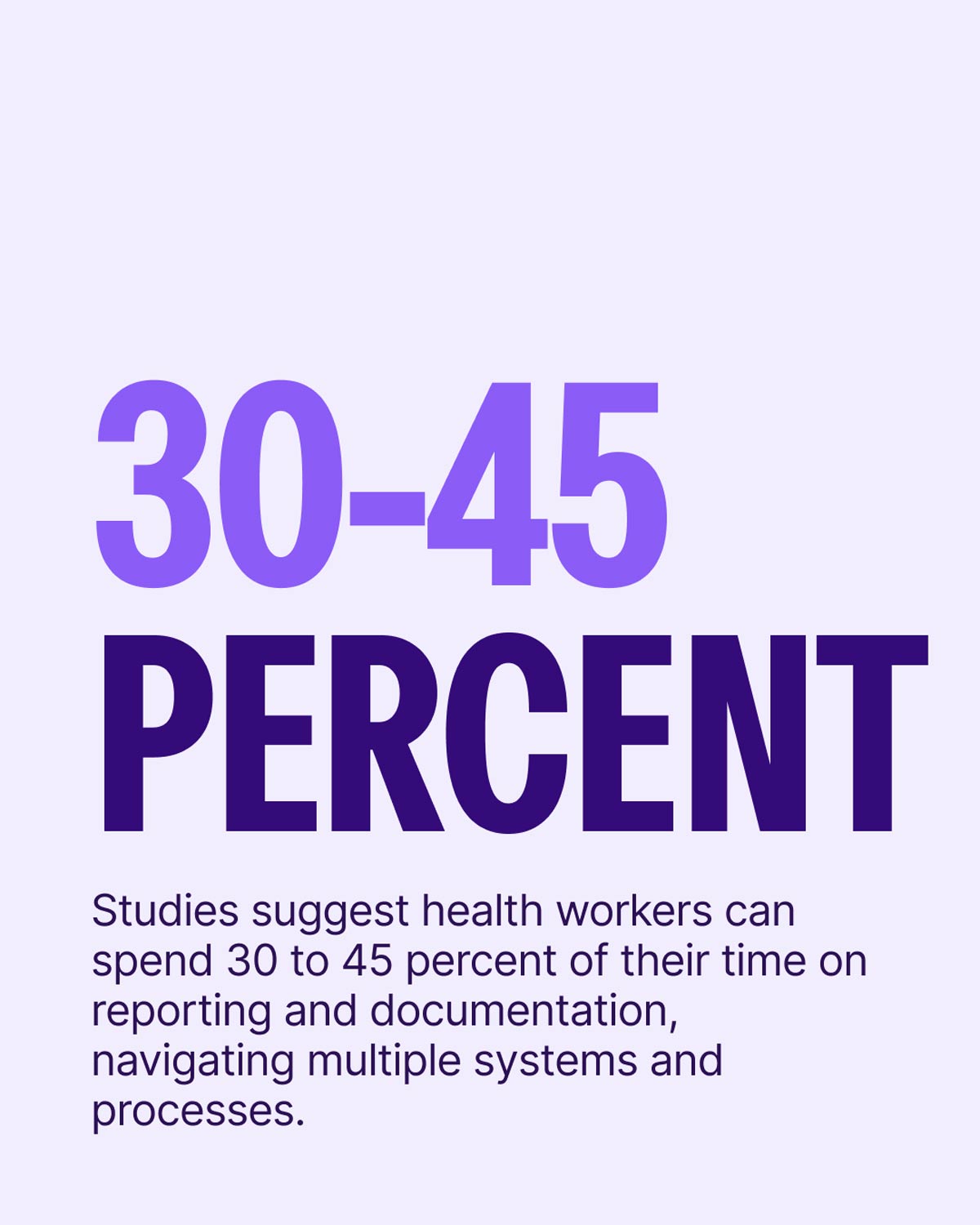
Health workers at the last mile spend an estimated 30–45% of their time on reporting and documentation across multiple unaligned systems. The cumulative effect is equivalent to millions of lost health touchpoints each year, capacity that could otherwise be redeployed to immunisation outreach and primary health care.
3. What country-led integration looks like
Integration does not mean collapsing programmes or weakening oversight. It means governments setting priorities and driving implementation, while GHI partners align their investments, requirements and timelines behind national plans, systems and priorities. Stronger government stewardship and sharper partner accountability are the same objective, not competing ones.
A “national systems first” default
- Governments set priorities and steer. Ministries of Health define the national health agenda, and drive implementation and coordination mechanisms, and partners align behind them. National systems are the default; exceptions are documented, time-bound and supported through transition assistance.
- Partners align without adding structures. Joint supervision and convergent data standards are pursued through existing country forums, rather than creating new coordination mechanisms.
Efficiency and value
- Planning and reporting are streamlined. A single, government-led operational calendar – and accountability frameworks mapped against national monitoring platforms – mean less administrative burden for countries and clearer, more reliable, single-source data for partners.
- Shared infrastructure is invested in jointly. Joint visits and convergent data standards reduce duplication while preserving accountability.
Preparedness and health security
- Services are organised around people, not individual programmes. Bundling immunisation with malaria prevention, maternal care or nutrition enables every health system touchpoint to deliver more value, reducing missed opportunities and unnecessary repeat visits.
- Data and evidence are anchored in national platforms. Real-time data on patient journeys and system performance enables faster outbreak detection and response: stronger surveillance for partners, greater control of health security for countries.
4. Reform that is already working
The argument for integration does not rest on theory. Countries are already demonstrating what integration delivers when governments steer and partners align.
Guinea: a shared logistics system
A shared electronic logistics management system, used across immunisation and broader health programmes, reduced vaccine stock-outs from 6% to 2%, demonstrating how aligned investments can improve service delivery.
Benin: more complete care
Seasonal malaria chemoprevention was integrated with routine immunisation, helping families access multiple essential services during a single visit. A family that arrives for one service leaves having received another, without a second trip.
Kenya: efficiency at system level
Kenya aligned devolved health systems behind national immunisation priorities, with savings from reduced duplication made available for reinvestment in coverage, equity or system strengthening.
Côte d'Ivoire: country-led reform
Rwanda: proof of concept
5. The Gavi Leap: a working model
The Gavi Leap is the concrete mechanism through which this shift is being tested: country-led pilots, aligned partner requirements and evidence-based scaling that is already delivering benefits to countries. Through Gavi’s 2026–2030 strategy (Gavi 6.0) and the Gavi Leap, integration is being embedded into grant design, partner expectations and reporting processes.
What Gavi is changing
- A “national systems first” default for new health system strengthening (HSS) and digital health investments.
- Streamlined funding architecture, reducing eight funding levers to one cash grant and cutting country contracting requirements by an estimated 25–50%.
- Faster application cycles, reducing the process from more than 12 months to approximately 7 months.
- Simplified guidance, reducing application requirements by 74%.
- A substantial reduction in application volume, from more than 670 applications to approximately 57.
- These are changes Gavi is making within its own operating model. They reduce burden on countries while preserving, and often strengthening, the accountability and transparency partners expect.
6. From dialogue to action
Three parallel tracks will help carry this agenda forward.
Gavi will lead by example
Gavi will continue embedding integration into grant design, partner expectations and reporting processes, applying a “national systems first default” to new HSS and digital health investments, reviewing reporting requirements against country monitoring platforms in select countries, and aligning activities to government-led operational calendars.

Partners will test and align
Bilateral dialogue with peer GHIs will identify concrete opportunities for joint supervision, shared subnational coordination roles and bundled service delivery pilots, pursued through existing forums.
Evidence will drive scale
Targeted pilots in willing countries will continue to generate practical evidence on what works, what it costs and what conditions enable scale. Test, learn, document and then use the evidence to influence broader norms.
What next?
The discussion reinforced a clear consensus: stronger country leadership and better partner alignment are mutually reinforcing. The path from analysis to action depends on countries and partners delivering against shared commitments. We invite countries and all partners to join us in this effort.
More from Gavi Staff