
In conflict-hit Cameroon, a vaccinator’s job includes negotiating safe passage
From triangulating intel to judge the day’s threat-levels, through an armed checkpoint and into a community’s safe-zone, Kongnyu Emmanuel takes us along.
- 11 December 2025
- 5 min read
- by Delphine Fri Chifor
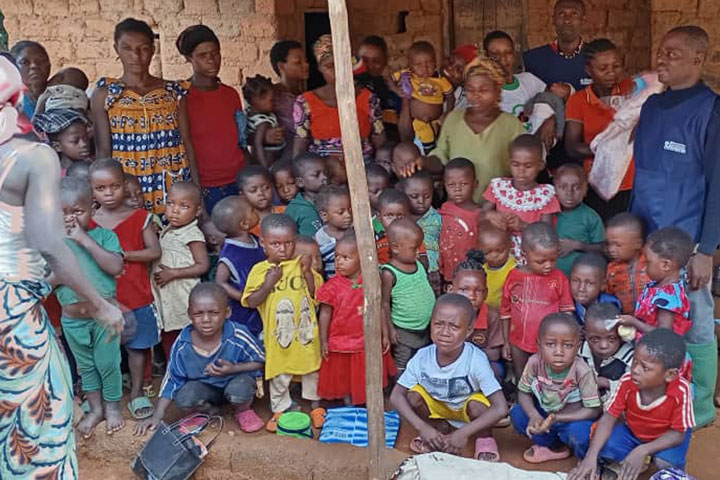
Access negotiation in fragile communities begins well before a health team arrives. It demands understanding the local context, identifying key influencers, and translating insights into safe, practical actions. A typical day for Kongnyu Emmanuel, District Officer of Nwa Health District in Cameroon, which has been embroiled in a regional socio-political crisis since 2016, demonstrates what that looks like in practice.
Mapping trust and risk to navigate security and reach children with immunisation
At 05:30 in Nwa, while most people are waiting for the last crow of the rooster to wake up, Emmanuel is standing in a corner of his house searching for a phone signal. He scans alerts from community leaders, faith actors, mobilisers and other influencers. One message warns of gunfire in Boko Health Area. He calls around until he has a complete security overview.
This ‘community alert system’ didn’t come about by chance. Emmanuel and his colleagues have mapped every stakeholder in each community. They leverage the footprint and reputation of the Cameroon Baptist Convention Health Services (CBCHS), a faith-based health provider with a presence across the ten regions of Cameroon, to identify and map community leaders and use a snowball approach, in which one leader introduces the next, in newly created settlement communities with unvaccinated children.
They have trained these contacts to spot threats and send signals safely without putting themselves in harm’s way. Emmanuel also cross-checks with the northwest regional International NGO Safety Organisation (INSO) to triangulate safety alerts in the area. These signals give Emmanuel the information he needs to decide where to move health teams, and where to steer clear.

“Security clearance is a crucial part of our daily routine, which we don’t take for granted. The realities of different communities can change quickly, so understanding security checks and access negotiations is vital to our work,”Emmanuel explained.
Today, the alerts say Ntem is clear, but still high-risk. Emmanuel and his team, consisting of a vaccinator, a nutrition screener, and a nurse, load vaccines, nutrition packs, and mosquito nets at the cold chain store before dawn, then set off on their bikes.
At a non-state armed group checkpoint, Emmanuel introduces himself as a humanitarian worker with CBCHS. The bike’s driver is also able to demonstrate familiarity with the route, and together, these ‘ins’ mean the men staffing the checkpoint are willing to validate their entry into the community, and from there to the quarterhead’s, or community leader’s, home – a neutral, trusted venue for vaccination.
Have you read?
“Not every organisation can access these areas,” Emmanuel explains. “So, once we’re in, we bring as much as we can, including vaccines, nutrition, mosquito nets, free basic consultations and any other services our partners have for the community, so that children and carers get a full package of care.”
Emmanuel’s work is part of the Gavi-funded Vaccine Equity Response in Humanitarian Settings (VERHUS) programme, implemented in Nwa and elsewhere in the region by CBCHS, in which vaccination activities not only protect children against vaccine-preventable diseases, but also are a gateway for building trust, anchoring partnerships, and enhancing community well-being.
Maximising reach with minimal exposure in high-risk areas to deliver services
Upon arrival in Ntem, Emmanuel meets the community mobiliser, the faith leader and the quarterhead. who are already waiting for them for a rapid briefing on the upcoming session. Unlike other areas where announcements go out days ahead, the team uses a ‘quick in and out’ strategy in Ntem to avoid drawing unwanted attention. The session was planned on a ‘country Sunday’, a day when most residents stay home from the farms, ensuring maximum reach with minimum exposure.

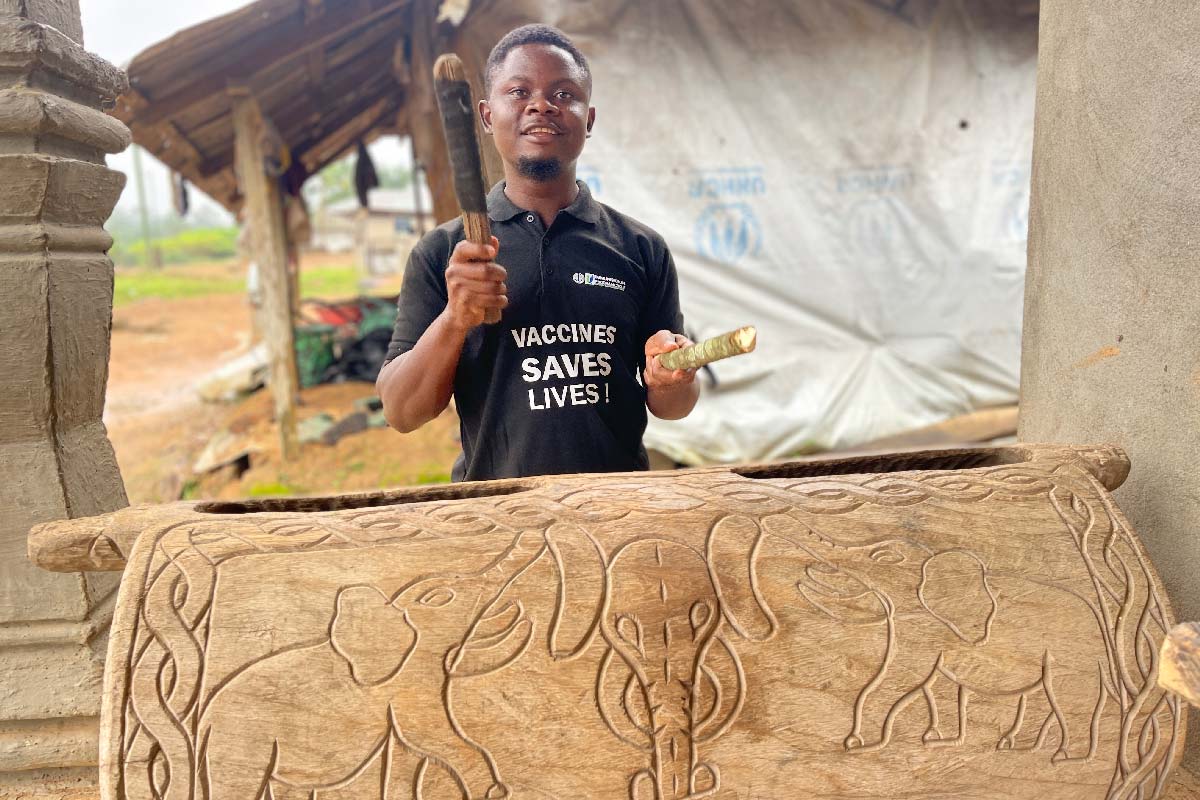
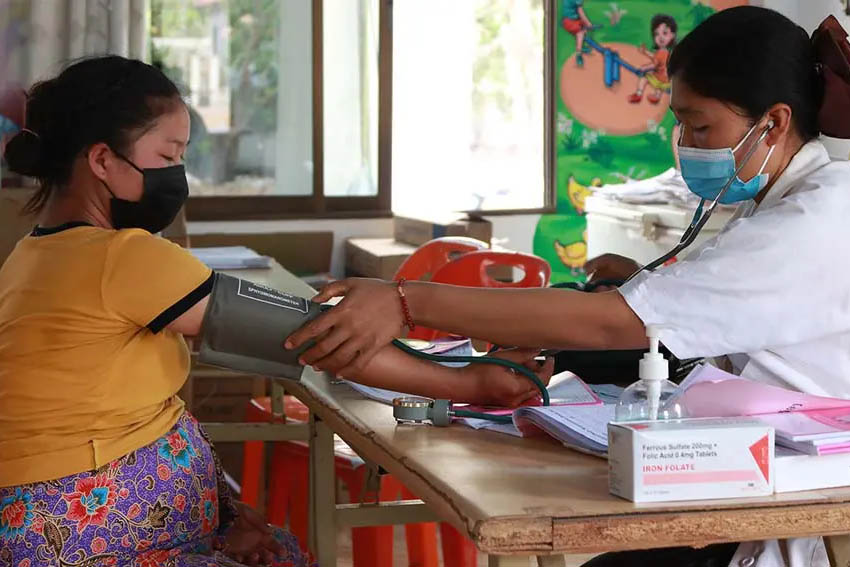
The mobiliser and town crier receive a note with the session’s timeframe and a list of services offered. While they make their quick rounds in the community announcing the services, Emmanuel’s team sets up registration, vaccination, consultation and feedback systems inside the quarterhead’s compound, a place recognised as a safe space for everyone, including minority populations in the community.
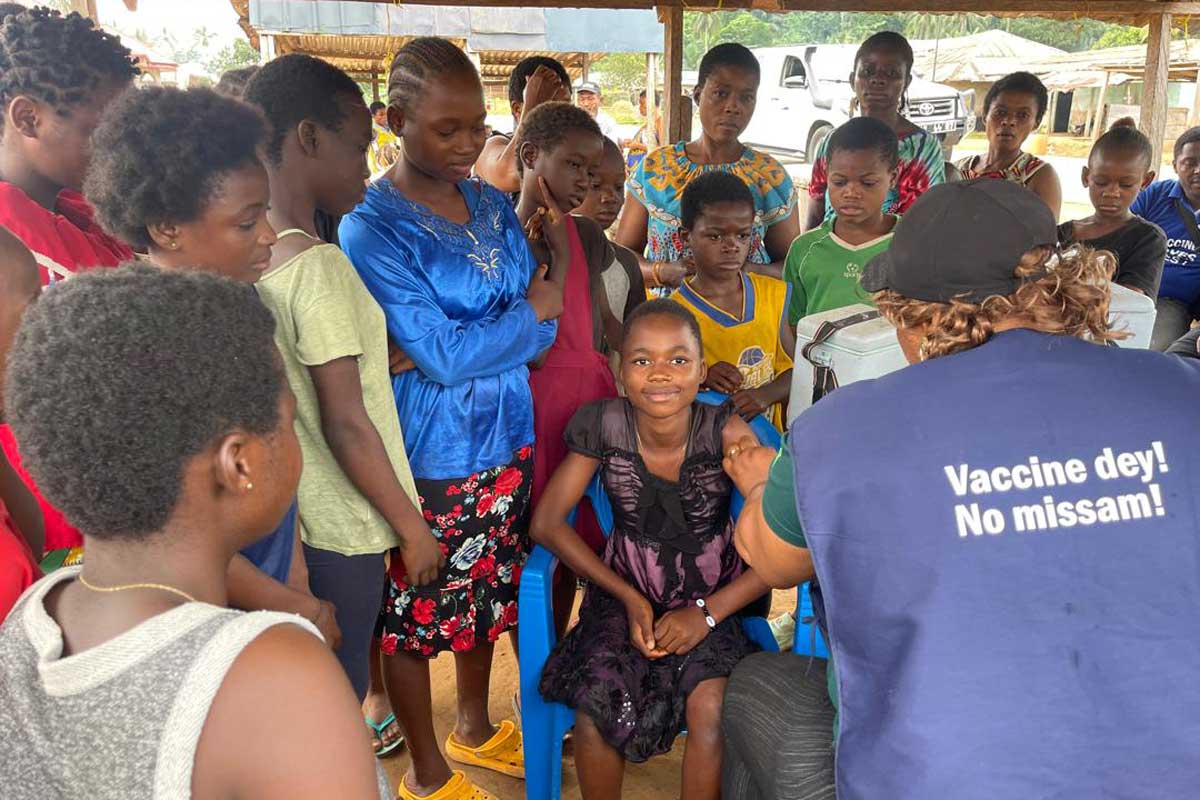
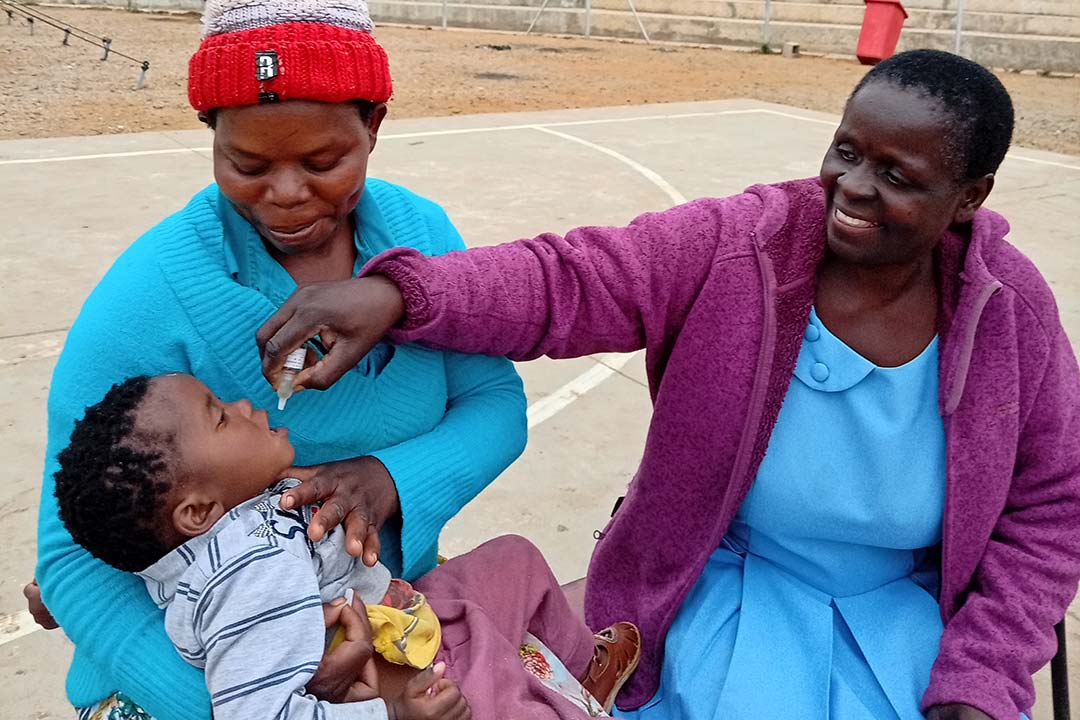
Within ten minutes, mothers begin arriving. Over the next three hours, 46 children receive different antigens of vaccines and other services, including consultations, mosquito nets, malnutrition screening and health education.
As soon as the last child is served, the team thank the community leader, break down the site, and depart before the security situation can shift. By 14:00, they are back in the safe community in Nwa, debriefing team members and checking the cold chain before Emmanuel returns home to prepare for another day.
This approach enables the programme to safely deliver high-impact immunisation and health services integration in areas that many others in Cameroon’s northwest and southwest regions cannot reach.
“These are how my days go – every day is unique based on the analysis of the context and resolutions from our co-created sessions. We decide how to operate in this volatile context where we find ourselves,” Emmanuel explained.
Access negotiation as a continuous process to enable safe delivery of health services
By maintaining a strict routine with fixed times, trusted locations, pre-arranged messaging and swift service, the VERHUS programme shows why access negotiation is an ongoing process rather than a one-off event. This approach enables the programme to safely deliver high-impact immunisation and health services integration in areas that many others in Cameroon’s northwest and southwest regions cannot reach.