
DRC Ebola outbreak exposes community health gaps
As the DRC battles a rapidly growing Ebola outbreak, investment in community health surveillance is critical, writes Githinji Gitahi.
- 29 May 2026
- 5 min read
- by SciDev.Net
At a glance
- DRC Ebola outbreak underlines need for stronger community health systems
- Community-based disease surveillance enables early detection and intervention
- Investment needed to train and equip health workers, improve diagnostics
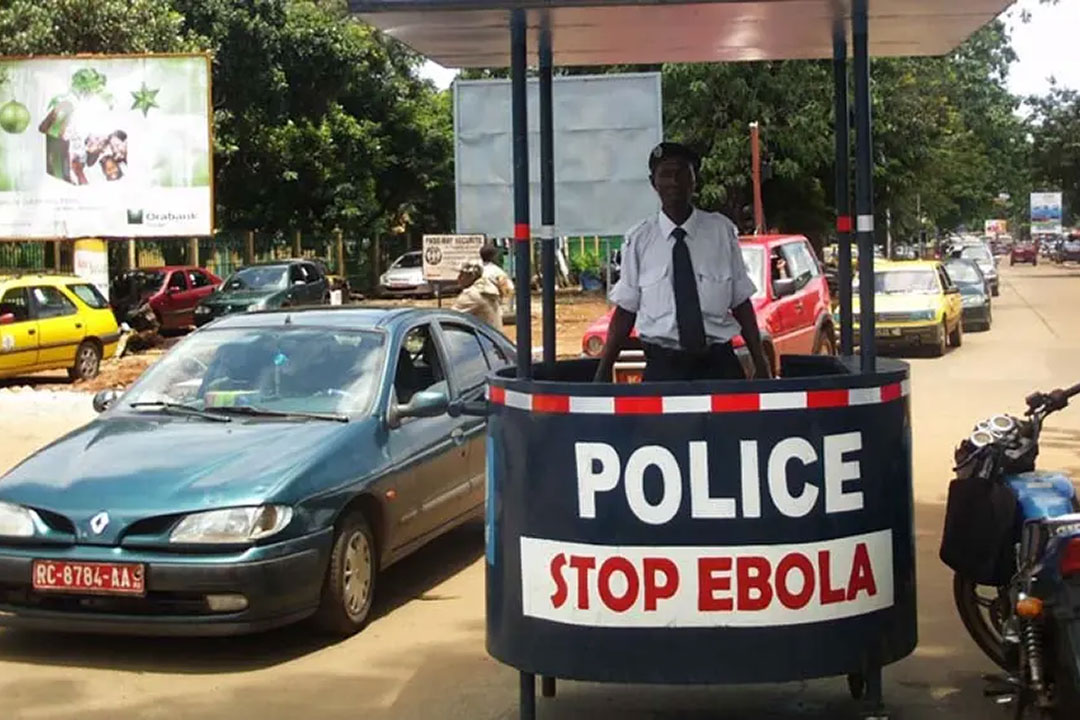
Since the World Health Organization declared the Ebola outbreak in the Democratic Republic of the Congo (DRC) and Uganda a Public Health Emergency of International Concern on 17 May, the disease has continued to spread rapidly.
The immediate threat is the rare Bundibugyo species of Ebola, which has no approved vaccine or treatment. But the deeper concern extends beyond the virus itself.
As of 27 May, the outbreak had escalated to more than 1,000 suspected cases and 246 suspected deaths in the DRC, while Uganda had confirmed seven cases and one death.
High levels of insecurity in eastern DRC are complicating containment efforts, while porous borders are converging to make prevention exceptionally difficult. Together, these factors are narrowing the window to prevent a wider regional crisis.
Yet the most urgent question is not whether this outbreak can be contained. It is whether we have invested enough in the systems that detect and stop outbreaks before they become emergencies.
Every index case of an infectious disease outbreak begins in a community, long before it reaches a hospital. Yet there is a critical vulnerability, where cases are typically identified five to seven days after symptoms appear, allowing the virus to spread undetected through households and markets before health systems are alerted. This delay is the difference between containment and catastrophe.
Community health systems, not hospitals, must be the frontline of our response.
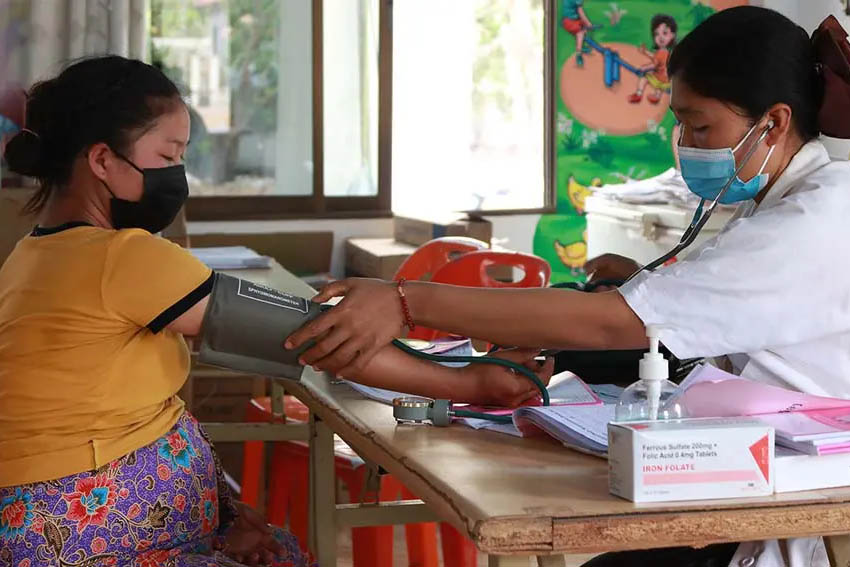
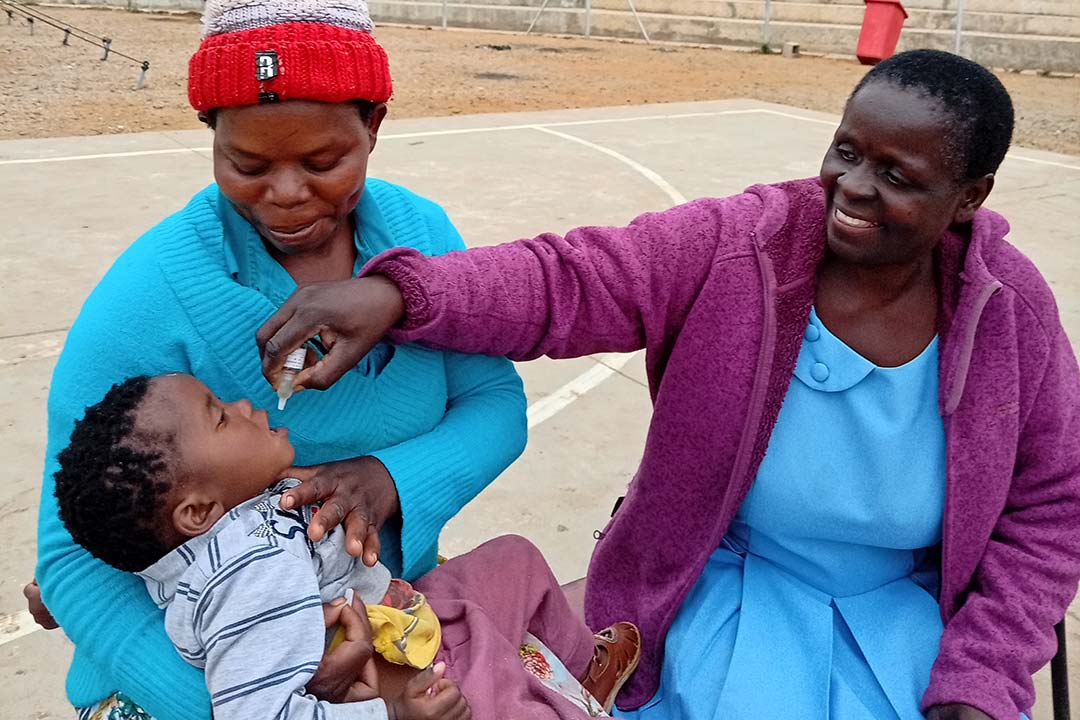
Community-based surveillance empowers communities to systematically detect and report unusual outbreak signals through active door-to-door monitoring, allowing health authorities to intervene before a localised event escalates into a regional or continental crisis.
In the context of Bundibugyo, where early supportive care remains the only lifesaving intervention available, reducing detection time from days to hours directly correlates with preserving human life.
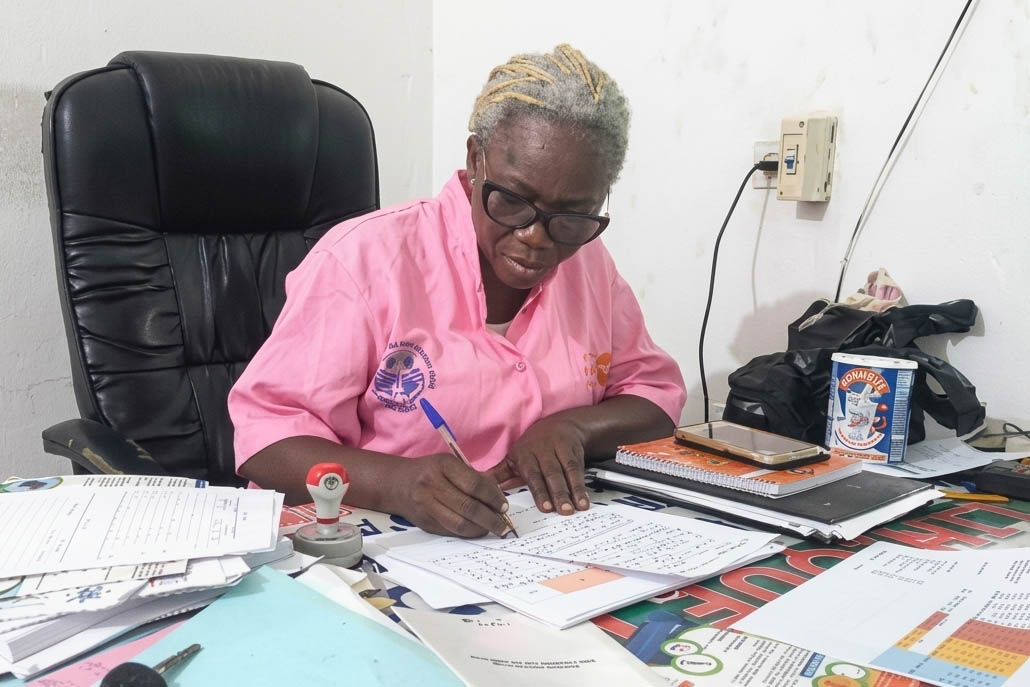
The effectiveness of community-driven surveillance is not theoretical. During the 2023 Marburg outbreak in Tanzania, a community health worker in Kagera region received a local alert about unexplained deaths. Her rapid reporting through established community health channels triggered a coordinated response that helped contain the outbreak within 78 days.
During the 2022 Uganda Ebola response, strengthened community health systems significantly reduced detection times from seven or more days to just 24 to 48 hours, accelerating case identification and containment efforts.
During the 2018–2020 Ebola outbreak in the DRC, community health systems achieved exceptional results: trained workers stayed engaged and reported daily with remarkable consistency. Of the thousands of community referrals made, nearly all were classified as legitimate alerts, were investigated by response teams, and resulted in patients arriving for care at isolation centres. After the community health system was strengthened, it became responsible for nearly three-quarters of all outbreak alerts.
This evidence demonstrates that when community health systems are empowered and trusted, they become the most effective early warning system available.
Diagnostic tests needed
However, community-based surveillance does not function in isolation. It requires institutional infrastructure, rapid diagnostic capacity, laboratory systems capable of delivering results within 24 to 48 hours, and cross-border coordination.
Though science has lagged, community-based surveillance benefits immensely from rapid point-of-care diagnostics because they shorten the time between suspicion and action, enabling earlier care and faster containment.
Whereas point-of-care rapid diagnostics for Ebola exist, they are not widely deployed largely because the economic incentives for manufacturers to research, develop, produce, and distribute these tests in resource-limited settings are weak.
The 2014-2015 outbreak demonstrated that even when rapid diagnostic tests became available, they didn’t substantially reduce diagnostic delays because confirmatory molecular testing remained the bottleneck.
Global institutions like the Foundation for Innovative New Diagnostics (FIND) should play a catalytic and coordinating role to accelerate equitable access to point-of-care rapid diagnostics to complement community-based disease surveillance if the world is to be safer from outbreaks.
In addition, risk communication must actively address misinformation and distrust, which are persistent barriers that prevent communities from reporting illness or seeking care.
When these systems are integrated and pre-positioned, trained health worker networks can move from alert to response within hours rather than days, interrupting transmission before outbreaks spread beyond control.
Yet even the most advanced tools remain ineffective if communities do not trust systems enough to report illness early or seek support.
Community-based surveillance
In the absence of approved vaccines or treatments for the Bundibugyo strain, community engagement in effect becomes our first ‘vaccine’, creating awareness, building trust, changing behaviours, and activating early warning systems that slow transmission before outbreaks escalate.
When communities are informed, empowered, and connected to diagnostics and response systems, they become our most powerful line of defence.
Community health systems are also among the most cost-effective investments in outbreak prevention and response. They represent the first and most essential investment because they leverage existing social networks and strengthen structures that communities already trust.
Countries across Africa have demonstrated that integrating community-based surveillance with rapid diagnostic capacity and coordinated response logistics creates a comprehensive early warning mechanism capable of detecting threats with unprecedented speed.
However, these systems collapse without the foundational element of trust. Communities must believe that reporting an illness will lead to support and care and protection, rather than stigma, isolation, or punitive action.
As the Bundibugyo outbreak threatens to expand across East Africa, the broader African continent, and potentially beyond, our response must be swift and community-centred.
Governments and international partners must immediately resource and scale community health systems across the region, ensuring that surveillance networks are strengthened, local health workers are trained and equipped, and these systems are fully integrated into national response frameworks. This includes establishing rapid diagnostic laboratories, pre-positioning response teams in high-risk border regions, and deploying active community surveillance protocols.
The first weeks of an outbreak are when prevention remains possible, and the cost of action is lowest. Once widespread community transmission takes hold, strategies shift from preventive to containment, and the human and economic costs rise sharply. Every day of delay increases the number of people exposed and makes outbreaks harder to control.
Years of responding to Ebola, Marburg, COVID-19, and other public health emergencies point to one conclusion: community health systems are not a luxury but a necessity. They are the frontline of defence against outbreaks that respect no borders. The time to strengthen and resource these systems is now.
More from SciDev.Net