
Fire-breathing dragon clouds: when the smoke in wildfires is more dangerous than flames
Wildfire smoke is one of the fastest-growing threats to human health and it’s ten times more toxic than regular air pollution; here’s how it’s affecting the health of the most vulnerable.
- 7 August 2026
- 6 min read
- by Priya Joi
At a glance
- Smoke rather than fire that causes most wildfire deaths: in 2024, there were 154,000 deaths from smoke vs. 221 fire-related deaths from fire in the last study in 2018, and the annual toll of people dying from smoke is roughly 1.5 million every year.
- Ultrafine particles in wildfire smoke (that can cross country borders) can pass into the bloodstream and reach the heart, brain, kidneys and placenta, which helps explain why the smoke appears far more toxic than everyday urban pollution.
- Children, pregnant women and people in lower income countries carry the heaviest burden – research in South-East Asia has connected wildfire smoke to pregnancy loss and lower birth weight.
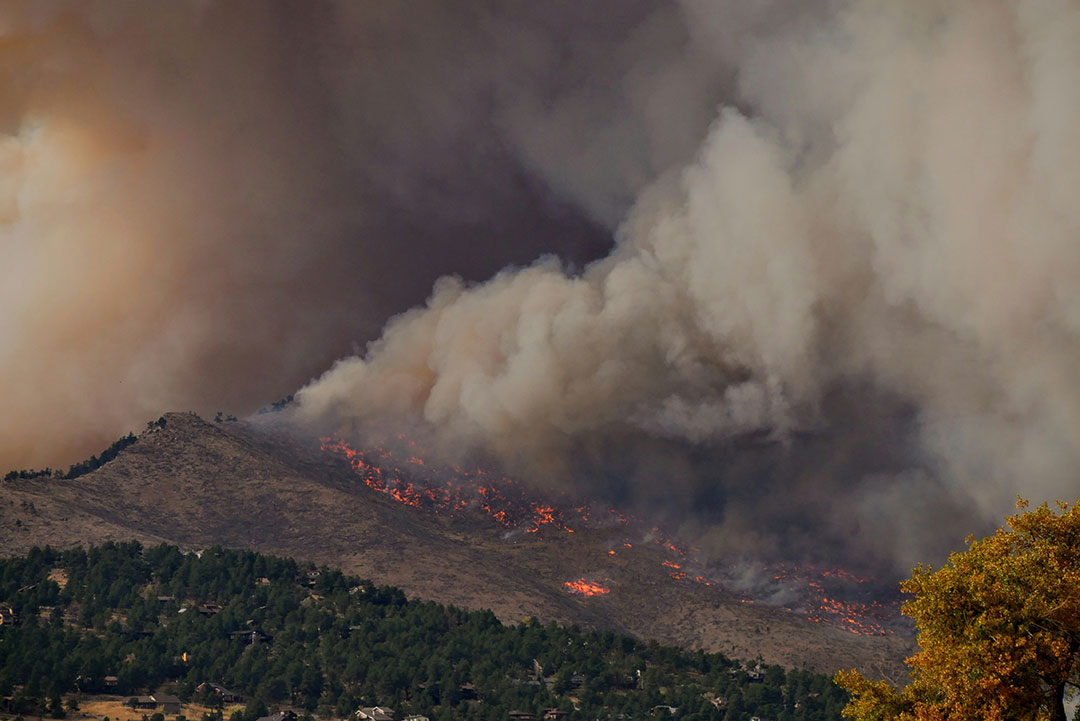
When a wildfire makes the news, it is the wall of flame that fills the screen, but the fire itself is rarely the biggest killer. Around the world, the death toll from burning forests is dwarfed by the death toll from breathing the smoke they cause.
In late July 2026, firefighters south of Bordeaux faced a first for France: a pyrocumulonimbus, the storm cloud NASA calls the “fire-breathing dragon of clouds”, which forms when a fire burns so fiercely it spawns its own lightning storm and drives the blaze faster and hotter. Until this year, such systems have primarily been seen in Australia and North America.
UNICEF warns wildfire particulate can be up to ten times more harmful to children’s lungs than ordinary pollution, and most dangerous to those under five: infants breathe faster and take in more air for their size.
In a Lancet study, in 2018, some 221 deaths were directly attributed to people being caught in the flames of wildfires. Wildfire smoke, by comparison, was linked to 154,000 deaths in 2024, according to the Lancet's climate report; this was a 36% rise from the 2003–2012 average.
In total, adding this to the toll from smoke from landscape fires (including agricultural and land-clearing burns that release the same pollutants), the annual toll of people dying from smoke is roughly 1.5 million every year.That makes wildfire smoke one of the fastest-growing and most borderless threats to human health.
As the World Health Organization warns, smoke can travel across regions, countries and even continents, so a fire in one country can become a public health emergency in another. And it falls unevenly, hardest on children, pregnant women, older people and those already ill, and on lower income countries with the fewest defences.
Ten times more toxic than regular air pollution
Wildfire smoke is not one thing. It is a shifting chemical soup that depends on what the fire consumes. A blaze moving through pine forest throws off particulate matter, carbon monoxide, nitrogen oxides and the organic compounds locked in wood. But when a fire reaches a town, it also burns cars, wiring, insulation, paint, plastics, electronics and the chemicals in them. Toxicologists have identified more than a thousand distinct compounds in wildfire smoke, including known carcinogens such as formaldehyde and benzene.
Fierce fires grind their pollutants into ultrafine particles, which are far smaller than the PM2.5 particles (particles less than 2.5 micrometers in diameter) that health authorities routinely monitor in air pollution. Because the pollutants in wildfire smoke are so small, these particles slip past the body’s defences like nose hairs and mucus that catch larger particles, travelling into the bloodstream and reaching the heart, kidneys and brain.
That may be why wildfire smoke appears to be more toxic than the everyday urban pollution billions already breathe. One Californian research team found respiratory hospitalisations rose far more sharply per unit of wildfire particulate than per equivalent amounts of traffic and industrial pollution. The researchers estimated the difference in toxicity at roughly tenfold that of standard air pollution.
Health effects of wildfire smoke
The best-documented harm is to the lungs. Harm to the lungs is a well-documented effect with wildfire smoke worsening asthma and chronic obstructive pulmonary disease (COPD). When smoke settles over a city, hospitals record more patients arriving coughing, wheezing and with shortness of breath. WHO notes that exposure can also bring on eye and throat irritation and headaches. For people with asthma, chronic lung disease or heart disease, inhaling smoke from a distant fire can be severe enough to require hospital admission and even emergency care.
Have you read?
Studies following tens of millions of older adults in the United States have found that sustained smoke exposure raises hospital admissions for heart failure, stroke and irregular heart rhythms, with one analysis calculating that wildfire particulate increased stroke risk almost twice as much as PM2.5 from other sources.
Newer research links smoke to effects once thought unrelated to air pollution, from poorer cognitive performance and a rise in mental health emergency visits to the first studies of a possible link to some cancers.
Heaviest toll on children in vulnerable countries
Like most health threats, this one is a fragility multiplier. The Lancet found that deaths from wildfire smoke are rising fastest in countries with the lowest levels of human development, meaning the same places least equipped with clean-air shelters, air filtration, timely warnings and health systems braced for repeated smoke seasons.
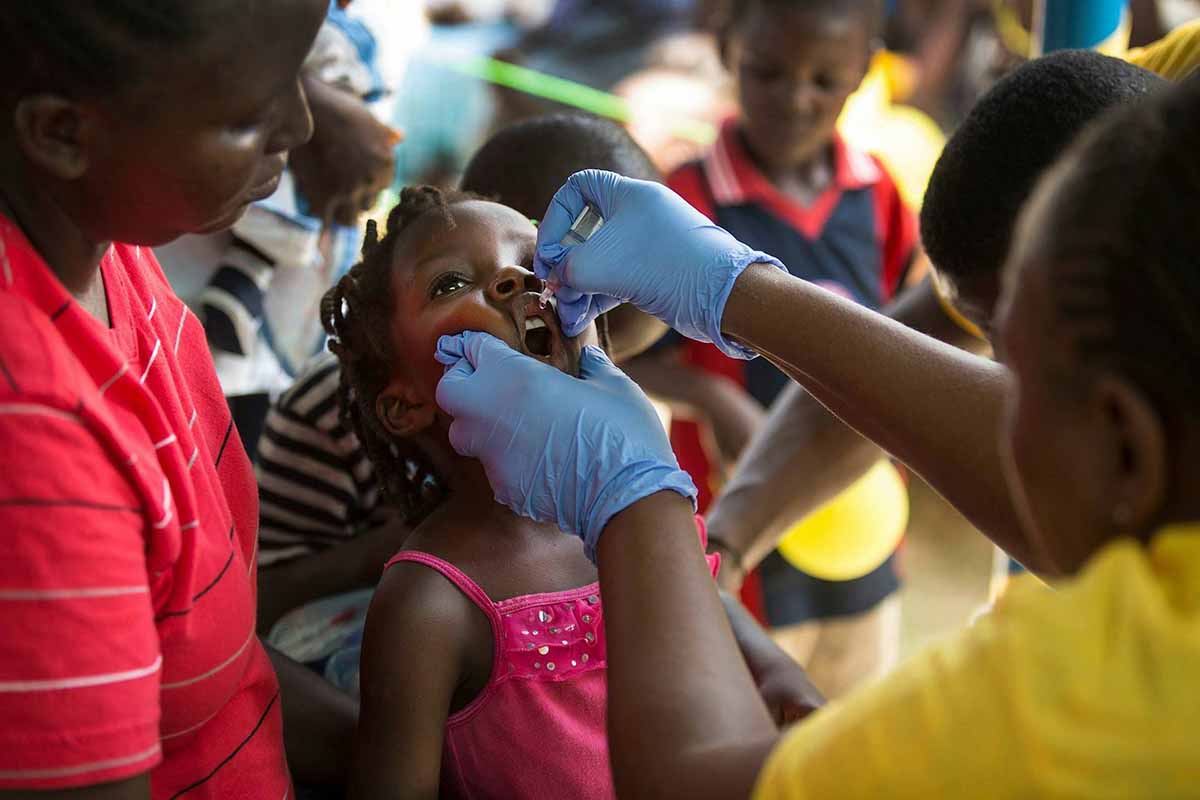
UNICEF warns wildfire particulate can be up to ten times more harmful to children’s lungs than ordinary pollution, and most dangerous to those under five: infants breathe faster and take in more air for their size.
And children in low-resourced countries are most at risk. A Lancet Planetary Health study of more than half a million children across 55 low- and middle-income countries found that every 1 µg/m³ (one microgram of pollutant per one cubic metre of air) rise in fire-sourced particulate raised the risk of a child dying by 2.3%, and estimated that Nigeria, the Democratic Republic of the Congo, India, Uganda and Indonesia together bear most of the world’s fire-smoke child deaths.
A separate study across 48 of these countries looked at acute respiratory infections in children under five, including pneumonia and bronchiolitis, which are among the biggest killers of young children in poorer countries. It found that when the air pollution came from fire smoke, children were more likely to fall ill than they were from the same amount of pollution from other sources.
Pregnancy is another acute vulnerability, and here too the strongest evidence comes from the hardest-hit regions. Because the finest particles can reach the placenta, smoke exposure has been tied to real harm before birth: research across South Asia has linked open-fire smoke to a higher risk of pregnancy loss, and a study of more than 200,000 births in low- and middle-income countries found that wildfire smoke lowered birthweight, itself a leading predictor of newborn death.
Much of this harm is avoidable. Cleaner indoor air, well-fitting masks, timely smoke warnings and health systems braced for repeated fire seasons can all blunt the damage, but these defences are thinnest in the countries that need them most. As fires become more common, closing that gap is becoming one of the tests of how the world adapts to a warming climate.