
Eswatini's health workers call medical delivery drone network "revolutionary"
The two-way service can drop vaccines and pick up diagnostic samples.
- 21 January 2026
- 5 min read
- by Zimkhitha Mbulawa
At a glance
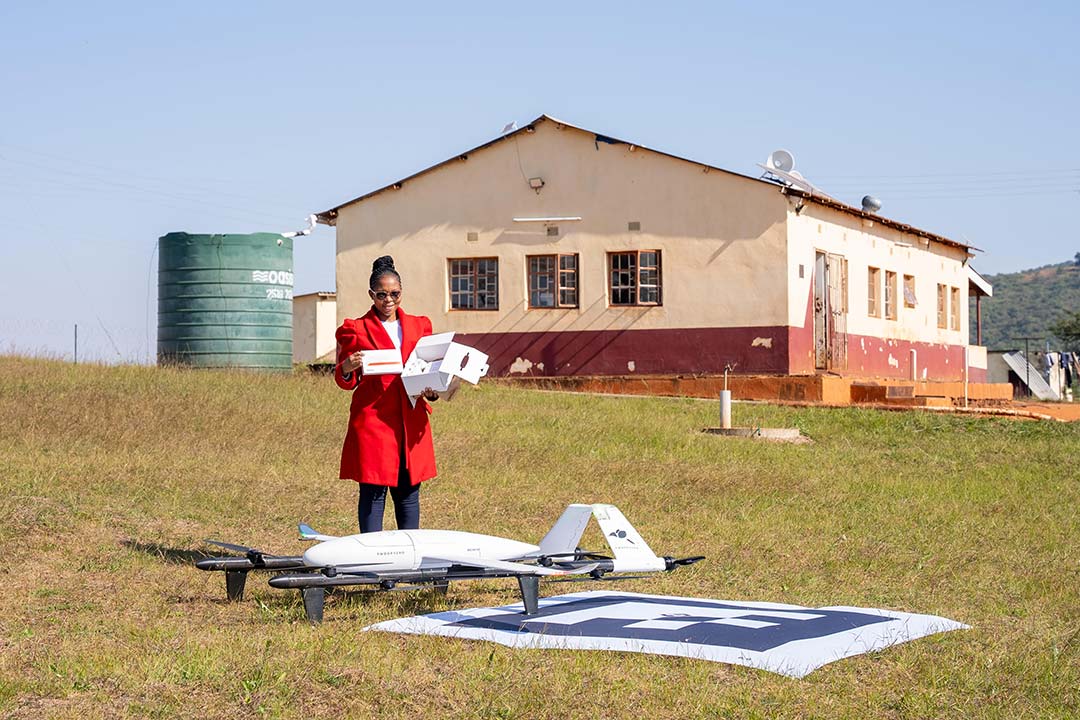
- Eswatini has joined the growing roster of African countries relying on medical drones for delivery of vaccines and other health commodities to their remotest communities.
- But the Nkwe Drone Network comes with an important difference. Rather than dropping their payload by parachute, Nkwe drones land – meaning they can pick up sensitive cargo, such as blood samples, at the last mile.
- Representatives of the organisation behind the Nkwe Drone Network say drone flights are typically six times faster than grounded medical transport, at a competitive cost.
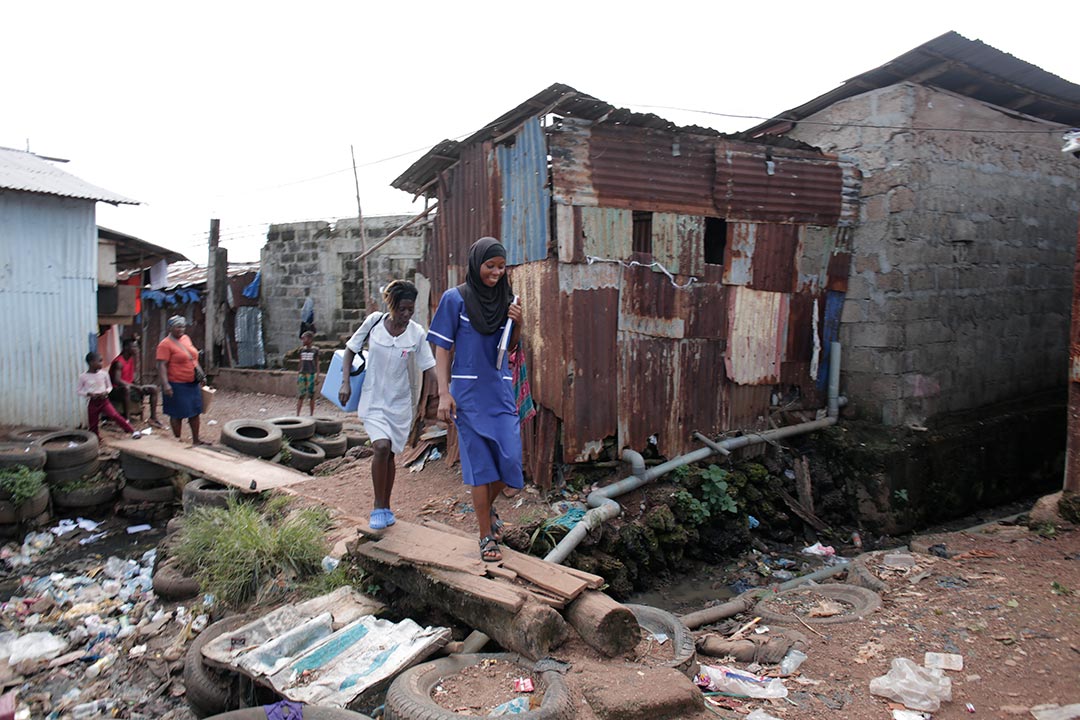
Eswatini’s remotest districts are not only under-served in terms of hospital infrastructure: the delivery of vaccines, meds, antivirals and emergency bloodwork samples is constrained too. During the annual flood-prone seasons, things get dire.
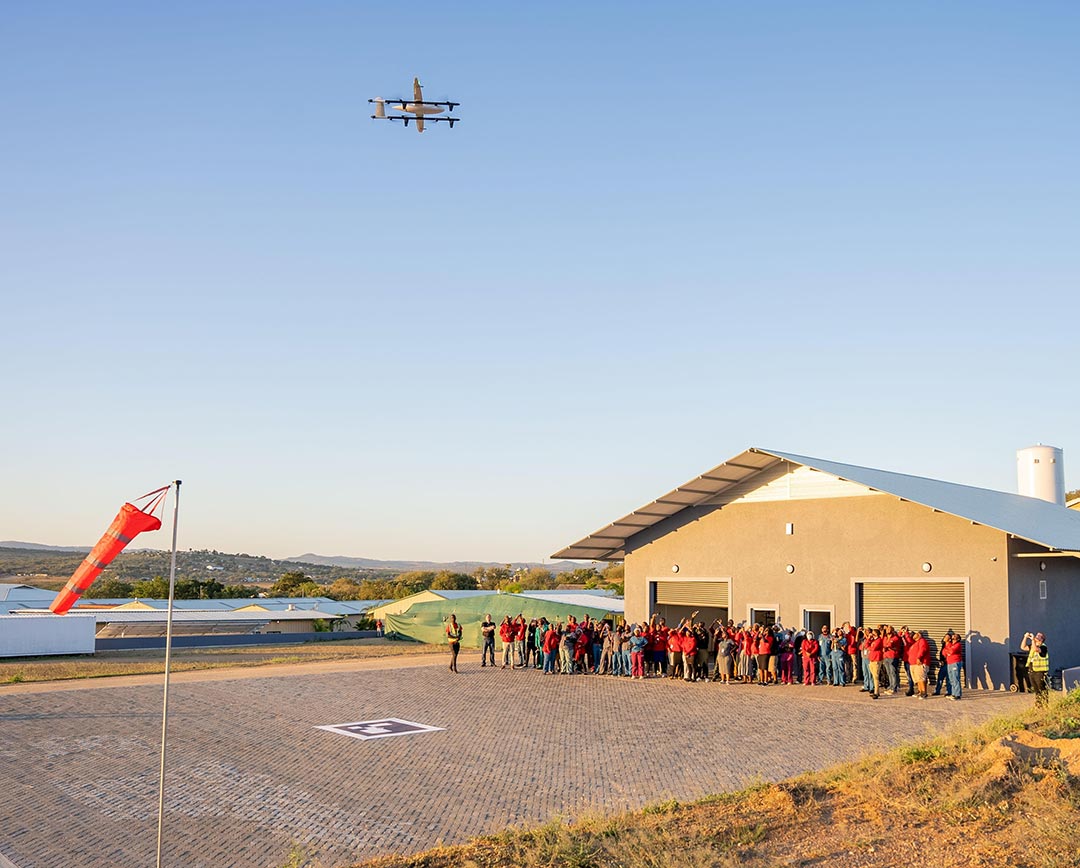
That’s where Nkwe Drone Network – the kingdom’s first authorised medical drone network, which did over 600 flights in just its first year – jumps in.
The name “Nkwe” means “sprint” in siSwati, and was conferred upon the unmanned fleet by the kingdom’s health minister, Mduduzi Matsebula, at the official launch ceremony in June 2024.
Credit: Nkwe
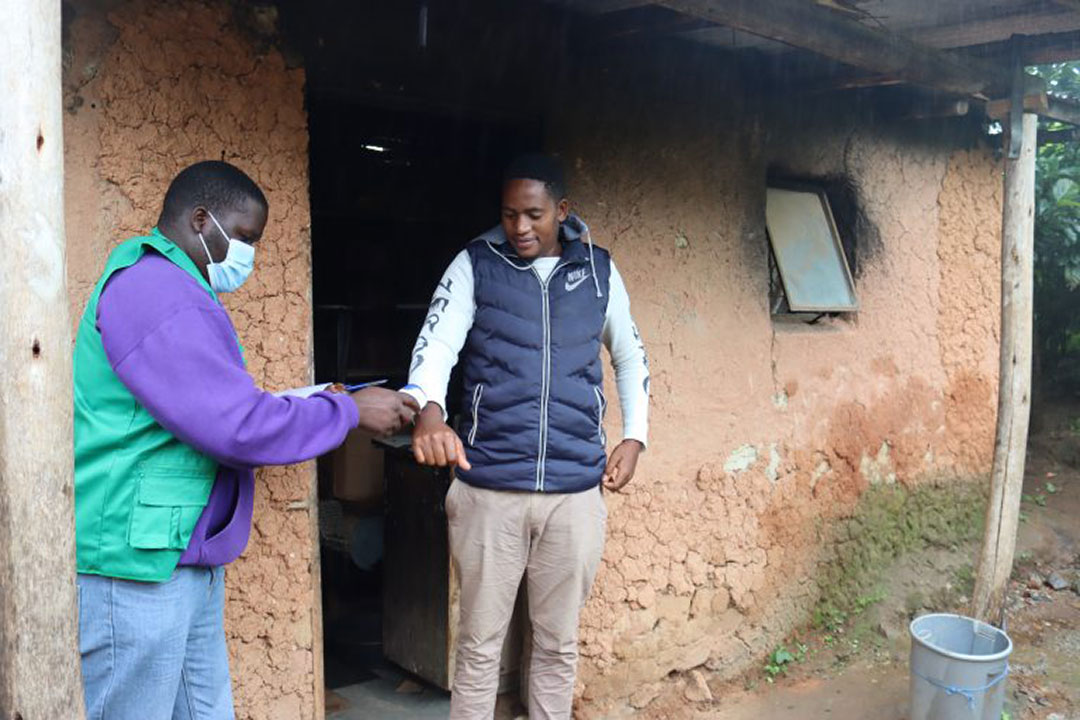
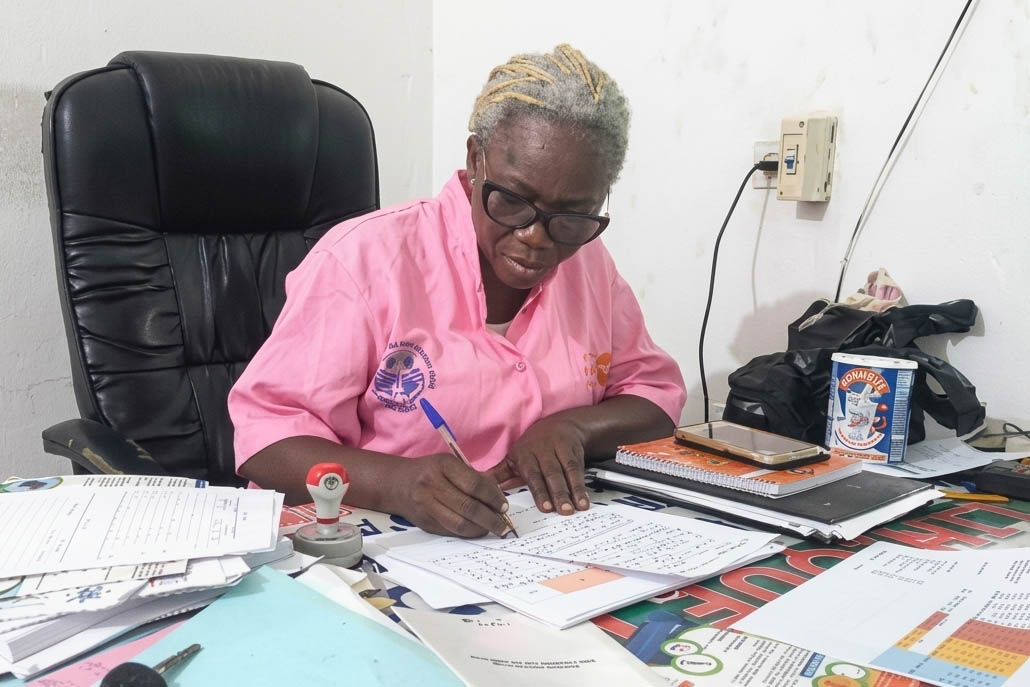
“[Using] drone deliveries instead of roads has really helped a lot of us as a clinic in the vaccination of kids, adults, treatments, HIV tests, urgent bloodwork,” said Lomalungelo Mavuso, a community health worker who has served at Ngculwini Nazarene Clinic since 2017. Ngculwini is a rural healthcare centre in the northwest of Eswatini.
“A drone brings us the meds, right to our patients’ doorsteps,” she explains.
Problem solver
The people behind the drone initiative are The Luke Commission (TLC), a US-founded non-profit healthcare organisation operating in Eswatini for the last 20 years, and providing everything from cataract surgeries to HIV care.
In Eswatini, moving medications quickly and bring urgent medical care to people living in remote locations is problematic, says Lindani Sifundza, the TLC’s communications chief.
According to a 2020 study published in Human Resources for Health, Eswatini is in the league of 57 countries facing a “critical” deficit of professional health workers, with just 1.4 midwives, nurses and physicians per 1,000 population.
The situation is bleaker in rural districts, which tend to have both higher burdens of infectious disease and harder-to-navigate geographies. Sifundza adds that delays extend to the moving of diagnostic samples between remote clinics and laboratories in a kingdom with a centralised hospital infrastructure. This affects patient outcomes.
Have you read?
“So, we looked at what we can do to solve this problem,” he says. Drone flights enable faster immunisation, quicker testing, treatment and fewer drug stockouts.
Nkwe’s long-range drone aircraft are manufactured by Kite Aero and can carry about four kilograms of medical payload, flying up to 200 kilometres on a single battery.
Health worker Mavuso says she has received vaccine consignments weighing 2.5 kg a mere nine minutes after sending a “simple, uncomplicated SMS” order.
At that range and speed, the entire 17,300 km2 kingdom is reliably serviceable, and deliveries are typically six times faster than road transport, says Sifundza.
Achieving optimal impact demands collaboration, he adds. The Nkwe network relies on coordination between Eswatini Civil Aviation, the Health Ministry (who is the custodian of all vaccines made publicly available in the country), the police and the Transport Ministry.
“We are flying meds, vaccines, blood samples 400 ft above ground. In a rush to help patients, we must be mindful of traffic like helicopters,” he explains.
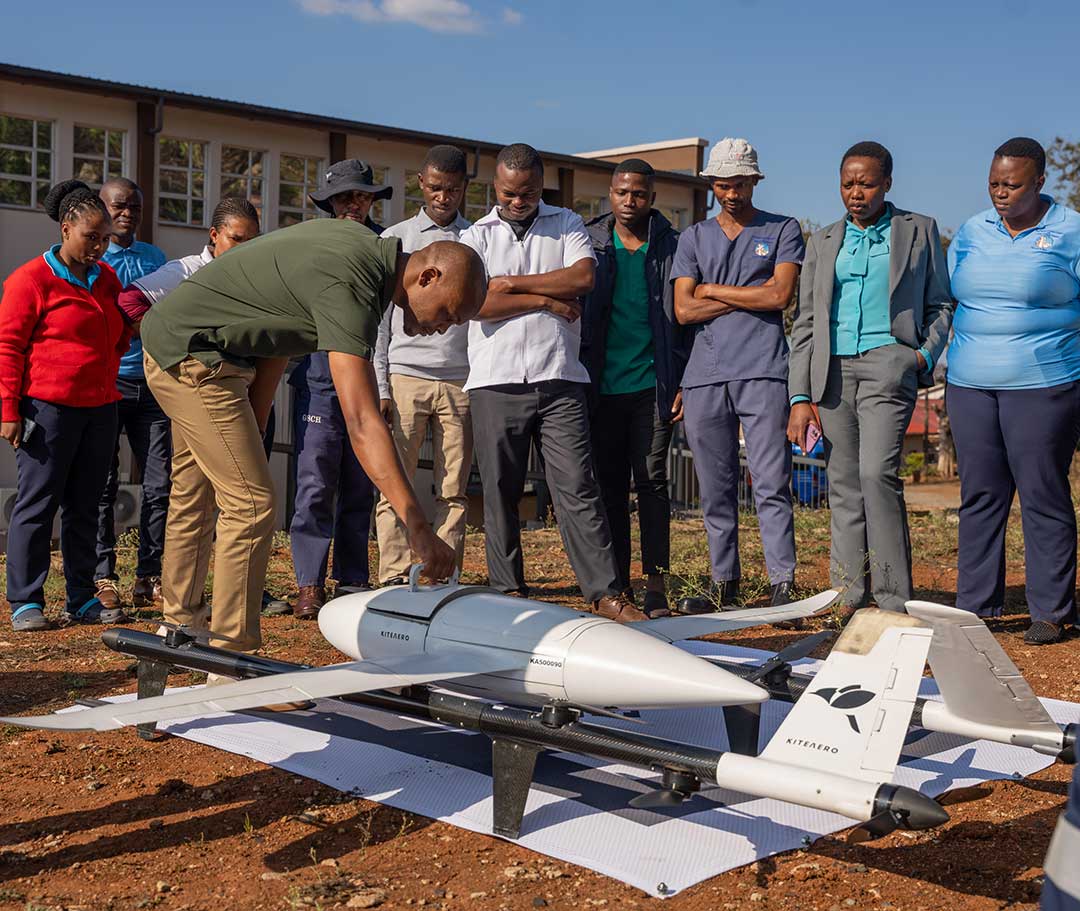
Whenever the Nkwe network onboards a new delivery site onto the network, a team from TLC go out to that site, and train clinic personnel on how to receive the drone, how to remove the goods out of the drone, and then how to launch the drone back to where it came from.
Day to day
A typical day-to-day scenario involves rural nurses like Mavuso sending in SMS requests for vaccines, medications or sample pickup – for example, when a measles outbreak is confirmed in their service area, when blood drawn from a patient needs to be analysed in under 24 hours, or when a diabetic patient is critically ill and out of emergency insulin. The request is then automatically displayed on Nkwe monitors, whose operation centre is embedded at a major hospital.
Nkwe drone pilots then initiate flights, tracking them on a digital database called Uvelo (“transparency”), minute by minute.
“It’s revolutionary,” says Mavuso of the drone flights. For those serving rural health centres like her, a car only comes once a week to carry blood samples, vaccines or other critical supplies.
Drone-based healthcare services have mushroomed around Africa in recent times – from Malawi to Rwanda – carrying vaccines and other medical supplies. Something makes the Nkwe network unique, however, Sifundza told VaccinesWork. While most of the drone networks on the continent are delivery-only – frequently dropping their parachuted payload before boomeranging back to base – the Nkwe network also lands at remote sites to pick up medical commodities. “That’s one of the big differences. We are a two-way supply chain,” he adds.
There is now “a lot of demand” from people coming from nearby African countries to learn about the Nkwe drone initiative, wanting to replicate the success in their home countries, he says. “We have a group of pilots that pass in the top 1% of their classes in South Africa, and that's just like kind of the tip of the iceberg (of our success),” he says.
Credit: Nkwe
Sustainable?
The sustainability of flying around emergency vaccines, meds, bloodwork by drones in urban areas remains an important question. But for remote rural health centres, the benefits are unquestionable, he says – and the cost per flight compares well with alternatives.
Sifundza says an average motorbike delivery from a health centre to a remote location on the continent costs about US$ 40–120. An offroad 4x4 vehicle costs US$ 150–300. Helicopters are expensive, costing upwards of US$ 1,000.
“So, drones enable that kind of helicopter-like speed to facilities on a routine basis at a much, much lower cost,” Sifundza says.
He also claims it’s safer. Getting something like measles or emergency rotavirus vaccines to very remote locations by road in Africa is not only labour-intensive, but also leaves the security of the cargo unassured.
Matsebula agrees. “The Nkwe Drone Network helps Eswatini remove the traditional barriers in terms of healthcare. As more drone technologies evolve in the age of AI, the kingdom is already set to benefit,” he said at the public launch of the drone network last year.