
India, home to 25% of the world’s cervical cancer deaths, launches nationwide HPV vaccination
The roll-out will have impact at not just national, but global scale, experts say.
- 13 March 2026
- 6 min read
- by T V Padma
At a glance
- India has launched its first nationwide human papillomavirus (HPV) immunisation campaign, rolling out the cervical cancer-blocking vaccine free of charge to some 11.5 million adolescent girls this year.
- Experts project that this initiative will have a global-scale impact on the burden of disease. India is currently home to one fifth of the world’s cervical cancer patients, and one in four of the women worldwide who die of the disease each year.
- The vaccine’s acceptability has proved challenging during limited roll-outs in the past, but with doctors on side, indications are that uptake is likely to gather momentum.
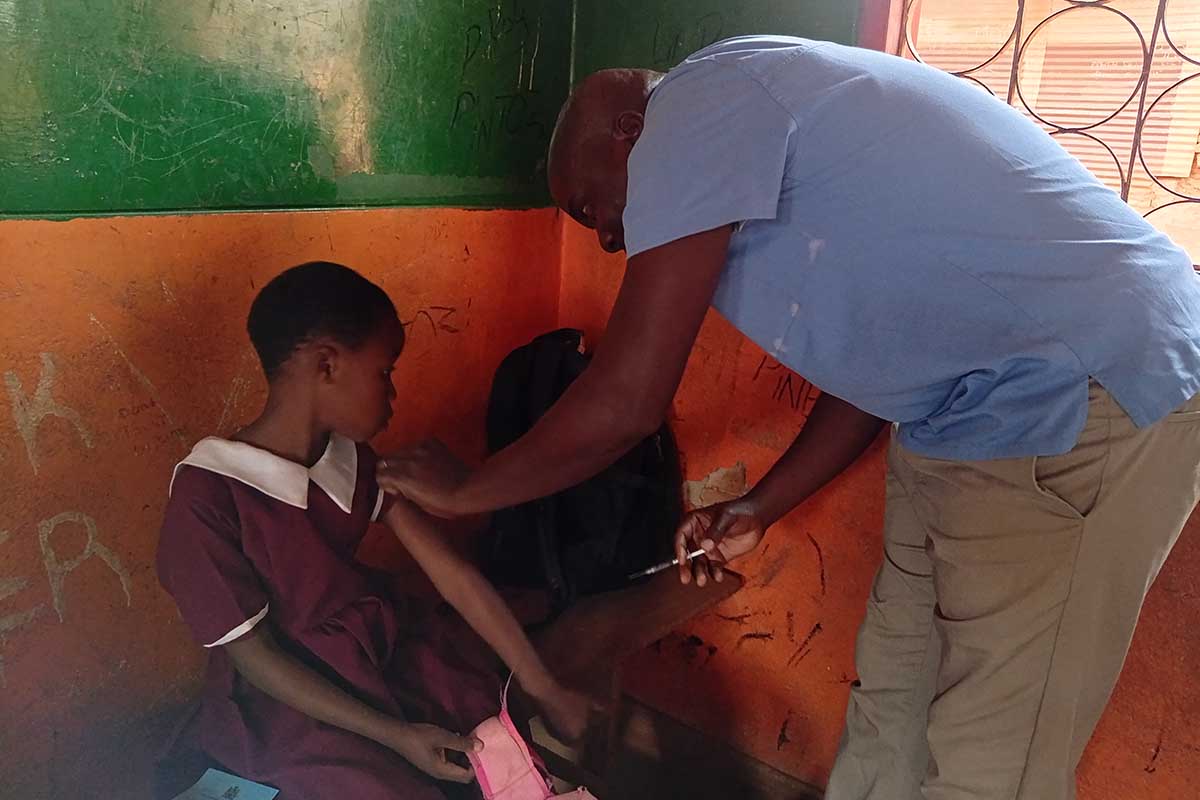
India has launched a nationwide campaign to vaccinate young girls against the human papillomavirus (HPV), an infection that causes cervical cancer: the second most common cancer among women in the country.
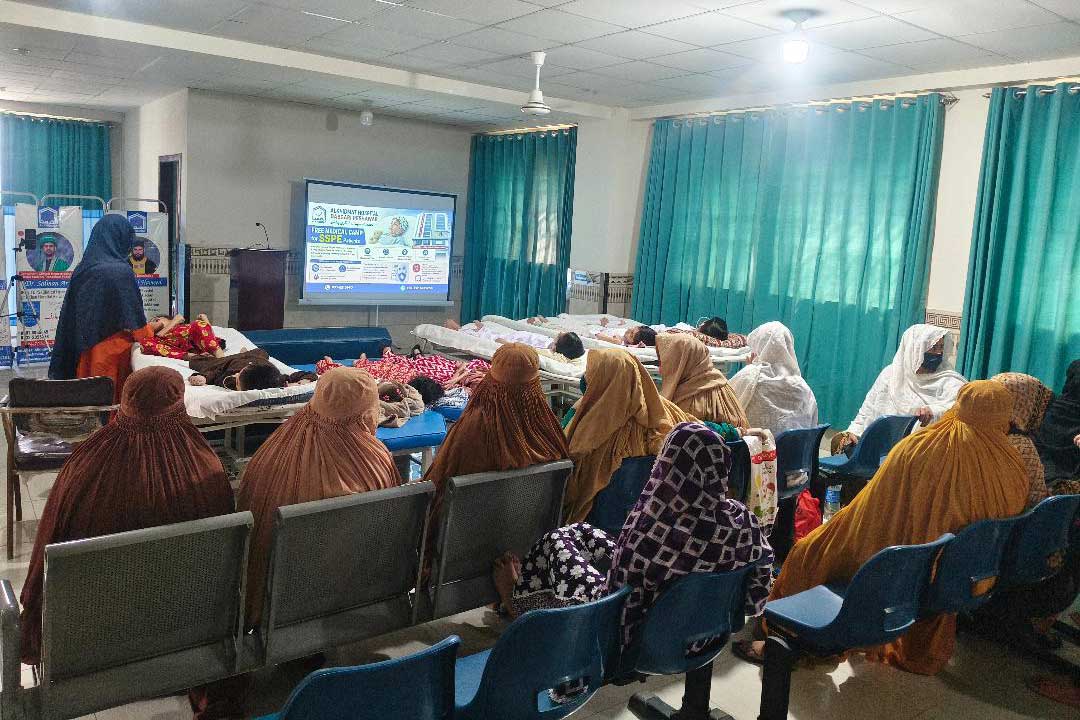
The campaign was kicked off on 28 February by India’s prime minister Narendra Modi at Ajmer city in the western state of Rajasthan. Following the national launch, India’s states and union territories conducted their own HPV vaccination launch events. Vaccines will be available free-of-cost at government facilities to approximately 11.5 million girls aged 14 years across India.
One quarter of the world’s cervical cancer deaths
India reports over 120,000 new cases and nearly 80,000 fatalities – the highest death-toll worldwide – from cervical cancer each year, according to the World Health Organization GLOBOCAN report of 2022.
In fact, India accounts for nearly 25% of the world’s annual count of cervical cancer fatalities. A new case is diagnosed every four minutes, and another woman dies approximately every seven minutes.
Persistent infection with high-risk HPV types, particularly types 16 and 18, has been confirmed as the primary cause of cervical cancer. A single dose of the vaccine now being deployed, meanwhile, has been shown to be protective for life.
A long time coming
HPV vaccination was first introduced in India in 2008, but “national coverage has been hindered by safety concerns, misinformation, sociocultural resistance and logistical barriers,” according to researchers from the Post Graduate Institute of Medical Education and Research (PGMIR) Chandigarh and Post Graduate Institute of Medical Sciences and Research, Kolkata.
It was introduced in geographically limited immunisation programmes in Punjab and Sikkim states in 2016 by the respective state governments. The current campaign signals the vaccine’s first inclusion in the country’s universal immunisation programme until now.
Have you read?
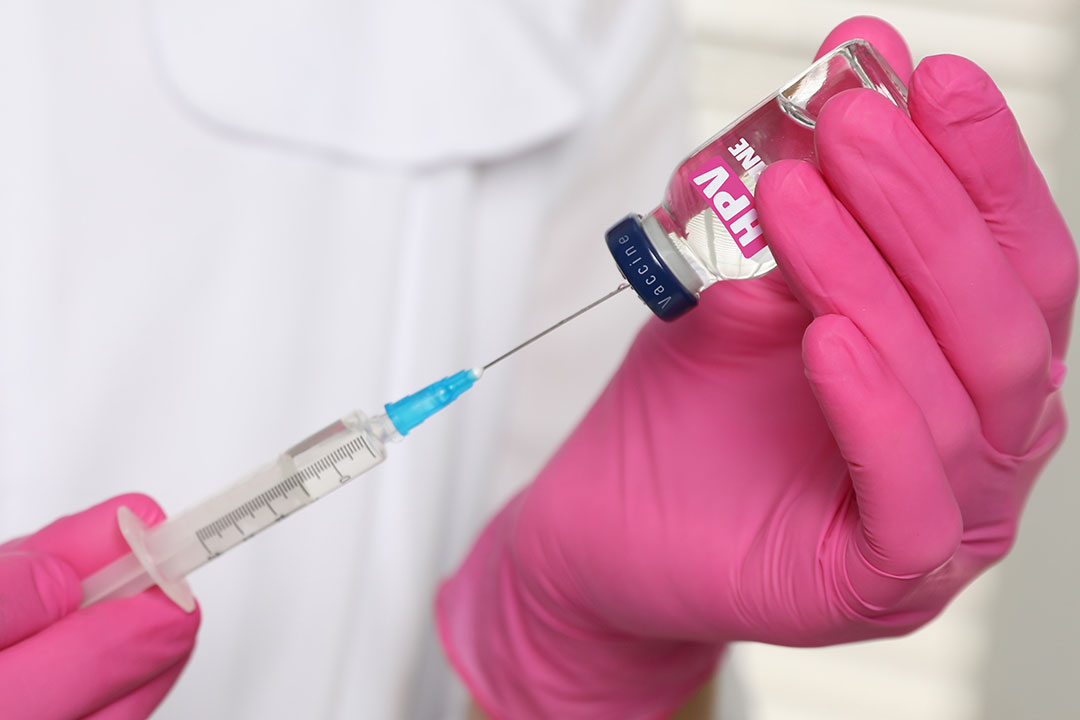
India’s national programme is using a single dose of Gardasil, a quadrivalent HPV vaccine that protects against HPV types 16 and 18, as well as types 6 and 11. Gardasil is one of six WHO-prequalified HPV vaccines on the market, and one of two quadrivalent vaccines on that list.
India’s Serum Institute of India has also developed a quadrivalent vaccine called Cervavac that was found to be non-inferior to available vaccines when administered in two doses, and is currently seeking WHO prequalification. The Indian Council of Medical Research launched a study in November 2024 among 500 girls aged 9–14 to assess single-dose responses.
“A profound impact, nationally and globally”
“India’s introduction of the HPV vaccine and its plan to vaccinate more than 10 million girls each year will have a profound impact not only nationally but also globally,” Partha Basu, Head, Early Detection, Prevention & Infections Branch at the International Agency for Research on Cancer, told VaccinesWork.
“Nearly one fifth of all cervical cancer cases worldwide occur in India, so large-scale vaccination in the country has the potential to substantially reduce the global burden of the disease,” says Basu.
Currently, approximately one in every 50 girls born in India is expected to develop cervical cancer during her lifetime, and widespread vaccination is likely to reduce this risk significantly, he adds.
The HPV vaccine is highly effective, and its impact has already been demonstrated in countries that introduced the vaccine as long as 15 years ago, where substantial reductions in HPV infections, cervical precancers and cervical cancer have been observed. One million deaths from cervical cancer have been shown to have been prevented in lower-income countries since 2014. And while millions of doses have been administered worldwide, extensive post-licensure surveillance has consistently confirmed the strong safety profile of the vaccine.
Large-scale vaccination, along with screening of the eligible population, will contribute towards a significant decrease in future disease incidence and deaths, says Jyoti Vajpayee, senior obstetrician and gynaecologist who is a board member with Population Services International, India and has worked extensively on HPV in India’s Uttar Pradesh state.
Vaccination on a national scale will not only address the country’s high disease burden, but also have herd immunity benefits, Vajpayee says.
The vaccine is protective against HPV types 16 and 18 which cause approximately 70% of cervical cancers in India, and HPV 6 and 11 which cause genital warts. Reducing the burden of those viruses will also precipitate a reduction in rates of other HPV-related cancers, she adds. Beyond being directly important for womens’ health, it will also bring about huge savings on treatment costs.
“The impact is going to be significant as by the end of the year itself we will have one sixth of the eligible cohort vaccinated,” says Vajpayee.
Before the campaign went national, India’s total HPV vaccine sales in 2025 touched up to US$ 10 million (950 million rupees) in the private sector, she adds.
Prevention to the fore
Vajpayee calls the ongoing campaign the transition point between a public health strategy characterised by late-stage cancer treatment, to one based principally on prevention.
The national initiative will also provide equal rights of access to the vaccine regardless of socioeconomic background, and thus help in reducing the existing class-based disparities in cancer prevention, Vajpayee notes.
Looking ahead, she sounds a note of qualified confidence: “If we are able to continue the vaccination of the girls and simultaneously screen the eligible women between the age group of 30–65 years, we can significantly reduce the incidence of the disease,” she says. The campaign will again run next year, to cover the cohort ageing into eligibility.
But the spectre of misinformation remains a point of vulnerability for the campaign. India’s programme ensures consent of the parent, which may help in overcoming both vaccine hesitancy and breaking the stigma of a sexually-linked disease, says Vajpayee. “We also need to have mechanisms in place to address the queries and concerns of parents, and bust the myth around vaccination.”
The vaccine is well-accepted among doctors, and in communities, “slowly the acceptance is increasing, though some social stigma, myths and awareness gaps exist,” says Vajpayee.
In managing that risk, India will be able to learn from other countries’ experiences. Globally 160 out of 194 countries have introduced HPV vaccine under their National Immunisation Programmes. Ninety countries have adopted a single-dose schedule, including the majority of Southeast Asian countries. Eighty countries are using Gardasil-4 vaccine in their National Immunisation Programme. Out of these, 61 countries are implementing a single-dose schedule of Gardasil-4.
More from T V Padma