
5,000-year-old bacteria could lead to new antibiotics against superbugs
Ancient bacteria discovered in a Transylvanian ice cave are resistant to modern antibiotics, but contain unique enzymes and microbial compounds that could lead to drug development.
- 13 March 2026
- 3 min read
- by Priya Joi
At a glance
- Scientists have found 5,000-year old bacteria in an ancient ice cave that is resistant to several modern antibiotics.
- The microbes also contain compounds that could help make new antibiotics against drug-resistant “superbugs”
- Extreme environments such as caves and permafrost could be an untapped source of antimicrobial molecules for future medicines
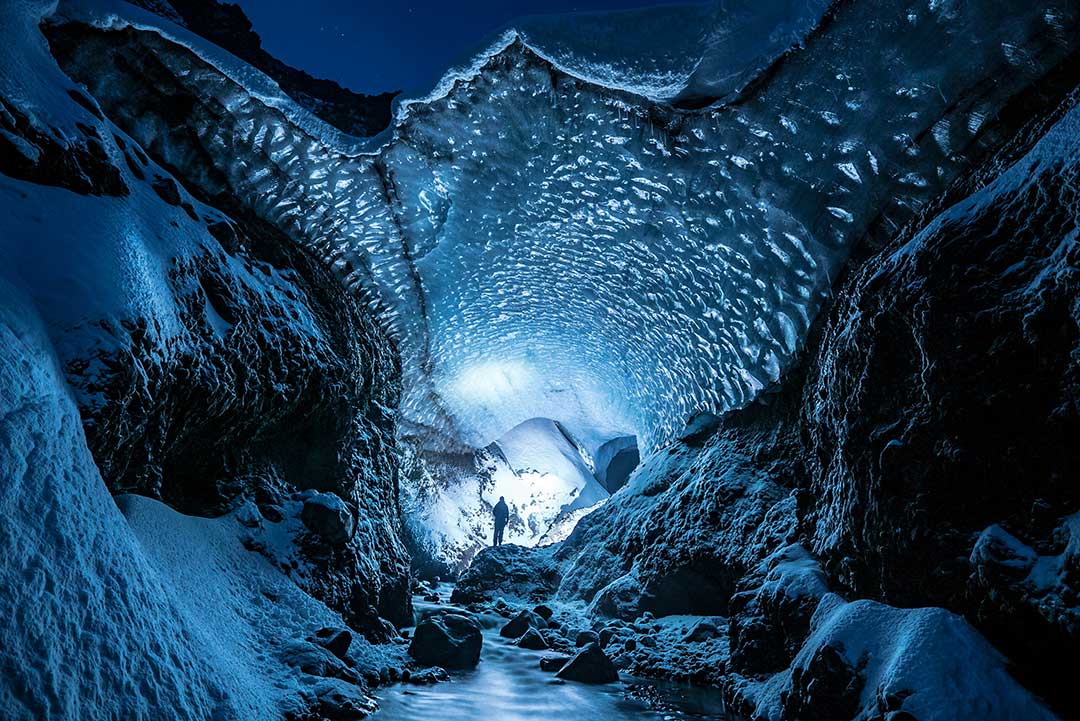
Deep below the fairytale-like forests on the Apuseni mountains of Transylvania, Romania, lies a 13,000-year-old ice cave the size of seven football fields that acts as a deep freezer preserving ancient microbes.
Scientists have now discovered that some of the bacteria dating back to 5,000 years ago, thawed from this mammoth slab of ice, are resistant to at least ten modern antibiotics, such as those used to treat tuberculosis and urinary tract infections.
But the bacteria also contain unique enzymes and antimicrobial compounds that could help make new antibiotics, say the study authors, publishing in Frontiers in Microbiology.
This could aid the fight against antimicrobial-resistant superbugs that are already threatening millions of lives. The World Health Organization’s 2025 global resistance report revealed that by 2023, one in six common bacterial infections were already untreatable.
A Lancet study estimated that resistant superbugs could kill 39 million people by 2050.
Drilling down
Bacteria can live in extreme temperatures, from boiling-hot temperatures of 100°C to subzero temperatures. The Psychrobacter species found in the Romanian study has also been found in Antarctic sea ice and permafrost.
Cristina Purcarea at the department of microbiology at the Institute of Biology Bucharest and colleagues drilled a 25-metre cylindrical core from an area of the cave known as the Great Hall.
Back at the lab, the researchers isolated various bacterial strains and sequenced their genomes to analyse which genes would allow them to resist 28 common antibiotics they were tested against.
Have you read?
They found that Psychrobacter SC65A.3 was resistant to ten antibiotics including rifampicin (used to treat tuberculosis), ciprofloxacin (pneumonia, urinary tract infections), and vancomycin (MRSA and endocarditis).
Microbes have been exchanging genetic material for thousands of years and through the process of evolution they face selective pressures that favour survival.
As a result, genes that confer resistance to environmental threats, including potential antimicrobial agents, have historically been more likely to persist and proliferate. This explains how 5,000-year-old bacteria that had never been exposed to modern antibiotics could be resistant to them.
Buried treasure
The researchers found nearly 600 genes in the Psychrobacter genome with unknown functions, and at least 11 genes that could kill or stop the growth of other bacteria, fungi and viruses.
One explanation, according to the researchers, might be that bacterial strains capable of surviving extremely cold environments have adaptations such as thicker cell walls that help them resist antibiotics.
Global warming could mean that microbes like this are released into the environment, say the researchers. “If melting ice releases these microbes, these genes could spread to modern bacteria, adding to the global challenge of antibiotic resistance,” Purcarea said.
Nevertheless, the bacteria carry enormous promise, says Purcarea. “They produce unique enzymes and antimicrobial compounds that could inspire new antibiotics, industrial enzymes and other biotechnological innovations.”
“These ancient bacteria are essential for science and medicine,” she concludes.