
The Ethiopian doctor bringing medical services to the frontier of health inequality
Dr Lisanwork Honsebo has spent his career figuring out how to stretch scant to meet a gaping need.
- 28 January 2026
- 6 min read
- by James Karuga
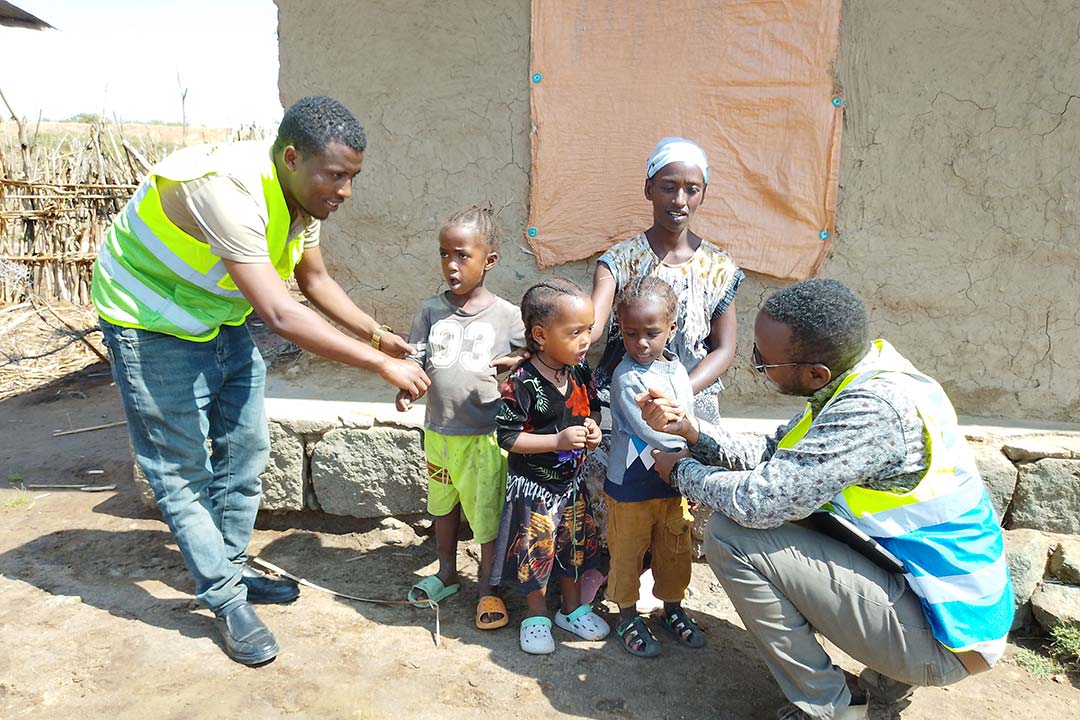
In rugged, drought-prone, flood-prone and dominantly poor rural Abela Abaya district in Ethiopia, Lisanwork Honsebo stands out. Children cheerfully shout “doctor” at him as he rides his motorcycle through towns and villages. When he stops off, locals approach him, wishing to confer blessings upon him.
But before he qualified as a physician and became a local rarity, he was just a local kid with a big hill to climb.
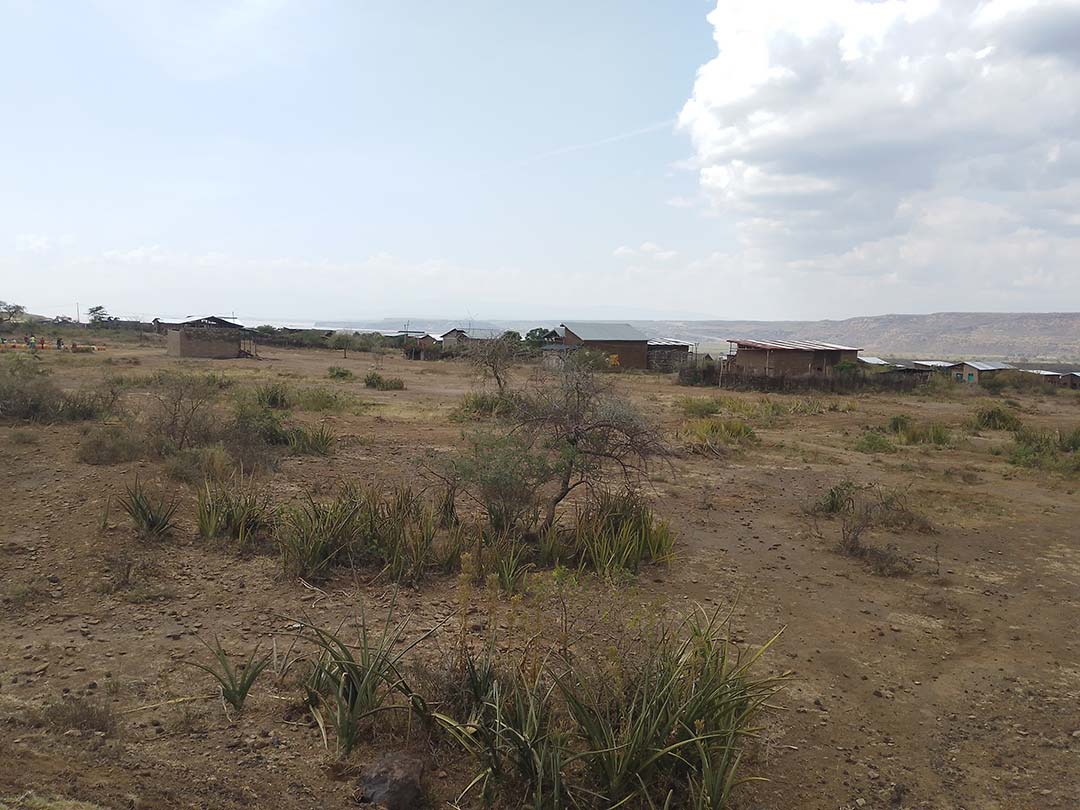
When he was a seven-month-old infant, his father died after failing to access healthcare services. His mother was left to raise ten children in poverty. When Honsebo was in high school, he feared he would be orphaned after his diabetic mother broke her leg, as they struggled to take her to the nearest hospital.
Credit: James Karuga
The fear and pain of his early years seared a purpose in him. He graduated from Hawassa University as a medical doctor, and set up a clinic in Abela Abaya, becoming the only doctor serving 50,000 people.
He later closed it, realising the people were paying for medical services despite their poverty, which reminded him of his plight growing up.

Credit: READIO Ethiopia
In 2020, he founded Remote Care Empowerment and Development Initiative Organization (READIO), a non-profit organisation funded by well-wishers that provides free healthcare services to remote, under-served and crisis-affected communities in Ethiopia.
To date, READIO has conducted 15 medical missions around Ethiopia and reached 63,626 people in remote communities, and built five houses for landslide victims.
Crack-team of volunteers
Because READIO is supported by over 100 volunteer specialists, including paediatricians, epidemiologists, surgeons, engineers, maternal child and reproductive health specialists, nutritionists and counsellors, it can offer a fairly holistic approach during its missions.
_and_Tamirat_Beyene_far_right-Photo_by_James_Karuga_h2.jpg)
Credit: James Karuga
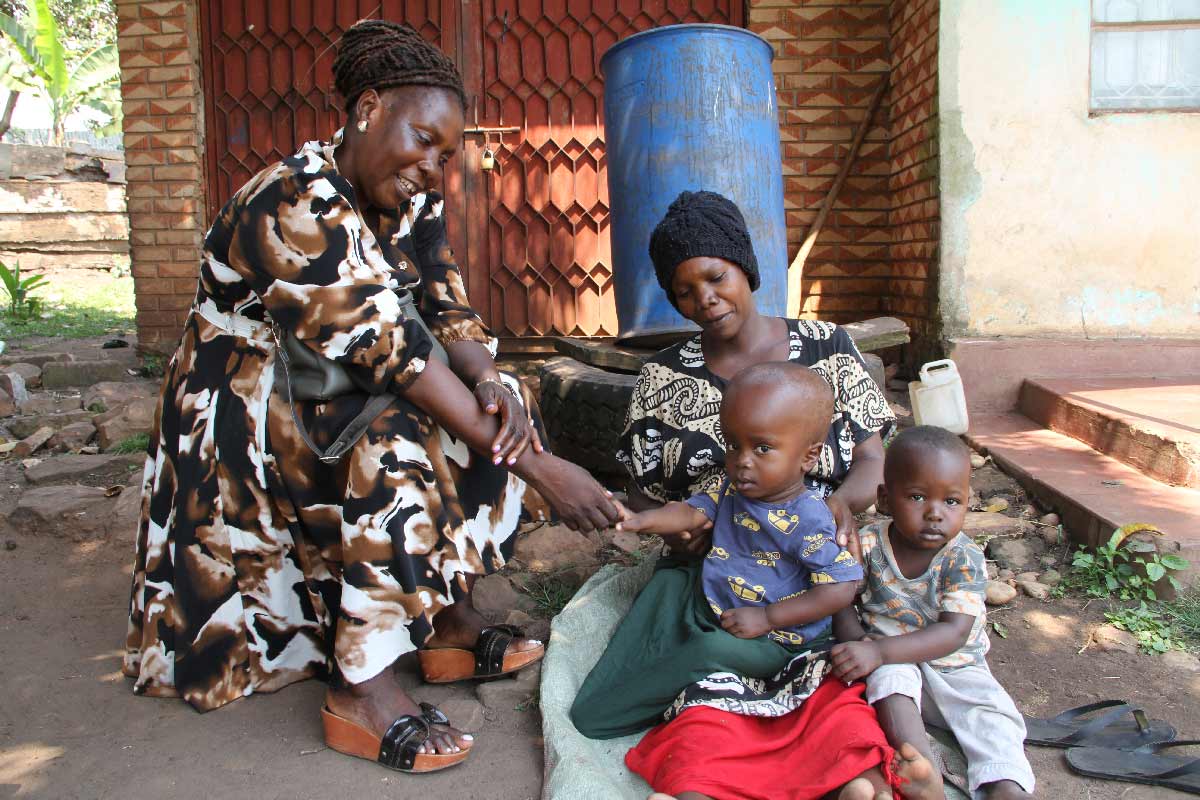
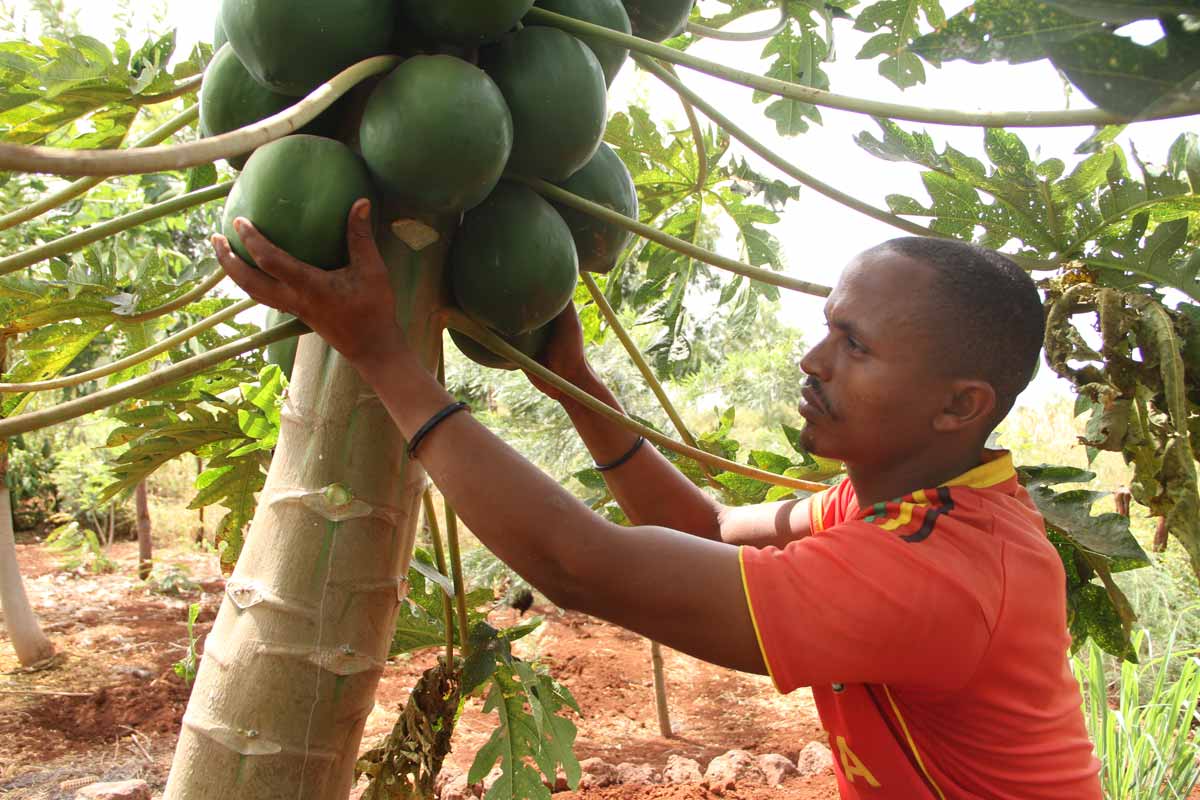
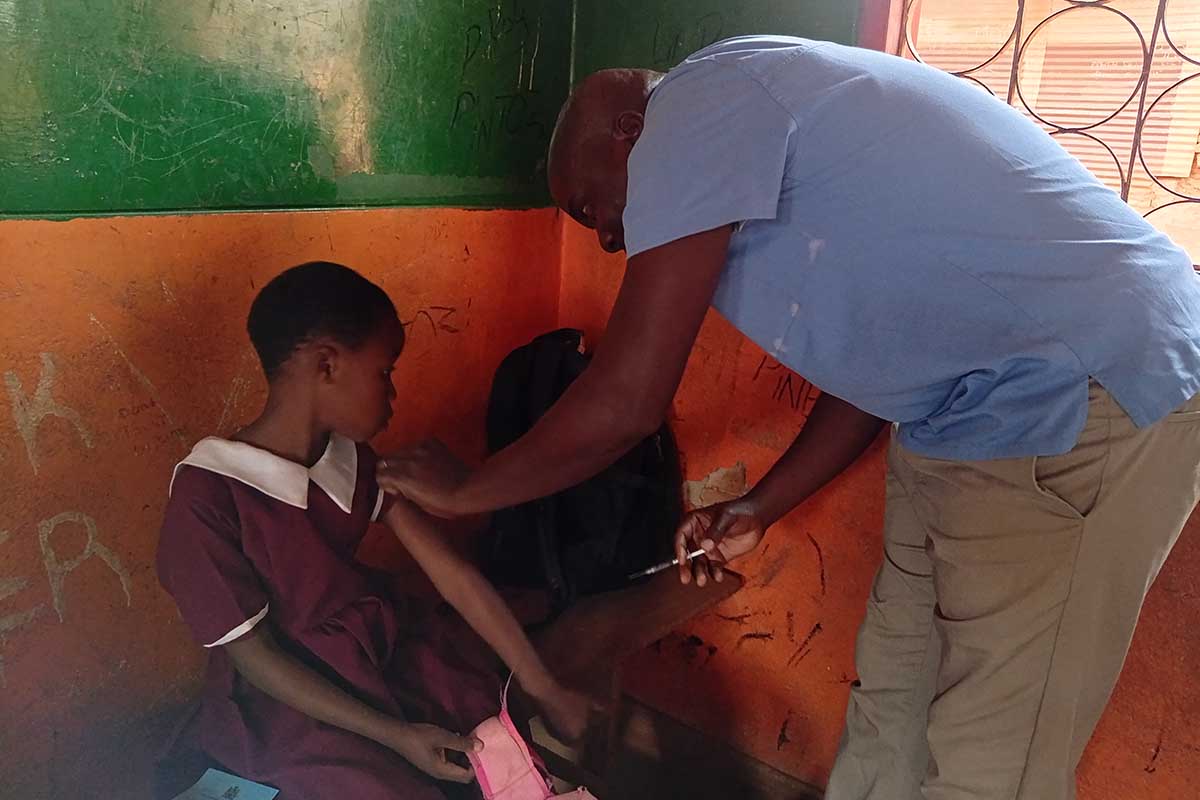
“We treat a malnourished child with therapeutic feeding. As they gain weight and their health improves, we counsel the mother on nutritious foods like fruits they can plant in their backyard to prevent malnutrition. We ensure the children are immunised against vaccine-preventable diseases, they get admitted to school, and the home has clean water,” said Dr Honsebo, describing a typical READIO intervention.
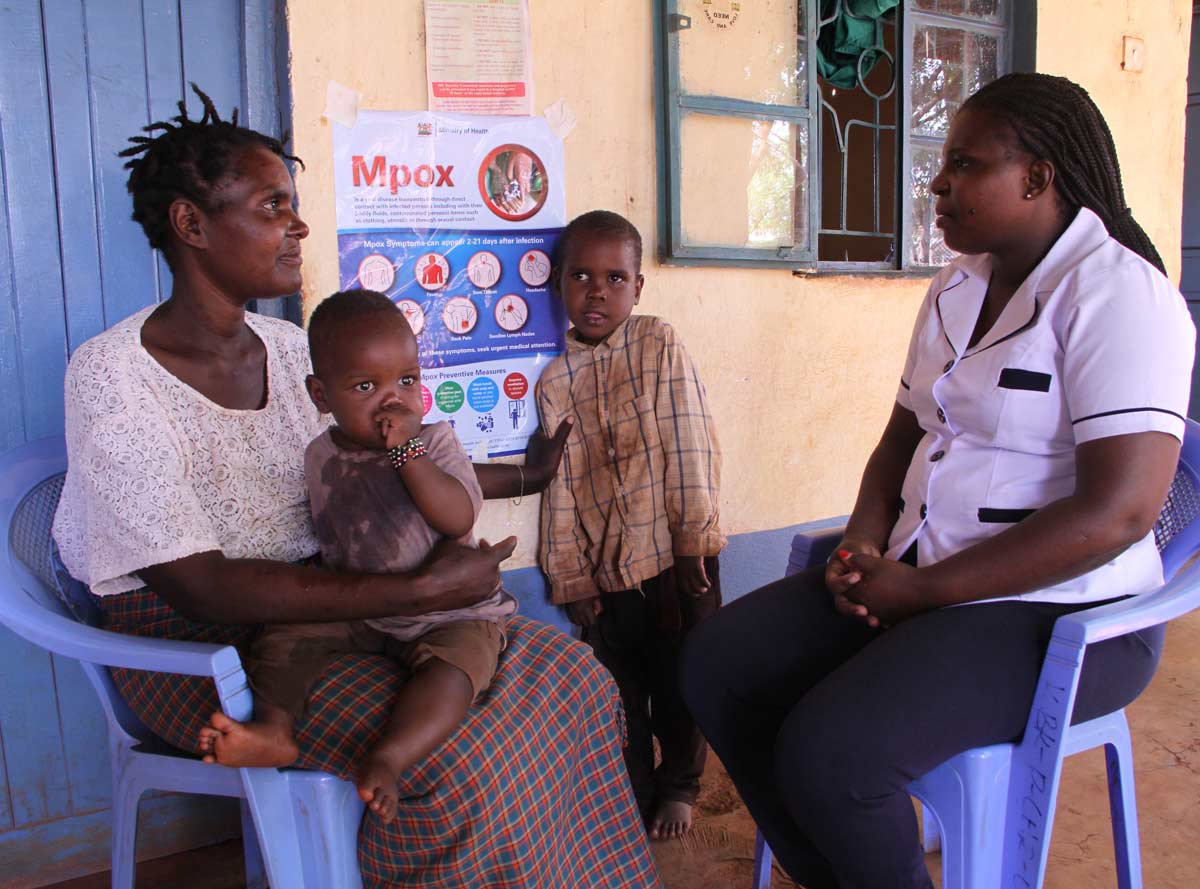
When the missions end, READIO links communities to health extension workers (HEWs). The HEWs maintain contact with volunteer health specialists for follow-up or referral. According to Dr Honsebo, this holistic approach ensures the missions are sustainable.
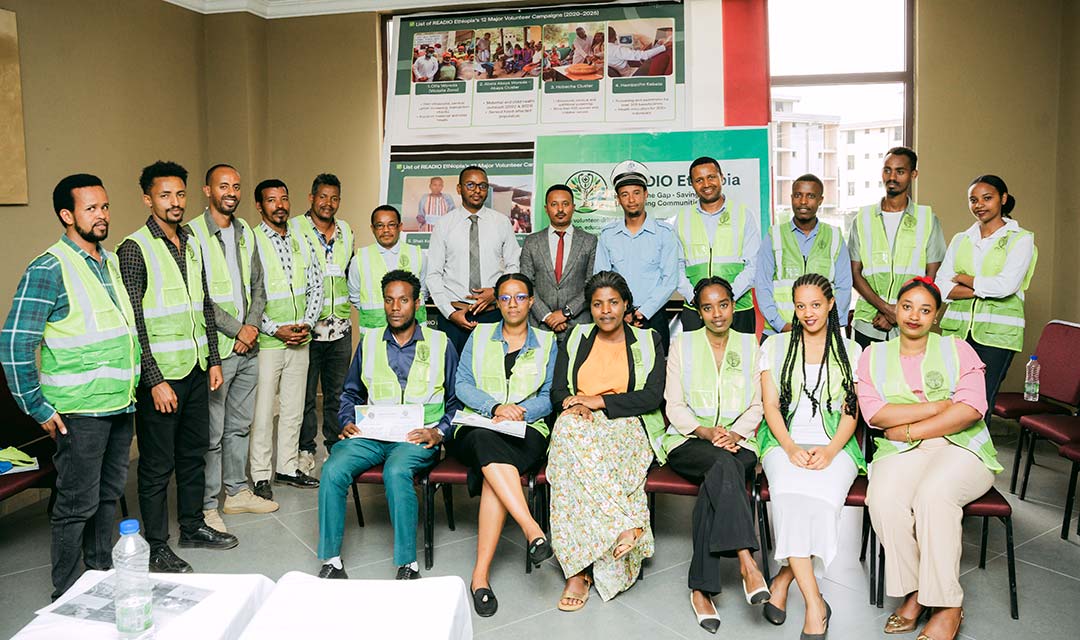
Credit: READIO Ethiopia
The team’s mix of expertise also makes them able to provide care responsively. Once, during a disease screening event under a tree in the Omo region, a woman went into labour, recalled Tamirat Beyene, a maternal and reproductive health specialist and READIO volunteer. The patient experienced a postpartum haemorrhage that would have killed her within two hours if the READIO team hadn’t been on hand to stop the bleeding. “There was no ambulance or equipped health facility nearby, and the mother almost died,” Beyene recalled.
Such experiences, at the sharp end of healthcare access inequality, make Beyene feel “privileged” to work with READIO, he said.
Have you read?
Risks of isolation
Wolaita Sodo city is 71 kilometres away. Abela Abaya cleric Tesfahun Deneke told VaccinesWork that before Dr Honsebo arrived, only community members who could afford to travel that distance had ever seen a doctor.
Instead, many locals relied on so-called “medics” – in some cases dubiously qualified quacks – who have been known to wrongly prescribe medicines or misdiagnose illnesses, and reuse syringes. That worries Dr Honsebo, who suspects they may be contributing to rising rates of both antimicrobial resistance and hepatitis B.

Credit: READIO Ethiopia
READIO’s availability has reduced the tendency to resort to such “medics” for healthcare. Deneke’s own family has leant on READIO, whose specialists provided his wife with maternal health services, including ultrasound scans, and oversaw the safe delivery of one of their children.
He says now that medical care is available locally, he urges the pregnant women in his congregation to attend proper antenatal care, and parents to have their children immunised.
Fantu Degefu, a young mother, credits READIO missions for saving her life. While pregnant with her third child, she was diagnosed with diabetes. READIO medics treated her and prescribed the right foods to get her blood sugar stabilised. They then conducted her first-ever ultrasound scan to check on her foetus’s status, and followed up until after she delivered the baby.
Preventable tragedies
Orthopaedic surgeon Chernet Leka, a READIO volunteer who leads rescue teams to regions affected by natural disasters, says one of the major health risks here is a simple lack of awareness. Preventable health problems here are many. He sees children with deformities caused by nutritional deficiencies, lack of immunisation or unmanaged abnormal pregnancies.
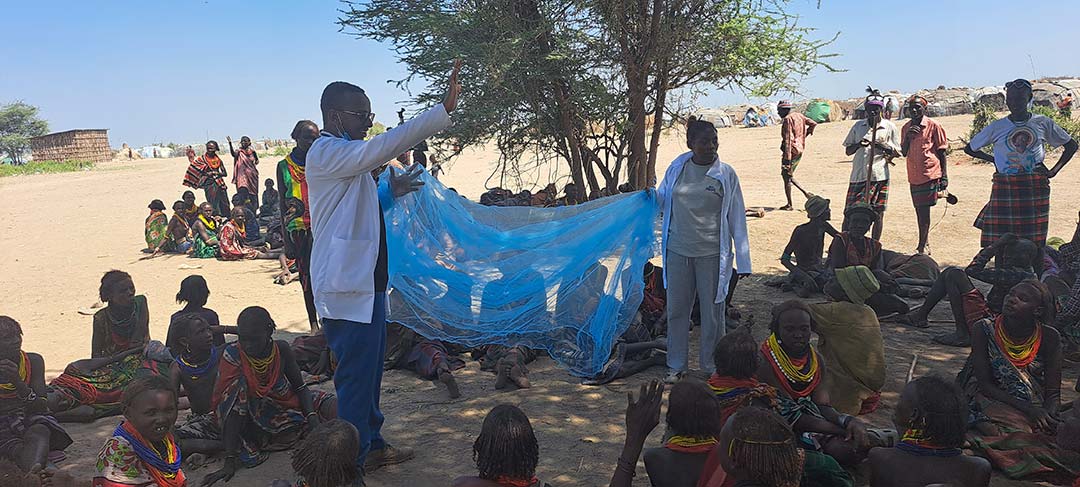
Credit: READIO Ethiopia
According to Dr Leka, ultrasound scans can detect defects like spina bifida, and pregnant mothers are prescribed vitamin B9 early to prevent it. Some congenital deformities, he says, are correctable at birth, but some parents hide or neglect the children and attribute their disabilities to curses.
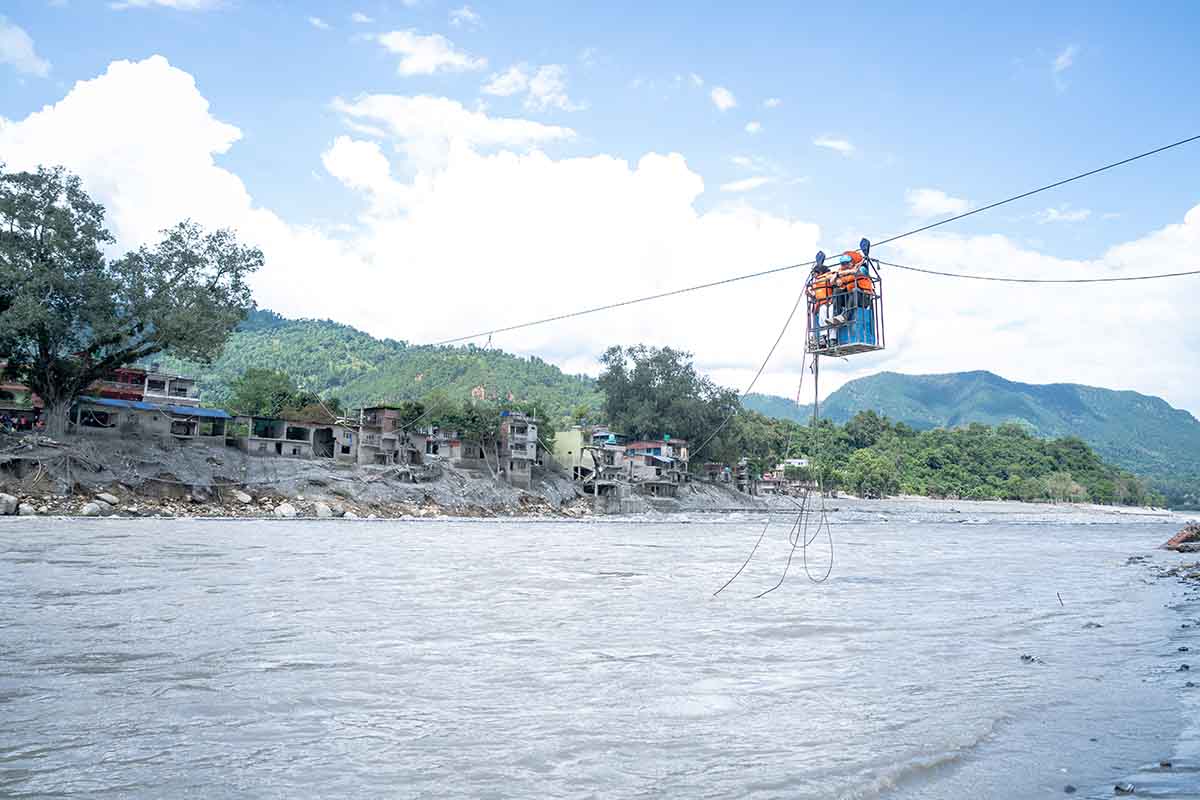
READIO also intervenes when flooding occurs to address cholera and malaria outbreaks common there, and teaches prevention measures.
“Big heart”
Dr Leka said he admires Dr Honsebo’s hard work and his “big heart” for the underserved and poor, even while working with scarce resources.
“This young doctor contributes his knowledge and skills serving the community and the poor without payment. The world is not like that. We are lucky to work with him: his organisation fills gaps that we cannot address,” said Dawit Desalegn Boshe, the Wolaita Zone Health Department head.
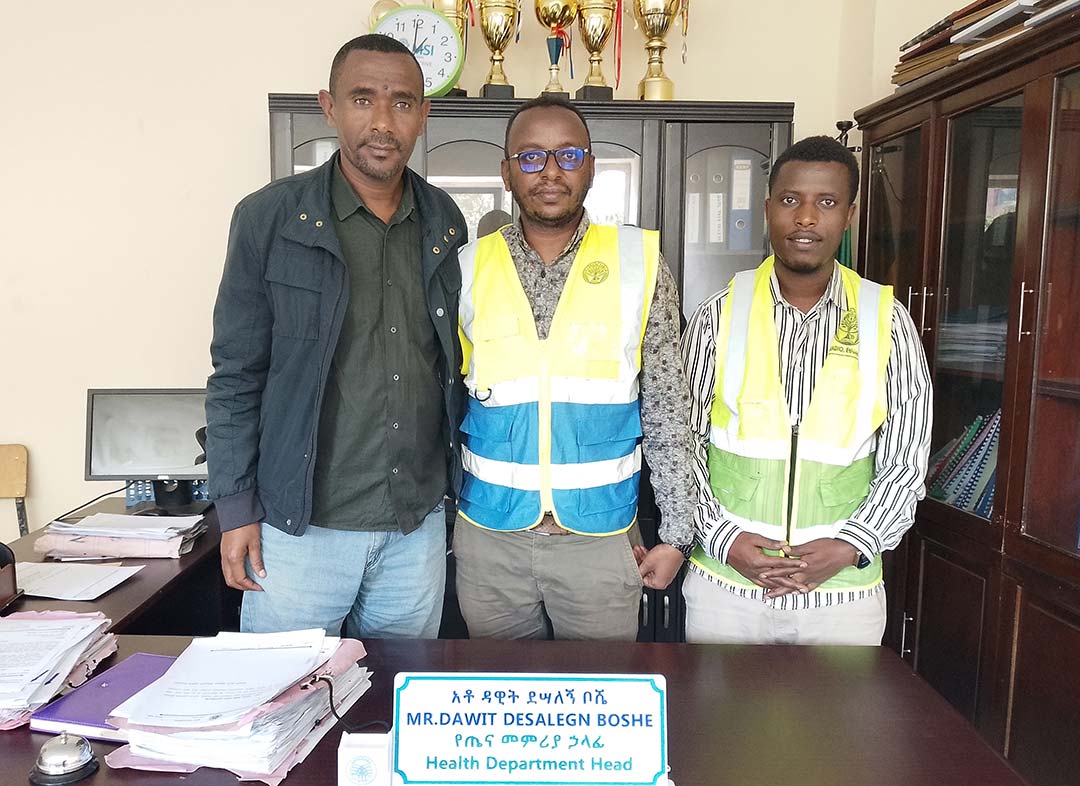
Credit: James Karuga
READIO has partnered with the Wolaita Zone government to reach communities lacking healthcare access, and resettle disaster victims, with the government providing medicines and a vehicle to READIO teams on mission. According to Boshe, that collaboration has improved the rates of referral of at-risk pregnant mothers to hospitals. Wolaita Zone has a population of over 6 million people, and a shortage of doctors, and Boshe says he appreciates the role READIO has taken on, bringing healthcare to the last mile.
Dirshaw Tilahun, Abela Abaya Health Office head, echoed him, saying READIO’s services have been especially valuable given that retaining salaried physicians in the district has been close to impossible.
But he added that communities trust Dr Honsebo, since he has never left, and since he understands their pain.
Making scant resources go the distance
In future, Dr Honsebo plans to have READIO go digital, in order to better bridge the gap between the communities they serve, HEW, and the volunteer health specialists. That way, one specialist will be able to efficiently communicate with remote HEWs using a smartphone.
His goal is unchanged: to make medical expertise go further – to allow one doctor to help more people.
There have been challenges and there will be more, but Dr Honsebo says he has never considered giving up. He draws lessons from his mother, who raised ten children with meagre resources, and believes his purpose is divinely ordained.
“When I go to these communities, some part of me heals, and I have more pain if I do not go. With compassion, sacrifice and service, even with little resources, I believe one person can ignite a whole movement,” Dr Honsebo said.