
Fridge-free vaccine passes first human trial, raising hopes for the hardest-to-reach
Unreliable electricity makes it hard to keep vaccines at the right temperature – this development could change that.
- 10 August 2026
- 4 min read
- by Priya Joi
At a glance
- UK scientists have run the first human trial of a tetanus-diphtheria vaccine that needs no refrigeration, staying stable for up to two years at 30°C, and matching two approved vaccines on safety and immune response.
- Current vaccines need to be kept at cool temperatures to remain effective, making heat exposure one of the major causes of vaccine wastage.
- That waste falls hardest on the places least able to absorb it, where power and refrigeration are unreliable.
In the dry lands of southern Africa, ‘resurrection plants’ spend much of the year looking dead until it rains and they turns green within hours.
The plants’ secret is a sugar called trehalose, which floods the plant's cells and shields them as they dry out. Scientists have now borrowed that trick to take on one of the oldest problems in global health: keeping vaccines stable without a fridge.
A team in the UK has published the first trial in people of a vaccine reformulated to survive without refrigeration. Writing in eClinicalMedicine, part of the Lancet group of journals, they describe drying a licensed tetanus-diphtheria vaccine into a powder with trehalose, storing it at room temperature for a year, then reconstituting it with water and injecting it.
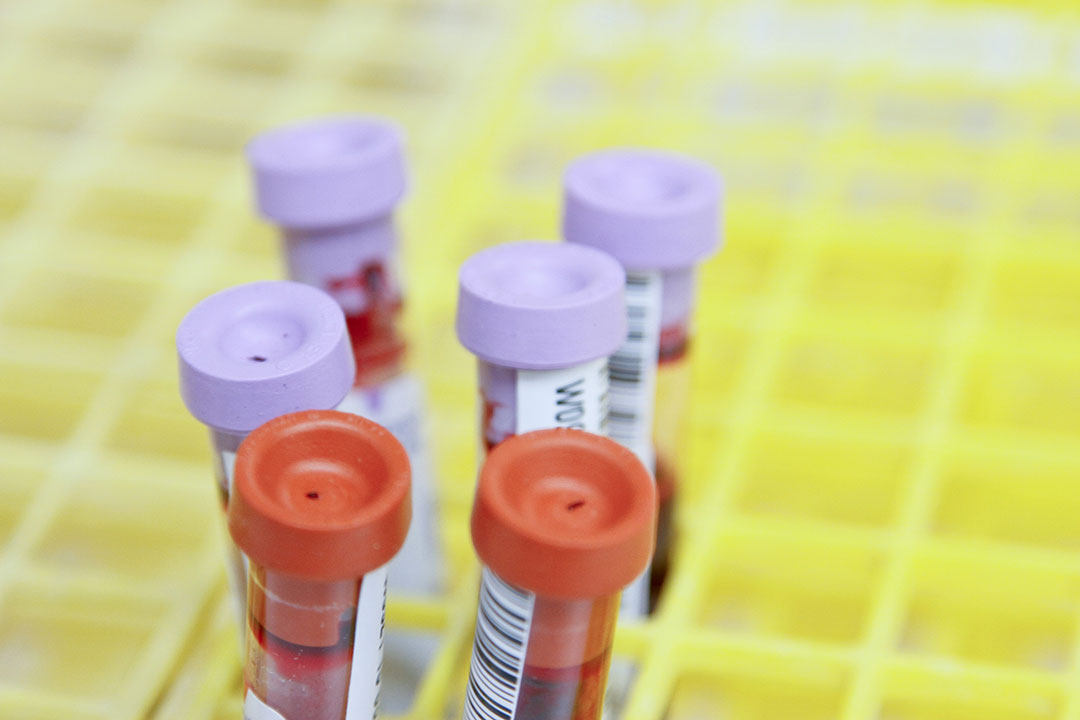
Sixty healthy adults took part, each randomly assigned the fridge-free vaccine, known as SPVX02, or one of two approved tetanus-diphtheria vaccines. The reformulated version proved safe and well tolerated, caused no serious sid- effects, and produced immune responses in line with the established shots.
Prof Saul Faust, who led the trial at the NIHR Clinical Research Facility in Southampton, said it gave “equivalent” immune responses to the conventional vaccine and was “safe and well tolerated”. The approach, he added, “has potential to remove cold chain dependence, reduce wastage and improve access”.
The cold chain’s weakest link
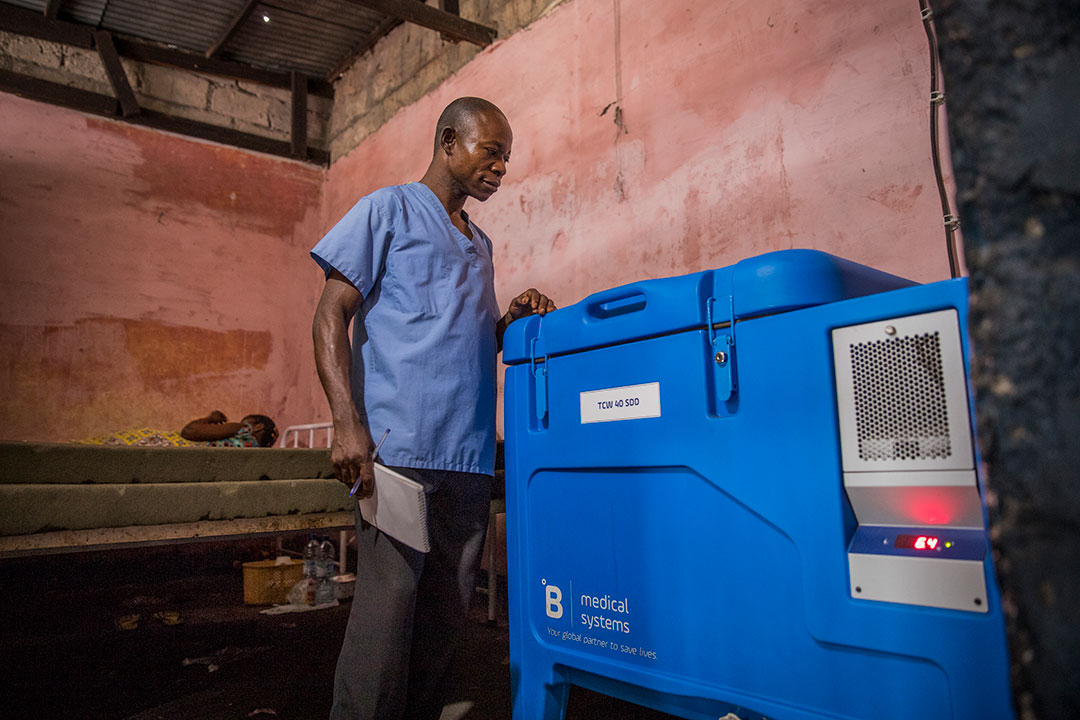
Most vaccines must be kept between 2°C and 8°C from factory to arm, and some far colder. Stray outside that window, through heat or freezing, and doses can be ruined. This unbroken run of refrigeration is called the cold chain, and holding it together is costly and challenging.
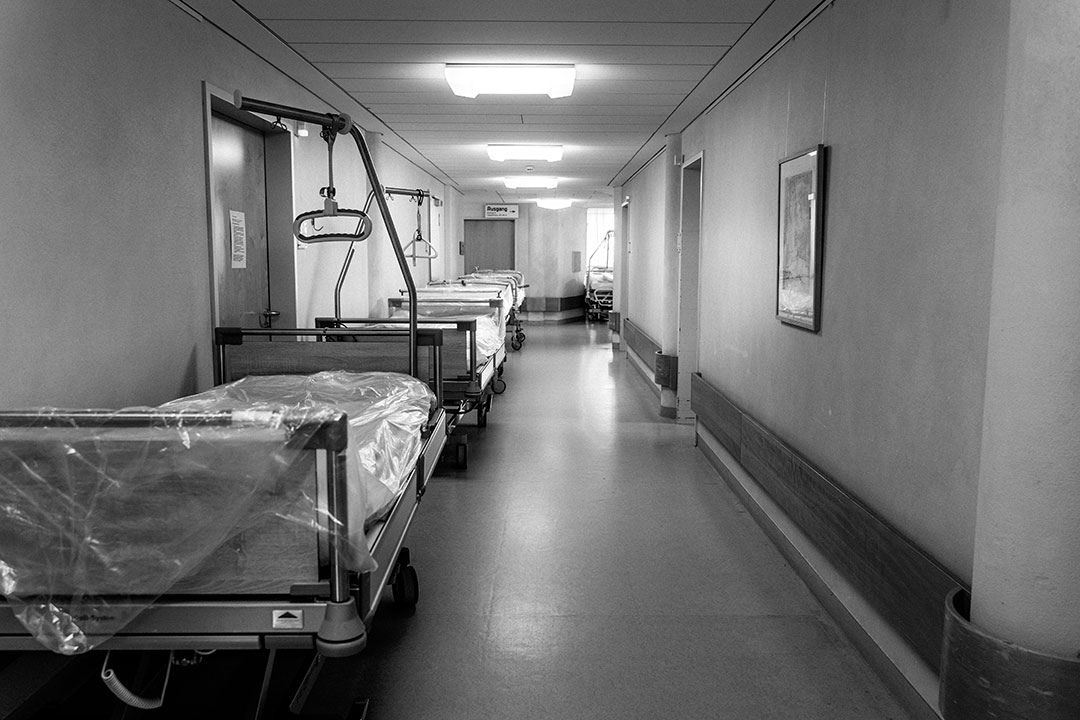
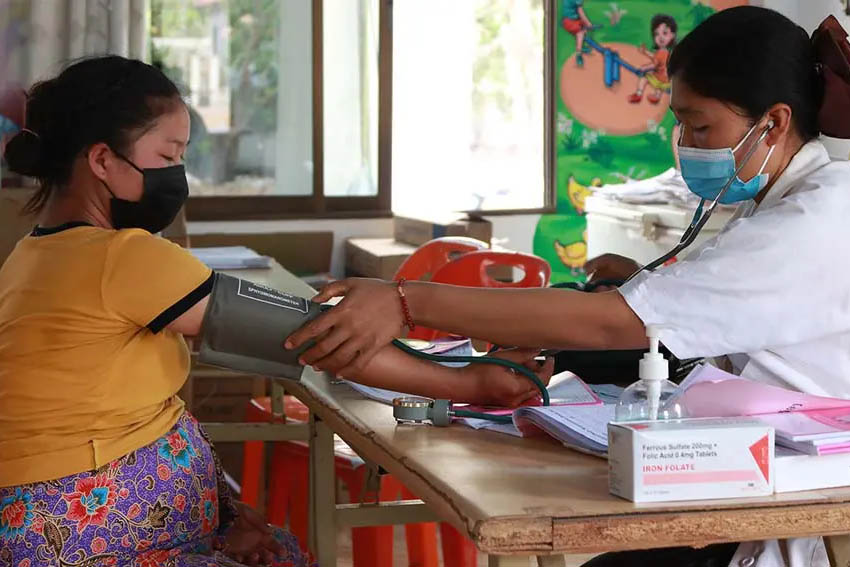
The cold chain is hardest to maintain in the places that need them the most: remote regions, fragile health systems and conflict zones, where fridges can be scarce and power unreliable.
Prof Sir Jonathan Van-Tam, England’s former deputy chief medical officer and now an adviser to the company behind the vaccine, has seen it first-hand. He recalled “taking out vaccines in cool boxes on really inhospitable roads” with “always this nervousness about maintaining the cold chain in time to get the vaccines into arms of waiting children”.
A view from the field
Not all waste is a failure of the cold chain, though. Alex de Jonquieres, Director of Health System Strengthening, Gavi, the Vaccine Alliance, notes that lower-income countries lean on multi-dose vials more than wealthy ones like the UK, because they are cheaper and take up less cold chain space per dose.
“Once opened, the remaining doses in the vial need to be used within a fixed amount of time or disposed of,” he told VaccinesWork. “Much of the wastage today comes from this," what is referred to as open vial wastage. "This is planned for and is often still cheaper than using single dose vials.”
“Even so,” he says, “this technology is very exciting as it would make vaccines easier to transport, easier to store in remote locations and easier to monitor. These are all areas that we invest a lot in each year, but this technology could not just help us save money: it would make it easier for programmes to get vaccines to where they are needed, for health workers to reach the most remote communities and it would give parents reassurance that when they take their child for their vaccinations, the clinic will have vaccines in stock – and their children will be able to return home protected.”
Early days
Prof Tuck Seng Wong, who directs the UK-Southeast Asia Vaccine Manufacturing Research Hub, called the work “a significant breakthrough in UK science”. But many lower-income countries face temperatures well above 30°C, he noted, and whether the vaccine survives that level of heat is still unknown.
A larger trial in 160 people is due to begin within months. Because the underlying vaccine is already licensed, that could be the last stage of testing required.
The team says separate data suggests its formulation can weather temperatures of between -20°C and 40°C.
Immunisation is a “life-saving service that depends on refrigeration”, said Ephrem Tekle Lemango, associate director of immunisation at UNICEF, and “This innovation could help us vaccinate more children and pave the way for a future of fridge-free vaccines.”