
Collaboration will be key in race for vaccine to control rare Ebola strain
Gavi and CEPI issue an urgent plan for the response to the latest Ebola outbreak, caused by the Bundibugyo virus.
- 2 June 2026
- 5 min read
- by Sania Nishtar , Dr Richard Hatchett
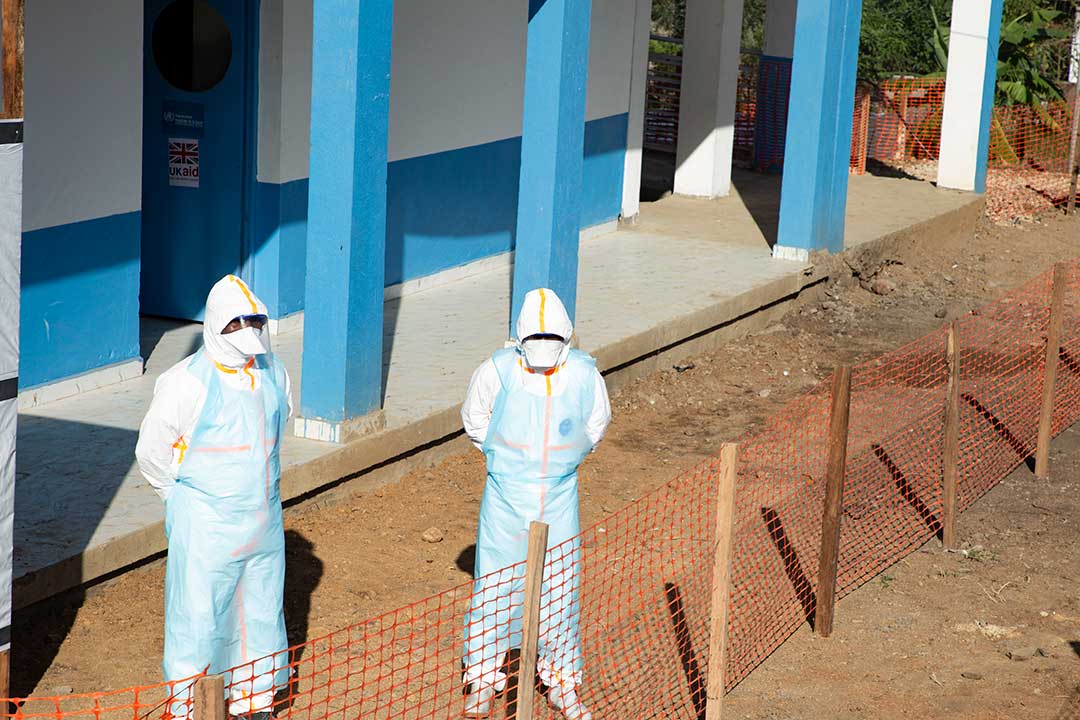
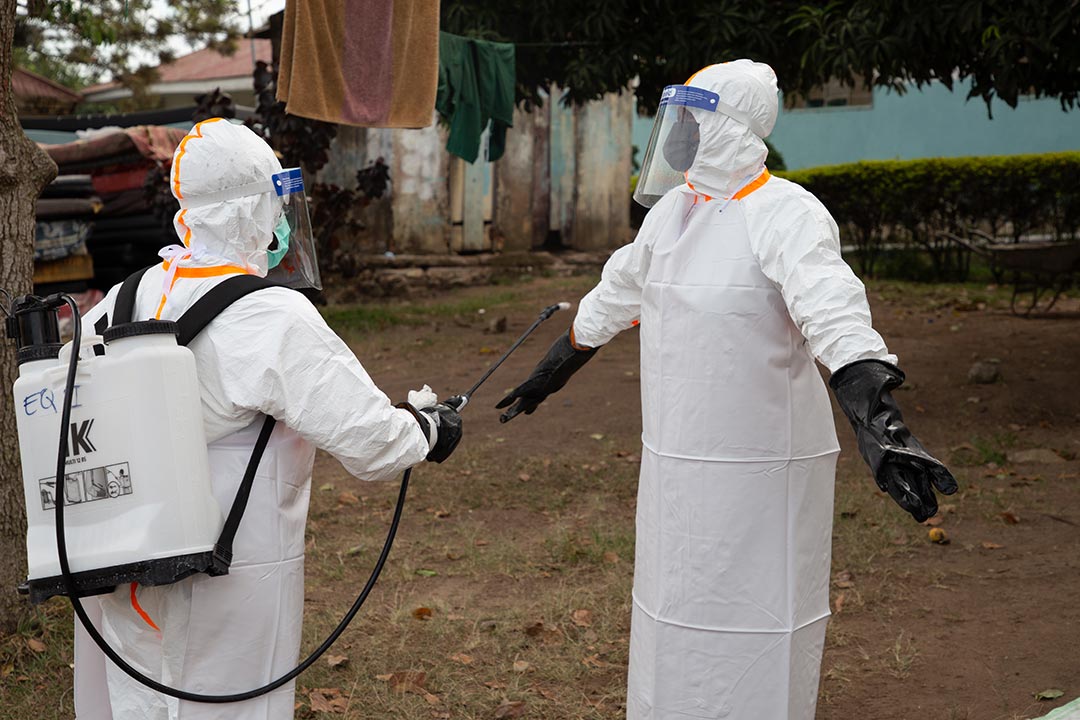
The latest Ebola disease outbreak, caused by the rare Bundibugyo virus that is unfolding in the northeast of the Democratic Republic of the Congo, has already caused over 100 deaths and spread across at least one international border.
With no approved vaccines or therapies, we must be realistic as to the challenges of containing this rapidly evolving health emergency in an active conflict zone. An outbreak of the Zaire species of Ebola virus in the same region in 2018 to 2020 claimed more than 2,000 lives, despite the availability of a safe and effective vaccine that was administered to more than 300,000 people during the response.
The safety of those living in affected communities, and our broader global health security, now depends on local, national, regional, and international partners working together effectively to detect new cases, trace contacts, provide clinical care and treatment, and support the affected communities. As global vaccine stewards, Gavi, the Vaccine Alliance and CEPI will work closely with our partners to support this effort.
1. Assess cross-protection
The first of three elements of our response is to support urgent efforts to understand whether the existing Ebola vaccine in Gavi’s portfolio, which protects against the Ebola Zaire species, could offer any form of cross-protection against Bundibugyo virus.
Though we know the vaccine, which is manufactured by the U.S.pharmaceutical group Merck & Co. under the brand name Ervebo, is safe for human use, there is extremely limited evidence on its efficacy against the Bundibugyo virus. A clinical trial would be needed to generate additional evidence to use the vaccine in this outbreak, which would require explicit guidance from the World Health Organization and be conducted only with the explicit consent and understanding on the part of affected communities that its benefit against the Bundibugyo virus is currently unknown.
Should we be able to demonstrate the effectiveness of Ervebo, it could be deployed rapidly at scale. Gavi maintains a global stockpile available to all countries to support responses to Ebola outbreaks. This stockpile has been used to conduct four campaigns to respond to outbreaks of Ebola Zaire in the DRC; most recently in September 2025, when over 47,000 individuals were rapidly vaccinated. This dramatically reduced cases and deaths and contributed, alongside other response pillars, to the rapid control of the outbreak.
The stockpile has also been used to conduct eight preventive vaccination campaigns of high-risk workers in five at-risk countries, including more than 50,000 frontline workers in Ituri and North Kivu, where the current outbreak of Bundibugyo virus has been reported. If further doses of Ervebo or other newly developed vaccines are needed, Gavi’s Day Zero Financing Facility and the International Financing Facility for Immunisation , two innovative financing tools, can be activated rapidly to frontload donor financing for vaccines in times of crisis.
2. Accelerate specific vaccine development
The second element of our response is supporting the identification and accelerated development and production of vaccine candidates specific to the Bundibugyo virus. Developing these will take time.
Several vaccine candidates are in early-stage development and could be advanced relatively quickly into clinical trials. Based upon our existing coordination arrangement, Gavi and CEPI have the capability to accelerate both development — by funding clinical trials and financing the manufacturing of clinical-grade vaccines needed to run them — and production, using marketshaping tools.
The Advance Purchase Commitment made by Gavi during the2014-2016 West Africa Ebola outbreak provided a key incentive to manufacturers to invest in vaccine development. Today, the First Response Fund, a $500 million prefunded mechanism within Gavi’s Day Zero Financing Facility, is ideally placed to provide a similar incentive.
Gavi and CEPI are working closely together to coordinate their different funding mechanisms to de-risk vaccine development efforts for private sector partners, who might otherwise wait until much later to initiate serious vaccine development efforts.
3. Ensure operational capacity
The third element of our approach is to make targeted and rapid cash deployments to ensure that all the planning and operational capacities and infrastructure are in place to support vaccine clinical trials and coordinate a vaccine rollout at scale in an extremely complex operating environment.
That means training health workers, as well as auditing — and if necessary, upgrading — cold chain and other infrastructure and equipment. Crucially, it also means supporting engagement with affected and at-risk communities to fully understand their situation, needs, and concerns, and co-design vaccine introduction plans at the community level.
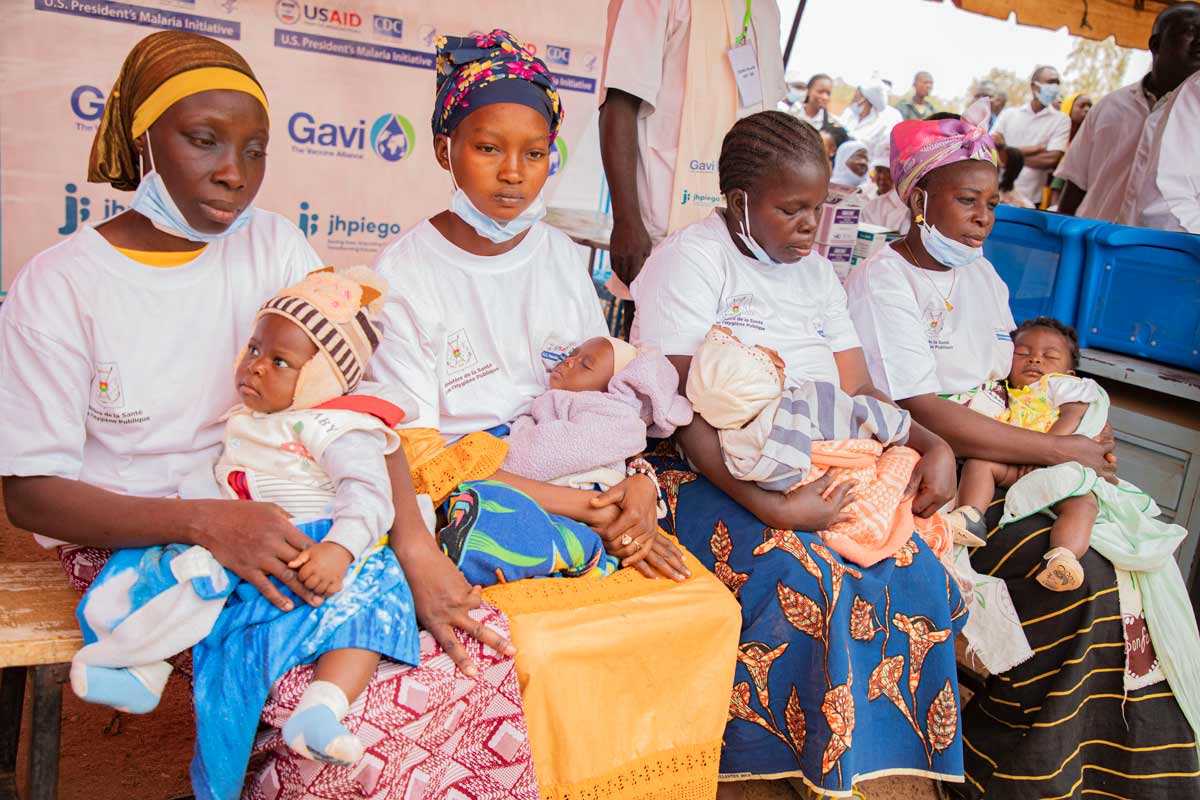
At the same time as implementing these three elements, it is also essential that we act decisively to protect routine immunization. A key lesson from COVID-19 was that health emergencies can inflict major shocks on existing immunization programs, and these shocks will be greatest where health systems are least resilient.
Gavi is therefore exploring options to activate one or a combination of our rapid-response tools to work with government and humanitarian partners to safeguard the delivery of life-saving childhood vaccines in affected areas. These mechanisms could also be used to address adjacent needs — for example, diagnostic kits — if called upon in the absence of other sources of funding.
Strong coordination between Gavi, CEPI, and the private sector over the coming days and weeks will be crucial. Vaccines, if found to be safe and effective, will represent only part of the solution to bringing this alarming outbreak under control.
In the wider response ecosystem, there is a critical need for coordination and stewardship among national, regional, and global partners. We owe it to the health workers and contact tracers battling to contain the disease to demonstrate that our interconnectedness and our solidarity are the sources of our strength.
More from Sania Nishtar