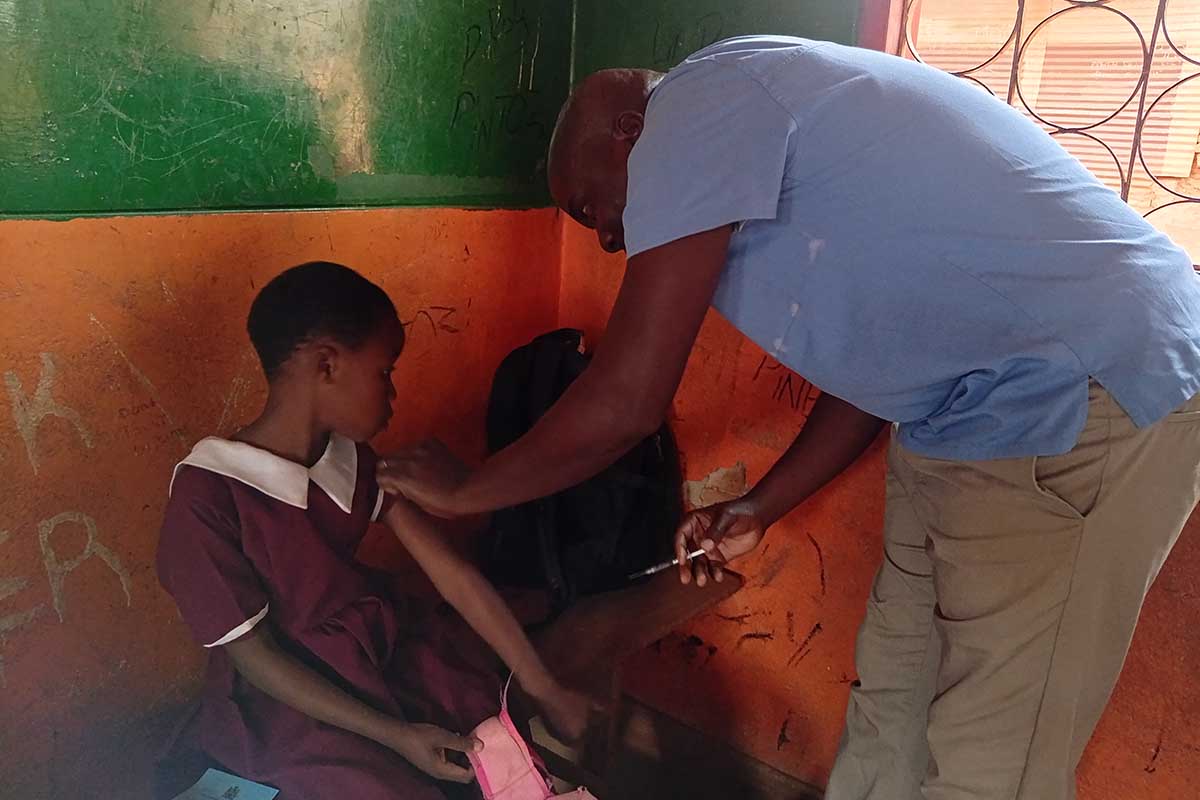

Fragmented health systems disproportionately affect women. The Gavi Leap can help address these inequities
For International Women’s Day, Dr Sania Nishtar outlines how reducing fragmentation in health systems will help lower some of the key barriers to care women face in many low-income countries.
- 9 March 2026
- 3 min read
- by Sania Nishtar
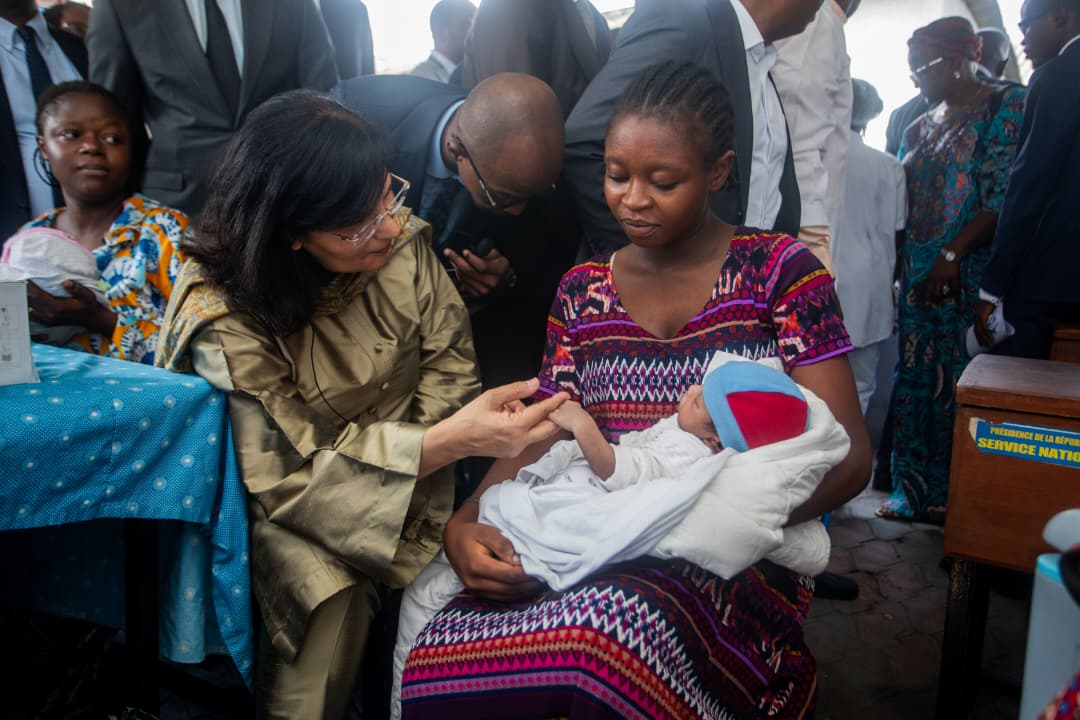
Too often, women pay the price for a fragmented health system
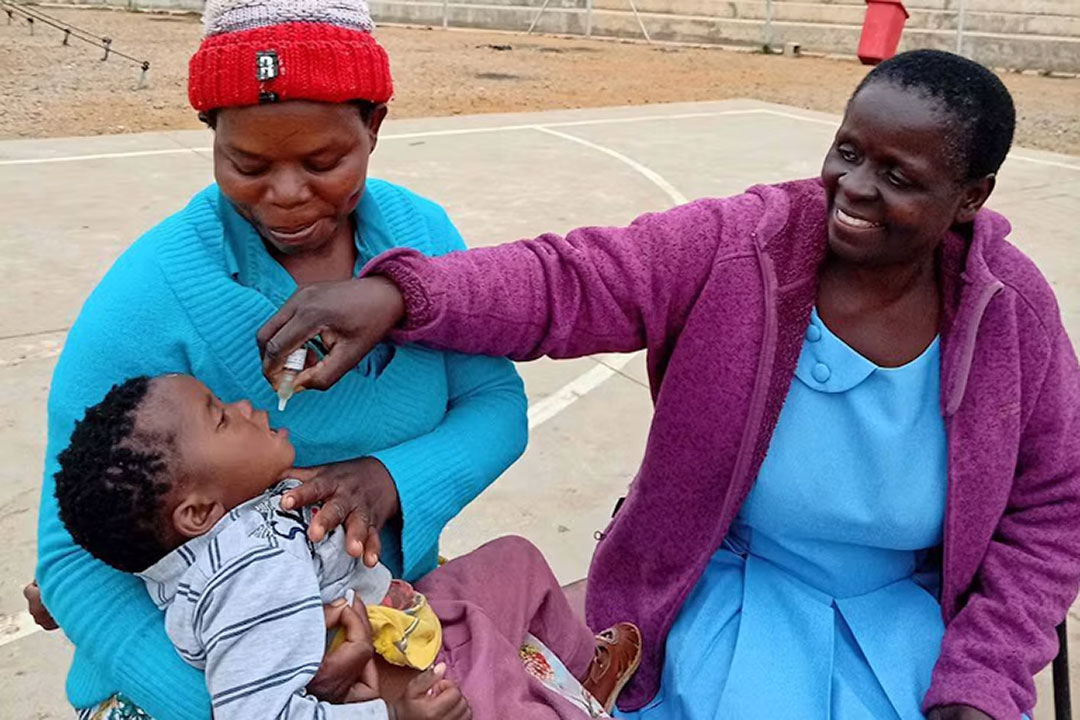
As a trainee physician in Pakistan, I was immediately struck by the unequal division of labour between genders when it came to seeking care for family members. Gender norms in many countries dictate that it is often the woman’s responsibility to bring children for vaccination, for example. Yet as I outlined in the annex of my latest article in The Lancet, for women in lower-income countries, simply accessing essential services like vaccination can mean having to overcome a host of gender-related barriers.
Mothers should not have to bear the burden of a dysfunctional system simply because they want the best possible protection for their children.
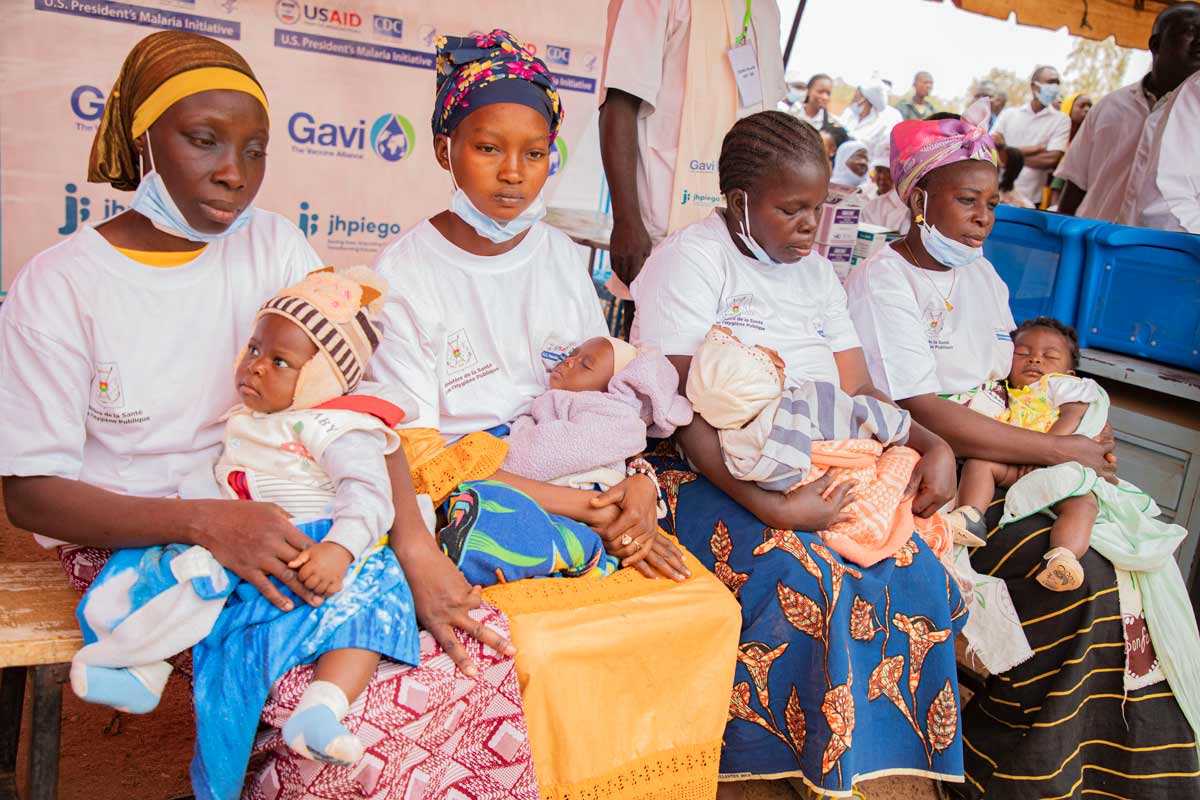
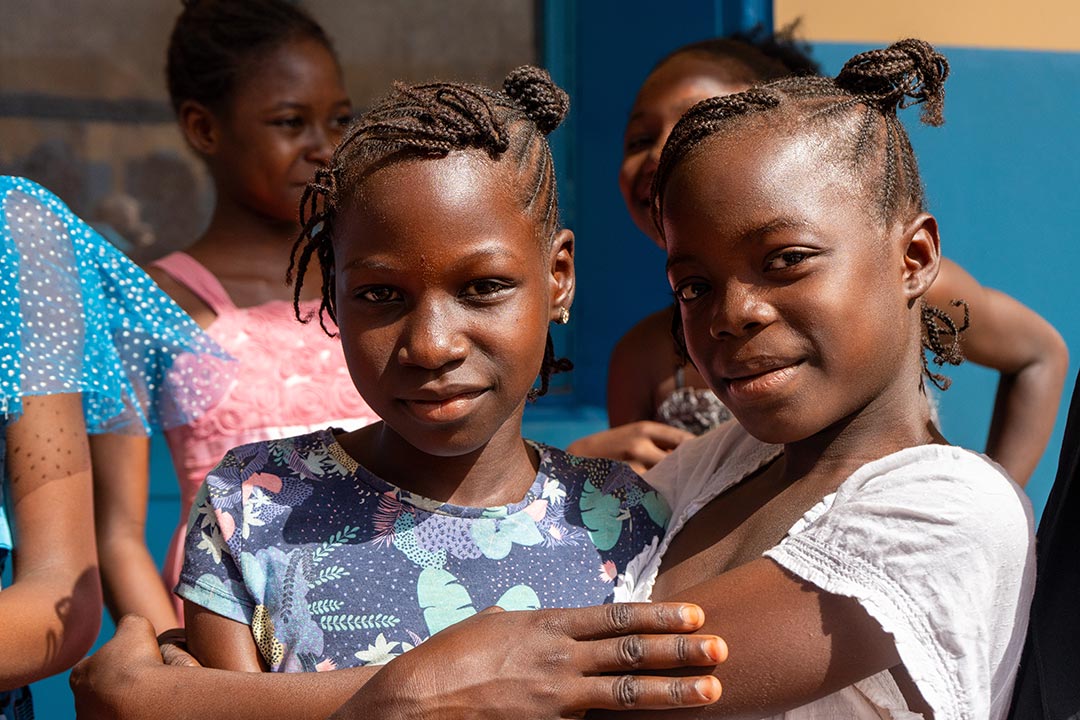
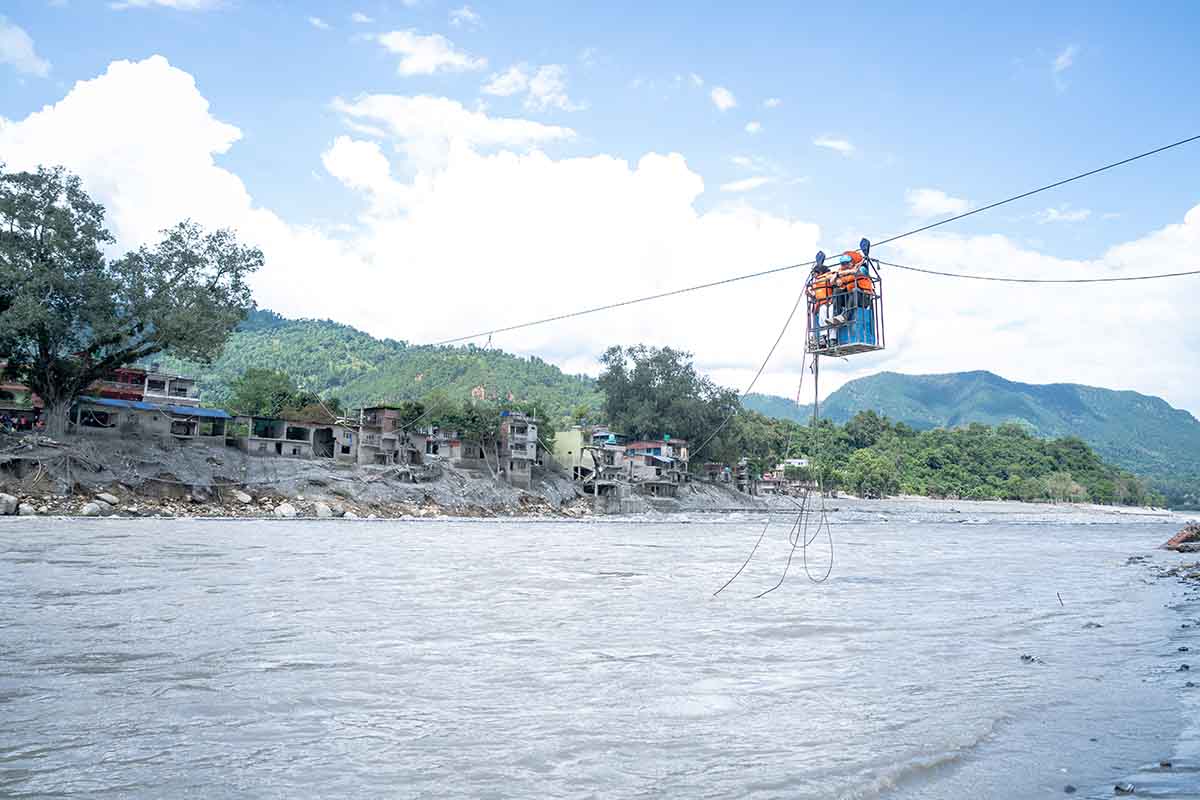
Imagine a young mother who, to access vital care for her family, will have to forego a day’s wages to undertake a gruelling journey with her young children. She may face extreme heat, poor infrastructure and logistical challenges to reach the clinic.
If she could access all essential health interventions in one visit, she would not only enjoy better health outcomes for her and her family, she would also avoid the costs and risks of another challenging journey and foregone wages. But the harsh reality is that she, and other women like her, will pay the price for a fragmented health system. Rather than being able to access a package of essential services at a single point of care, many women will be forced to navigate a complex and confusing landscape of care provision. Key interventions like childhood vaccinations and nutrition may not be integrated, for example, and require parallel registrations with different service providers at different locations.
Merging at the last mile
Health system fragmentation is not something we have to accept, and nor should we. At Gavi, the Vaccine Alliance, a key part of our reform programme, the Gavi Leap, is designed to make life easier for mothers. Mothers should not have to bear the burden of a dysfunctional system simply because they want the best possible protection for their children.
Have you read?
We have already radically simplified our grant processes to provide greater flexibility for countries on vaccine delivery models, as well as the way Gavi support is deployed to strengthen health systems. And we are deepening partnerships at the last mile to help reach and protect more children, including those in fragile and humanitarian contexts.
Rather than duplicating the work of other agencies, Gavi is optimising synergies through collaboration, focusing on maximising the benefits of our comparative advantage in market shaping, pooled procurement and innovative finance to save lives and strengthen global health security.
On my recent trip to Sudan, I met with mothers navigating conflict, displacement and fragmented access to health services. I was struck by their determination and resilience, and I witnessed their relief that Gavi-funded vaccines were available at a mobile clinic in the middle of the desert on the outskirts of Port Sudan. These are the families Gavi was created to serve. And in Sudan, as in every other country Gavi supports, we will continue to work closely with governments and partners to ensure we knock down the barriers to vaccine access by helping to build strong and resilient health systems.
More from Sania Nishtar