
Ebola shows us the importance of resilience as much as response
Repeated outbreaks in the DRC expose the world’s failure to build resilient health systems, underscoring the urgent need for coordinated, sustainable global health reform.
- 12 June 2026
- 4 min read
- by Sania Nishtar
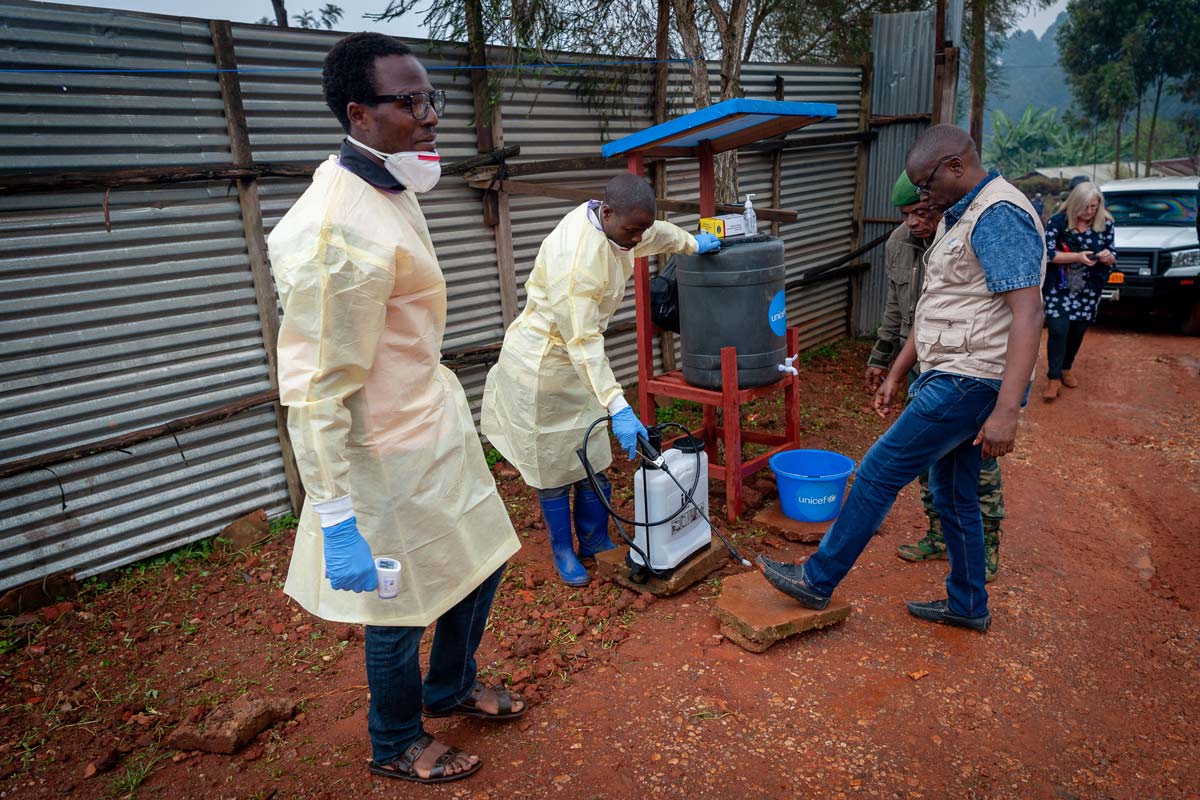
There have been nine declared Public Health Emergencies of International Concern since WHO members adopted the 2005 International Health Regulations.
Of those nine, three have started in the eastern part of the Democratic Republic of the Congo (DRC) in the past eight years alone: Ebola in 2018–2020, mpox in 2024, and Ebola again today.
These health emergencies are a visible consequence of the fact that as an international community, we do not yet have an effective and sustainable model to build resilience in the face of global health threats.
That can and must change.
Europe’s Global Health Resilience Initiative, which was adopted in May as a framework for Team Europe to work in concert with key partners at the country, regional and global level, can be a driving force for that change.
A cycle of crisis
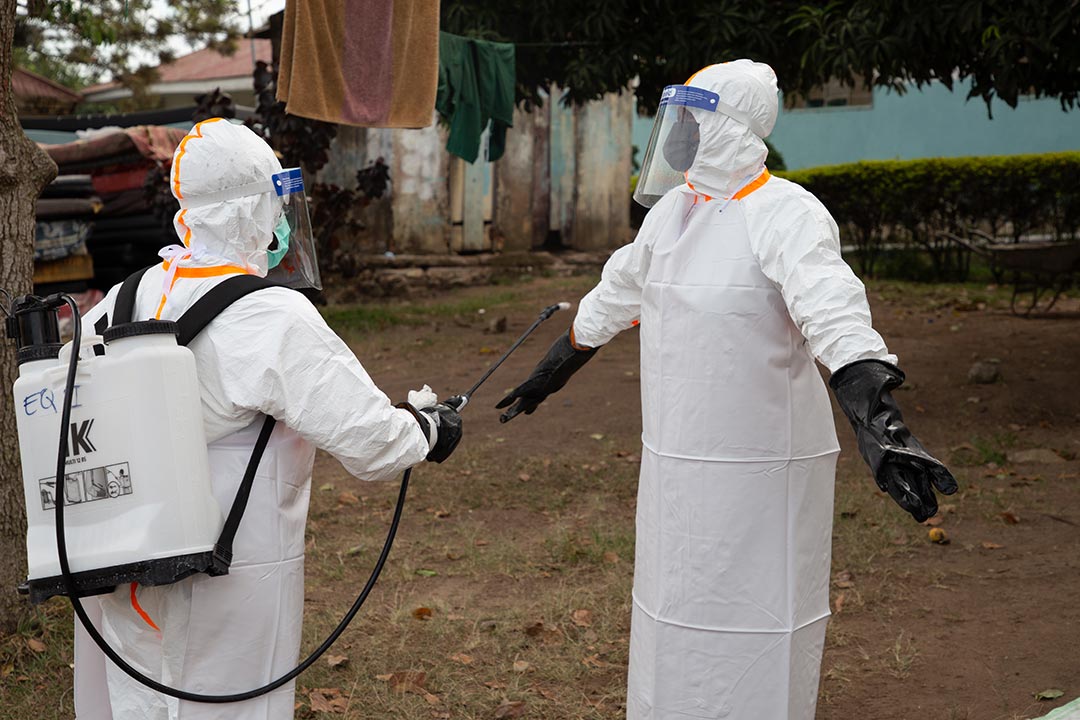
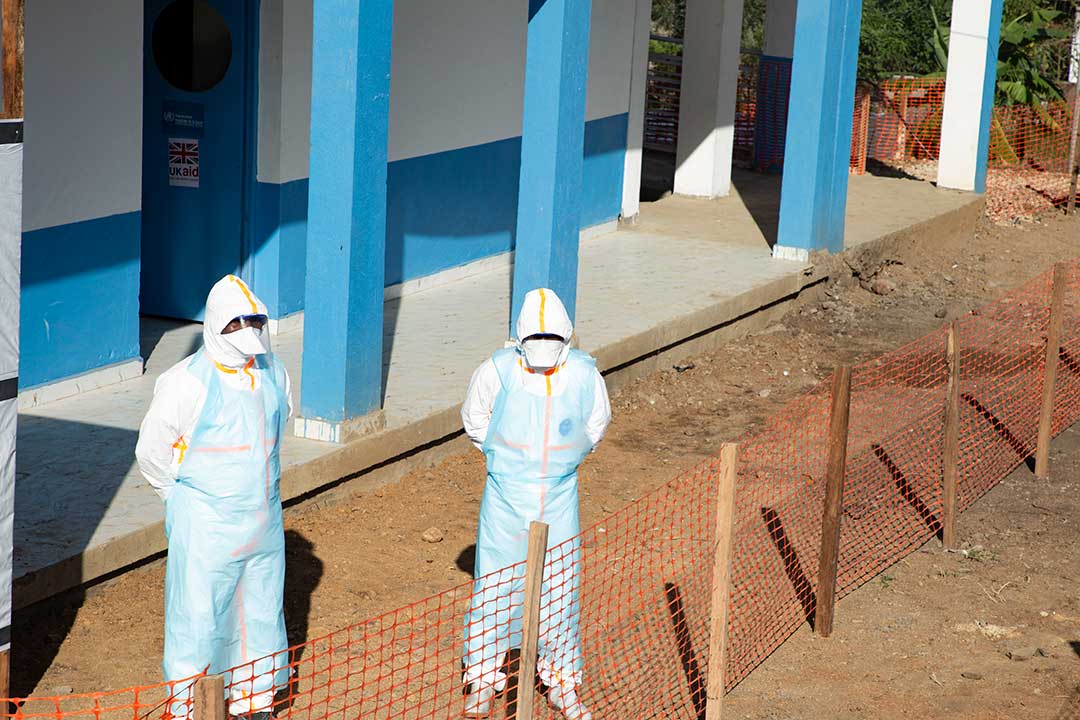
There is a bitter irony in the fact that DRC’s current and rapidly unfolding outbreak of Ebola disease, which is being caused by the rare Bundibugyo virus, comes ten years after the end of the world’s worst recorded outbreak of the disease, which gripped the three West African countries of Guinea, Liberia and Sierra Leone from 2014 until 2016.
That outbreak resulted in the loss of more than 11,300 lives, cost billions of euros to contain and sparked economic and humanitarian crises in the countries affected.
It was a lesson in the systemic risks posed by allowing fragility, vulnerability and weak health systems to persist unchecked, a lesson we are still learning today.
Ebola is one of several outbreak-prone diseases, like cholera and measles, that are markers of health-system fragility and, very often, of communities with multiple and complex unmet needs.
More often than not, these diseases are highly correlated with conflict and displacement. It is little wonder to see both cholera and measles outbreaks regularly occur in the same areas of DRC currently in the grip of the Ebola emergency.
And, as conflict and humanitarian needs have spiralled globally over the past few years, with their effects exacerbated by climate change and deep cuts to bilateral and multilateral aid, so we have seen outbreaks of these diseases steadily rise also.
Demand is outstripping our capacity to respond
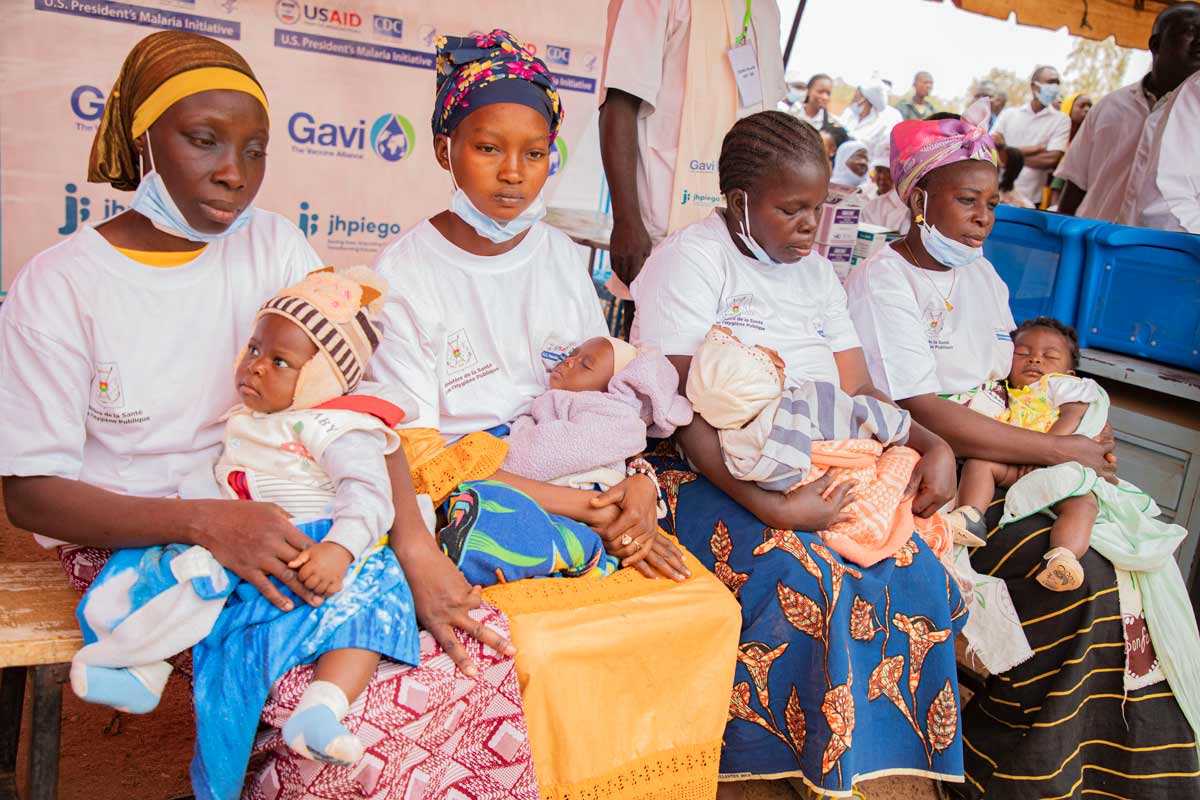
The international community has attempted to keep pace with this threat. For example Gavi, the Vaccine Alliance, which I lead, has built stockpiles of vaccines, established a fund for procuring vaccines at risk in times of emergency, and also set aside additional funds for use in fragile and humanitarian contexts.
But the fact remains that the current trajectories of increasing demand are unsustainable.
As part of the ongoing discussions on global health reform, which took centre stage at the recently concluded 79th World Health Assembly, all global health stakeholders – countries, global health initiatives, and donors – should undertake to build complementary and flexible financing mechanisms to strengthen key national health capacities, including disease surveillance.
Moving from aid to partnership
The Global Health Resilience Initiative marks an important milestone in this effort by unifying the European Union’s approach to global health resilience, with a particular emphasis on strengthening primary care services. This is part of a decisive shift away from an aid-based model and towards a model of partnership with low-income countries.
Coordinated and complementary efforts to foster resilience are a necessary backstop to broader efforts to strengthen national health sovereignty, however we must recognise that the path to strong and resilient national immunisation programmes will never be linear.
Any reform must strike a balance between ensuring that, at the same time as countries are supported to transition to fully funding their own immunisation programmes, there should be access to flexible and responsive mechanisms to support countries gripped by acute or protracted crises that threaten routine immunisation.
Indeed, this need for a managed, sustainable transition to country self-reliance is a guiding principle of a wide-ranging reform programme we are implementing in our own organisation.
Have you read?
Building resilience
Alongside building stronger, sustainable health systems, another critical aspect of building resilience is to ensure that all countries can rapidly access medical countermeasures when they are needed, including by broadening the manufacturing base of key medical countermeasures, including vaccines.
In rightly recognising immunisation as integral to primary health and health emergency resilience, the European Union has emerged as a key backer of coordinated efforts to strengthen vaccine manufacturing capacity in Africa, including through investments in Gavi’s African Manufacturing Accelerator.
By increasing and aligning investments in fragile health systems and immunisation, and by forging new partnerships in countries affected by fragility, conflicts and vulnerability, we can strengthen African, European and global health security, and build resilience to outbreaks and pandemics in the process.
More from Sania Nishtar