
The Ebola situation is grave; we must use every tool we have to save lives
We must deploy every tool at our disposal to bring the Bundibugyo Ebola outbreak to an end. The existing Ebola Zaire vaccine, for which Gavi funds a global stockpile, could help save lives and reduce the suffering.
- 18 August 2026
- 4 min read
- by Sania Nishtar
Of all the concerning statistics that I see on a daily basis in relation to the current epidemic of Bundibugyo Virus Disease (BVD), the one that stands out is that 70% of new cases are now being diagnosed outside of the known contacts of existing cases.
This paints a stark picture, not only of the dire conditions emergency responders face in their efforts to contain the crisis, but also of the future magnitude of what is already the Democratic Republic of the Congo’s most deadly Ebola outbreak.
To avoid this becoming the worst recorded Ebola outbreak in history, it is critical that all effective countermeasure options are brought to bear.
We have a tool that could help save lives while we wait for BVD-specific vaccines to become available. The government of the DRC has requested that this tool be used and, as the global vaccine steward, Gavi stands ready to support.
Under the leadership of the DRC government, a major operation has been undertaken to establish dedicated treatment centres, improve surveillance and diagnostic capabilities and trace contacts of known cases. Despite these efforts, the tragic reality is that the scale and severity of the outbreak continues to worsen.
The deployment of safe and effective vaccines could help reverse this trend.
By committing US$40 million from the Gavi First Response Fund (FRF) to accelerate production of leading BVD-specific vaccine candidates, Gavi is ensuring that when vaccines are approved for use, they will already be available at scale.
The rapid deployment of BVD-specific vaccines would help control the outbreak by interrupting the cycle of transmission. However clinical trials, supported by our partner CEPI, only began in July and we may still be months away from an approved BVD-specific vaccine.
Have you read?
In the meantime, existing vaccines may have an important role.
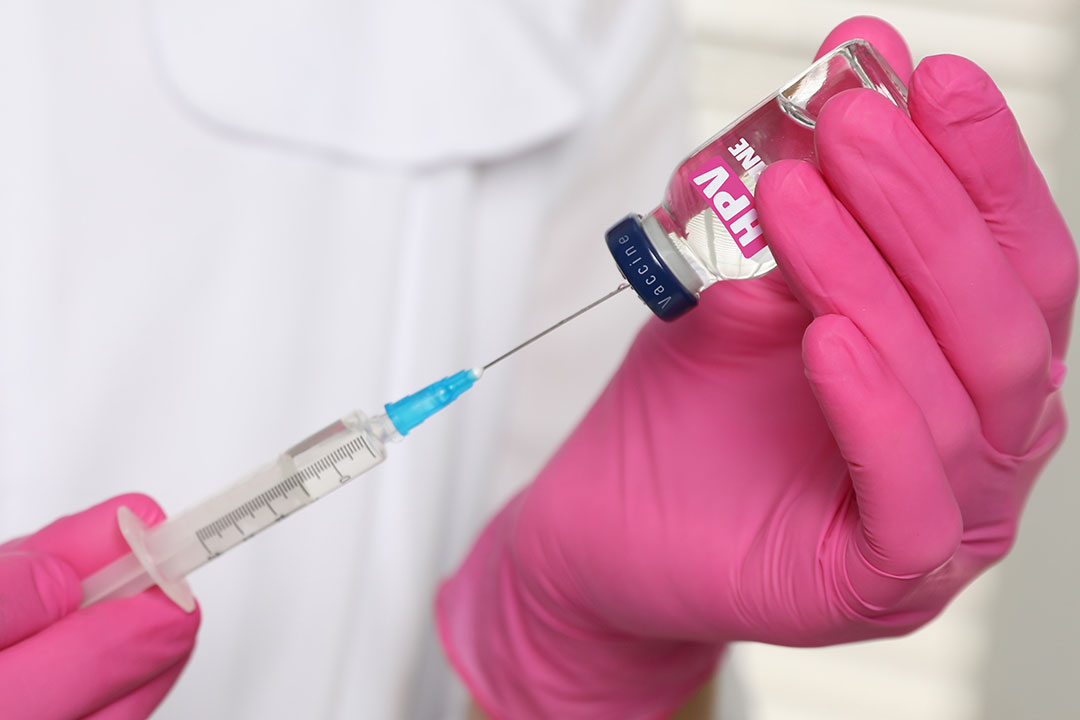
A recent key development is the decision earlier this month by WHO to recommend a phase 3 clinical trial of an existing vaccine, Ervebo, which has been used widely and successfully to protect against the Ebola Zaire strain of the disease. This decision was supported by data from animal studies suggesting that Ervebo might also offer cross-protection against BVD.
Within this context, the meeting on 19 August of WHO’s Strategic Advisory Group of Experts on Immunization (SAGE) will be critical to support the DRC government’s decision on emergency use of Ervebo.
Having already been licensed for the Zaire strain, we know that Ervebo is proven to be safe. And while the signs are that it may not stop transmission – which is essential for ending the outbreak - it could well save precious lives and reduce suffering.
With the Gavi-funded emergency stockpile currently standing at 440,000 doses, Ervebo doses can be deployed almost immediately.
SAGE’s guidance on how Ervebo could be deployed, both in a clinical trial setting as well as for expanded emergency use outside of clinical trials, will therefore be a crucial determinant of how the use of the vaccine should be embedded within the broader response.
Guidance is needed also on how its use is communicated to people in affected areas. And given that any large-scale deployment of the vaccine on compassionate grounds must be underpinned by a robust protocol, SAGE should be bold in formulating guidance for how such a deployment can work in parallel to clinical trials of the BVD-specific vaccines that will help to bring the outbreak to an end.
We have a tool that could help save lives while we wait for BVD-specific vaccines to become available. The government of the DRC has requested that this tool be used and as the global vaccine steward, Gavi stands ready to support, as it is also doing by providing urgent funds to protect routine childhood immunisation during this crisis.
This is a time for all stakeholders to work together – towards a shared goal of saving as many lives as we can.
More from Sania Nishtar