
How viruses hijack mosquito saliva to help them infect us
Several viruses, including West Nile and Zika, release packages of genetic material that appear to suppress the body’s innate immune defences.
- 23 October 2026
- 4 min read
- by Linda Geddes
At a glance
- Mosquitoes infected with several orthoflaviviruses, including Zika and West Nile virus, secrete packages of RNA into their saliva that may make it easier for these viruses to establish an infection.
- These genetic fragments, known as subgenomic flaviviral RNA (sfRNA) appear to suppress innate immune responses: the body’s first line of defence against invading viruses.
- Experiments in human cells and skin samples showed that the more sfRNA mosquito saliva contained, the more readily West Nile virus established infections. Studies in mice also suggested that its presence could worsen the severity of the resulting disease.
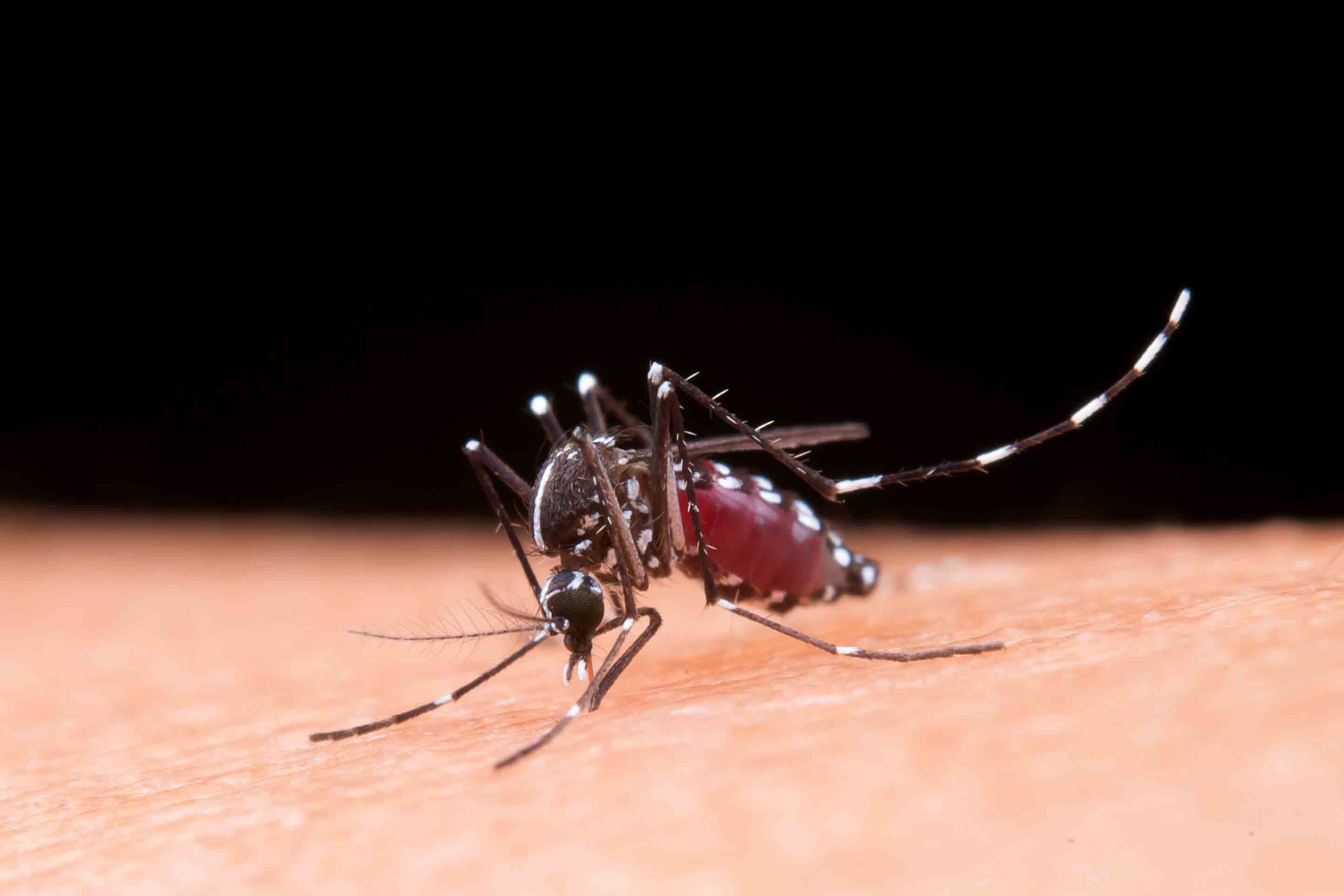
Mosquito saliva is what makes their bites so itchy, but it may also help viruses such as Dengue, Zika and West Nile to establish infections in the body.
Researchers have discovered that infected mosquitoes inject fragments of viral RNA alongside the viruses themselves, suppressing the body’s early immune response and making it easier for infections to take hold.
The finding could pave the way for a new approach to vaccination against mosquito-borne viral diseases.
What is in mosquito saliva?
Mosquito saliva contains a cocktail of proteins and other substances that help the insects to feed.
These include compounds that inhibit blood clotting, allowing mosquitoes to draw blood though their needle-like mouthparts.
Immune responses to some of these substances cause the familiar itching and swelling associated with mosquito bites.
Other components of mosquito saliva may also inadvertently help mosquito-borne viruses to establish infections.
For instance, a peptide in the saliva of Aedes mosquitoes called sialokinin makes small blood vessels more permeable, allowing immune cells that are susceptible to infection to enter the tissue surrounding the bite. Experiments in mice have suggested that this may boost infection with viruses including Zika.
Increasingly though, it seems viruses may also add their own ingredients into the mix.
Earlier this year, Julien Pompon at The French research institute MIVEGEC in Montpellier and colleagues reported finding fragments of viral RNA in the saliva of dengue-infected mosquitoes that appeared to suppress the body’s early antiviral defences, making infection more likely.
Now, research by the same team suggests that two other orthoflaviviruses, Zika and West Nile, may use a similar strategy.
Have you read?
How does viral RNA in mosquito saliva help viruses infect us?
In the new study, published in Nature Communications the researchers examined saliva from mosquitoes infected with Zika or West Nile virus, and found that both contained fragments of viral genetic material called subgenomic flaviviral RNA (sfRNA), packaged separately from the viruses themselves.
Experiments in human cells and skin samples showed that the more sfRNA the saliva contained, the more readily West Nile virus established infections. Studies in mice also suggested that its presence could worsen the severity of the resulting disease.
The researchers also investigated how these viral RNA fragments help the viruses to gain a foothold in the body.
Usually, when a virus enters a cell, it triggers the equivalent of a burglar alarm: the release of signalling proteins called interferons that alert other cells to the threat and activate their antiviral defences.
But sfRNA appears to disrupt this early warning system, weakening the initial immune response and giving the virus more opportunity to multiply.
“Altogether, our study establishes that multiple orthoflaviviruses secrete sfRNA in mosquito saliva to promote bite-initiated skin infection by inhibiting the innate immune response, thereby enhancing transmission,” the researchers wrote.
They believe this mechanism could be even more widespread, potentially helping other mosquito-borne orthoflaviviruses, such as Yellow Fever or Japanese encephalitis viruses, overcome the body’s early (innate) immune defences, establish infections and spread.
However, further studies are needed to confirm this, particularly as some of these viruses are transmitted by different mosquito species.
Pompon and his colleagues are also exploring whether components of mosquito saliva could provide useful targets for vaccination, potentially blocking processes that help multiple viruses gain a foothold in the body.
The FLAVIVACCINE consortium is currently identifying potential vaccine targets and testing candidates in animals, although no vaccine based on this approach has yet been shown to protect humans.
More from Linda Geddes