
In Liberia, a five-day vaccine push levels up protection against cervical cancer
More than 660,000 girls aged 9 to 18 across the country received their dose of the human papillomavirus vaccine.
- 18 December 2025
- 5 min read
- by Tina S. Mehnpaine
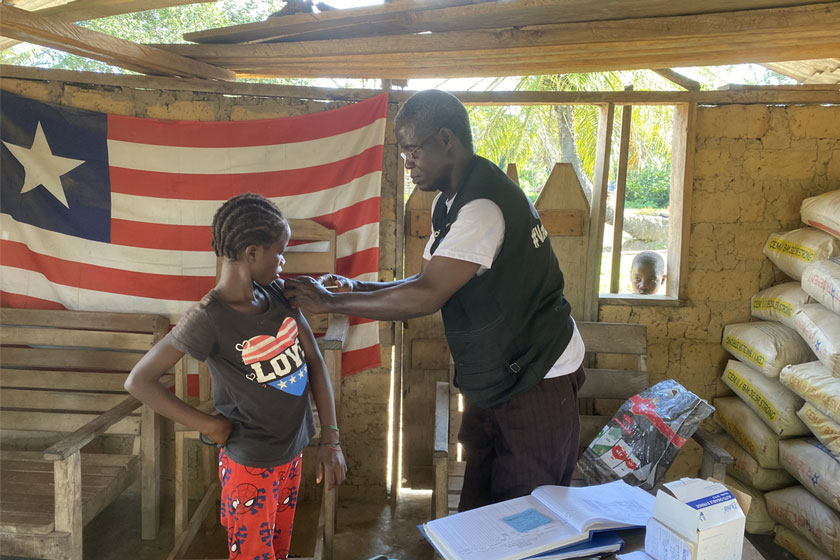
At a glance
- 665,958 girls aged 9–18 were vaccinated against the cervical cancer-causing human papillomavirus (HPV) during a five-day campaign conducted across Liberia in mid-November.
- Coverage with the HPV vaccine has fallen short of targets each year since the jab was introduced in 2018. This campaign, covering older age groups than usually eligible for the vaccine, caught up girls who missed out previously.
- “Today marks an important day for our health sector as well as the future of our girls in Liberia,” said Dr Louise Mapleh Kpotoe, Liberia’s Health Minister, an obstetrician-gynaecologist by background.
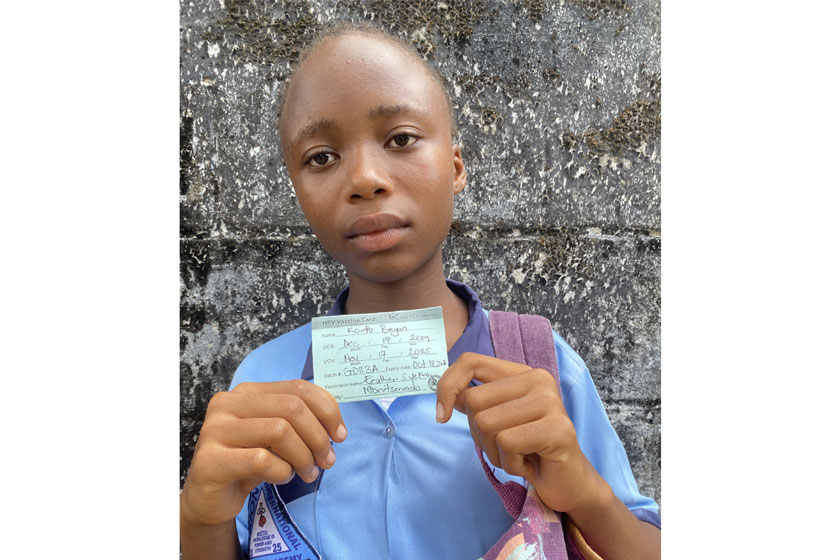
Sixteen-year-old Korpo Beyan is not bothered about the pain in her arm from the injection she has just received. Instead, she says the short-lived sting of the human papillomavirus (HPV) vaccine signals “relief from fear”.
The eighth-grader from Vision International Christian Academy in Liberia’s Paynesville plans to be a doctor one day – and that’s a future worth protecting. “I don’t want to grow up and die because of this disease or face problems during childbirth,” she said, still massaging the tender spot on her arm.
By “this disease”, Beyan means cervical cancer, which according to 2022 data, sickens more than 700 women in Liberia each year, killing close to 500 of them, for a fatality rate of 66%.
But because more than 90% of cervical cancers are caused by long-standing infection with HPV, an extremely common virus, the overwhelming majority of cases of the cancer are preventable with the single-dose jab. That, in turn, means Beyan’s generation have the opportunity to grow up safe.
Though Liberia introduced the HPV vaccine with support from Gavi in 2019, uptake each year since has been fallen short of targets. In 2024, for example, just 71% of the eligible population received protection.
To close the accumulated immunity gap, Liberia has launched a massive, multi-age cohort (MAC) vaccination campaign targeting girls aged 9 to 18. Korpo and her peers who missed out at age nine are now being vaccinated. The campaign, rolled out across all 15 counties from 17–21 November, constituted a sizable boost to a generation’s immunity. A total of 665,958 girls aged 9–18 were vaccinated, according to data from the Expanded Programme on Immunization (EPI) in Liberia.
“An important day”
“Today marks an important day for our health sector as well as the future of our girls in Liberia,” said Dr Louise Mapleh Kpotoe, Liberia’s Health Minister. From personal experience as an obstetrician-gynaecologist, she understands the profound losses caused by the disease: “Sometimes when you have just got married and have your children, then that’s when the disease comes.”
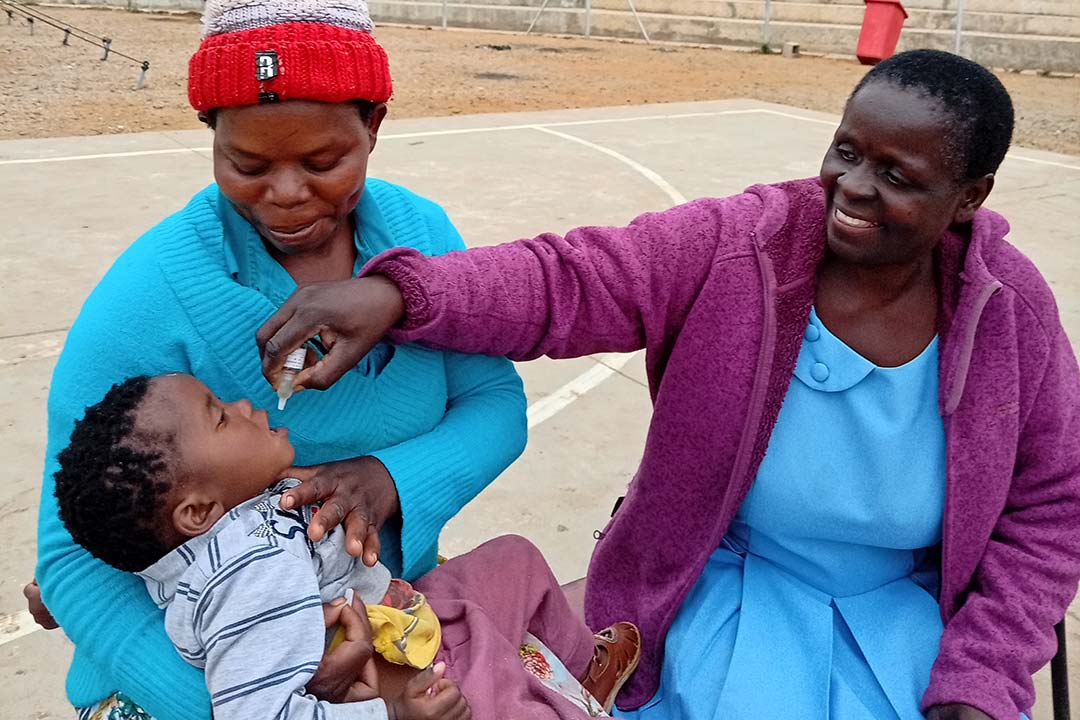
During the five-day campaign, eligible girls received a single dose of the vaccine at their schools – where visiting vaccinators set up immunisation outposts – or via their communities. Fatumata A. Sumaworo, a female school principal at the English and Arabic Islamic Institution, expressed strong support for the campaign. “The campaign is all about saving our girls because they are the future of the country,” she said.
Have you read?
As an educator, administrator and parent, Sumaworo says she has been engaging parents and her students on the importance of the jab, pushing back against the myths that the vaccine is dangerous for girls and causes infertility issues. “Everyone needs to come on board to help create awareness on the HPV vaccine,” she said. “The fight is for our girls’ future.”
Marching into the future
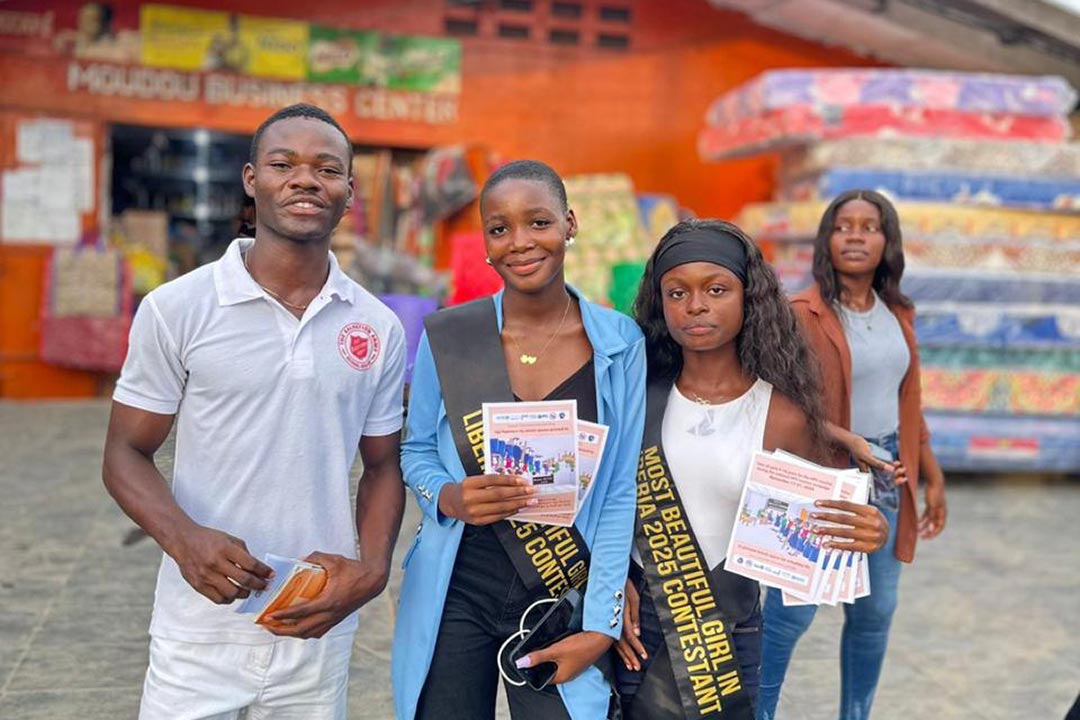
The campaign was greeted by a march from the Paynesville City Hall to the Paynesville Community School (PCS) and onwards to the Jonny Voker Mission Paynesville Community School. Male and female students walked side by side, in a show of solidarity. School administrators walked alongside their charges, too.
For Mark Joseph, the sun and long distance were no issue: walking to show support to girls was his goal. “I know men do not get cervical cancer, but our sisters do,” he said.
Like Beyan, 18-year-old Veroline Karba, a tenth-grade student at the Paynesville Community High School, says she is happy to have received her vaccine. “This vaccine is important because it will stop you from getting cancer, especially for the womb.”
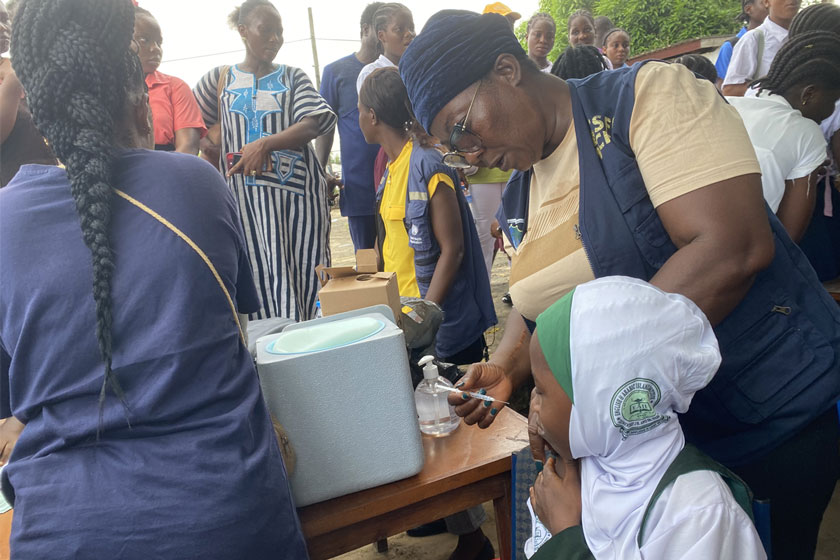
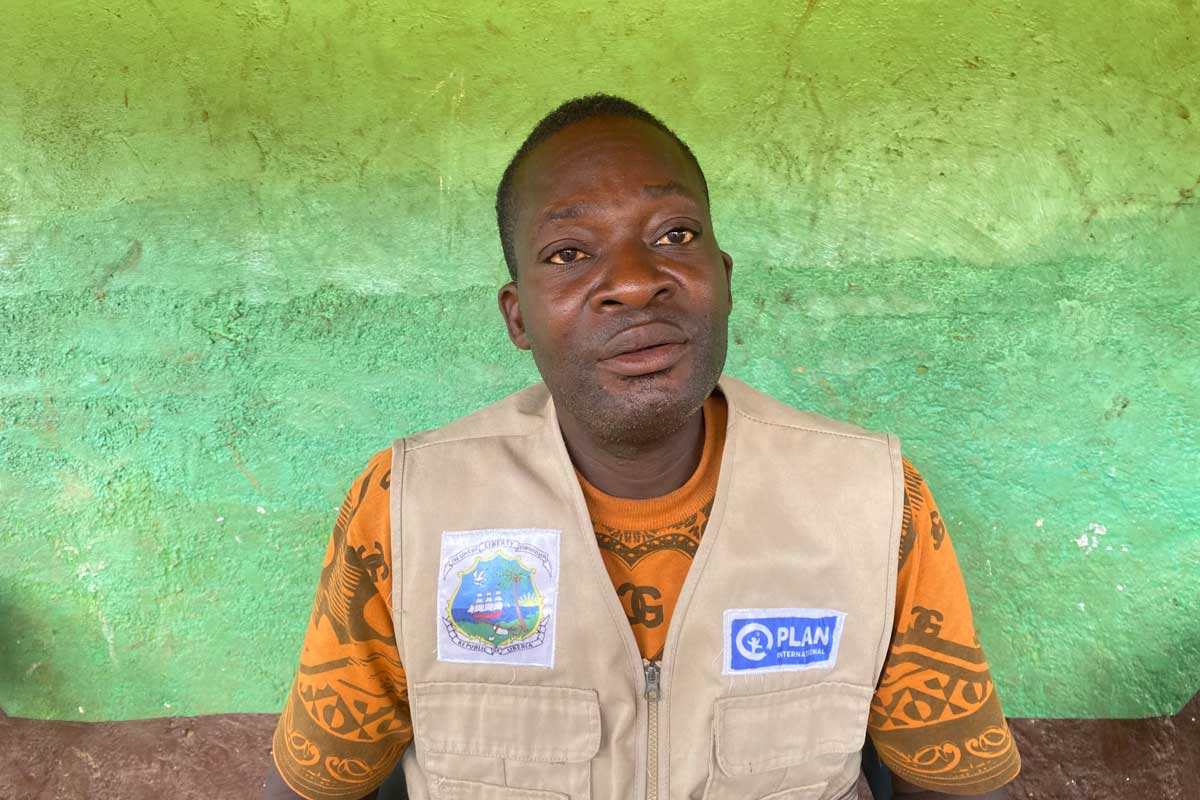
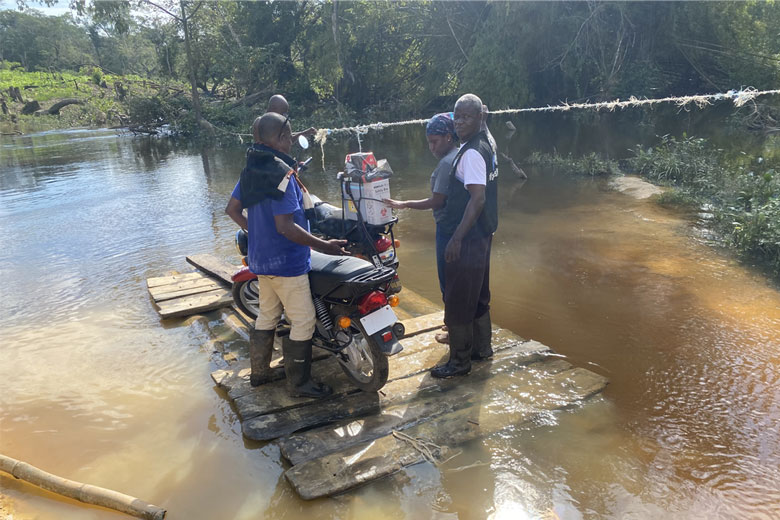
Beyond the campaign, the HPV vaccine remains part of the country’s routine immunisation schedule, meaning it’s available as normal at health centres and facilities, and through outreach workers across the country. Jerry Karn, a rural volunteer vaccinator from Nimba County in Liberia’s north, says HPV is one of the vaccines he takes with him in his cooler box during his monthly trips to remote village communities. “You don’t get them coming to the hospital, so we take it with us and ask the parents if they have a girl who is nine or above, and if they have taken the vaccine,” he said.
Overcoming obstacles to save the girls
Like many previous nationwide campaigns, the exercise was hobbled by inadequate supplies: syringe, cotton wool, vaccine carriers and cards fell short. However, these gaps were identified on day one, and addressed through emergency requisitions and deliveries, says the EPI.
Also, some facilities faced refrigerator issues, requiring fast cold chain repairs. The myth that the HPV vaccine caused low fertility was identified during the campaign, but these too were able to be addressed via trusted community leaders and women’s leaders.