
In Sierra Leone, a million girls shielded from a cancer that kills 70% of the women afflicted
“This is how you protect your daughter before she is ever at risk,” said Health Minister Austin Demby.
- 17 December 2025
- 5 min read
- by Saidu Bah , Gavi Staff
At a glance
- More than one million Sierra Leonean girls aged 11 to 18 were protected from the human papillomavirus and from future cases of cervical cancer during a weeklong November vaccination campaign.
- The campaign is a milestone for a vaccination programme that has previously seen coverage hampered by two great epidemics: Ebola in 2014, and COVID-19 in 2020.
- “We are drawing a line in history that separates what used to happen to our girls, as cervical cancer quietly claimed the lives of too many women in our country,” said Minister of Health Austin Demby. Currently, the disease kills as many as 70% of the women it sickens.
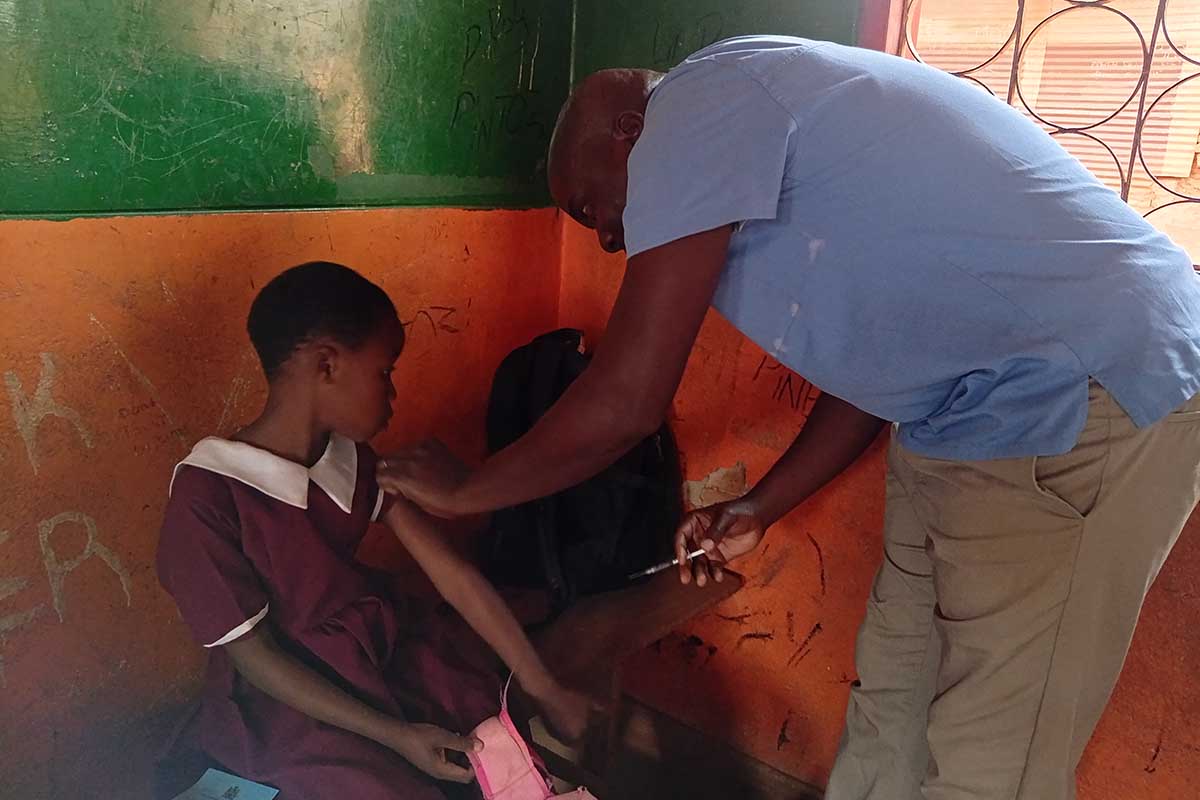
Over the course of a week last month, schools across Sierra Leone saw hundreds of thousands of adolescent girls form up in long queues to receive the cervical cancer-blocking human papillomavirus (HPV) vaccine.
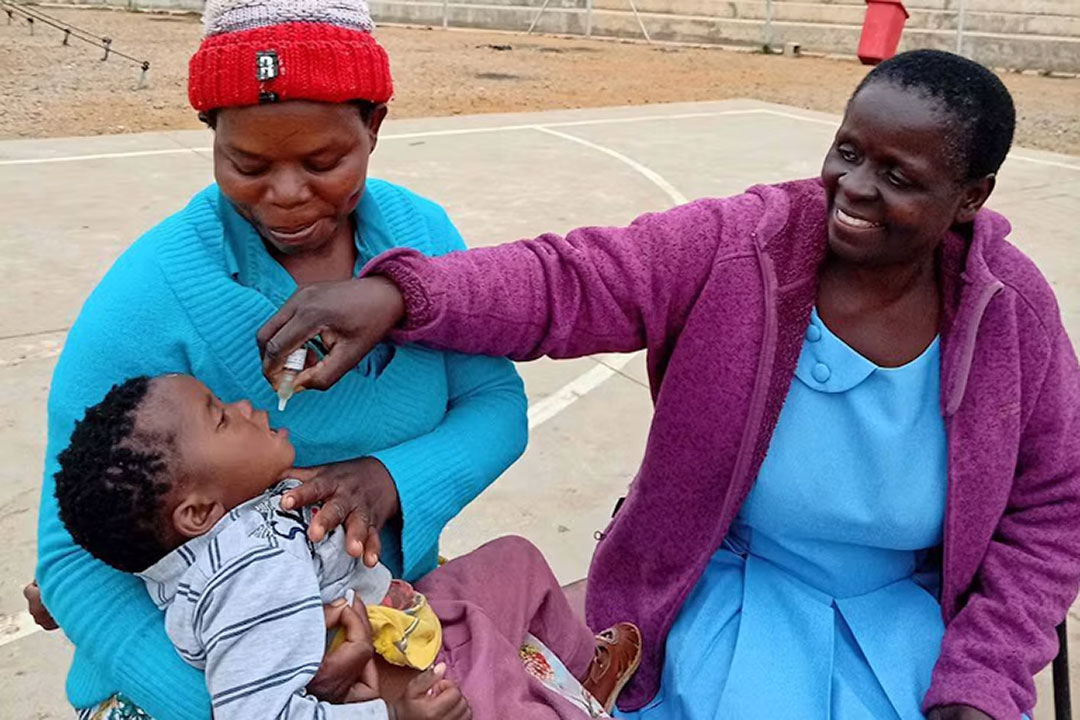
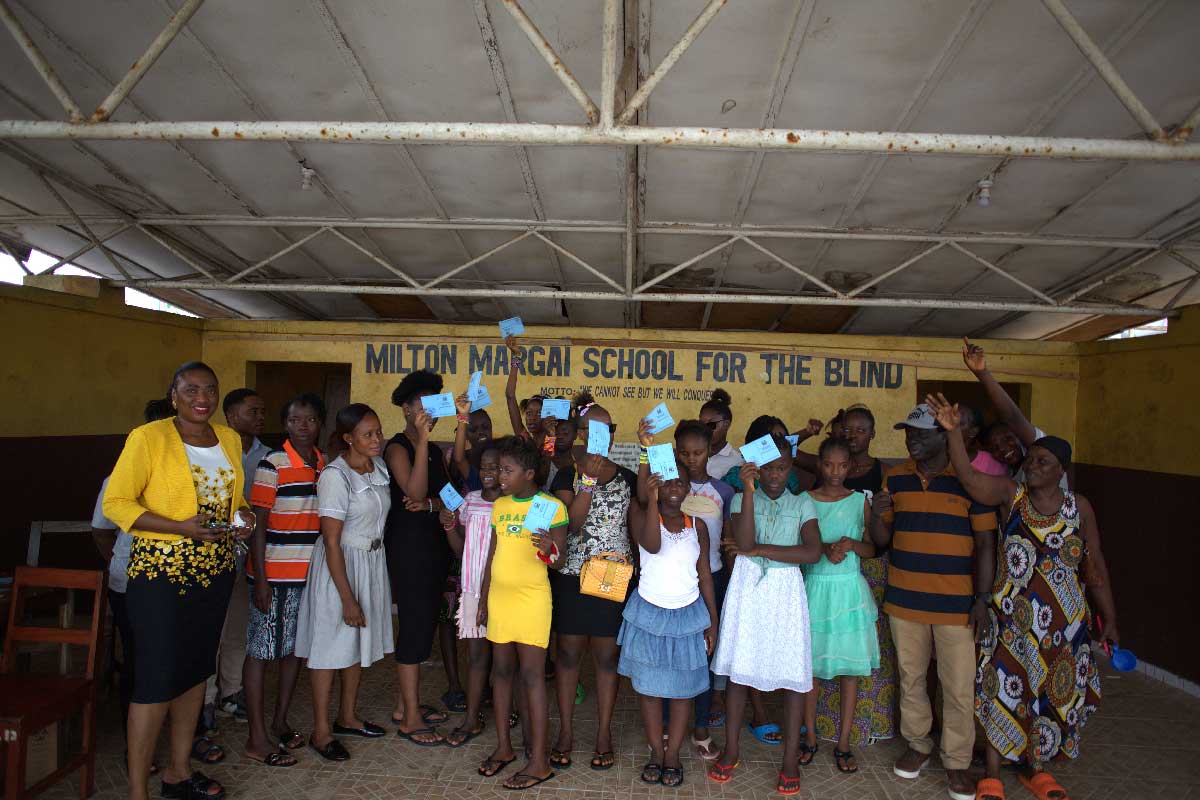
At Milton Margai School for the Blind in Freetown, vaccinator Fatmata Wright was on hand to soothe the needle-shy and to dole out protection, dose by dose. “I hold their hands and shoulder calmly, and talk to them briefly before I give them the vaccine, and I tell them that the vaccine is safe and effective,” she told VaccinesWork.
“I’m happy to receive the vaccine dose,” reported Mariatu Kamara, aged 16 and freshly immunised. “The process was fast and easy – I just felt a mild pierce on my arm and it didn’t hurt a lot.”
But arriving at this point has been far from “fast and easy” for the country’s health system.
Turbulent journey
The decade since Sierra Leonean policymakers first decided the HPV vaccine merited the necessary investment of resources has been turbulent. Two spectacularly devastating viruses ran interference, hobbling the programme before it could get off the ground.
“We started the HPV vaccine pilot in 2013 in Bo, southern Sierra Leone, and the plan was to immediately cascade across the country,” said Dr Desmond Maada Kangbai, programme manager at the Expanded Programme for Immunization (EPI). “But in 2014 we had the Ebola outbreak. Few years later, we had the COVID-19 pandemic, so we were not capable of cascading the vaccination effort.”
A nationwide roll-out of the HPV jab had to wait until 2022. It was limited: “It was only given to girls aged 10,” Kangbai explained.
November’s large-scale campaign made the jab available to girls aged between 11 and 18 – a leap, not just a step, towards what Kangbai termed “our main target”: the elimination of cervical cancer.
Most of the one million girls who make up the target group are in schools, “[but] we also did community vaccination for those that are not in schools,” said Kangbai, adding, “We reached out to all of them during the campaign.”
Honouring lost women
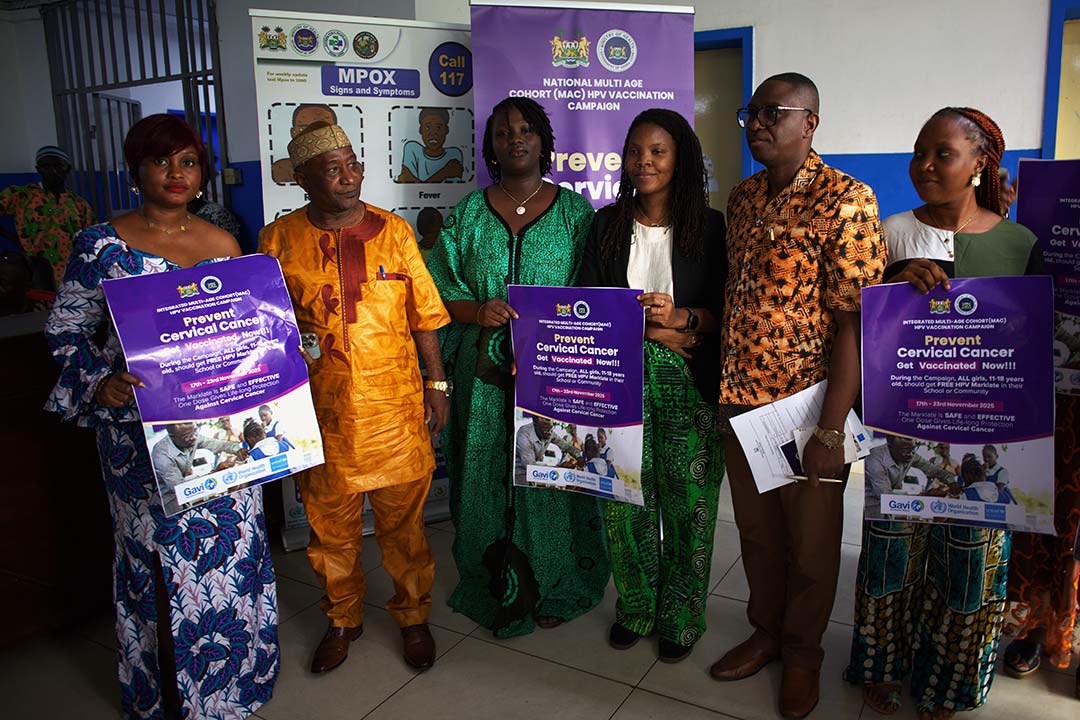
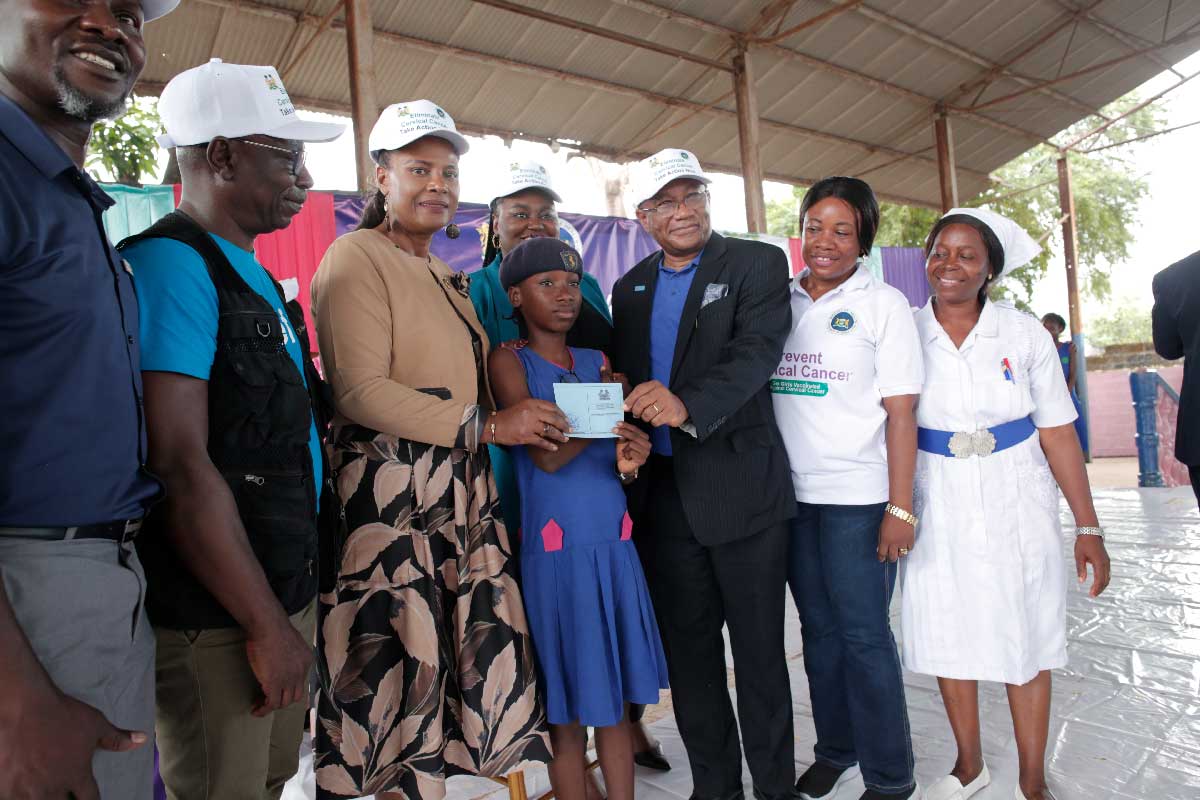
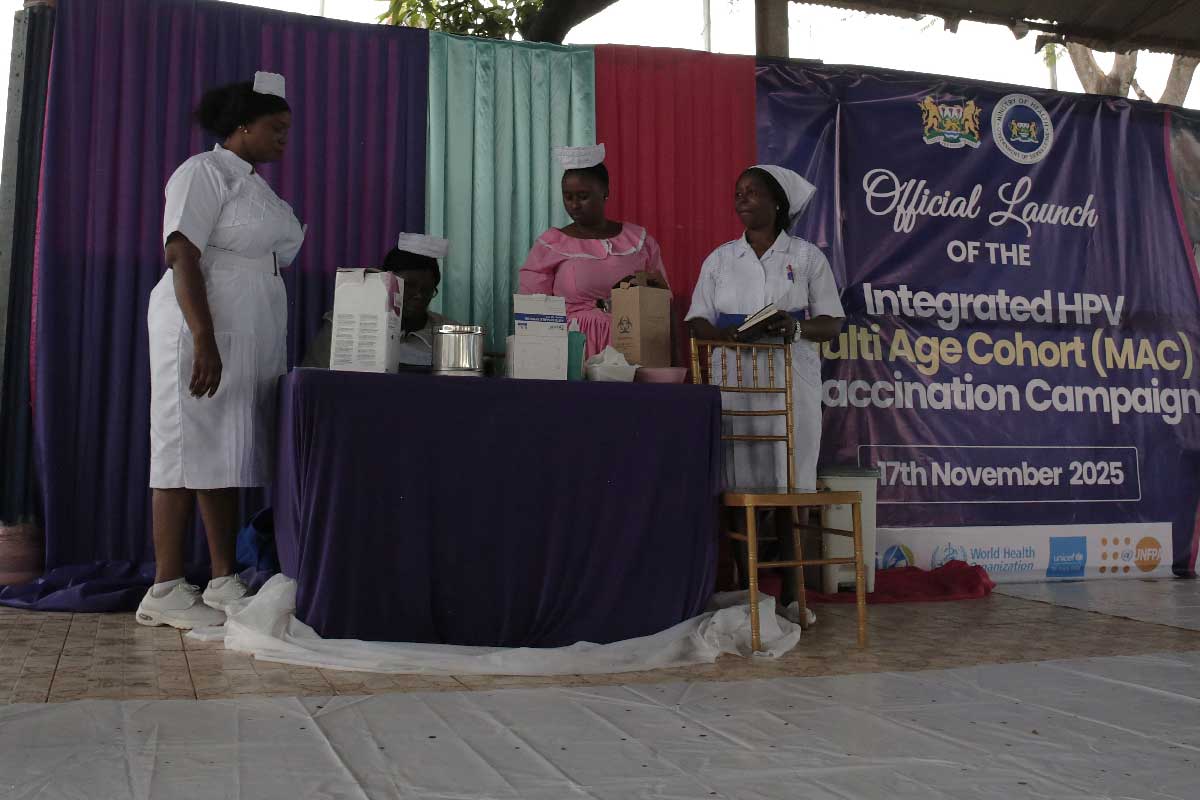
The second deadliest cancer among Sierra Leonean women after breast cancer, cervical cancer currently kills more than 70% of the women diagnosed with it each year. Those deaths are tragic, because they’re preventable, underscored Minister of Health Austin Demby. He spoke at the campaign launch at St Joseph Secondary School in the capital, a moment he cast as a watershed in women’s health.
“We are drawing a line in history that separates what used to happen to our girls, as cervical cancer quietly claimed the lives of too many women in our country,” he said.
The Health Minister called on all of Sierra Leone to step up and play their role in “a girls-centred intervention to prevent, protect and honour every woman who has lost the fight in despair.”
Doing so would mean ensuring broad coverage. “We are determining that no [eligible] child should miss out on protection at the community level as parents are declaring to say: yes. Health workers are showing up, teachers are creating space: this is how you protect your daughter before she is ever at risk,” he said.
Misinformation vs. life
But as veteran social mobiliser Thomas Kaku Harding saw on his Freetown rounds, that message didn’t find an enthusiastic reception everywhere.
Some school heads initially expressed concern that the vaccine was gender-targeted to girls only – though those concerns tended to ease when Harding explained that while HPV can cause certain cancers in men, the greatest risk is for cancers in female organs, most commonly the cervix.
Unfortunately, the cancer’s site in a reproductive organ has helped spur on a dangerous piece of misinformation about the vaccine that prevents it. “The challenge in some communities we visited is the unsubstantiated rumour that the HPV vaccine will stop young girls from giving birth in future,” Harding told VaccinesWork, echoing a myth that has been propagated in many countries, with deleterious effects on levels of protection in some places.
Have you read?
Record levels of safety
Despite that, 2025 has seen the world make a record leap forward on HPV coverage.
Sierra Leone has too: early data says some 1,003,987 girls were vaccinated during the November national campaign, for coverage of 116%. A majority – 663,225, according to figures from the EPI seen by VaccinesWork – were schoolgirls, while 340,762 were out-of-school.
Describing Sierra Leone’s November campaign as an effective collaboration between the Ministries of Health, Basic and Senior Secondary Education, and Gender and Children's Affairs, Gavi HPV programme manager Mary Adeoye said it had sent “a very clear message that Sierra Leone is determined to protect its daughters”. She added that Gavi-supported countries had collectively immunised 86 million girls against the cancer-causing virus as of mid-November 2025.
The acceleration towards that colossal number has been especially rapid in the last couple of years. More girls in lower-income countries had been protected with HPV vaccines in the last year than had been over the previous decade, Adeoye said.
That means that the world is also inching closer to achieving the World Health Organization’s “90-70-90” target for cervical cancer elimination, which calls for 90% HPV vaccination for girls by age 15, screening of 70% of women by age 35, and treatment for 90% of those women with pre-cancers or cancerous lesions.
Sierra Leone, for its part, is making progress towards each part of that tripartite objective. In fact, the vaccination campaign has folded in access to screening for older women. “We are doing an integrated vaccination drive to catch up on lost time during the past pandemics,” Kangbai explained.
Health leaders have every reason to hope that time made up will translate to lives saved.