
In Malawi’s townships, ‘relatable’ youths step up as mpox peer educators
Trained up on the facts by the Ministry of Health, a cohort of committed young people have taken to the trenches against both ignorance and misinformation.
- 11 February 2026
- 6 min read
- by Deogracious Kalima
At a glance
- 25-year-old peer educator Angeline Shwele calls herself and her fellow activists “the face of mpox awareness” in her community. Being both visible and relatable is crucial, she says.
- Nathan Chikondi, 23, loves the nightlife in Lunzu township, but understands that partying comes with risks. “I am one of the revellers, I must admit. So, I said why I don’t become useful at least once to my community, why I don’t become a peer educator?”
- With youth comes a certain infectious enthusiasm. Blantyre locals say youth-staffed mpox awareness campaigns see the same “energised crowds” as political rallies.
Until late last year, Ian Mwale, 19, a seller of dried street fish in Chirimba, Blantyre, one of the toughest townships in Malawi, had never heard of mpox.
Soja Kundile, 18, a bicycle taxi driver from the same township, had heard about mpox but had been assured – falsely – that it was a disease ‘only for sex workers and their clients’.
But in October, both abandoned their regular work briefly to attend an mpox vaccination campaign and awareness rally that was being convened locally. The event, organised by Malawi’s health ministry and its nonprofit partners, mobilised scores of young peer educators to disseminate health information about the epidemic disease.
“It was like a political rally, the energised crowds. Seeing 18-year-old peer educators, not old men, on the health teams, I was promptly sold on the importance of the mpox vaccine,” says Kundile.
Playing defence: vaccination and peer-education
Mpox’s rapid spread across countries has prompted the World Health Organization to declare the disease a “public health emergency of international concern” twice since 2022, most recently between August 2024 and September 2025. The virus spread to Malawi relatively late, with the first cases confirmed only in April 2025. Since then, according to the Public Health Institute of Malawi, the country’s cumulative confirmed case-count of mpox has reached 148, with diagnostic teams remaining highly vigilant for more.
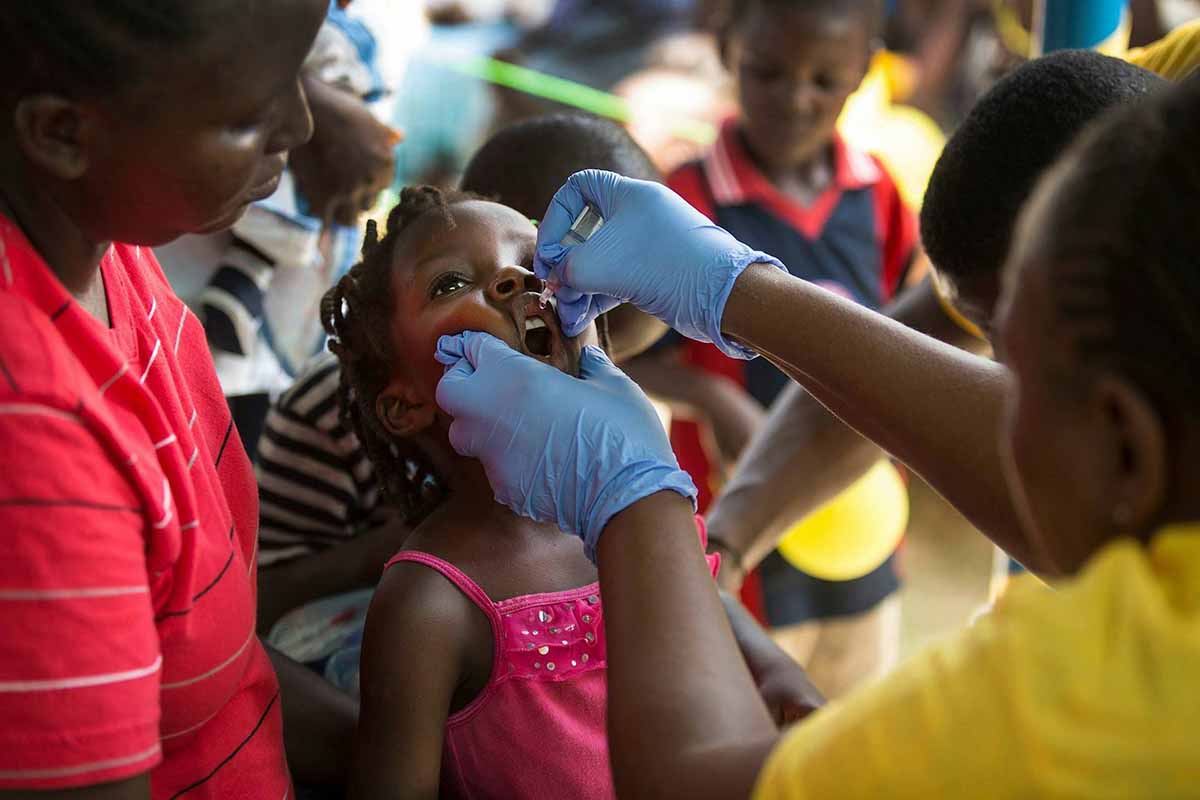
Mpox vaccines have been made available by the United States government and Gavi, and administered to frontline health workers and contacts of diagnosed cases, with 33,605 doses administered so far.
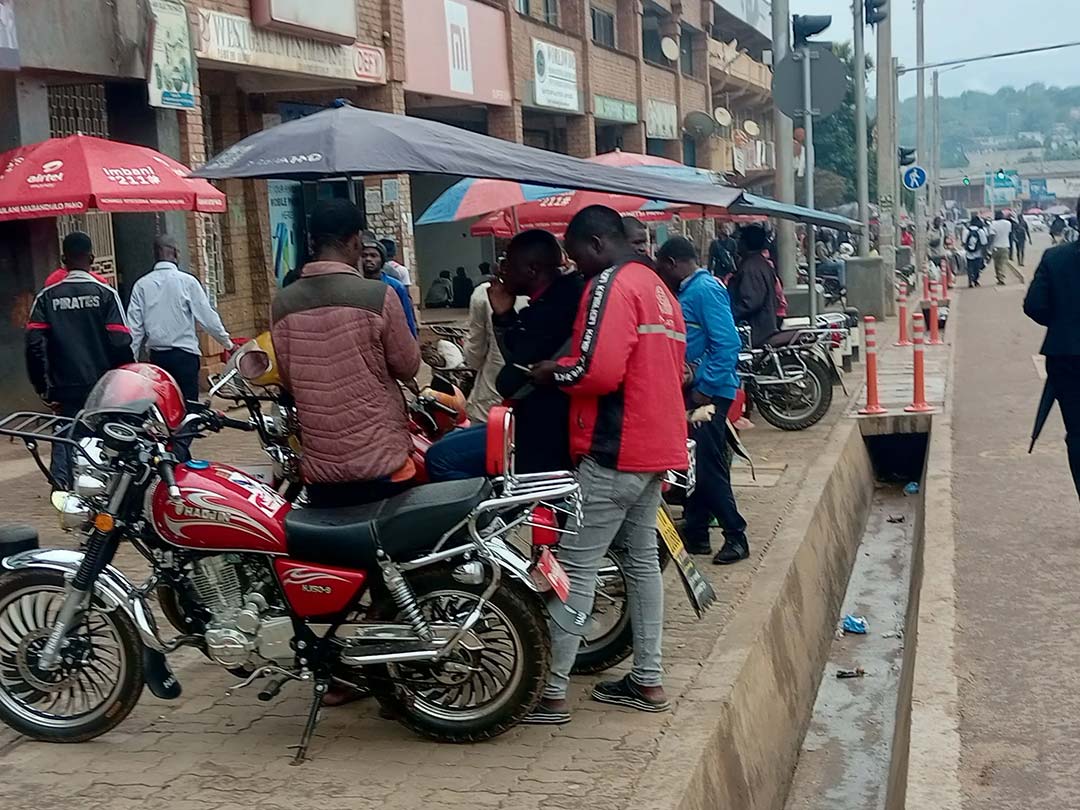
Credit: Deogracious Kalima
But vaccination isn’t the only means of protection available. Health education is a critical rampart against a virus that spreads through close contact, and often through sex.
Peer educator Angeline Shwele, 25, is one of a cohort of young people helping her generation learn how to stay safe – not only from mpox, but also from other communicable illnesses, like HIV. Their aim is to broaden awareness beyond frontline health workers, and make sure younger Malawians like Kundile and Mwale know to be on their guard.
Have you read?
She counts herself as part of a group of ten local youths who refer to themselves as “the relatable educators”.
Shwele, who works as a cook in the business district of Lunzu, a deprived semi-rural township on the edges of Blantyre, says, proudly, “We are not infected with mpox, but as youth peer educators, we are the face of mpox awareness.”
Being visible in the role is important to her. She recalls that her late parents told her that at the peak of HIV crisis in the 1990s, the biggest credit for slowing down the spread of the virus went to international partners like UNAIDS, Wellcome Trust, or the Gates Foundation. The role of community heroes like her mum, a community health worker, was “fairly invisible, minimised”.
“We set the record straight”
A working day in the life of an mpox peer educator like Nathan Chikondi, 23, also from Lunzu, involves taking what he calls a “whole-of-issue” approach.
This means distributing scientific information about mpox, how it is spread, who is at greatest risk, as well as carrying along condoms and HIV self-test kits. That’s because, in Malawi, just like in other nearby countries, the mpox threat interacts with the social conditions it encounters, including an already-elevated HIV rate.
“We divide the locations where we live for this work. For example, me and my [fellow] peer educators divide ourselves in Lunzu, and go about targeting youths at livestock markets, mosques, churches, brothels, beerhalls, sports fields with the message of mpox vaccine if they are already a high-risk person,” he says.
Chikondi says on the they have encountered disturbing misinformation about the disease and the vaccine along the way.
Most youths they chatted up dismissed concerns about mpox – wrongly claiming that the disease could be cast away by ‘anointed oil’, pseudoscientific remedies peddled by so-called faith healers. “Because we are trained correctly by the Malawi Ministry of Health on WHO medical guidelines, we set the record straight to youths and lessen the bigotry surrounding mpox,” he adds.
Partying hard, but a little more safely
Like many other young men from Lunzu, Chikondi likes the nightlife – including partying at informal beerhalls and brothels downtown.
It was when he attended mpox workshops at Lunzu Health Centre that he understood the interconnected risk of “zero social distancing,” condomless sex, STIs like syphilis and HIV, and mpox.
“The illegal beerhalls and brothels are unsanitary, yet every evening they are packed to the brink with drinkers. I am one of the revellers, I must admit. So, I said why I don’t become useful at least once to my community, why I don’t become a peer educator?” he says.
He calls his new approach “being everything”: confidently educating other youths about the medical facts of mpox and dishing out condoms – but over beers and laughs. “I enjoy this task, to be honest,” he says.
Like most of Malawi’s urban townships, Lunzu is blighted by poverty. Sex work, underage drinking and crime are part of the landscape here. Chikondi says: “We are always on the street; our life is outdoors. This creates easy chances to mingle with youths in one place. Though youth are found in unlicensed pubs, and brothels – that’s an opportunity too, to sell them the correct facts on mpox.”
Getting the vaccines out there
Erico Jani, a nurse at the Zomba Central Hospital, 37 miles north-east of Blantyre, who the youthful peer educators have helped make the early vaccine roll-out a success, says: “The messaging is not for the non-medical community alone. The peer educators also help rural nurses who might not have information about the vaccine’s availability,” she said.
Unathi, 44, a sex worker in Blantyre says she is glad that her small group of sex workers have been prioritised alongside health workers for early mpox vaccination. She reports that her tight-knit circle was also “first” to get the COVID-19 vaccine, first for PrEP, and first in line to get human papillomavirus vaccines for their daughters. “We got the mpox vaccine – and if were it not for limited stocks – ten other sex workers at our brothel wanted it too. We know what’s at stake,” she says.
Madalitso Baloyi, Malawi’s health minister, told a public meeting that the next stage in 2026 is to extend immunisation to the general population on a ‘first-come, first-served’ basis.