
How a cup of tea and an open conversation helped marginalised children get vaccinated in Mauritania
A community-led initiative is offering a second chance at safety to children living in the slums of Nouakchott.
- 30 September 2026
- 4 min read
- by Olivier Konan
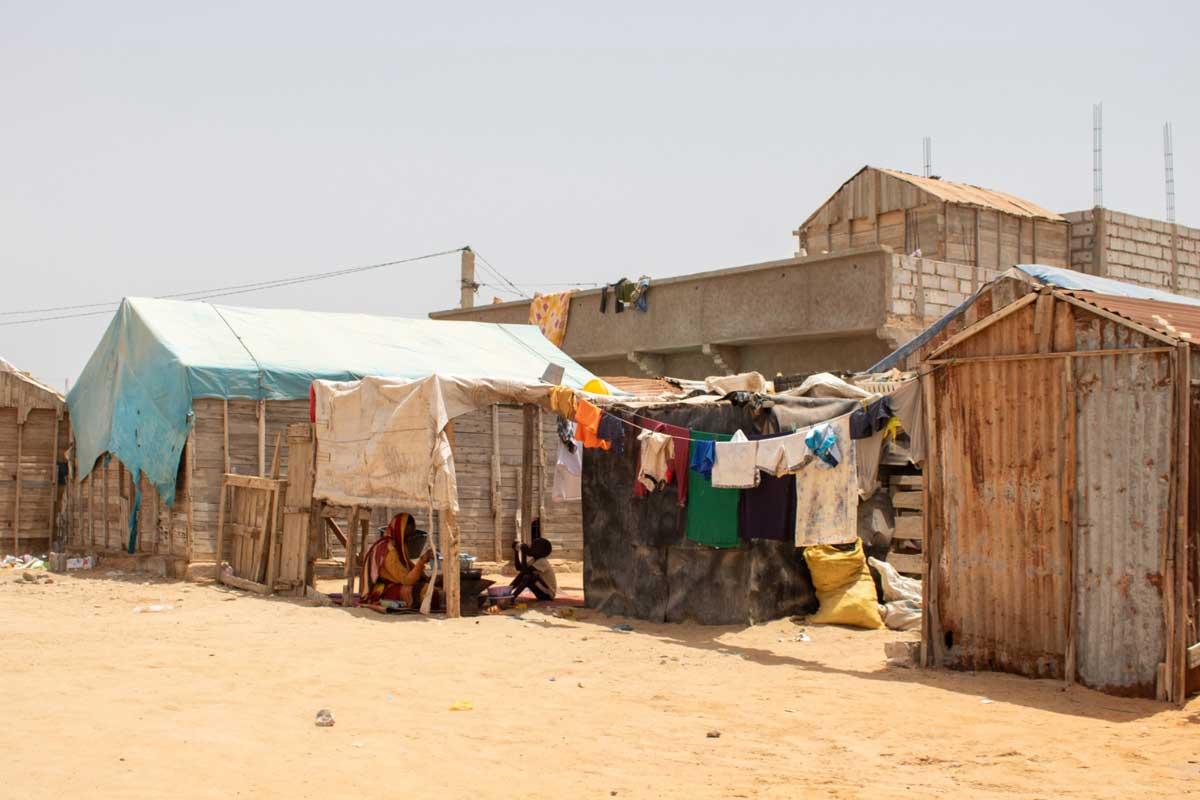
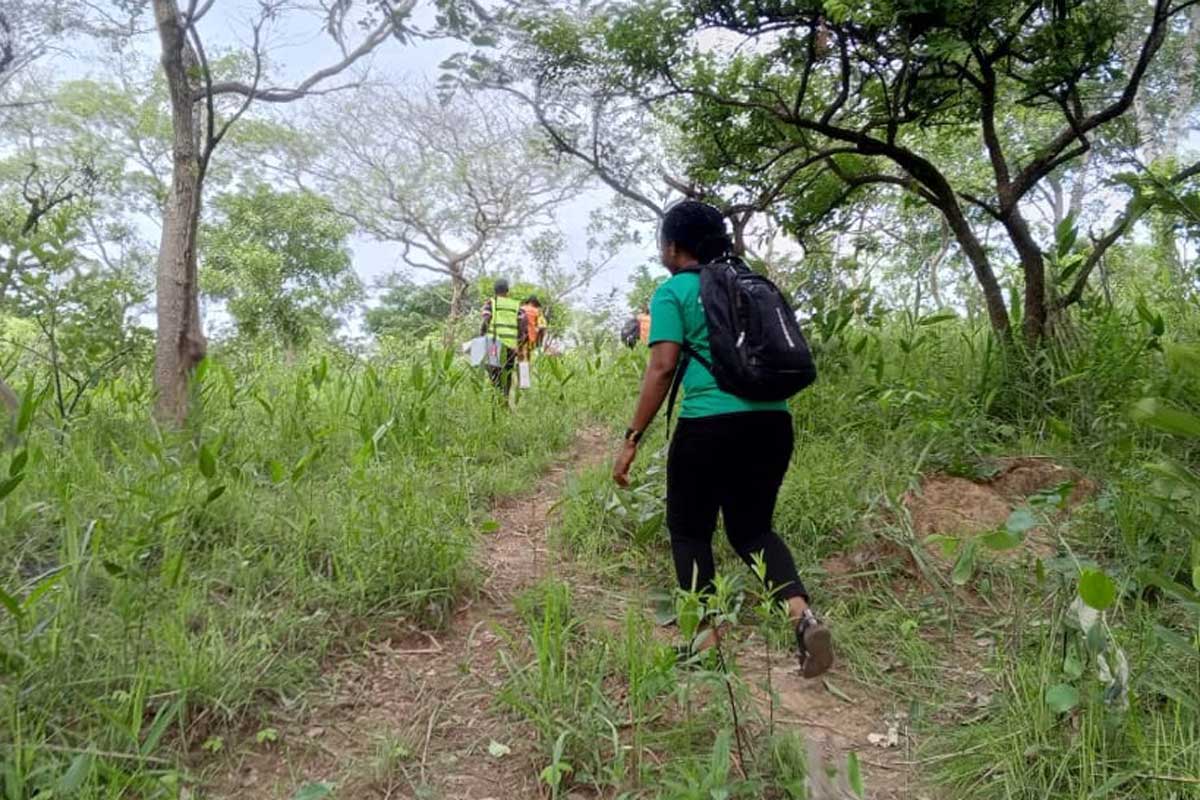
It’s just before 09:00 and already the sun is beating down in Dar Beïda, in Mauritania’s capital, Nouakchott. Community awareness specialists from the civil society organisation Santé Globale wind their way down a network of narrow alleys in the El Mina neighbourhood, as children run around them, and stray goats bleat.
They are making rounds on behalf of an immunisation project called VACCIPROTECT, which is based on a simple idea: if children cannot come to the vaccine, then the vaccine must go to them.
For Vatiemetou Mayssara, one of 40 community awareness specialists employed by the project, that means knocking on doors. It’s the most direct way to reach mothers with accurate health messaging to inform their choices, while also offsetting some of the structural conditions that put certain children at a disproportionate risk of being overlooked.
A complex diagnosis
Mariem and Ethmane Mohamed are two such children.
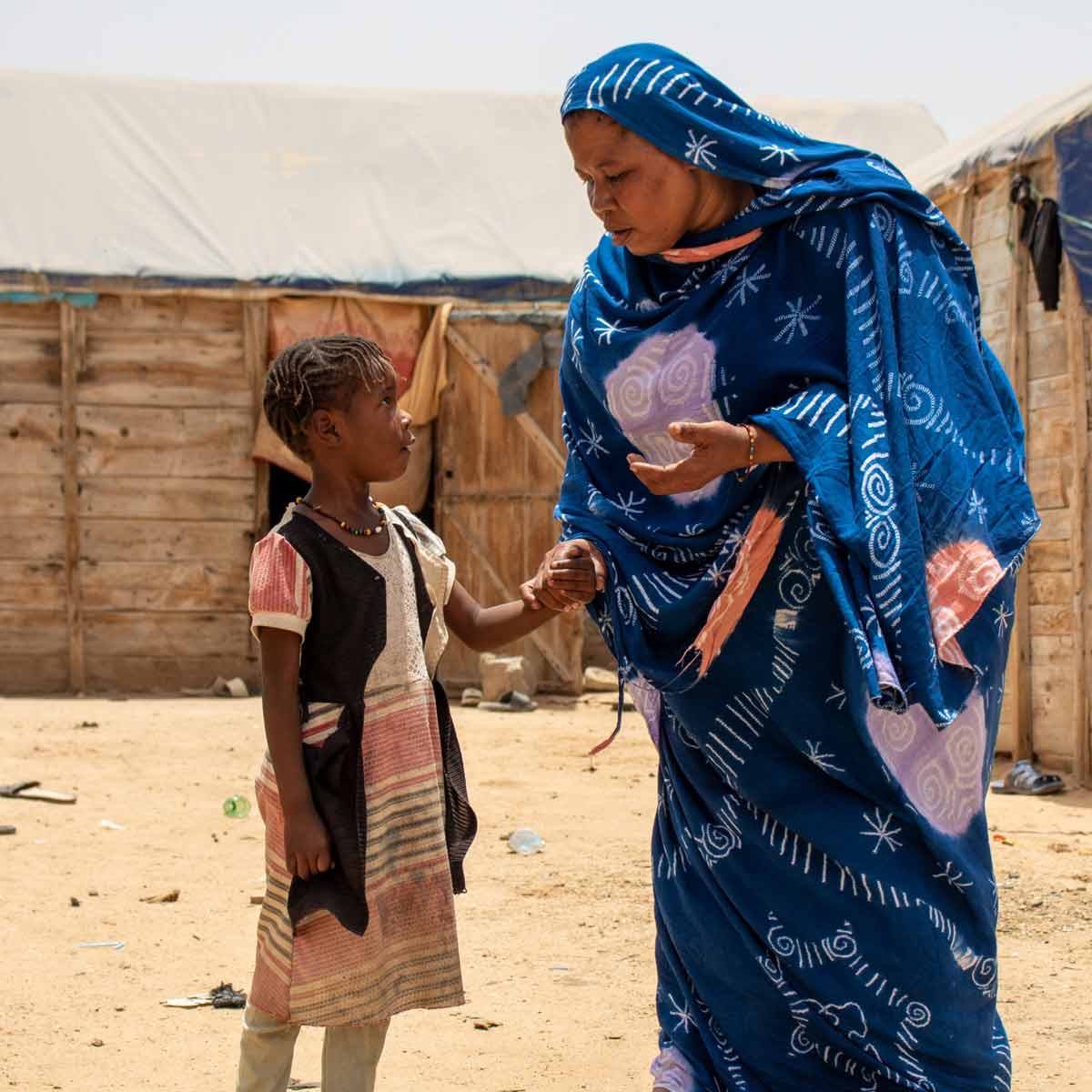
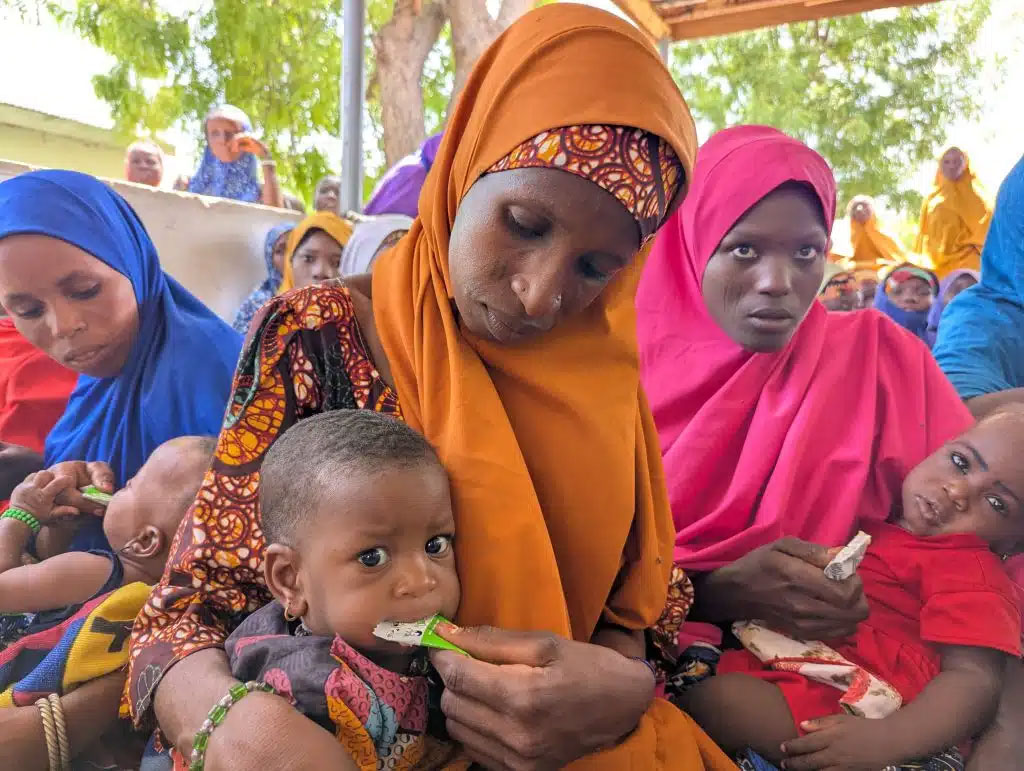
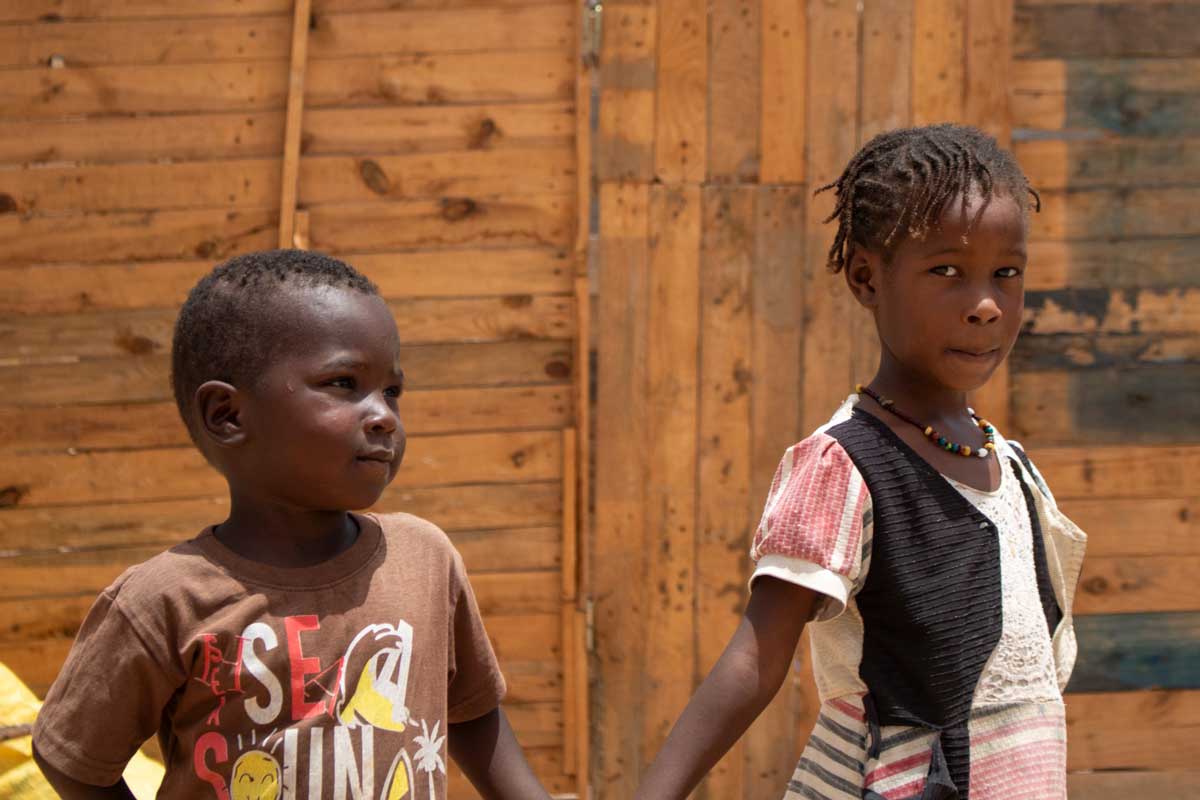
Mariem received vaccinations against hepatitis B and polio on the day she was born at the Soueissara Mother and Child Health Centre, but hasn’t received any vaccine doses since, her mother Aichetou Mohamed explained. Mariem’s younger brother Ethmane has also remained unprotected.
The distance from the nearest immunisation clinic, which lies two hours’ walk from home, as well as long queues and sometimes-brusque health workers had all acted as a deterrent, but the deciding factor for Aichetou were the unfounded rumours that vaccines might cause harm to children. “I started to get scared, and I ended up giving up,” said Aichetou.
The story of Mariem and Ethmane is a common one here. “Between the distance from the Dar Beïda health centre, apathy and misinformation, many mothers end up doing nothing, leaving their children without vaccination follow-up. Our role is to help them make the right decision,” explains Vatiemetou Mayssara.
Frayed connections
Nouakchott has a population of more than 1.4 million, accounting for 29.4% of Mauritania’s people.
The city’s rapid growth has led to the emergence of informal settlements on the outskirts of the capital, and health services are struggling to keep up.
A large proportion of the families who live in the makeshift dwellings on the city’s fringes are displaced or migrating because of crises in neighbouring countries. These families are already disconnected from the Mauritanian system, and it is rare that a new child’s birth is registered. Information flow between the health system and these families is consequently hampered from the get-go.
“It’s not that mothers [in these neighbourhoods] refuse to vaccinate their children. Mothers sometimes lack the time, information or means to visit a healthcare facility,” explains Bineta Fall, health coordinator for VACCIPROTECT.
Tea and dialogue
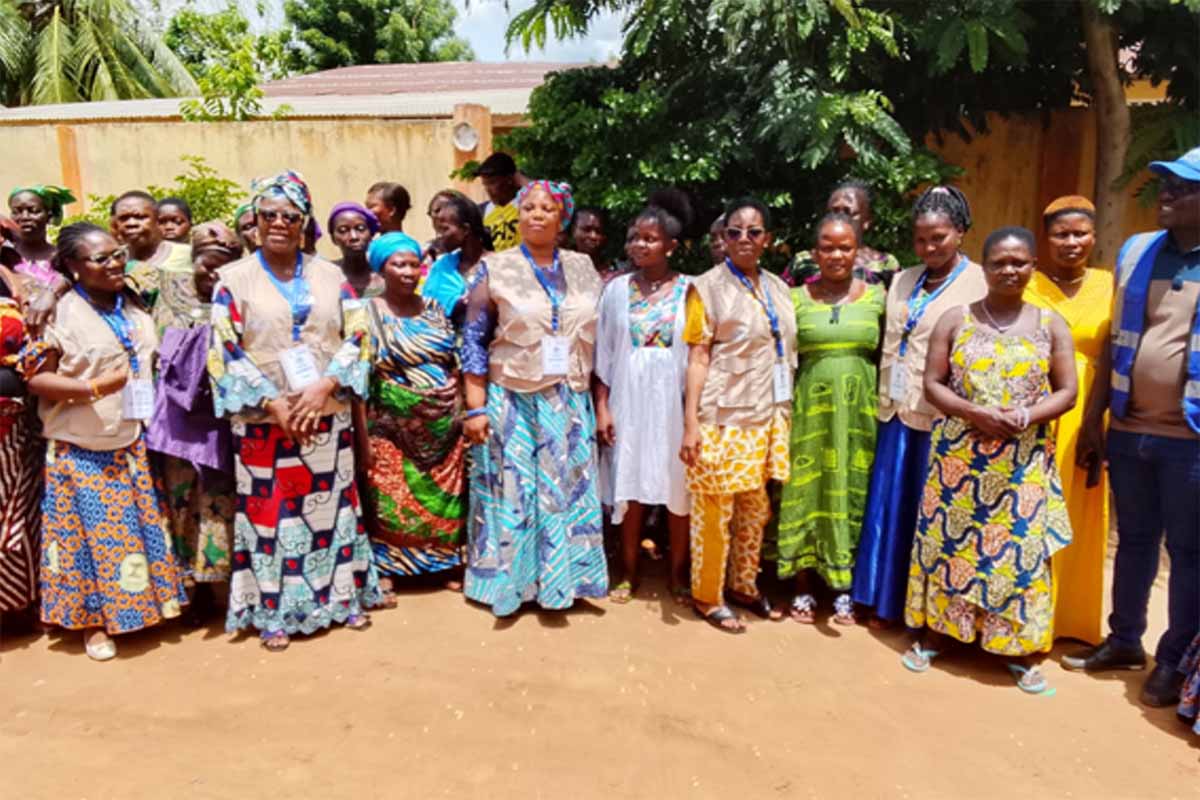
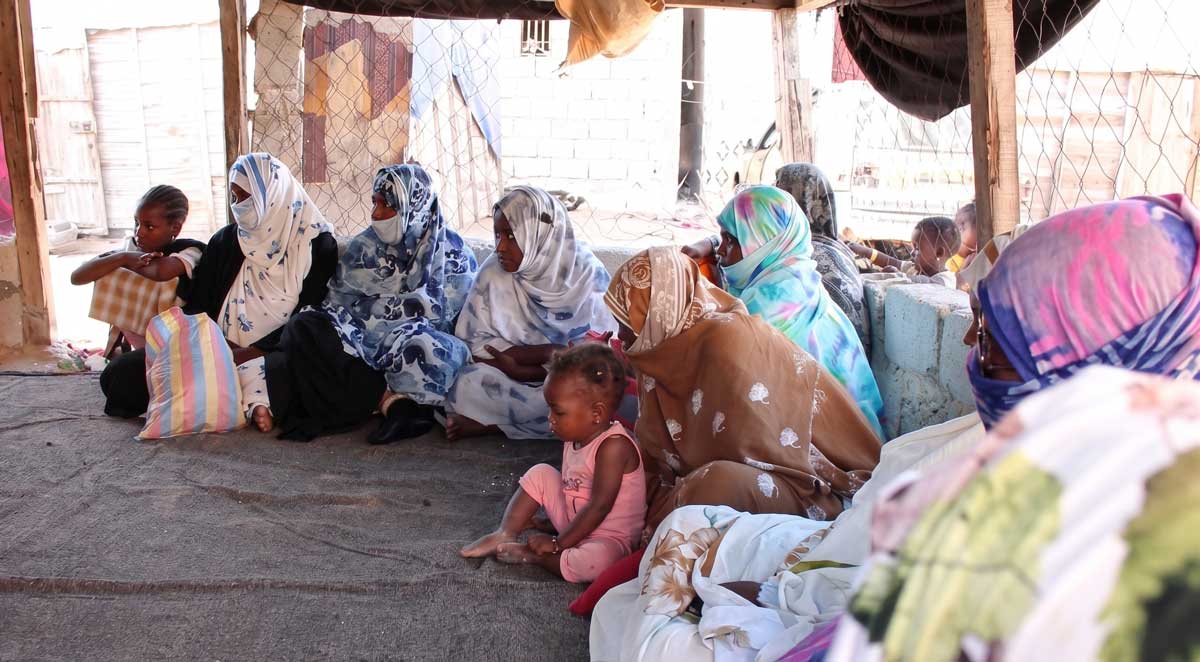
The first step to fixing that problem is re-establishing the opportunity for proper communication. Each week, the VACCIPROTECT community awareness specialists organise separate men’s and women’s discussion sessions at volunteers’ homes in El Mina. Cups of tea help the conversations at these gatherings flow more freely.
These teatime sessions have created an opportunity for neighbourhood leaders, community organisation representatives and religious leaders to step up and help allay fears about vaccines.
Hassen Ivecou, Imam of the Tenweich Mosque in the neighbourhood of Toujounine, El Mina Municipality, has taken part in community meetings. “Protecting children’s health is everyone’s business, and more particularly the responsibility of every parent,” he said.
For Aichetou, finding her place at those regular meetings inspired renewed confidence. She has since made sure both Mariem and Ethmane have been caught up on their missing vaccine doses.
More than just talk
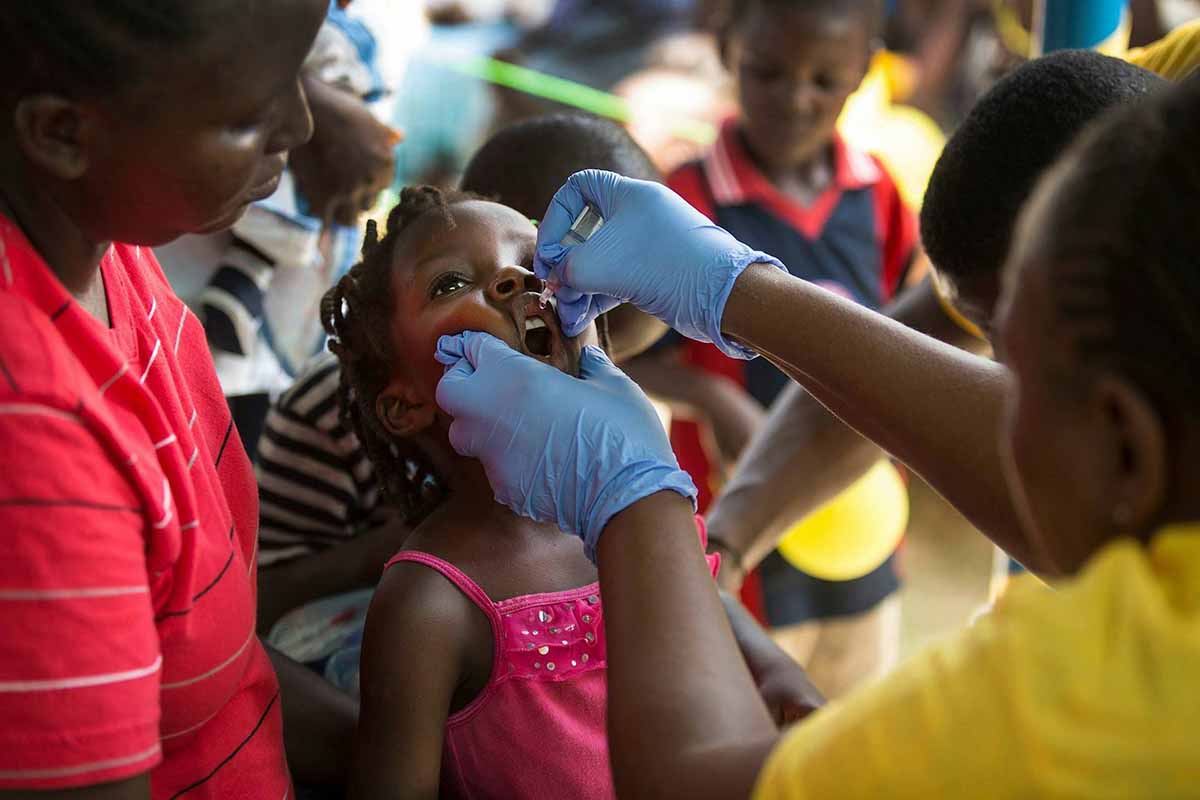
Between May 2025 and May 2026, VACCIPROTECT project enabled more than 14,744 children to be vaccinated – including 603 girls against the cancer-causing human papillomavirus – during 585 outreach sessions organised in the outlying neighbourhoods of Nouakchott. Thousands of women also took part in the weekly talks and focus groups.
How is Gavi helping?
To help increase immunisation coverage in lower-income countries, Gavi has launched a series of funding opportunities for civil society organisations (CSOs) to deliver projects targeting zero-dose children and under-immunised communities via its CSO Fund Manager.
MannionDaniels, a global health and social development consultancy working in a consortium with Oxford Policy Management (OPM), currently fulfils this role, providing end-to-end grant management services.
With support from Gavi through this funding mechanism, CSO Santé Globale, in collaboration with the EPI and the three regional health directorates of Nouakchott, launched the VACCIPROTECT project which ran from May 2025 to June 2026.
How is Sante Globale reaching Zero-dose children in Mauritania?