
A strong El Niño is coming: could it lead to more disease outbreaks?
Climate experts warn that we should expect “hotter than normal” temperatures worldwide from June to August this year. Infectious disease specialists say we need to start preparing now.
- 4 June 2026
- 9 min read
- by Priya Joi
At a glance
- The UN says a predicted strong El Niño this year will be like pouring “fuel on the fire of a warming world”.
- El Nino can increase global temperatures and drive extreme weather patterns like floods. Infectious disease experts say it’s likely to increase the risk of infectious disease outbreaks, such as cholera.
- Vaccines, surveillance and early response systems can reduce deaths, but limited supply means doses must be carefully targeted.
Climate experts are predicting a particularly strong El Niño this year that is causing concern among disease experts.
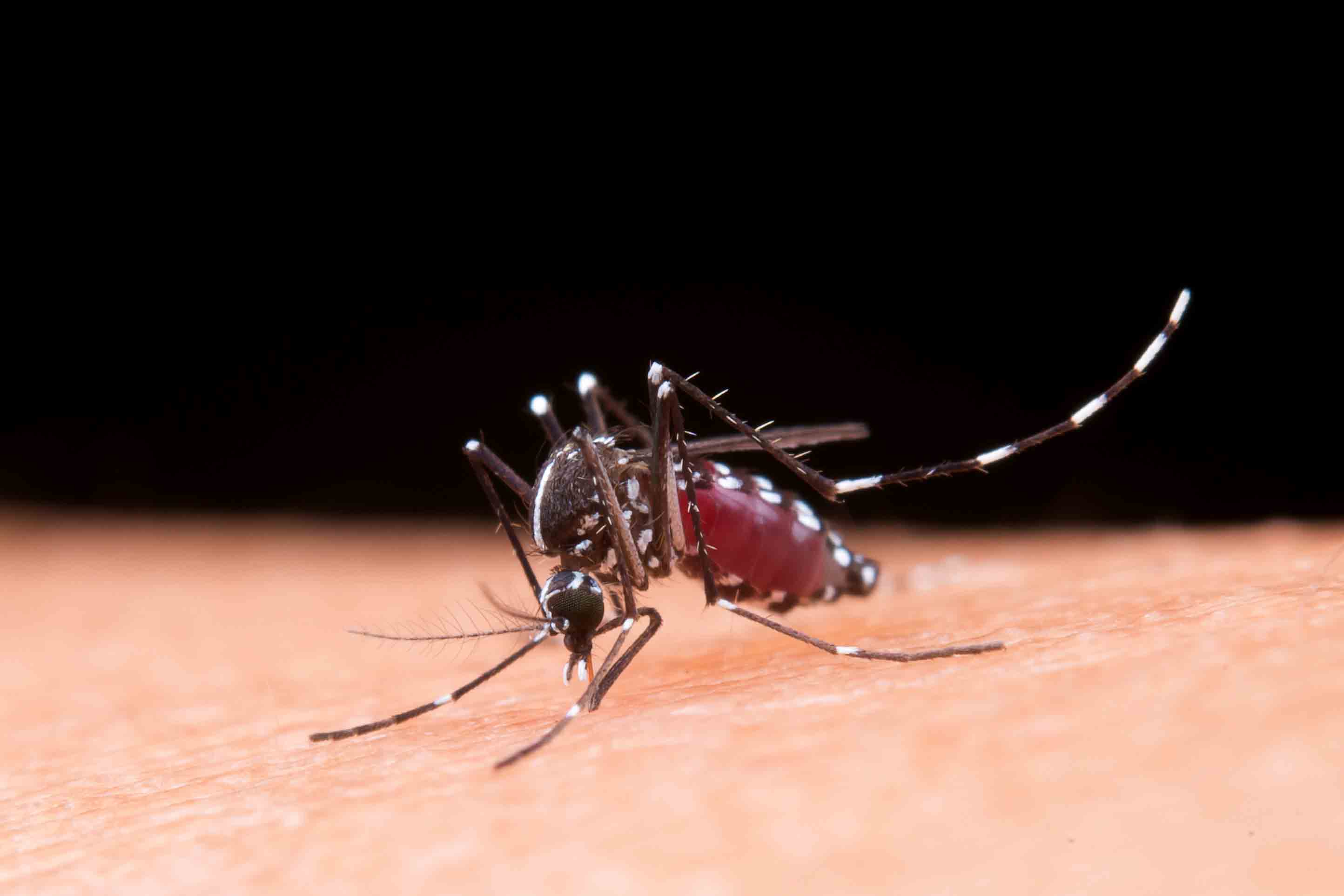
The weather phenomenon is likely to trigger more extreme weather conditions like floods and droughts that could cause a surge in diseases like cholera, malaria and dengue.
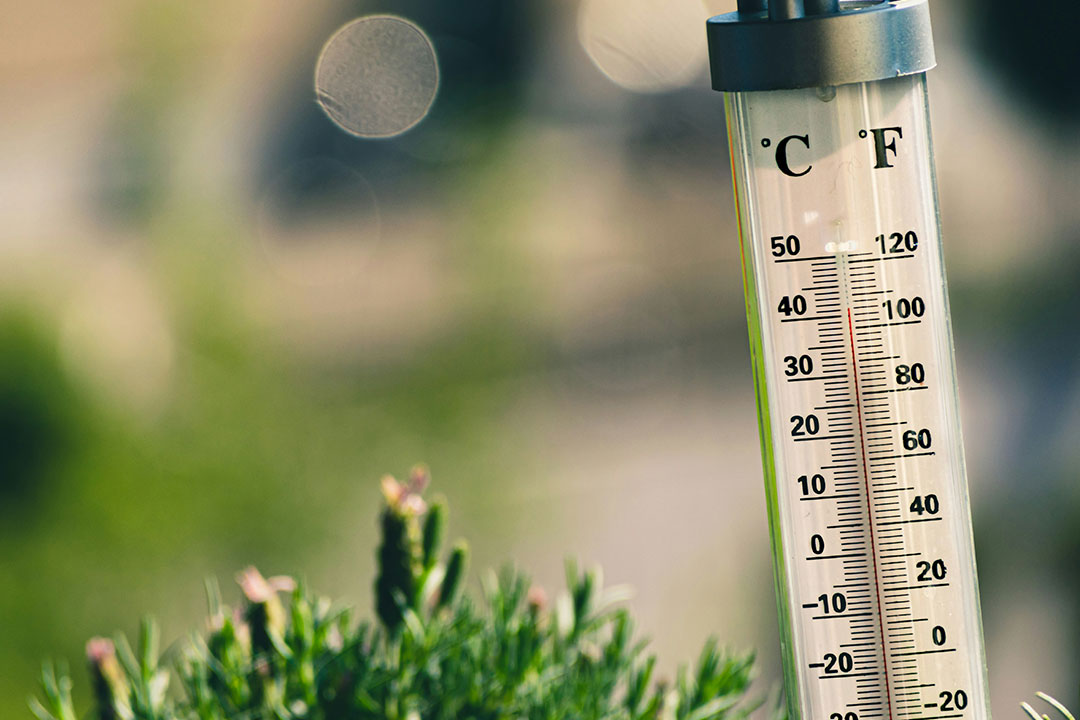
On 2 June, the World Meteorological Organization (WMO) confirmed that a strong El Niño event is highly likely from June to August, and it could well continue until November.
“The science is clear: El Niño is arriving on our doorstep in the coming months with 90% certainty. The world must treat it as the urgent climate warning it is,” said UN Secretary-General António Guterres in a video statement accompanying the announcement.
“El Niño conditions will pour fuel on the fire of a warming world,” he added.
Climate change is making extreme weather more frequent and severe in many parts of the world, and El Niño can supercharge those impacts.
Heavier rainfall and flooding in some areas, drought in others, and warming sea surfaces all increase the risk of infectious disease outbreaks, particularly in places where water, sanitation and health systems are already under pressure.
For waterborne diseases such as cholera, heavy rains and flooding can contaminate drinking water sources, while drought can force communities to rely on unsafe water supplies.
Warmer temperatures and changes in coastal water conditions can also influence the survival of the Vibrio cholerae bacteria that causes cholera.
“One of the main drivers of cholera is the volume of rainfall, which is impacted by El Niño,” says Dr Kenichi Okamoto, a researcher in evolutionary epidemiology at the University of St Thomas, Minnesota, USA, whose research has helped map how the disease shifts under climate stress.
Waterborne diseases aren’t the only health challenge people will be facing, said Dr John Nairn, WMO Senior Extreme Heat Advisor, in an interview.
“When speaking of effects on health, it’s rarely simple. Extreme heat is the most direct concern, and where pre-existing drought exists, heatwaves intensify and compound other hazards such as water scarcity, dust, wildfires, smoke and flash floods.
“Each carries its own burden, ranging from heat mortality and respiratory impacts to waterborne disease,” he said.
El Niño can now be forecast months in advance: the challenge is for health systems to use that lead time to prepare.
“Whatever effects come with this El Niño, or with the next heatwave, drought or flood, we need to be more forward-looking and more anticipatory,” Dr Lachlan McIver, Health Advisor at the WHO-WMO Joint Office for Climate & Health in Geneva, told VaccinesWork.
“We can't wait for the crisis to happen and then try and respond. The business-as-usual approach is no longer adequate.”
WMO Secretary-General Celeste Saulo said the WMO community would be carefully monitoring conditions. “Advance seasonal forecasts and early warnings are vital to save lives and cushion the impact on our economies and our communities,” she said.
Global risk, local hotspots
El Niño's climate disruptions occur every two to seven years and can last from several months to up to two years.
During an El Niño event, trade winds weaken and warmer surface waters spread across the eastern Pacific, triggering shifts in rainfall and temperature patterns around the world.
In Africa, El Niño shifts the largest cholera burden onto East Africa, including Kenya, Ethiopia and Somalia, where above-average rainfall can cause flooding and conductive conditions for cholera spread.
But the impact is not limited to East Africa, Francisco Luquero, Gavi's Head of High-Impact Outbreaks told VaccinesWork. In Southern Africa, including Mozambique, Malawi and Zambia, drought conditions can cause water scarcity, increasing the risk of outbreaks, he said.
Have you read?
In Central Africa, meanwhile Luquero said, highly endemic countries such as the Democratic Republic of the Congo (DRC) remain vulnerable, while in South Asia, Bangladesh continues to face persistent, environmentally driven cholera transmission.
Okamoto, whose modelling work in Bangladesh has projected that cholera risk will move inland from the coast by 2050, reaching almost every district except Rangpur, says the vulnerability extends well beyond the regions most often discussed.
“Sub-Saharan Africa as a whole, including southern and western Africa in addition to large regions of East Africa, and South Asia are particularly vulnerable,” he says. “But as was seen in the outbreak in Haiti, in theory, regions where the disease is not currently common can also be at risk.”
“El Niño does not create a risk of cholera on its own – it amplifies existing vulnerabilities,” says Luquero. “The greatest concern is therefore in places where cholera transmission already persists and health systems face structural challenges.”
While vaccination with the oral cholera vaccine is critical to responding to outbreaks, it is only one part of fighting cholera, he says.
It’s vital that countries continue to strengthen outbreak readiness through improved surveillance and laboratory confirmation, better case management and water, sanitation and hygiene interventions, alongside trained rapid-response teams.
Forecasts can mean targeted action
The window between an El Niño forecast and the outbreaks it can trigger is exactly the kind of lead time that could be used to act early, says McIver.
What that anticipatory approach looks like in practice, he says, is largely “stuff that we know works, but we need to do more of and do more effectively.”
That means improving water, sanitation and hygiene at health facilities, as well as the community level, and ensuring vaccines are bought, transported, supplied and stockpiled where they are most likely to be needed.
“A lot of the climate-sensitive infectious diseases are vaccine-preventable diseases,” McIver adds. “Having access to vaccines is going to be one of the most important preventive measures that we can do.”
Okamoto’s team have modelled projections of cholera spread by 2050 projections on the basis of long-term climate change. El Niño operates on a much shorter timescale, so could the same kind of modelling approach be adapted to forecast cholera outbreaks months in advance, based on El Niño signals?
“The short answer is yes,” says Okamoto, “but with caveats”.
The first caveat is that the climatic data feeding the model would differ, so the predictions for disease risk would also differ accordingly.
The second is timing: “There's some recent research suggesting that the time between when climatic events occur and when cholera caseloads rise differs across regions,” he says. That means regional differences in how well long-term and short-term forecasts align.
One of the biggest barriers to acting on climate forecasts at all, Okamoto adds, is data.
“I suspect there is quite a bit of awareness among people working in cholera control that improved weather forecasting should be able to help target limited resources,” he says.
“One challenge to realising this potential is detailed geographic data on case counts. That would enable public health researchers to leverage seasonal climate forecasts to identify localities that are particularly vulnerable.”
Vaccine supply
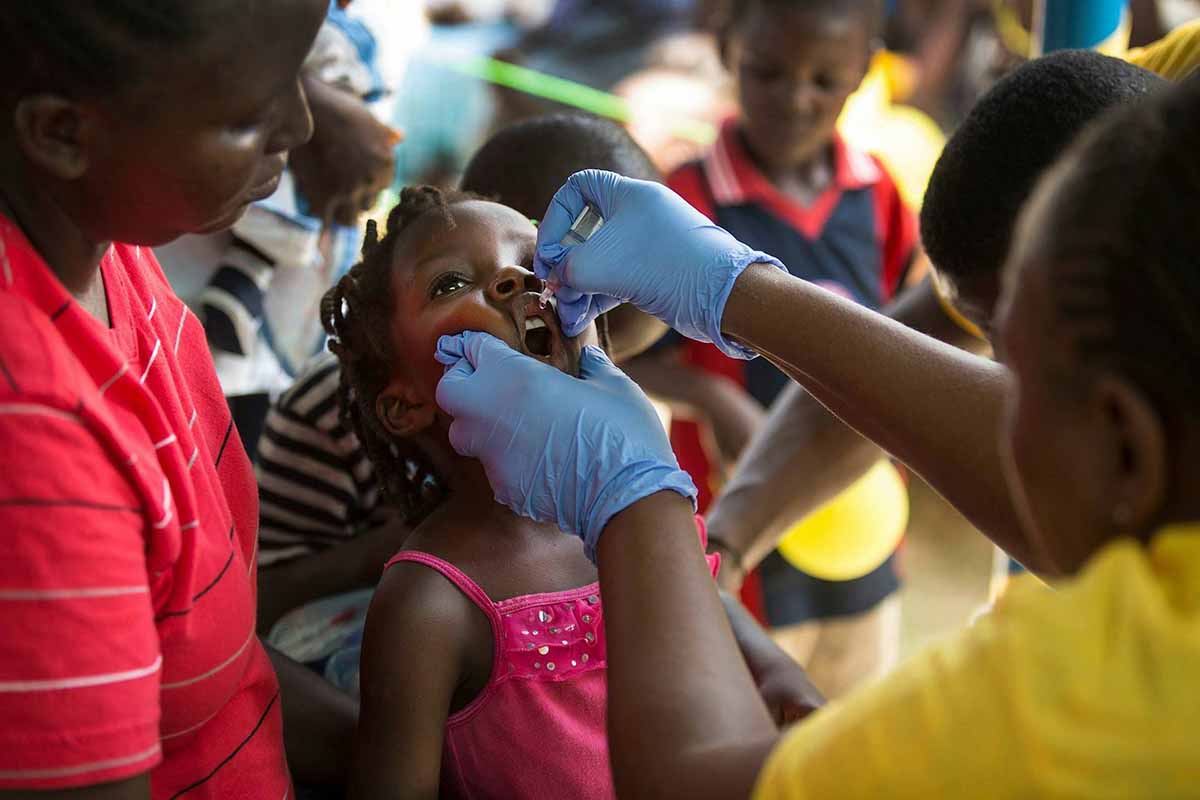
Oral cholera vaccines are a critical tool for both prevention and outbreak response. In recent years, global production capacity has expanded, supported by Gavi's market-shaping efforts.
Preventive vaccination is already being supported in countries such as Mozambique, the DRC and Bangladesh, all of which could be affected by El Niño conditions.
“We are still working with finite resources, but there is encouraging progress here,” says Luquero.
The global stockpile, currently maintained at around five million doses, can now be replenished much faster than before, he says, with turnaround times reduced from more than two months to less than one month.
Despite this, demand outstrips supply of cholera vaccines. Given that it's not possible to run large-scale preventive campaigns across all at-risk countries simultaneously, WHO guidance is to prioritise vaccination in highly endemic settings, where transmission is persistent and the potential impact is greatest.
Gavi is developing new funding mechanisms to support faster, more flexible responses.
The Gavi Board will soon finalise the parameters of a new Resilience Mechanism, a US$ 380 million agile funding tool designed to address unforeseen needs not covered by existing support systems, with a focus on fragile and humanitarian contexts, Laura Craw, Senior Manager, Global Health Security at Gavi, told VaccinesWork.
One specific use-case within the mechanism, explains Craw, “is to provide surge financing for immunisation-related needs in response to public health emergencies, including climate-related events such as El Niño and associated outbreaks”.
Turning forecasts into prevention
The relationship between climate variability and cholera risk is well established. The challenge now is translating that knowledge into timely, effective action.
For McIver, the answer lies in closing the gap between climate information and the health services that need it.
The WHO-WMO Joint Office, he says, is working to embed focal points within both meteorological services and ministries of health, who can act as translators between two sectors that have not historically collaborated closely.
“There’s an imbalance in terms of the climate information that is available and being provided to health services and the ability of the health services to use that information in a meaningful and impactful way, which we need to correct – but countries are not to blame,” he says.
Analysis of climate and disease data, he adds, is not straightforward, and shouldn't fall on every country to attempt alone. The interpretation and operationalisation of that information, he says, also needs to be supported.
“The most effective response combines targeted vaccination with broader outbreak preparedness,” says Luquero.
This includes preventive vaccination in high-risk hotspots, strengthened surveillance and laboratory confirmation, prepared national vaccination plans, trained response teams, improved case management, and water and sanitation readiness.
Okamoto says an encouraging development has been that “the SARS-CoV-2 pandemic supercharged wastewater-based epidemiological surveillance.” This means “it is now possible to infer whether a pathogen is spreading in a community, what strains are emerging, and even pathogen migration networks.”
Luquero says what is really encouraging is that there is stronger political commitment to cholera control. “African leaders, regional institutions and partners are increasingly treating cholera as a preventable public health priority rather than an inevitable emergency,” he explains.
“Organisations such as the Africa CDC are playing a key role in coordinating continental preparedness efforts, strengthening surveillance networks and supporting countries to move toward anticipatory action ahead of climate risks like El Niño.”