
In Togo, vaccination starts in pregnancy but barriers persist after birth
In Togo, pregnant women are offered vaccination as part of antenatal care. Those who miss out tend to have children that suffer the same fate
- 5 June 2026
- 7 min read
- by Nephthali Messanh Ledy
At a glance
- In Togo, vaccination begins at the first antenatal care appointment, with a dose of the tetanus and diphtheria vaccine, which protects a mother and her developing baby from diseases.
- When women present for their first pregnancy check-up late – in the sixth or seventh month, say – it can be difficult for nurses to get them fully protected by their due date. And once the baby arrives, the same barriers that prevented the mother’s visit often prevent the child receiving the protection he or she needs.
- Health workers emphasise that paternal investment in the vaccination from the start of pregnancy is critical to achieving the recommended levels of protection for both mother and child.
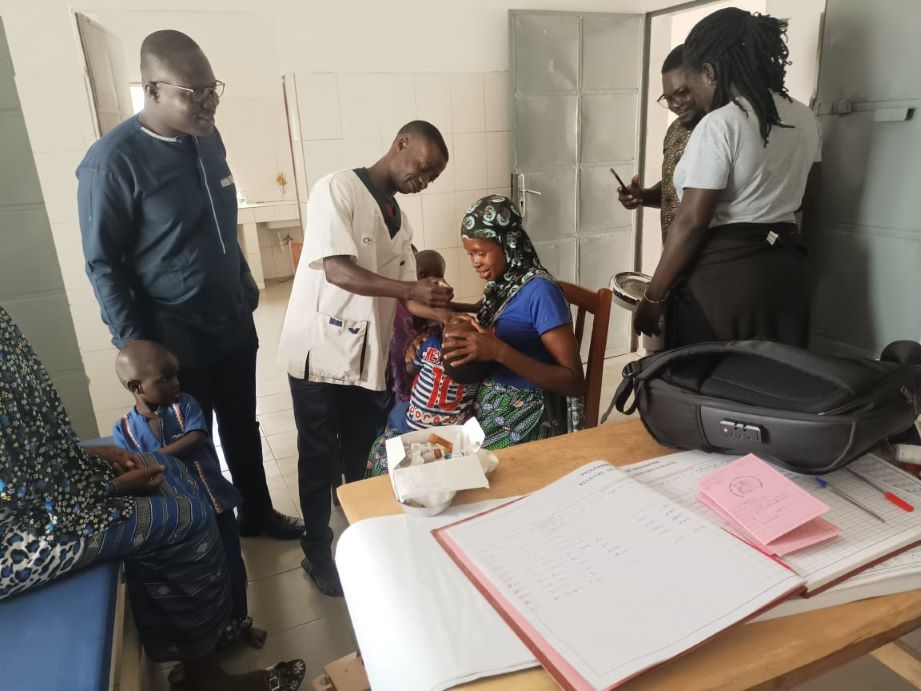
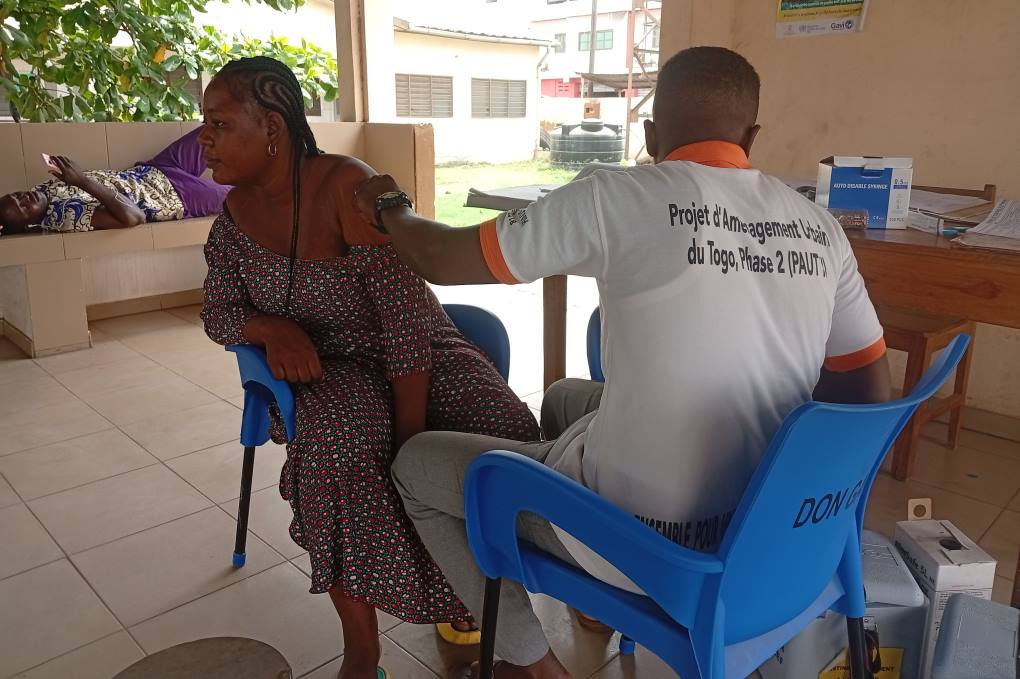
At the Kangnikopé Medical and Social Centre, in eastern Lomé, a young woman steps hesitantly through the door. Madame Adjo, 28, is pregnant for the first time. After taking a pregnancy test at home and seeing the result come back positive, she has come for her first antenatal appointment.
Once the medical examination is over, she is sent to the vaccination team, who are sitting on a shaded terrace inside the health facility.
“Like her, every woman who comes for her first antenatal care visit is vaccinated, no matter how far along she is,” says Eugène Aguidi, one of the vaccinators on duty that day. “Here, vaccination during pregnancy is not treated as something separate. It is part of routine care – just like being weighed, receiving advice or having a check-up. It is also one of the ways women are brought into contact with the health system.”
After a short conversation with the team, Adjo rolls up her sleeve. The gesture is simple, almost ordinary. But it marks an important step in her pregnancy.
Asked whether she expected to be vaccinated that day, she smiles, a little surprised. “Yes and no. I knew I would be vaccinated during pregnancy, but I didn’t realise it would be today.”
Protection built into the care pathway
In Togo, maternal vaccination is built into antenatal care. It is not an isolated intervention, or a box to be ticked, but part of a wider approach to prevention that begins in the first months of pregnancy.
Health workers say timing matters. The earlier a pregnant woman comes in, the easier it is to keep her on schedule.
“The earlier, the better,” says Aguidi. “As soon as a woman knows she is pregnant, she should come for a consultation and be vaccinated. The first vaccine protects against tetanus and diphtheria – what we usually call Td. A second dose is given at the next appointment, and so on.”
For women who are pregnant for the first time, the standard schedule includes two doses during pregnancy. The aim is to protect mothers from tetanus and, crucially, to prevent neonatal tetanus during childbirth.
When the first visit happens in the sixth or seventh month, it is a bit complicated. We can give a first dose, sometimes a second if the baby is not born too soon, but protection becomes less certain.
For health professionals, antenatal care is therefore much more than a medical appointment.
“Antenatal consultations allow us to monitor the health of the mother and the foetus, prevent and manage complications during pregnancy and childbirth, provide advice and information, prepare the woman for delivery and the postpartum period, and carry out examinations and blood tests,” says Leyla Tchagnao, president of the Association of Midwives of Togo, known as ASAFETO.
When late appointments have lasting consequences
Yet not all women begin antenatal care early enough. Health workers say some pregnant women only come for their first appointment in the sixth or seventh month of pregnancy. Others start care, but do not complete the recommended vaccination schedule.
These cases are not the majority, they say, but they persist. And their consequences can last beyond pregnancy.
The reasons vary: money, transport, family responsibilities, social expectations and, sometimes, decisions made by other people within the household. In rural areas, the pressures can be particularly strong.
“These cases are generally seen among women in rural areas, because of customs and traditions, and because of farming activities,” says Tchagnao.
For midwives, late attendance is both frustrating and worrying. But the response, Tchagnao says, is not to blame women. It is to support them.
“We take care of these cases as a whole. We give the women the advice they need for the rest of the pregnancy, for childbirth, for the postpartum period and for future pregnancies,” says Tchagnao, who is now retired after more than 40 years of practice.
When care starts late, health workers have less time to complete the vaccination schedule.
“In those cases, we sometimes have to explain that the woman’s vaccine protection is incomplete because she did not come early enough,” says Tchagnao. “They are sad when they hear it, but they understand. And often they decide not to miss future appointments.”
At Kangnikopé, vaccinators see the problem clearly. If a woman’s first antenatal visit takes place towards the end of pregnancy, completing the recommended doses becomes much harder.
“When the first visit happens in the sixth or seventh month, it is a bit complicated,” says one of Aguidi’s colleagues. “We can give a first dose, sometimes a second if the baby is not born too soon, but protection becomes less certain.”
Why partners’ support matters
For many women, accepting vaccination is only one part of the equation. Reaching the health centre, returning for follow-up appointments, and being allowed or able to prioritise care can be harder.
“It is not enough for a pregnant woman to agree to be vaccinated,” says Da Améyo, who is pregnant with her second child. “For her to come on time, or return for another dose, she needs transport or money. She must not be held back by other responsibilities, or by the need to keep the pregnancy discreet. And nothing decided at home should prevent her from going to the centre.”
Several people interviewed pointed to the same issue: the role of husbands and partners in pregnancy follow-up. Health workers say their involvement can make a real difference, especially when it comes to attending appointments, completing tests and keeping up with vaccination.
“Our men do not worry enough, or do not get involved enough, when it comes to vaccinating their wives or their children,” says Aguidi. “That is why we are seeing initiatives like ‘Papa Champion’, which encourage fathers to be more involved.”
Have you read?
The barriers do not end at birth
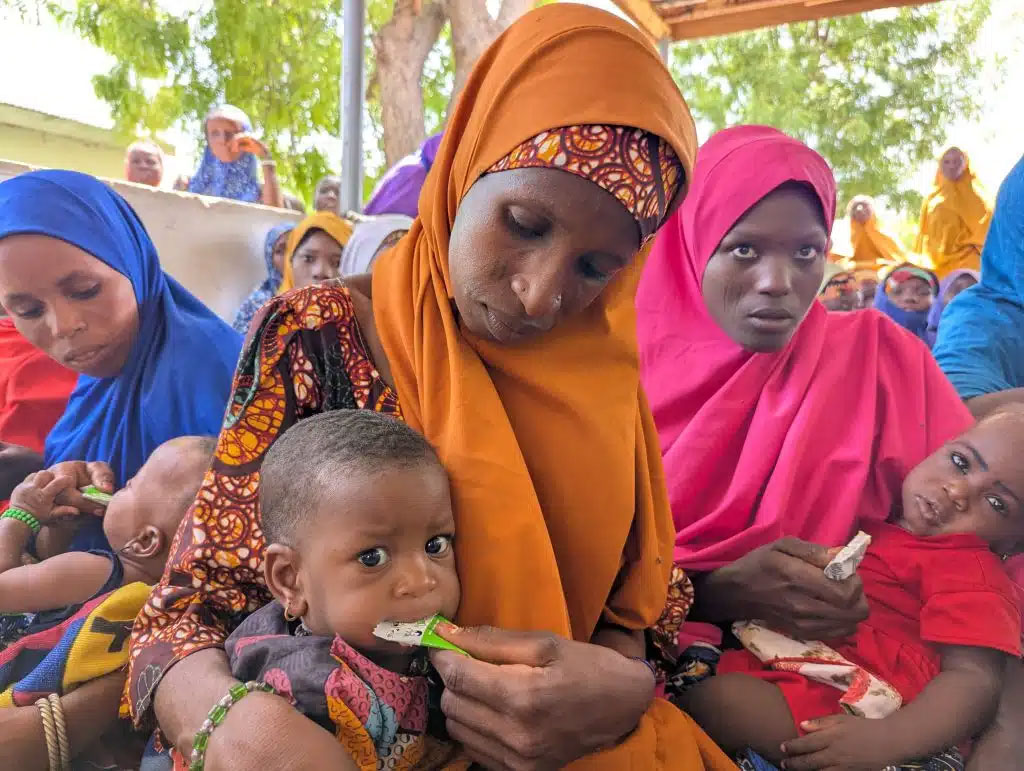
For some health workers, the link between pregnancy care and childhood vaccination is direct. Women who miss appointments during pregnancy may also face difficulties keeping up with their children’s vaccination after birth.
“In most cases, a woman who was not regular with her own vaccination during pregnancy often gives less importance to vaccinating her child from birth,” Aguidi says.
In other words, the barriers that affect care during pregnancy do not necessarily disappear once the baby is born.
Observations vary from one health team to another. Some say that awareness-raising during pregnancy can help mothers become more consistent about vaccinating their children later on. Others say the same difficulties often continue.
“During catch-up campaigns in the field, we often find children whose mothers were not fully vaccinated,” Aguidi says. “It is regrettable, but we continue raising awareness.”
Keeping women connected to care
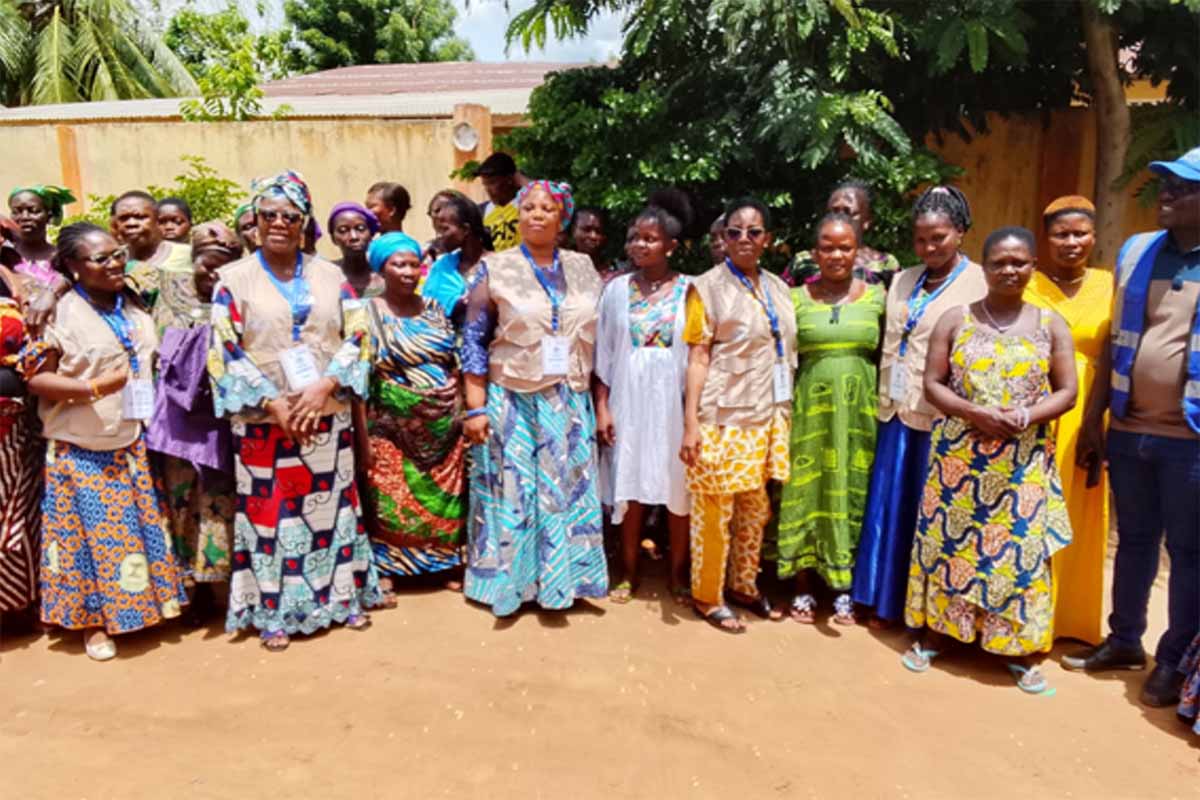
When women miss appointments, health teams try to keep the link alive. Pregnant women are registered in the centre’s records. If they stop coming, community health workers may visit them at home or call them directly. In some cases, outreach sessions are organised so women can be vaccinated closer to where they live.
For Tchagnao, more could still be done, including opening vaccination units directly inside maternity wards and strengthening staffing.
But for health workers, one point is already clear: protecting a child begins before birth.