
Older teens get a shot at safety as Mozambique launches HPV vaccine campaign
As Mozambique offered the cancer-blocking jab to girls aged from 12 to 18, the message was clear: it’s not too late to get protected.
- 9 December 2025
- 7 min read
- by Winile Ximba
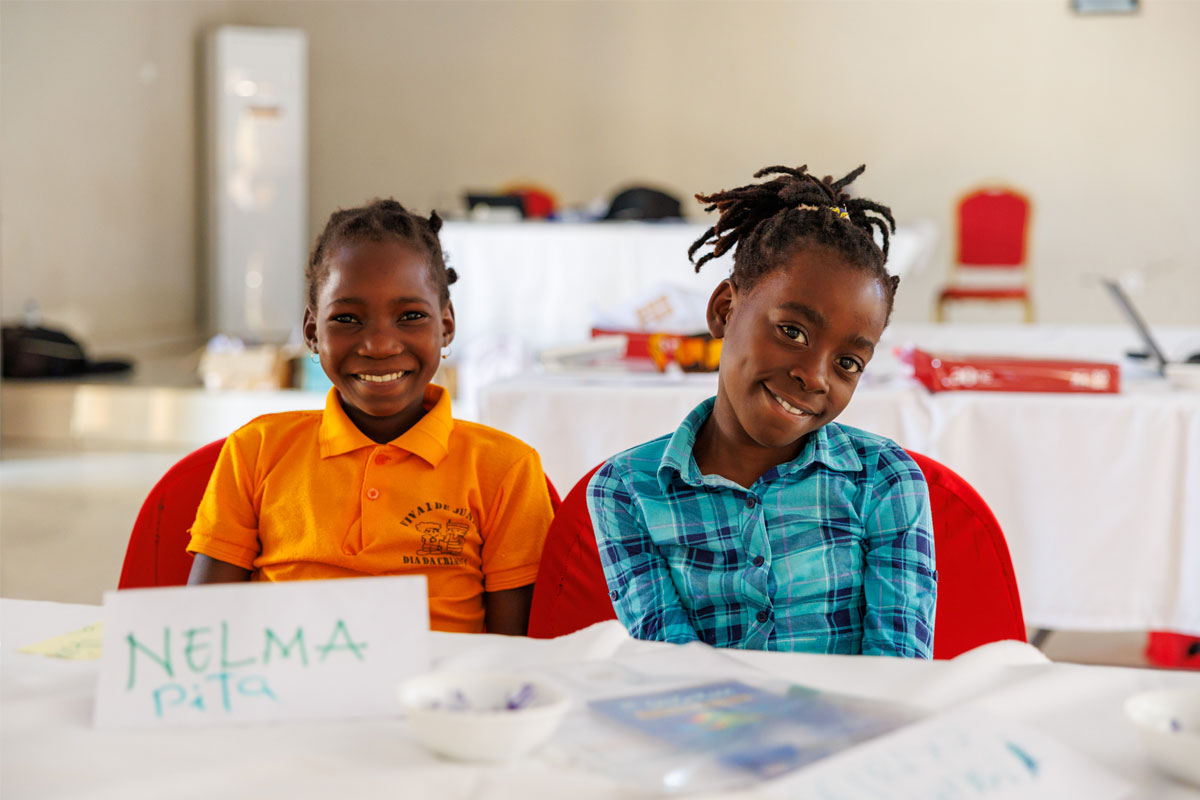
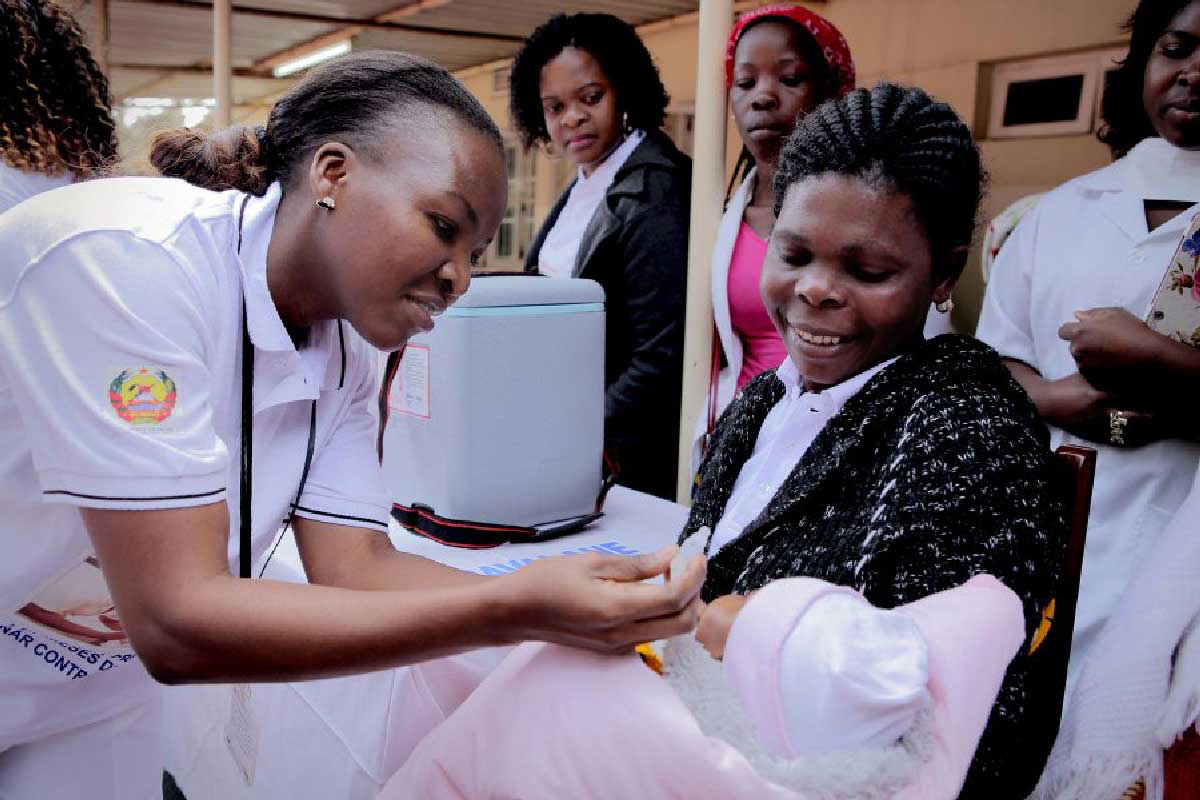
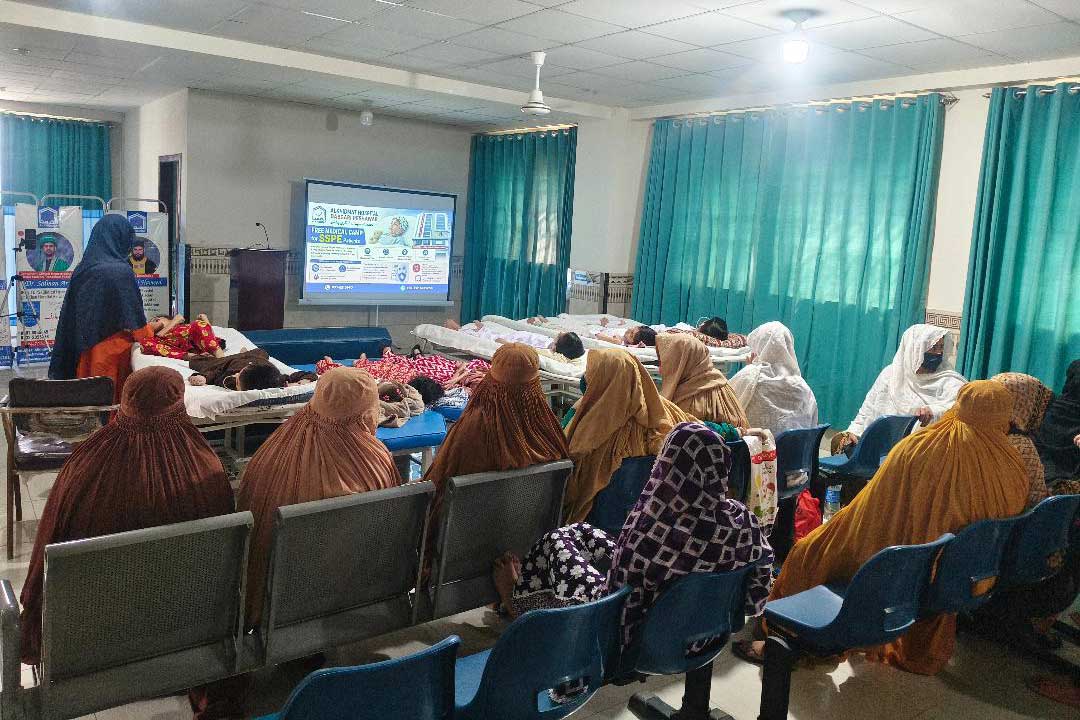
In late September, Mozambique launched a major human papillomavirus (HPV) vaccination campaign, aiming to offer a chance at protection to the swathe of adolescent girls who missed out on the cancer-preventing shot when it was their turn. Health officials say the drive has been largely successful.
Not too late
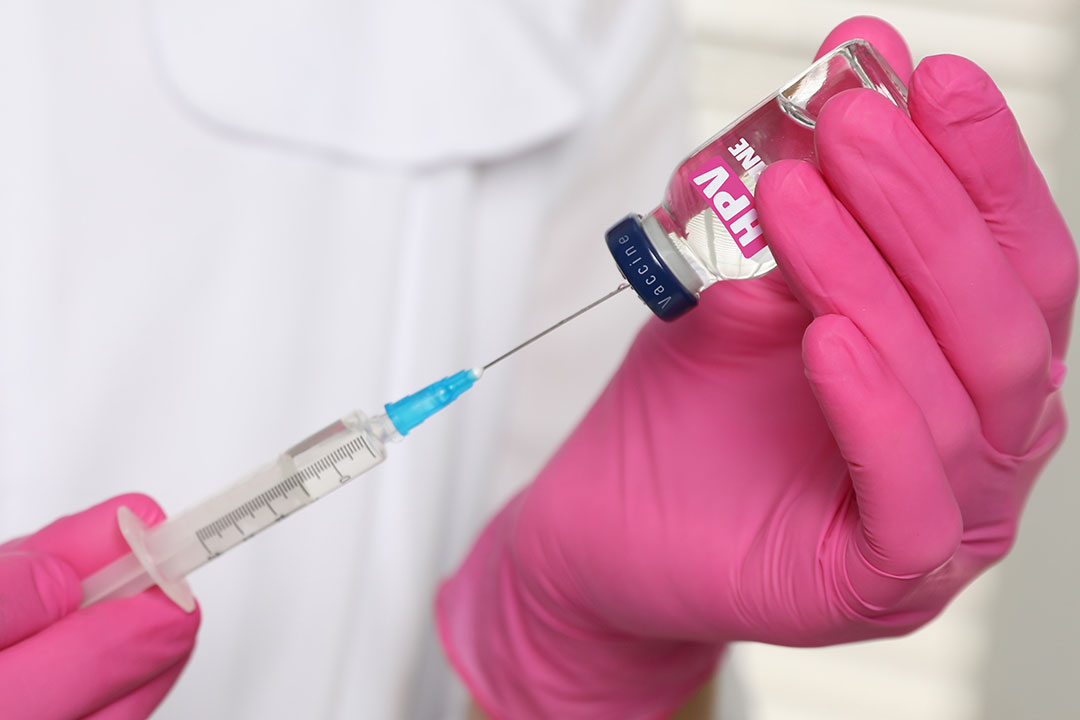
The HPV vaccine, capable of preventing more than 90% of cases of cervical cancer, has been available to Mozambican girls in the 9- to 14-year age bracket since 2021. Coverage was still low in 2022, at 32%, but steadily rose to over 80% of the target group by 2024.
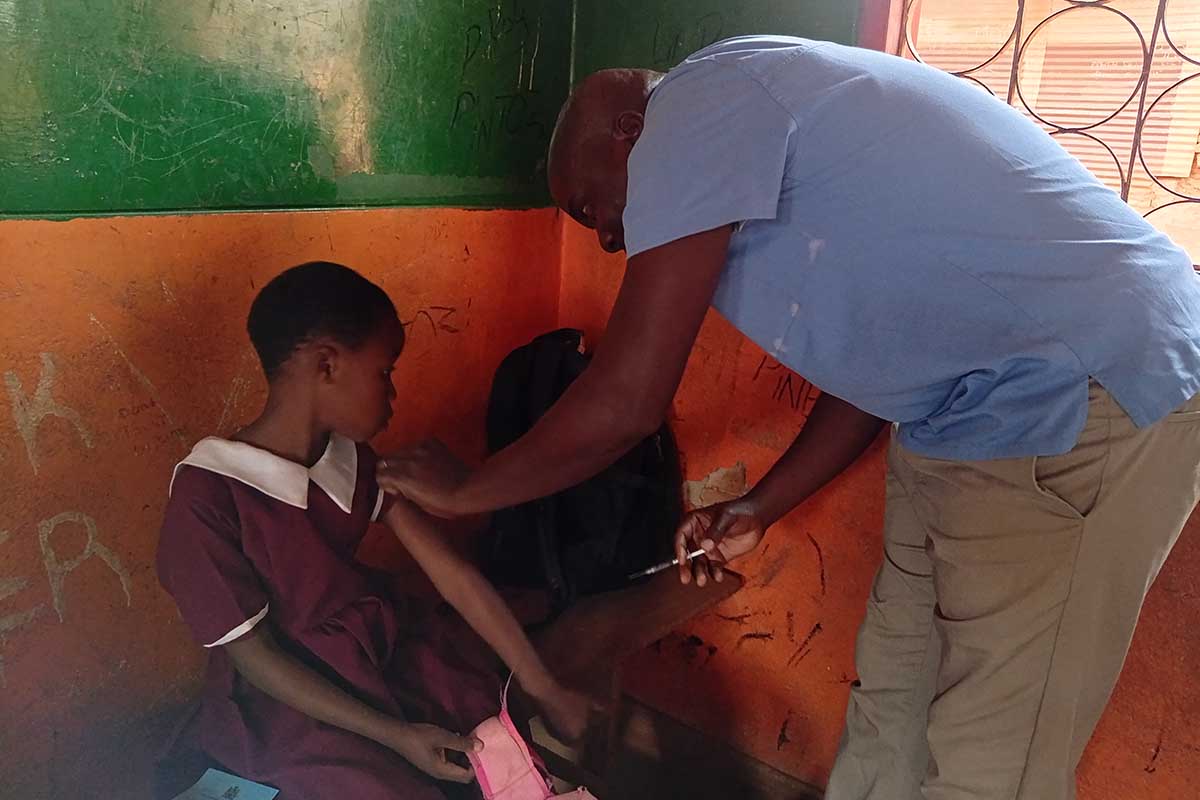
However, while a majority of the latest cohort had gained protection, large numbers of girls in the older age brackets remained unvaccinated. The latest campaign, known as a multi-age cohort (MAC) campaign, offers immunisation to girls from age 12 all the way to age 18. Health officials hope the move will help put a dent in rates of cervical cancer – currently the leading cause of cancer-related deaths for Mozambican women aged over 25 – in the younger generation .
Understanding hesitancy in Tete and Manica
In a few high-priority districts of Tete and Manica provinces, the nongovernmental organisation VillageReach has been helping the government build momentum behind the HPV drive.
“We train health workers to not only to provide the HPV vaccine, but also in building an environment that can reduce the incidence of vaccine hesitancy,” said Acacio Sabonete, the immunisation programme manager for VillageReach.
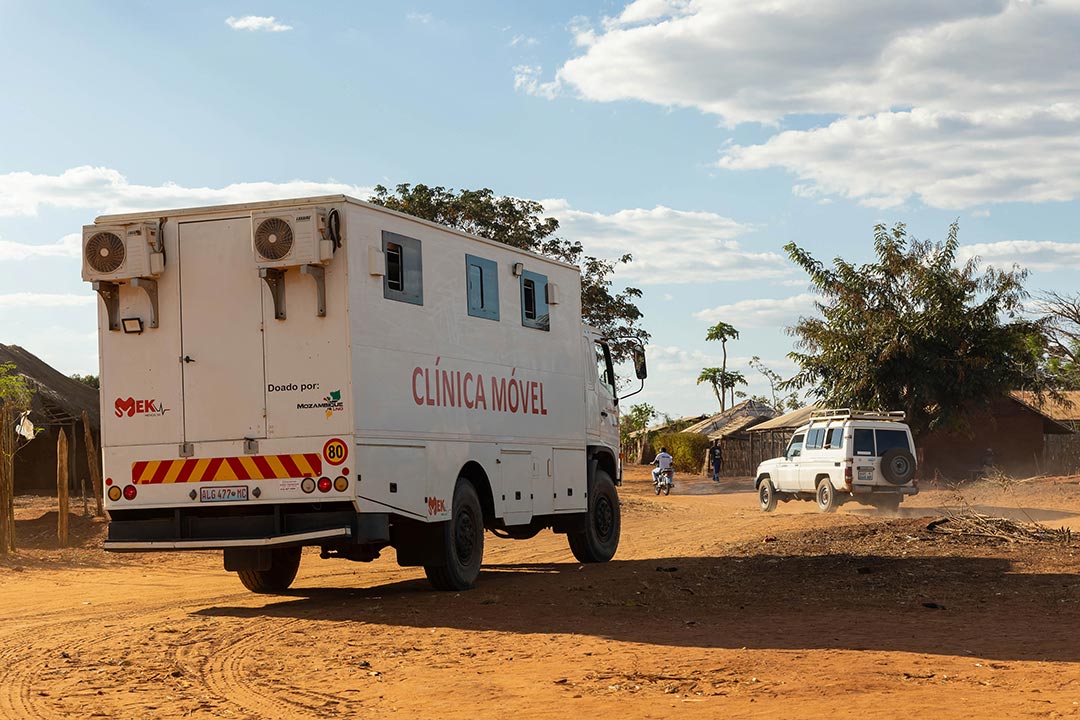
Key to the effort has been empowering “mobile brigades”, says Sabonete. These are teams that head out into hard-to-reach communities to find adolescent girls who are either no longer in school, or have never had the chance to enter education. Cervical cancer is not merely a medical issue, but a social concern, he says.
VillageReach has taken what they call a “human-centred” approach to their activities, holding community workshops with adolescents, caregivers, tribal leaders and religious leaders as a way of gaining insights on the “missing” batch of older adolescents – the girls the drive aimed to catch up – even before the vaccines show up on site.
“You know, what we heard, the main reason [for hesitancy] in Mozambique is that several religions don’t allow it. Another issue is the lack of information. People know that there is a disease, cervical cancer, they know it by local language, but they don't know exactly what causes it, so how to prevent it,” he says.
Girls’ voices
In the weeks before the campaign’s launch, information – seeded by the Ministry of Health, promoted by its partners - began to spread organically in communities, from church to school to taxi, to markets and village squares.
For some older adolescent girls like Paulina Mateo, 17, now living in Vanduzi district, Manica, it was the first time she had heard of the HPV vaccine.
Mateo left school at age 10 after being orphaned, and went on to become a domestic worker. “I heard just a little about a thing called cervical cancer when I was 15, but knew nothing of the HPV vaccine until my 17-year-old friend, who is still in school, told me about its importance in October,” she says.
The friend in question, Noma Gudo, is a secondary school pupil in Vanduzi. She was one of those who got the vaccine in the MAC campaign after learning about it through some nurses with whom she attends church.
“The older adolescent girls in my school classroom all got immunised. I was so thrilled until I realised Paulina, my best friend, who is out of school, didn’t know about the HPV vaccine. I felt bad. I sat her down, explained the medical benefits in Ndau language. She took a day’s leave from work to go to the clinic, and got immunised,” she says.
Have you read?
Being included meant a lot to her, Mateo says, and adds that she knows that most poor girls like her, out of school and working in private homes, or in informal gold mines, or on farms are “out of sight”. For her, getting the vaccine means “I won’t die of chibereko(uterus) pain. I’ll have kids, I won’t catch the cancer and waste time on prophets and sangomas (herbalists),” she says.
Making an impact
During the campaign, the HPV vaccine was available at three kinds of locations: schools, hospitals and in outreaches. School-based vaccination works well for girls who are in school, Sabonete says. Out-of-school girls like Mateo are harder to reach reliably.
But getting the right messaging directly to recipients in under-served communities has proved a fruitful tactic, he says. The VillageReach ‘mobile brigades’ go from home to home: “It is important to tell [people] that there is a relation between the vaccine and cervical cancer protection, in terms of medical evidence,” he says.
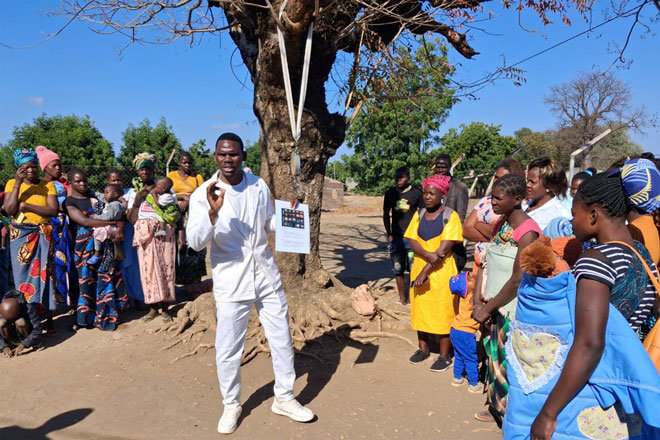
“In places where we are implementing interventions, coverage is very high comparing to places where we are not implementing,” he says. In the hard-to-reach districts that VillageReach focuses on, they have reached 60% of the MAC target. “Ninety-five percent of adolescent girls we expected to reach with MAC. We managed to reach that (nationally). The national target is 3.142 million. We have managed to vaccinate 2.9 million adolescent girls from 12 up to 18 ages,” he says.
Steep challenges
Getting Mozambique’s adolescent girls vaccinated has always been a complex ask. The country’s terrain is rugged, vast and variable, with 60% of the population of Mozambique living in the rural hinterland. Transport links may not only be dilapidated, but are sometimes non-existent. In many places, clinics, medical professionals and schools are either distant, few or absent. To make matters worse, climate change is forcing increasing rates of population mobility, with the organisation Climate Refugees reporting that extreme weather is forcing large cohorts of Mozambique’s population, including adolescent girls and their families, to be on the move annually either for safety or to re-establish livelihoods. This imperils HPV vaccine access.
“As you know, we as Mozambicans, we are a country that every year we are hit by climate change issues but also some calamities,” Sabonete says. Cyclone Idai and Cyclone Freddy have brought devastation in recent years, claimed lives directly, but also washed away hospital infrastructure and displaced thousands of families.
And now, the weather is closing in again, with the December to February rainy season approaching. “For example, I am in a tent now,” says Sabonete, “because we are preparing the mobile brigade to ensure that, for the next two or three weeks, we will vaccinate (with speed).”
Into the future
Continuing immunisation outside of campaigns is crucial because campaigns tend to be costly and, as such, are not the most sustainable method to achieve prevention. “Catching up with missing older girls will remain a feature of our primary healthcare delivery, with [support from] our implementing partners,” says Quinhas Fernandes, the Public Health Director at the Health Ministry.
There is further to go, and so much at stake, Sabonete emphasises. Some 4,000 Mozambican women die of cervical cancer each year, and the number of eligible girls who have been missed with the vaccine that can save them from that fate remains hazy. “The number [of older girls who missed immunisation] is theoretically very high: we are missing a lot of people,” he warns. “We think it is time to run a survey, do cross-tabulation with census data of how really big [the batch] of missing adolescent girls is.”