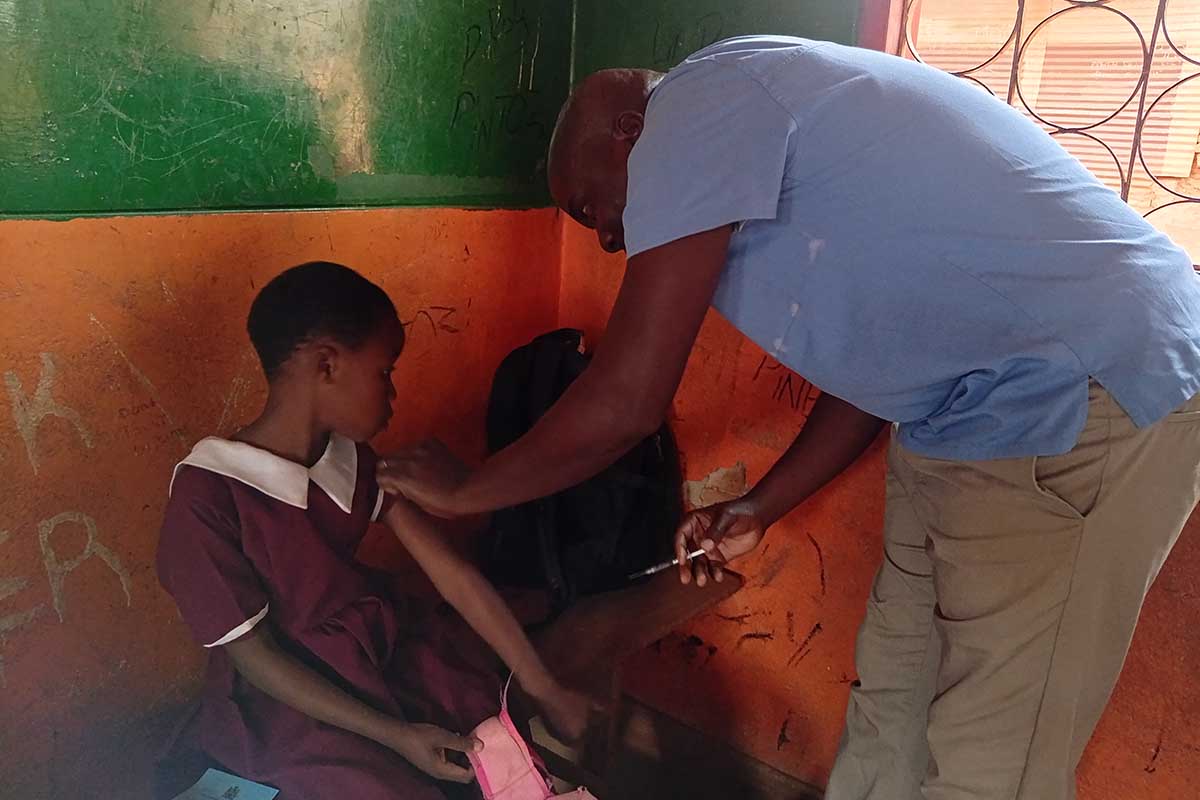

Malaria vaccination reduces hospitalisations, deaths of children in northwestern Nigeria
One year after the malaria vaccine was added to the routine immunisation schedule in Nigeria’s Kebbi State, health authorities and caregivers are counting the gains.
- 2 March 2026
- 7 min read
- by Afeez Bolaji
At a glance
- A year after the malaria vaccine began to be rolled out in Kebbi state, Nigeria, more than 200,000 children have received at least a first dose. Parents of those children say they can see the effects, with fewer bouts of illness rocking their households.
- State health workers say hospital records show a decline in malaria cases of as much as 50% among in-patients and out-patients.
- “Ibrahim was among the first set of children in Kebbi to receive the malaria vaccine. He had had malaria twice before he took the vaccine. But since he was vaccinated, he has not fallen sick with malaria,” said Nafisa Mohammad, a local mother who still grieves the loss of her firstborn to the parasitic disease.
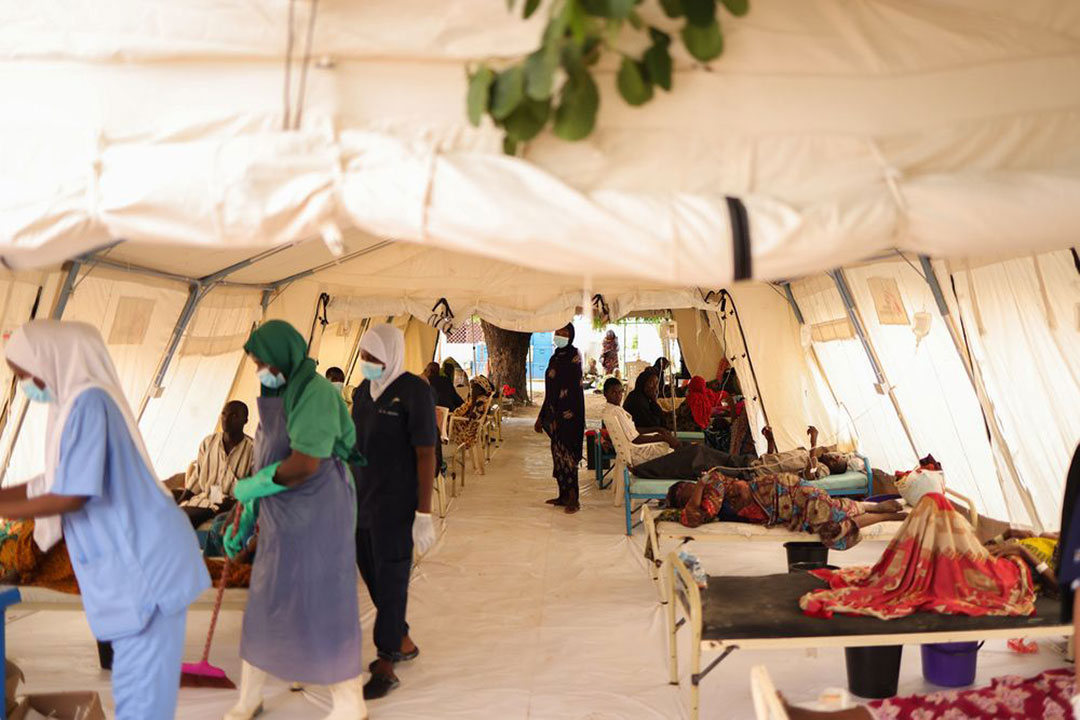
Maimunatu Abubakar, a health worker at the Nassarawa Maternal and Child Health centre located at the Kebbi State capital in Birnin Kebbi, often felt overwhelmed by the number of malaria patients she saw hospitalised before the roll-out of the vaccine in Nigeria. There were times she and her colleagues looked after two dozen people, mostly children under age five, in a single week.
Staff worked tirelessly running tests for patients and administering treatment, Abubakar recalls, and shifts could get more hectic when critical cases were admitted.
One year after the malaria vaccine was introduced, she says she’s seen a considerable drop in admissions at the facility.
Credit: Afeez Bolaji
“Before the introduction of the malaria vaccine, our only option was to treat children with Artemether and other antimalarials. We now record far fewer malaria cases, which shows that the immunisation is making a real difference. Our workload has also reduced to some extent.
“The malaria vaccine is a good development and people are accepting it. It is obvious the vaccine is making a big difference. An average of 4 children are admitted for malaria every week now, whereas it used to be as high as 12, especially during the rainy season. More remarkably, no child has died of malaria here since June 2025,” Abubakar explains.
At Takalau Primary Health Centre in Kebbi metropolis, the vaccine has recorded a similar impact. The head of the facility, Shuaibu Umar, says the number of malaria patients treated monthly has halved, as more breastfeeding mothers bring their children for vaccination.
“Before, in one month, we could have 40 cases, but since the malaria vaccine was introduced, we treat 15–20. There were instances where children who had been vaccinated were brought to the hospital because their parents thought they had malaria. After running tests, the results returned negative [for malaria],” Umar says.
Heavy burden
Nigeria grapples with the world’s largest malaria case-load, carrying 27% of the global burden and about 30.9% of the 569,000 deaths recorded worldwide in 2023. Of the country’s 36 states, Kebbi has the highest malaria prevalence at 49% of children under five and the highest mortality.
In a momentous step forward against that scourge, Nigeria received 1 million doses of the R21 vaccine with support from Gavi, the Vaccine Alliance, UNICEF and the World Health Organization (WHO). Kebbi State was allotted 595,980 doses to be integrated into the state’s routine immunisation schedule from December 2024.
As of December 2025, 206,404 children aged 5–23 months had received the first dose, the executive secretary at Kebbi Primary Health Care Development Agency (KPHCDA), Abubakar Muhammed Noma, told VaccinesWork. Out of this number, he says 160,565 children have received the second dose, 118,328 have been immunised for the third dose, and 28,472 have had the booster shot.
Vaccination cuts down child mortality
Health authorities confirm that vaccination has not only rolled back malaria infections reported at the health facilities visited by VaccinesWork, but also reduced infant and under-five mortalities statewide.
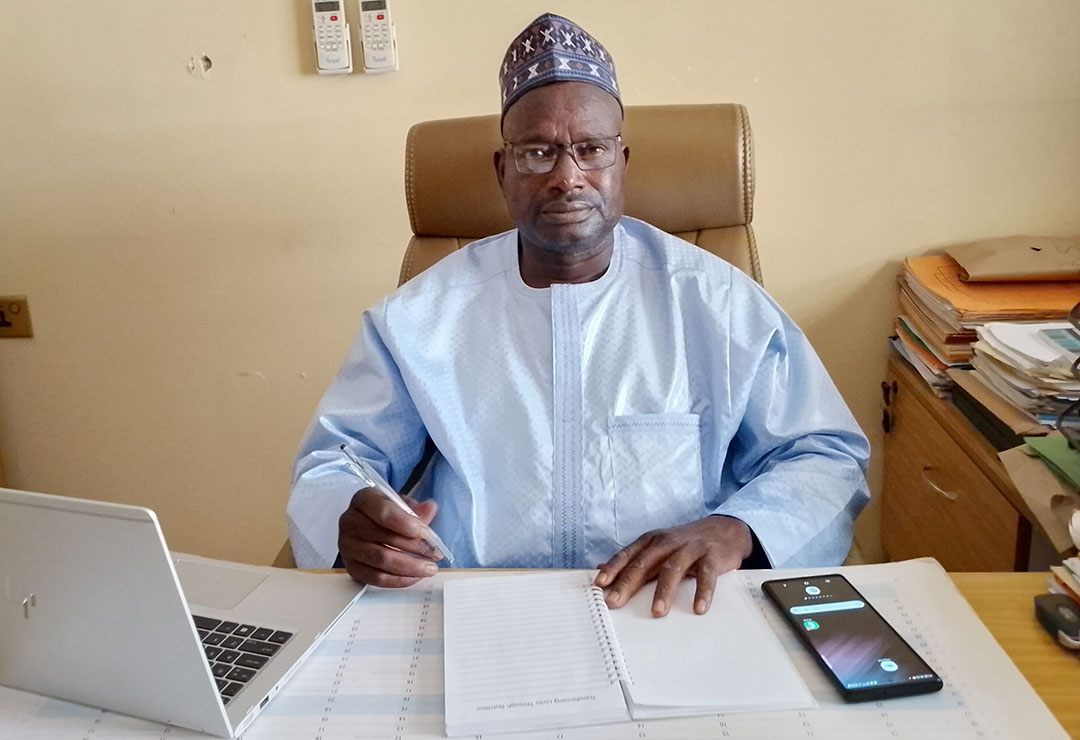
Kebbi State Health Promotion and Education Officer, Yusuf Umar Sauwa, explains that a post-vaccine roll-out assessment conducted in selected health centres reveals a 50% reduction in hospitalisation for malaria.
Have you read?
“We selected rural and urban facilities and checked their registers of out-patients and in-patients. We realised that there was about 50% reduction of malaria infections recorded in ten months after the R21 roll-out. We are going to continue our campaign until all the eligible children are vaccinated,” he says.
“The vaccine, alongside other antigens, has led to a drop in mortality rate of under-five children,” Noma adds. "From January to October 2025, the under-five mortality rate in Kebbi dropped from 8.97% to 6.13%. Infant mortality rate also dropped from 2.99% in January 2025 to 1.59% in October.”
Vaccine brings relief to families
For Nafisa Mohammed and her husband, the malaria vaccine has been both a life-saver and a comfort. Their third child, two-year-old Ibrahim, is due for his booster shot in a few months. The couple, who are peasant farmers from Baiti community, say Ibrahim has not been sickened by malaria for months, and they are optimistic he won’t succumb to the disease, unlike his late elder sister.
“I lost my first child to malaria ten years ago. It was very painful. We tried very hard to save her, but we lost her. So, when I heard about the vaccine, I jumped on it,” she recalls.
Since their eldest daughter’s death, the Mohammeds have been anxiously vigilant about malaria. Each time one of their three surviving children – the elder two are now seven and five years old – fall ill, the family spends about 10,000 naira (US$ 7) on treatment. They also suffer the dread of experiencing another loss.
In late November 2024, Mohammed heard on the radio that a malaria vaccine would soon be rolled out and quickly informed her husband about it. They unanimously resolved to get Ibrahim, who was a year old then and therefore within the eligible age range, vaccinated. Their decision is paying off.
“Ibrahim was among the first set of children in Kebbi to receive the malaria vaccine. He had had malaria twice before he took the vaccine. But since he was vaccinated, he has not fallen sick with malaria, and that has lessened the burden on our small incomes,” Mohammed explains, adding that she wishes his elder siblings had been able to receive the vaccine too.
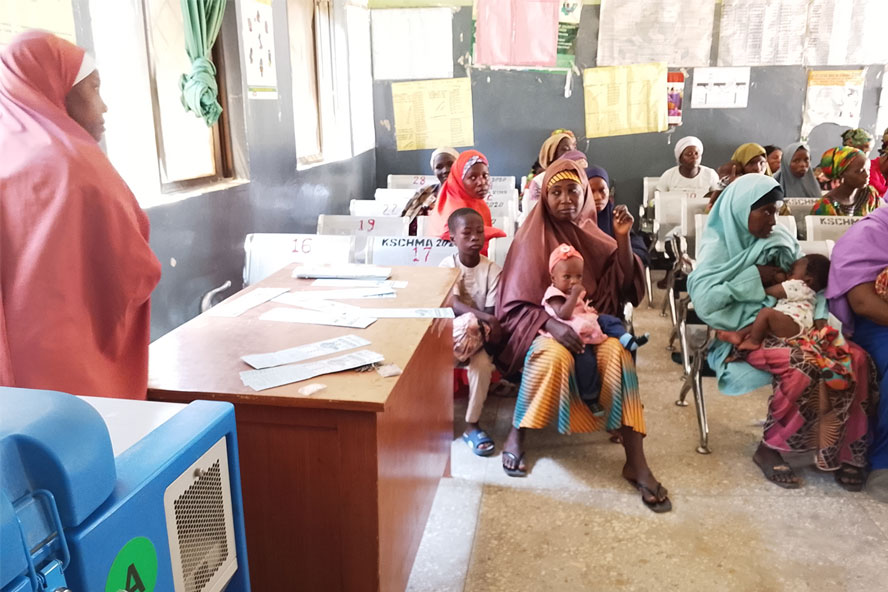
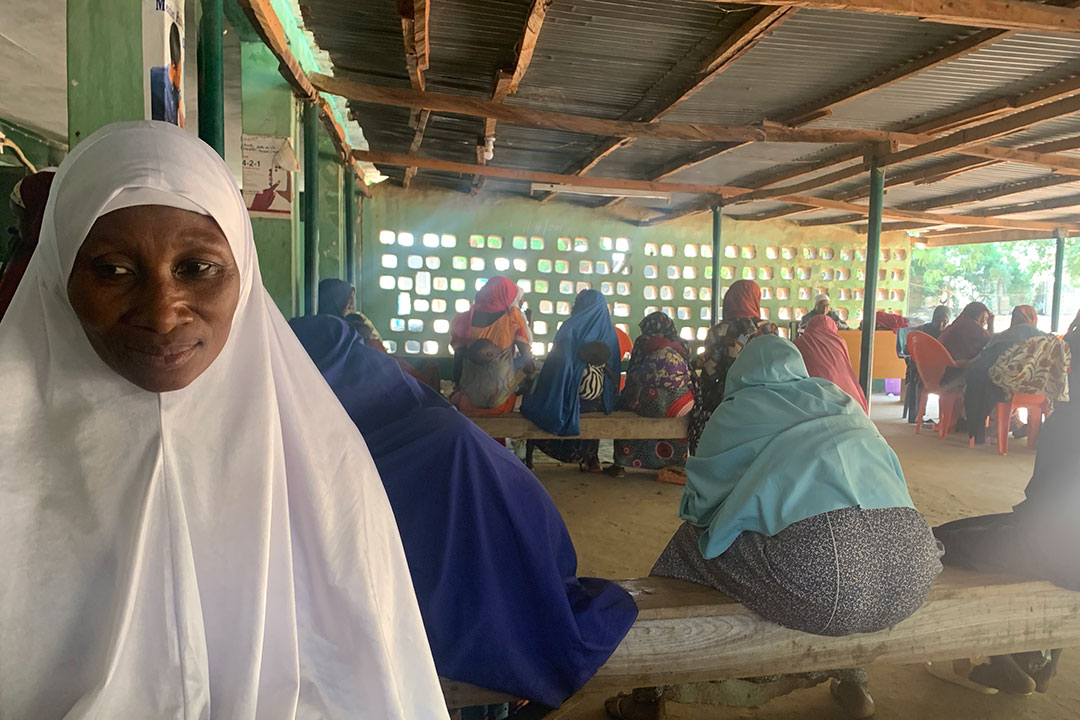
At Gwandagwaji PHC, a caregiver and mother of two, Aisha Abubakar, reveals that since her daughter received the vaccine, she has not taken her to the hospital for malaria treatment.
“It [the vaccine] has brought relief to many families in my community. My neighbours’ children who took the vaccine have not had malaria either and as parents, we are very excited. The cost of treating malaria is a burden for many poor families like us. But now that some of our children have been vaccinated, the burden has reduced,” Abubakar explains, flashing a broad smile.
Scaling up vaccination coverage
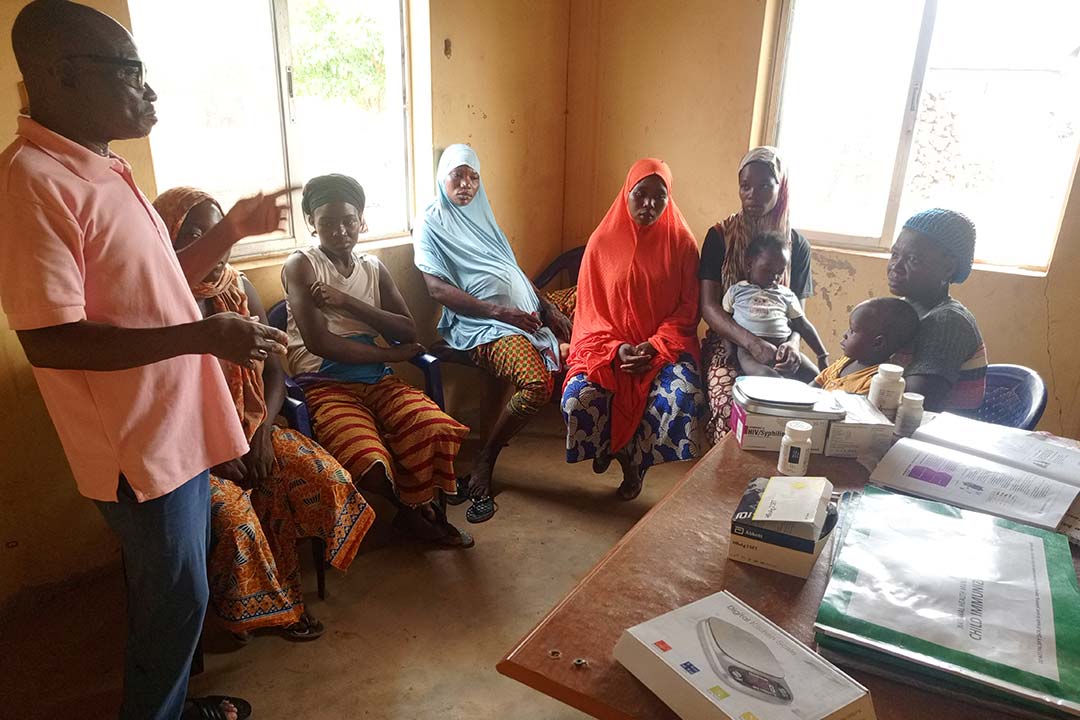
Noma and Sauwa say the KPHCDA is working with relevant stakeholders – traditional institutions, religious leaders and community-based organisations – to increase the demand for the vaccine in communities.
They note that not all children who received a dose have come for the next shot. Hence, community mobilisation has been intensified to enlighten parents on the importance of the vaccine and the need for the children to complete the doses to be fully protected.
“We are also engaging radio and television stations to create awareness and educate people. We use social media platforms to send correct information about the vaccine. When mothers bring their children to facilities for routine immunisation, along the line, those who are under one [year old] are also vaccinated with R21,” Sauwa adds.