
The role of social mobilisers during COVID-19
How one social mobiliser in South Sudan has managed to contribute to health security in her region.
- 17 September 2020
- 3 min read
- by Gavi Staff
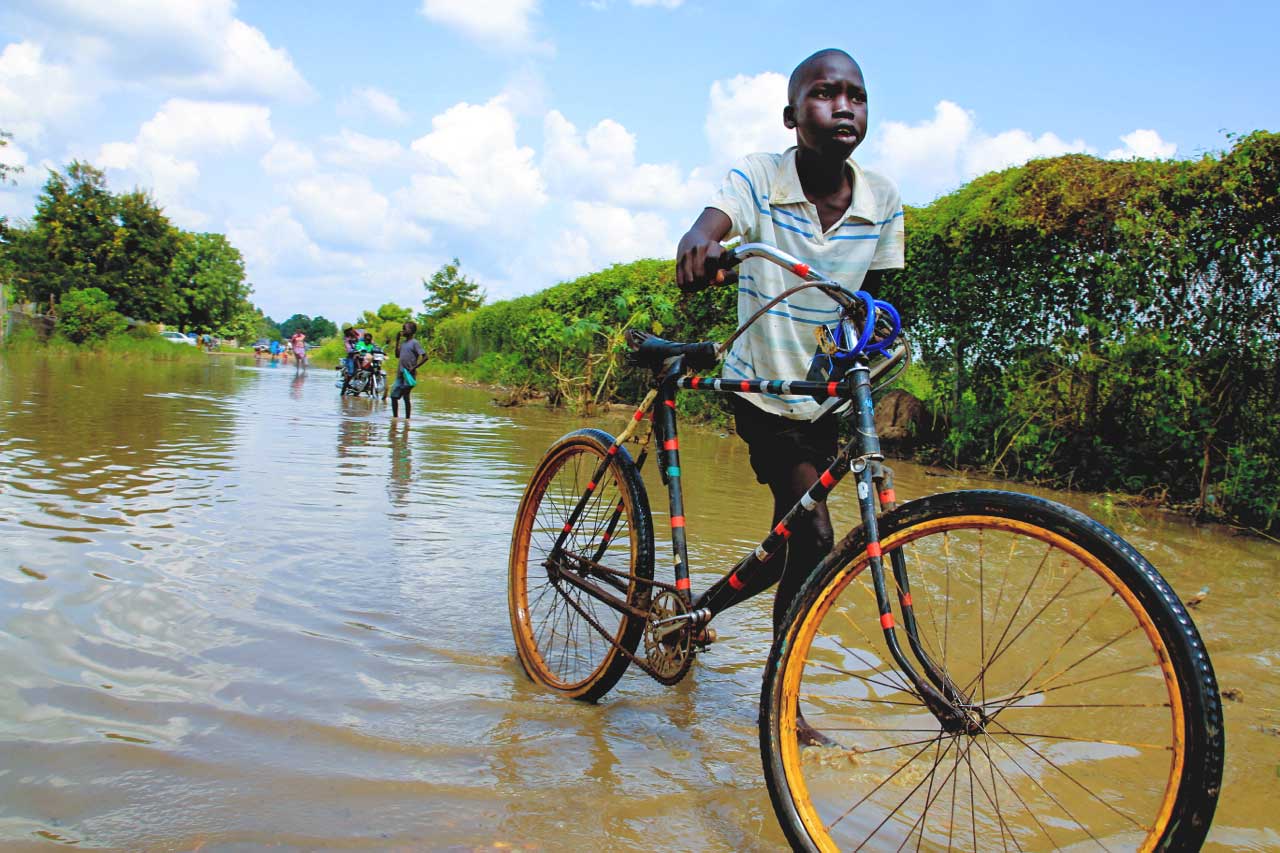
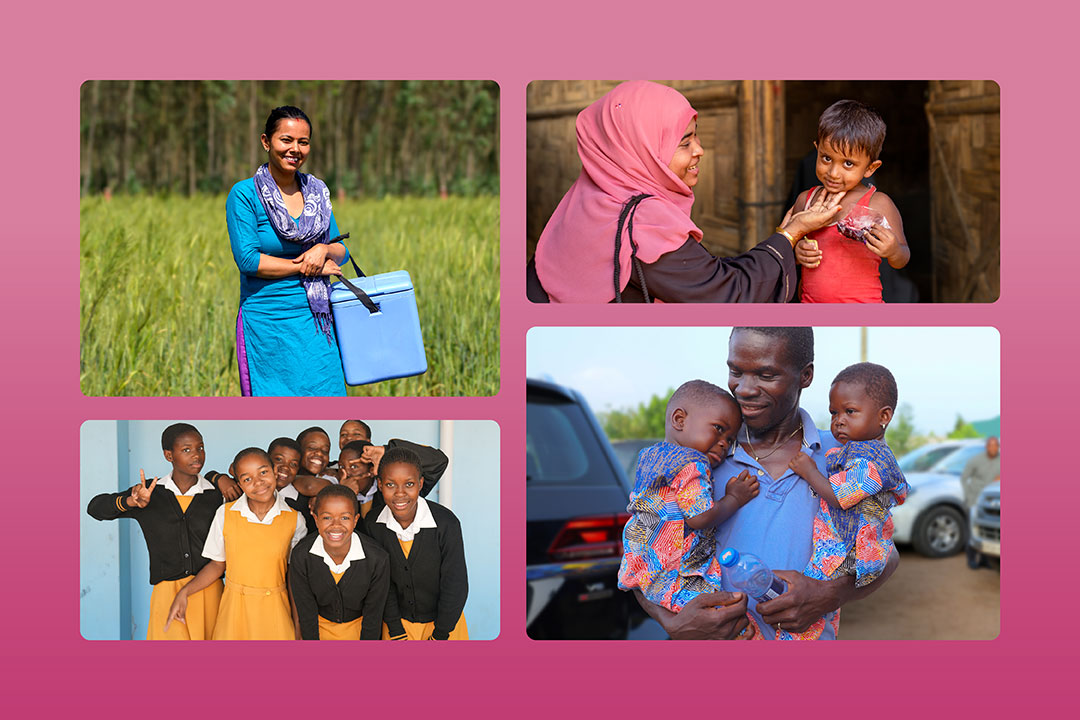
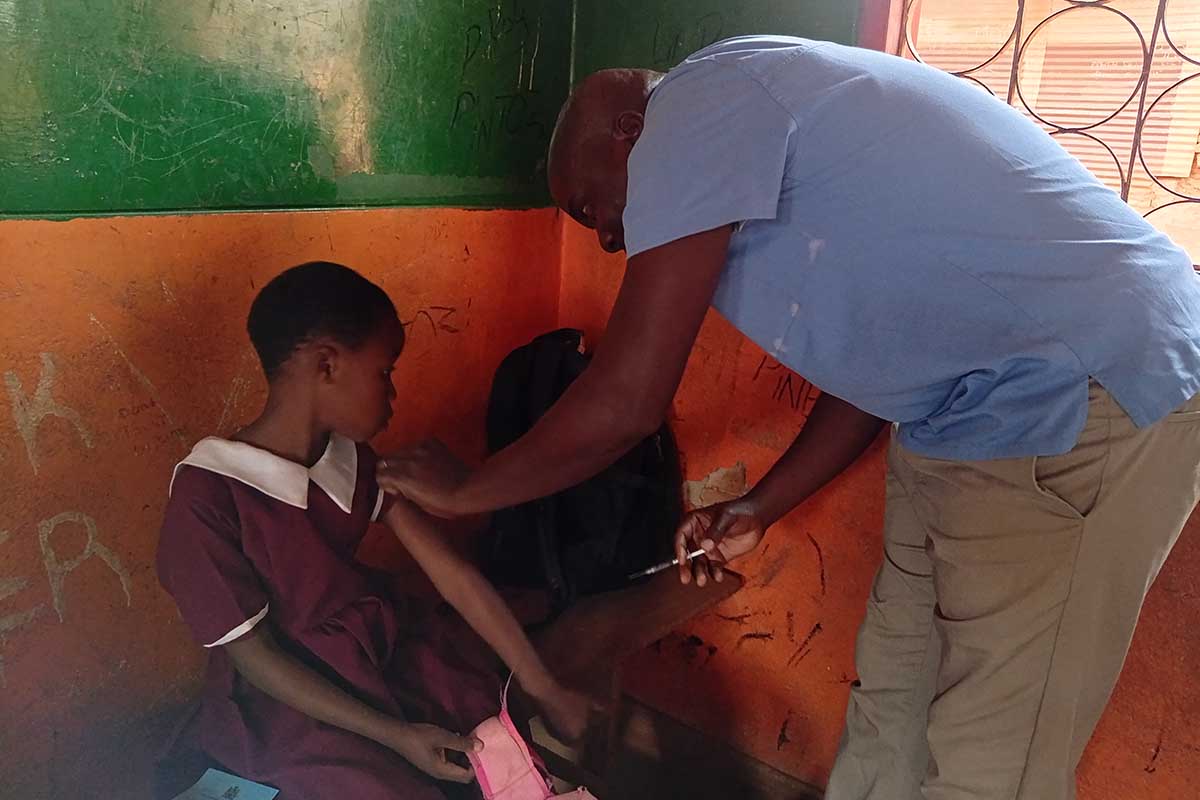
Viola Ropan Festos, a 28-year-old woman in South Sudan, dedicates her time travelling from village to village in remote parts of the Yei River county in the Central Equatoria State, talking to people. It’s an important job, aimed at raising awareness about the role of immunisation among people in villages that have limited health facilities. One of 60 social mobilisers in the region, her task is to create and sustain demand for immunisation services within communities to ensure that people are fully protected from vaccine-preventable diseases. Part of an innovative initiative called the Rescue Initiative of South Sudan (TRISS), commissioned by UNICEF and funded by Gavi, such efforts are having a real impact in helping to amplify vaccination coverage in villages, like Erap. By scaling-up routine immunisation in this region, social mobilisers like Festos are helping to ensure that no one is left behind.
One of 60 social mobilisers in the region, her task is to create and sustain demand for immunisation services within communities to ensure that people are fully protected from vaccine-preventable diseases.
One effective strategy includes the engagement of influential members of society, such as religious leaders and teachers, to educate the community about the benefits of routine immunisation. When Festos herself was pregnant, she acted as a role model for mothers in the village, educating them about misconceptions and encouraging them to visit health facilities. Festos’ goal is to ensure that all children younger than one year, as well as women of reproductive age, are fully vaccinated in these typically deprived populations.
The COVID-19 pandemic has added challenges to this work, but Festos has not let it stop her from advocating for the importance of routine immunisation. Instead, she has combined her vaccine awareness sessions with COVID-19 preventative measure explanations – emphasising the importance of routine immunisation during the pandemic.
Most read
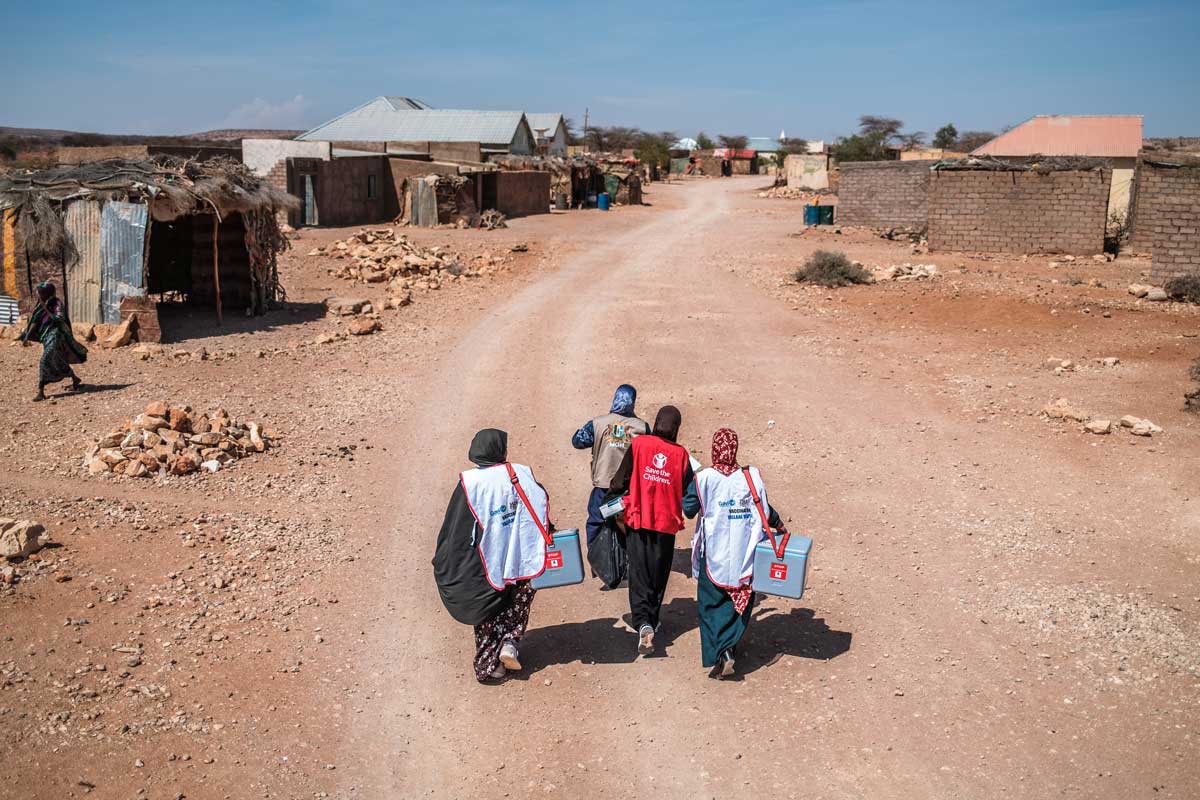
TRISS is part of a broader effort to close the immunisation gaps in South Sudan. Through Gavi support, the International Organization for Migration (IOM) has expanded its routine immunisation services across the states of Upper Nile, Unity and Western Bahr el Gazal. In Malakal County, Bam Primary Health Care Centre’s (PHCC) lack of funding is preventing it from being able to provide basic health services and immunisation to the Sudanese people. Thus, in November 2019, the IOM diversified its immunisation activities within Bam PHCC and began donating cold boxes and vaccines to the health facility while organising mobile vaccination activities every week. Through the commitment of health workers, the health-seeking behaviour of caregivers and Gavi’s support, Bam PHCC has vaccinated over 1,800 children in the region.
More from Gavi Staff