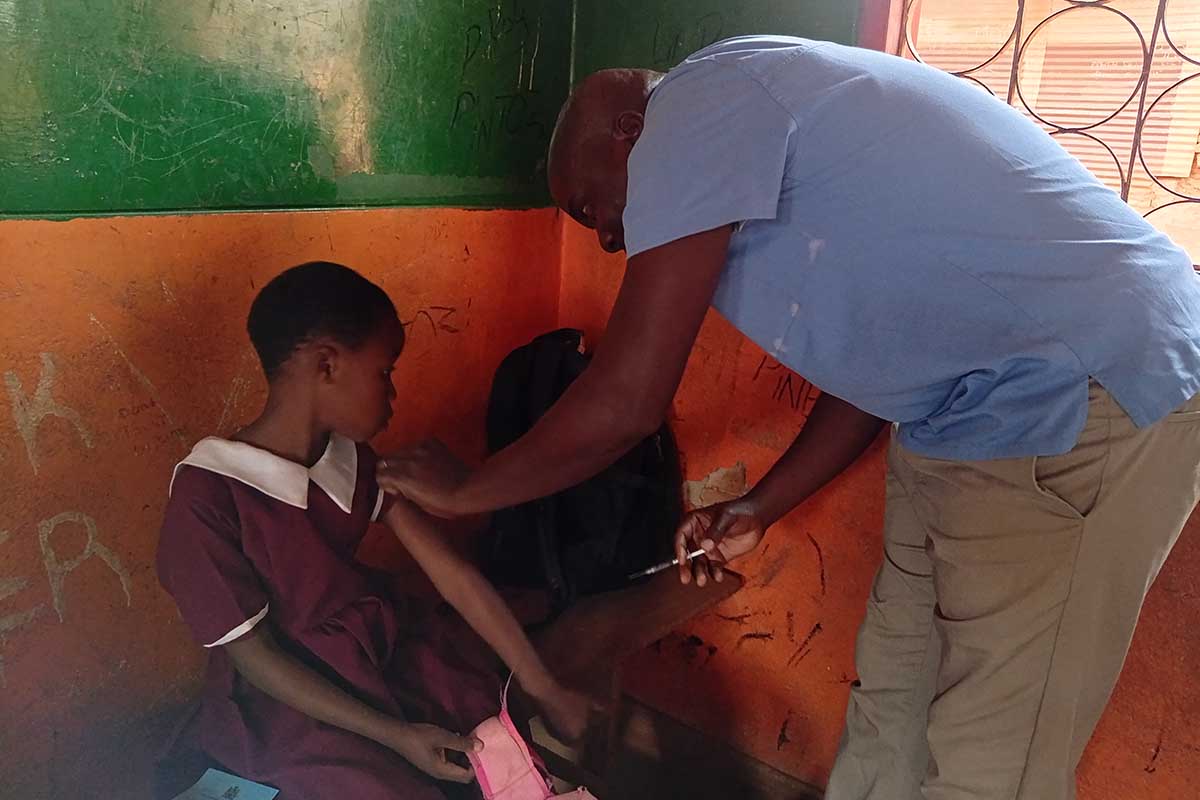

12 highlights from five years on the frontlines of immunisation
As Gavi brings its latest five-year period to a close, here are 12 milestones that reveal how immunisation adapted, endured – and saved lives since 2021.
- 19 December 2025
- 11 min read
- by Gavi Staff
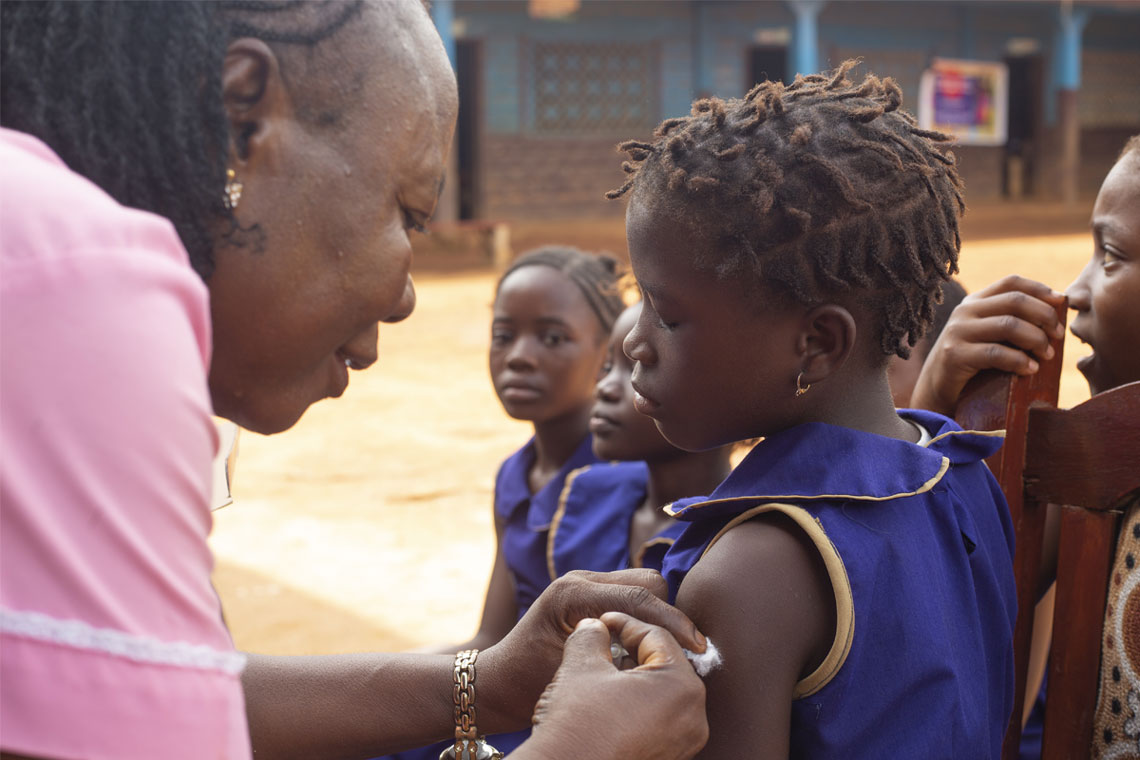
Five years. Twelve milestones. Millions of lives protected.
Gavi, the Vaccine Alliance works in five-year cycles, with one of our most eventful periods, running from 2021–2025, coming to an end this year.
So as one chapter of Gavi’s strategic work closes and another begins in 2026, this is a moment to pause and take stock of what the past five years have demanded – and delivered.
Here, we share 12 milestones – and the VaccinesWork stories that accompanied them – that shaped this era of immunisation: the breakthroughs and roll-outs, the systems strengthened and the consistent work that made protecting the world’s most vulnerable possible.
From responding to outbreaks in the world’s most challenging settings to rolling out new vaccines that protect entire generations, this period has been shaped by urgency, innovation and a determination to keep moving forward, even when the odds were stacked against us.
Here, we share 12 milestones – and the VaccinesWork stories that accompanied them – that shaped this era of immunisation: the breakthroughs and roll-outs, the systems strengthened and the consistent work that made protecting the world’s most vulnerable possible.
Each one is a reminder of what can happen when countries, partners and communities come together around a shared goal – a world where everyone, everywhere can access the vaccines they need to survive and thrive.
1. Tackling outbreaks
When outbreaks hit, preparedness becomes protection. Over the past five years, Gavi’s outbreak response work has operated at the intersection of urgency and precision, acting fast to support countries to rapidly deploy vaccines when every hour counts.
Gavi’s work preventing and tackling outbreaks is becoming more important than ever. Looking forward, researchers who analysed trends over the past 50 years have predicted the number of novel disease outbreaks will increase threefold in coming decades. Outbreaks caused by a group of high-consequence viral zoonotic pathogens are predicted to see a fourfold increase between 2020 and 2050.
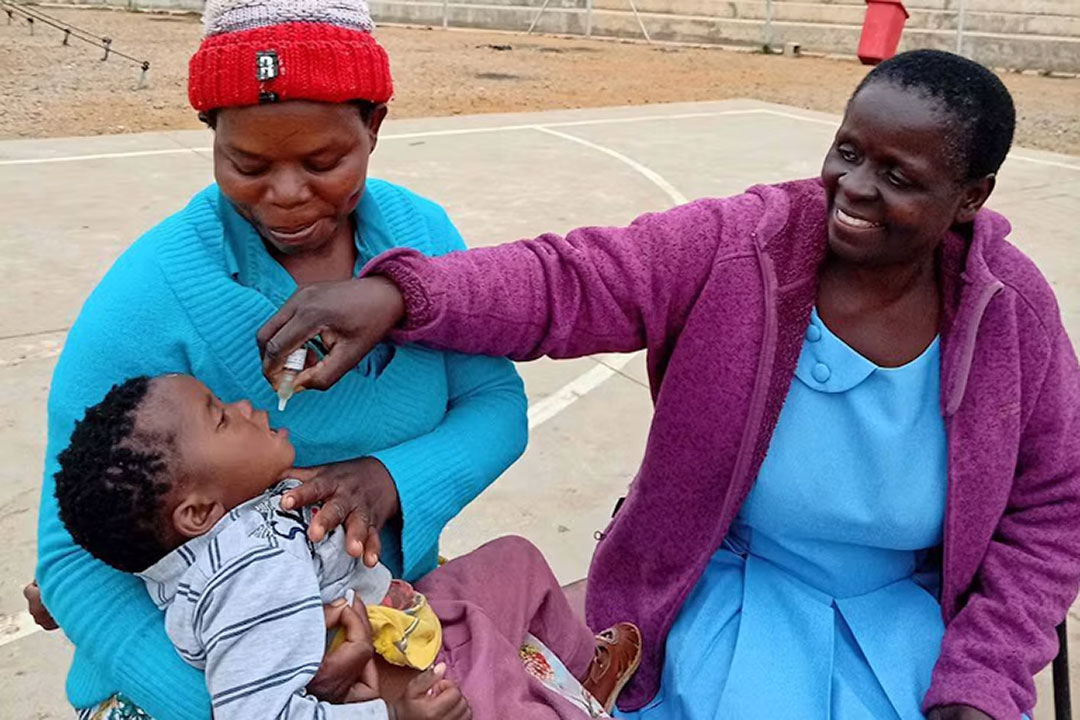
We’ve helped establish and fund emergency stockpiles, enabling rapid response campaigns for diseases like cholera and Ebola, and protected communities in some of the world’s most fragile settings.
In 2024 alone, 40 million oral cholera vaccine (OCV) doses were approved for emergency usefrom the global stockpile for reactive single-dose campaigns. Since 2021, a Gavi-funded global emergency stockpile of 500,000 doses of the rVSV-ZEBOV vaccine has been accessible worldwide, helping to ensure that governments can launch campaigns within days.
In Malawi’s devastating 2022–2023 cholera outbreak, a nationwide campaign helped shift the trajectory of the emergency. With over 56,000 cases and 1,759 deaths reported, the Ministry of Health deployed 3.9 million OCV doses from the Gavi-supported global stockpile.
Health workers and volunteers moved door to door with vaccines, chlorine solution and hygiene messaging, while surveillance teams identified hotspots for targeted action. Markets, schools and village centres became hubs for rapid mobilisation.
As case numbers fell sharply in early 2023, Malawi was able to declare cholera no longer an emergency.
2. Fighting a pandemic
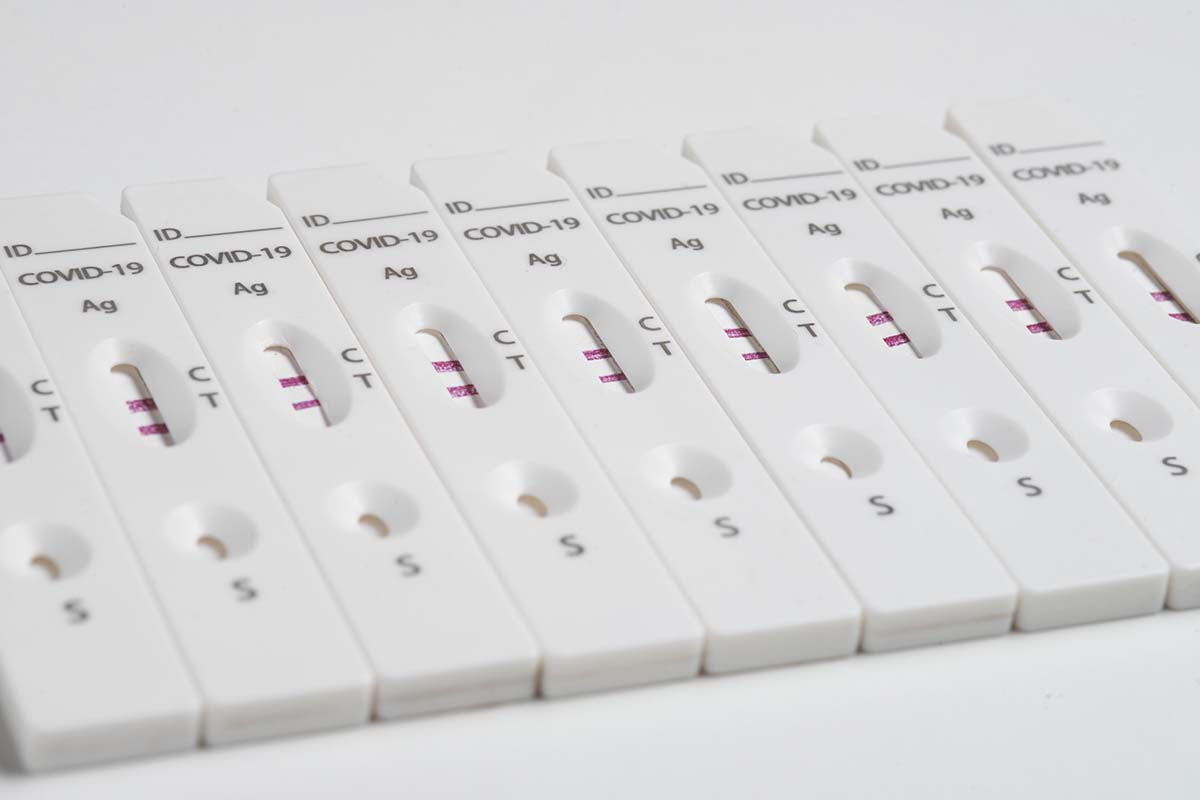
When the world faced its greatest health crisis in a century, equity became the mission. COVAX – a mechanism to deliver COVID-19 vaccines to the world’s most vulnerable – represented something unprecedented: the largest and fastest global vaccine roll-out in history, built on the principle that no country should be left behind.
Between 2021 and 2023, COVAX delivered almost 2 billion doses to 146 countries and territories, helping avert an estimated 2.7 million deaths in Gavi-supported nations.
This effort represented the fastest and most complex vaccine roll-out in history, reaching 87 lower-income nations and supplying more than half of the vaccine stock in many of them.
In Nepal’s Himalayas, this commitment was manifested on the frontlines of the pandemic. In remote Dolpa district, nurse Pemba Gurung carried COVID-19 vaccines on horseback for up to five days through steep mountain trails to reach villages with no roads and only basic health facilities.
She and her colleagues navigated freezing winds, altitude sickness and unpredictable weather while maintaining the cold chain and mobilising communities once they arrived.
These journeys ensured that families living in some of the world’s most isolated settlements were not left behind.
3. Protecting against cervical cancer
Since 2022, countries have dramatically expanded access to the human papillomavirus (HPV) vaccine to prevent cervical cancer, one of the most devastating cancers affecting women.
With US$ 600 million in new investment, at the end of 2022 Gavi set a target of increasing the number of girls protected in the world’s most vulnerable countries from 13 million to 86 million over the following three years.
We met this target last month – ahead of schedule – with coverage in Africa now surpassing coverage rates in Europe. With Gavi’s support, 42 countries have successfully launched HPV vaccine programmes.
We met this target last month – ahead of schedule – with coverage in Africa now surpassing coverage rates in Europe. With Gavi’s support, 42 countries have successfully launched HPV vaccine programmes.
In Sierra Leone this year, an ambitious campaign aimed to vaccinate nearly one million girls against HPV. Cervical cancer is the second deadliest form of cancer in the country – 70% of women who are diagnosed die of the disease.
Sierra Leone’s Deputy Minister of Health, drawing on personal loss in her own family, spoke of how cervical cancer had taken relatives she loved, and how the introduction of HPV vaccination offered a chance to spare future generations that pain.
Health workers, school leaders and communities worked together to reach eligible girls, transforming what was once a distant hope into a tangible shield against cancer.
4. A new way to fight malaria
The development of a malaria vaccine shifted the trajectory of the fight against one of the world’s most persistent killers.
With Gavi’s support, by October 2025 39 million doses had been delivered to 25 countries in Africa. The total burden of malaria in the African countries currently vaccinating children accounts for over 70% of the global malaria burden according to the 2024 World Malaria Report.
Behind this milestone is a story of scientific perseverance. Researchers spent decades refining the RTS,S and R21 vaccines, which work by priming the immune system to block the malaria parasite before it can multiply in the liver.
In Nigeria, the roll-out of the malaria vaccine brought relief and hope to families long familiar with the consequences of the disease. In Bayelsa State, health workers supported by Gavi, UNICEF and WHO, went door to door offering the four-dose vaccine schedule to infants as young as five months, bringing the new tool into routine immunisation in communities where malaria had taken an enormous toll on young lives.
One mother, Permanent, described how she lost a baby to malaria years earlier and how giving her current child the malaria vaccine brought her peace and a sense that “what happened to my late child won’t happen again”.
5. Repairing the damage done by the pandemic
COVID-19 created the largest backslide in routine immunisation in three decades, leaving millions of children unprotected.
Countries responded with intensive catch-up campaigns, strengthened outreach and new data systems, with Gavi, WHO and UNICEF supporting what became known as the Big Catch-up.
Within three months of Big Catch-up funding being approved at the end of 2023, 16 countries had been approved for support and the first shipment of 340,200 doses arrived in Guinea in March 2024.
Have you read?
In Cameroon in late 2025, national immunisation teams described the Big Catch-up as both a sprint and a marathon.
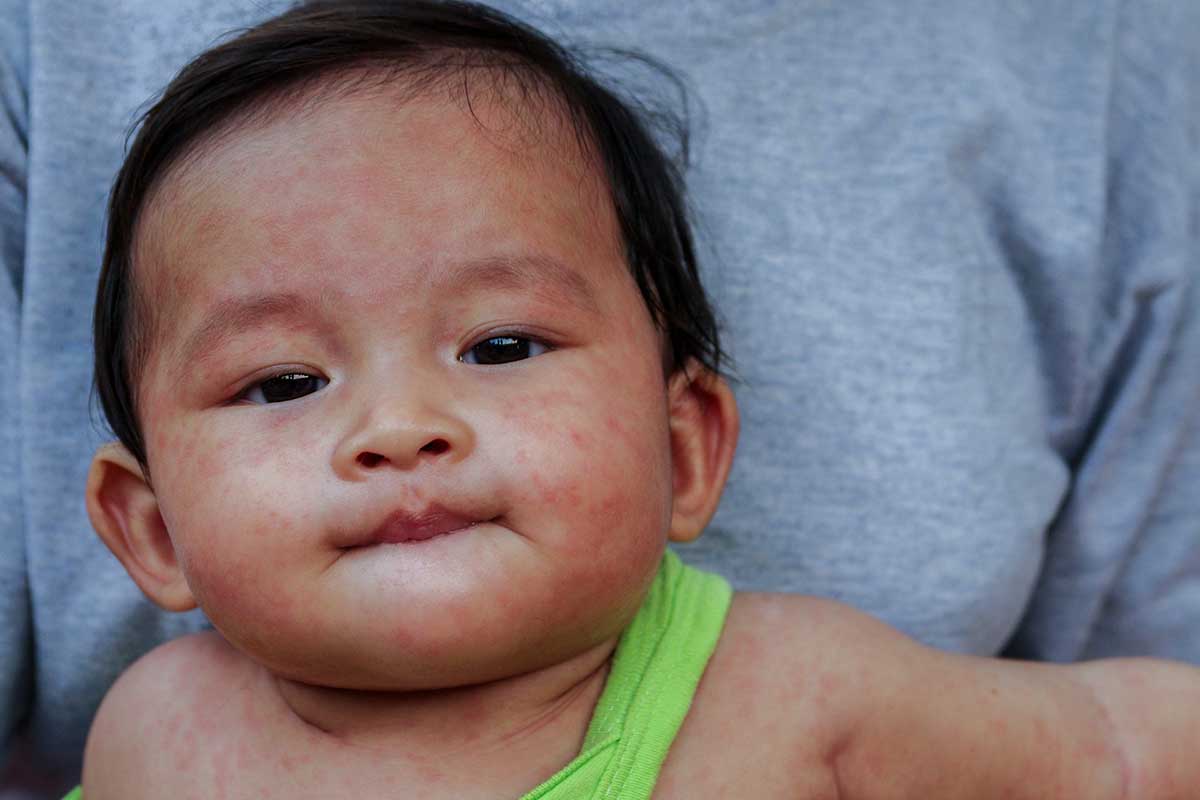
As routine vaccination coverage plunged during the COVID-19 pandemic, Cameroon counted over 168,000 zero-dose children – children who had never received any vaccines – prompting the launch of repeated catch-up campaigns across all ten regions.
Between July and August 2025, mobile teams visited households to vaccinate children against measles, polio and malaria, reaching mothers like Assiatou, whose nine-month-old son received all his missed doses during a single visit from a mobile team. More than 21,000 zero-dose children were reached.
6. Reaching the world’s most vulnerable
Humanitarian crises disrupt health services for millions of children. Gavi support allows partners to deliver vaccines in settings affected by conflict, displacement and climate shocks, ensuring that immunisation does not stop when systems falter. In 2022, Gavi strengthened this support to ensure a particular focus for displaced populations, as displacement is rising globally.
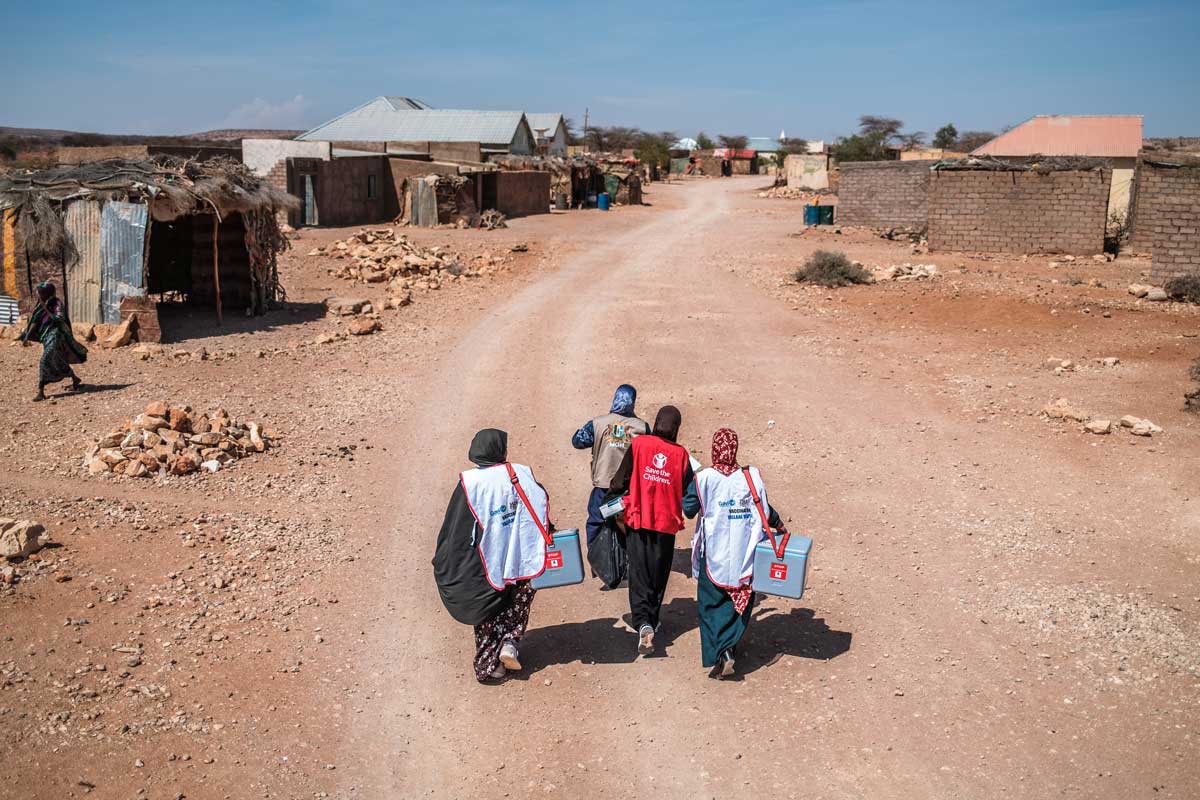
In 2023 and 2024, the International Rescue Committee (IRC) and its local partners working in Somalia delivered life-saving vaccines to thousands of children.
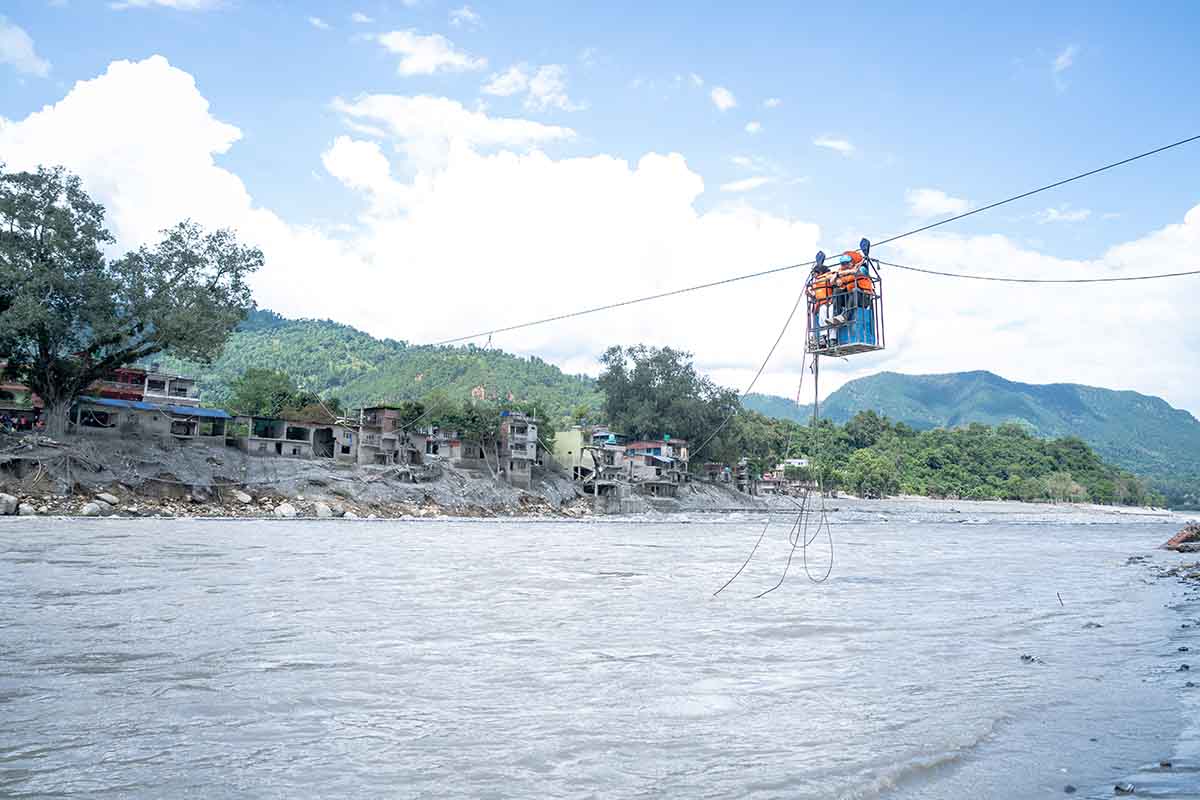
Faced with catastrophic floods that washed out roads and displaced families, and armed insurgency that made travel unpredictable and insecure, vaccination teams adapted constantly.
Moving with local guides, they navigated cut bridges and swollen rivers, coordinating with community leaders to establish temporary safe vaccination posts in camps and villages.
7. Boosting sovereignty and sustainability
As countries’ economies grow, so does their role in funding their own immunisation programmes and preparing for long-term self-reliance.
This level of co-financing has grown and grown, with countries now contributing 25% of the cost of Gavi-supported vaccines. Nineteen countries that once relied entirely on Gavi support are now fully funding their own vaccine programmes.
Gavi’s model means that every country it partners with must cover some of the cost of the vaccines it receives. The wealthier a country gets the more it contributes, until eventually it graduates completely from Gavi support.
This level of co-financing has grown and grown, with countries now contributing 25% of the cost of Gavi-supported vaccines. Nineteen countries that once relied entirely on Gavi support are now fully funding their own vaccine programmes.
Co-financing works because the returns are undeniable: every US$ 1 invested in vaccines generates an estimated US$ 54 in economic and health benefits.
8. A new six-in-one lifesaver
In July 2025, the hexavalent vaccine – which protects against diphtheria, tetanus, pertussis, hepatitis B, Haemophilus influenzae type b and polio – became available in low-income countries for the first time.
This was a game-changing move, simplifying delivery, reducing the number of injections infants receive and potentially improving coverage by streamlining visits – especially critical in settings where access to health services is difficult.
Higher-income countries had been using hexavalent vaccines for two decades, but it took Gavi’s market-shaping efforts to make it viable for lower-income settings. By 2030, UNICEF estimates the market could reach 100 million doses annually.
Countries including Mauritania and Senegal rolled out the vaccine with Gavi support in 2025.
9. Protecting babies from birth
Hepatitis B can pass from mother to infant during childbirth, so giving a birth dose of vaccine within 24 hoursis critical to prevent lifelong infection and its complications, including cirrhosis and liver cancer.
Gavi’s hepatitis B birth-dose support is helping countries introduce the vaccine while adapting systems to find every newborn quickly. This support can include funding for vaccines, upgrading th ecold chain in maternity wards, and training midwives and community birth attendants to store and administer doses safely as part of routine newborn care.
Health officials say the birth dose, given within 24 hours, is a game changer, interrupting mother-to-child transmission before it can take hold.
These investments also strengthen services for other at-birth interventions, such as BCG, polio vaccine and essential postnatal checks.
In Uganda, the introduction of the hepatitis B birth dose is a critical step in preventing a lifelong and often invisible disease.
For Sarah Ankunda, living with chronic hepatitis B has meant stigma, lost opportunities and the burden of a condition she may have acquired at birth – the most common route of transmission.
Health officials say the birth dose, given within 24 hours, is a game changer, interrupting mother-to-child transmission before it can take hold. The campaign began with 200,000 Gavi-supported doses in northern Uganda, where prevalence is highest, offering hope that future generations will be protected.
10. Delivering innovative finance
Innovative finance has been at the core of Gavi’s work since its inception; this approach has reshaped how vaccines are financed, turning long-term donor commitments into immediate, life-saving impact.
Mechanisms like advance market commitments, vaccine bonds and pooled procurement have accelerated access to new vaccines, stabilised fragile markets, lowered prices and ensured reliable supply for lower-income countries.
These tools support faster outbreak responses, enable complex vaccine roll-outs and reduce the gap between scientific breakthroughs and real-world protection.
In June 2024, this approach expanded with the African Vaccine Manufacturing Accelerator (AVMA), making up to US$ 1.2 billion available over ten years to accelerate commercially viable vaccine manufacturing in Africa.
The goal: to support the Africa-led effort to build a sustainable, thriving vaccine industry on the continent.
11. Reaching one billion children
By the end of 2024, Gavi and partners reached a historic milestone: over 1.2 billion children immunised since 2000.
This achievement reflects decades of collaboration between governments, global health agencies and communities, steadily expanding access to life-saving vaccines in places with the highest child mortality burdens. In just the past five years, routine immunisation continued alongside major roll-outs of malaria and HPV vaccines, all while responding to some of the biggest health crises the world has experienced in recent memory.
Innovations such as switching health centres to solar power so they are not depending on unreliable electricity supplies, using drones to deliver vacciness to remote areas, or providing support to the cold chain required to ensure vaccines stay at the correct temperature all expanded the reach of the vaccines. These are now embedded in routine systems, opening the door for the next generation of immunisation progress.
12. The next five years
Over the past five years, Gavi has tackled outbreaks, rolled out groundbreaking vaccines, immunised over a billion children and strengthened systems in the world’s most challenging settings. These weren’t just achievements. They were proof of what’s possible when countries, partners and communities commit to leaving no child behind.
Through the Gavi Leap reform, nearly 90% of Gavi's vaccine procurement budget will be allocated directly to countries through country vaccine budgets, giving nations far greater autonomy in how they prioritise immunisation programmes and plan domestic financing.
Now comes the next chapter.
Gavi's next five years focus on reaching zero-dose children, expanding access to new vaccines, strengthening regional manufacturing and supporting countries to build agile systems capable of responding to both routine needs and emerging threats.
Through the Gavi Leap reform, nearly 90% of Gavi's vaccine procurement budget will be allocated directly to countries through country vaccine budgets, giving nations far greater autonomy in how they prioritise immunisation programmes and plan domestic financing.
Despite funding constraints, Gavi will also increase the amount of money going to immunisation in fragile and humanitarian contexts. Because protection can’t wait for stability.
The challenges ahead are real. So is our commitment.
More from Gavi Staff