
In Kilifi, Kenya, malaria is vanishing from the children’s wards
Kilifi is a malaria-endemic zone. Long term surveillance shows reliable access to insecticide-treated nets and a test-and-treat policy has led to a dramatic decline in paediatric cases.
- 30 October 2026
- 8 min read
- by Joyce Chimbi

At a glance
- Over the past 35 years, malaria cases in western Kenya's Kilifi District have plummeted. In 1999, there were 26 malaria-linked hospital admissions for every 1,000 children in the population; between 2020 and 2024, that fell to fewer than 1 hospital admission per 1,000 children per year
- Dr Alice Kamau, lead author of the new study behind that data, says that severe malaria has become so rare in Kilifi that "conducting clinical trials of new therapies and interventions... is now challenging"
- Preventive measures at household level and an assiduously implemented test-and-treat protocol - which provides for treatment in the community by trained community health promoters in uncomplicated cases - have made all the difference, say experts.
In the 1990s, a malaria catastrophe was unfolding at the Kilifi District Hospital, now known as the Kilifi County Referral Hospital. In 1998 and 1999, facility data shows that malaria accounted for 53% to 56% of all paediatric admissions. It wasn’t rare for these children to die shortly after they arrived on the ward.
On average, the hospital recorded the malaria-linked deaths of 48 infants and young children each year. Fatma Suleiman from Mkomani village, Kilifi County, now a 47-year-old mother of five children, remembers those days.
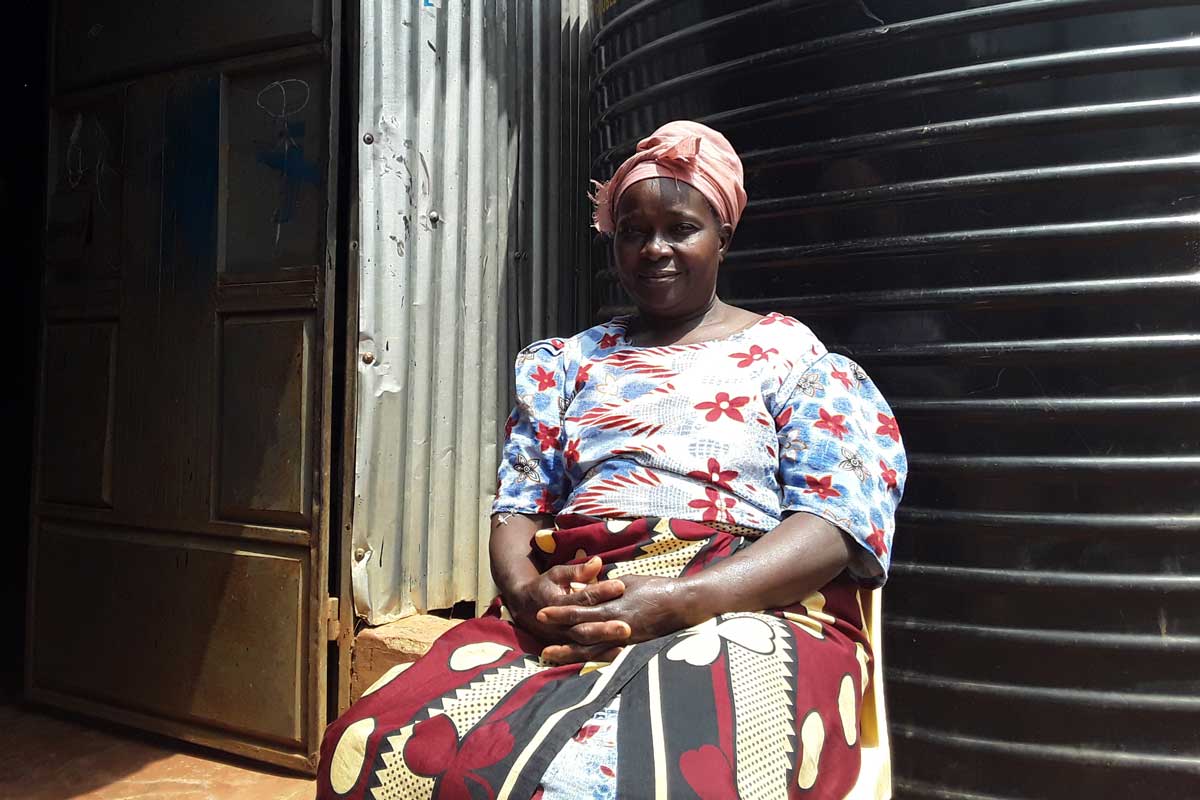
“Some people went mad,” she said. “We were told malaria entered their brain. I saw affected children shake uncontrollably and faint. Some pregnant women died. We all thought it was witchcraft and were very afraid.”
She remembers visiting the High Dependency Unit of the hospital and many children sharing a bed: the rate of admissions was many times higher than the hospital’s design permitted. Nurses were overwhelmed. Back in the villages, children’s funerals were not uncommon.
Today, these tragic memories are fading. A 35-year study by the KEMRI-Wellcome Trust Research Programme tracked malaria’s disappearance in Kilifi, in one of the longest continuous studies of childhood malaria in Africa.
An about-face
Researchers analysed paediatric admissions to Kilifi County Teaching and Referral Hospital between 1990 and 2024, of children aged one month to 14 years, all of whom were living in the Kilifi Health and Demographic Surveillance System area.
Those 34 years saw striking improvement. In the 1990s, the study found about one in three children in the community were infected with the malaria parasite. Today, that figure has fallen to about one in 50 children.
Dr Alice Kamau, a researcher at the KEMRI-Wellcome Trust Research Programme and lead author of the report, says rainy seasons in the 1990s meant crowded wards, bursting with critically ill young children, all of whom needed emergency treatment for severe malaria.
In 1999, there were about 26 malaria-linked hospital admissions for every 1,000 children in the population. Between 2020 and 2024, this had fallen to less than one admission per 1,000 children each year.
“More than 30 years later, severe malaria is rare to the extent that conducting clinical trials of new therapies and interventions for severe disease is now challenging,” Kamau says.
Spreading the safety net
Chimwaga Mwamuye, the County Malaria Control Coordinator for Kilifi based at the referral hospital, says this improvement did not come easy. “Kilifi is a natural habitat for malaria as there are many breeding sites and poor health seeking behaviour.”
He says in some areas, such as Kaloleni and parts of Rabai sub-counties, the community was not receptive to government-distributed free insecticide-treated nets.
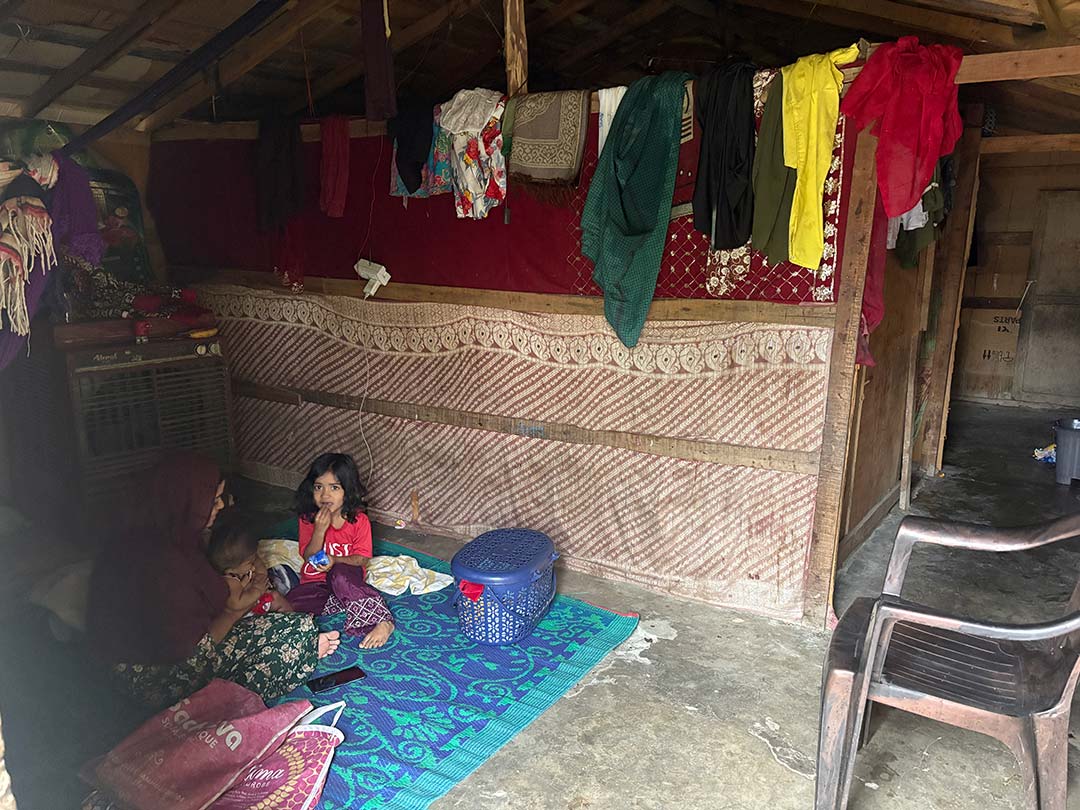
Suleiman speaks of fears that nets talk to people at night, are possessed by ghosts, bring nightmares and bedbugs. Health workers say it is all a misunderstanding of a far simpler fact: a person habituated to being bitten by mosquitoes may not be conscious that they are kept in shallow sleep. Unbothered by insects inside the net, that same person may drop into deep sleep with vivid dreams. Furthermore, the insecticide in the nets forces bedbugs out of their hiding places on the mattresses and bed frames and into plain sight.
Part of the challenge was also the association of nets with funerary traditions in some places. Mwamuye says that in some areas, “when a person dies and before they are buried, they are placed on a bed inside a square-shaped mosquito net, to keep away flies [during the ceremonial viewing]. People said sleeping in the nets is like entering a coffin. We overcome such challenges with education.”
Protecting pregnant women
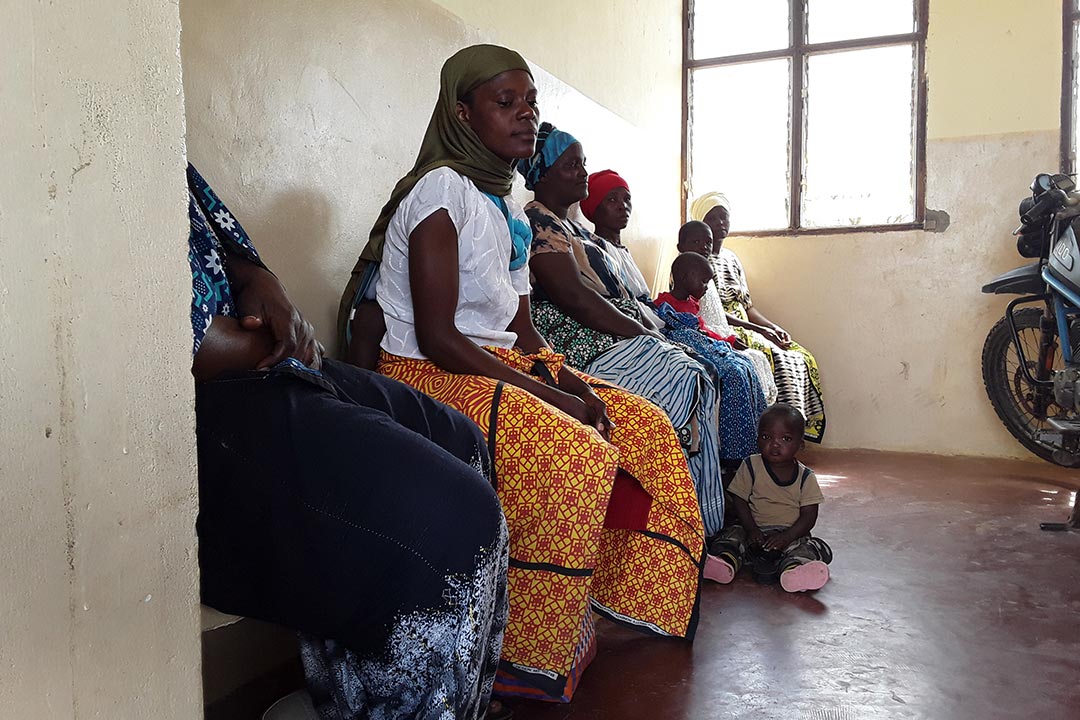
Malaria is particularly dangerous for young children and pregnant women. Mildred Santa, a nurse in-charge at the referral hospital and coordinator of nursing services, says they work with community health promoters (CHPs) to ensure all pregnant women come to the facility for antenatal care profiling within five weeks.
Hundreds of children in Kilifi County participated in clinical trials for malaria vaccines.
They are tested for parasites including malaria and receive their first dose of antimalarial medicine at 14 weeks + (one day). They also receive an insecticide-treated net, and thereafter, one dose of the antimalarial every month until delivery. After that, they receive another net for the newborn.
Test-and-treat
Kenya has a test-and-treat policy, as presumptive treatment without a test is not recommended. Making that work means running a lot of tests.
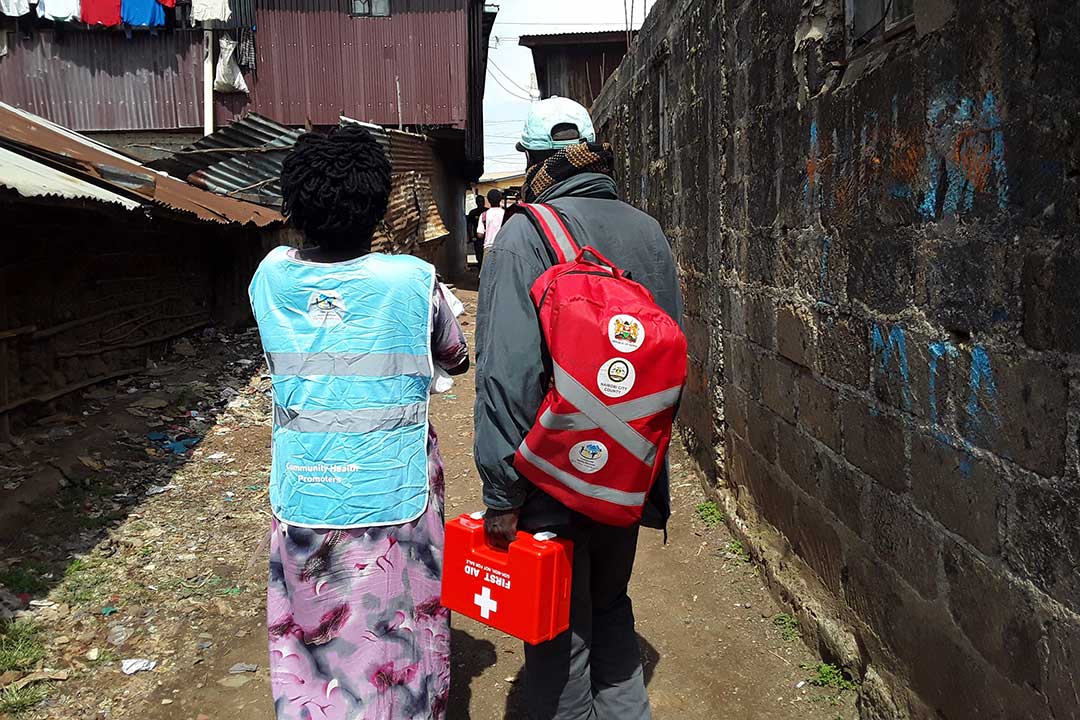
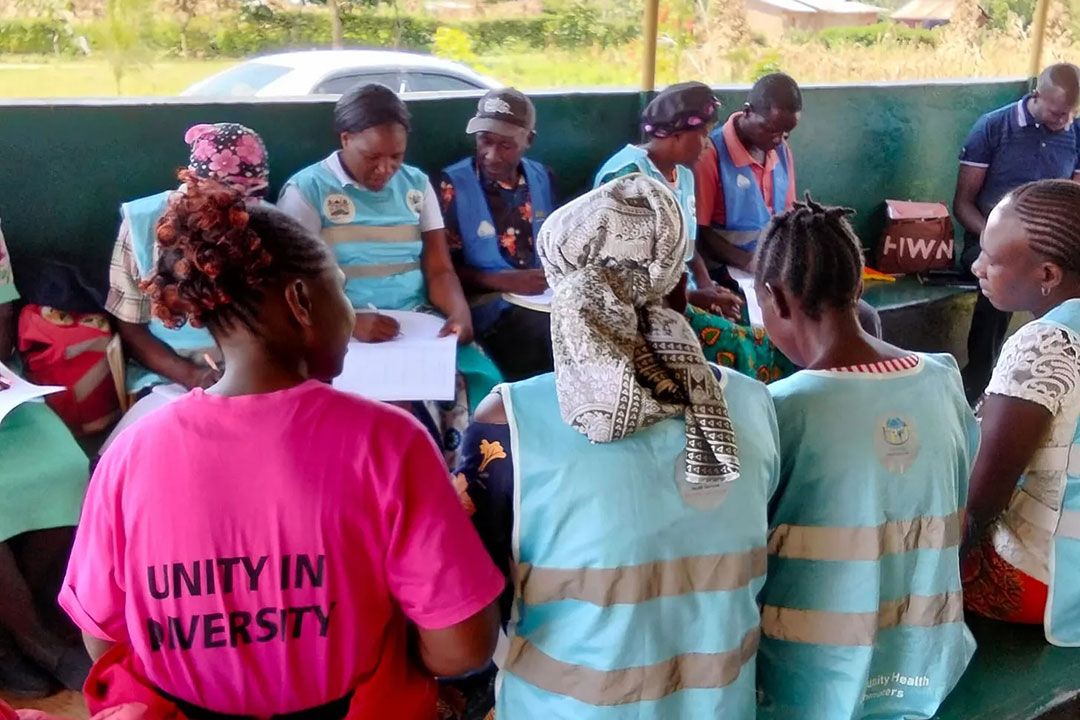
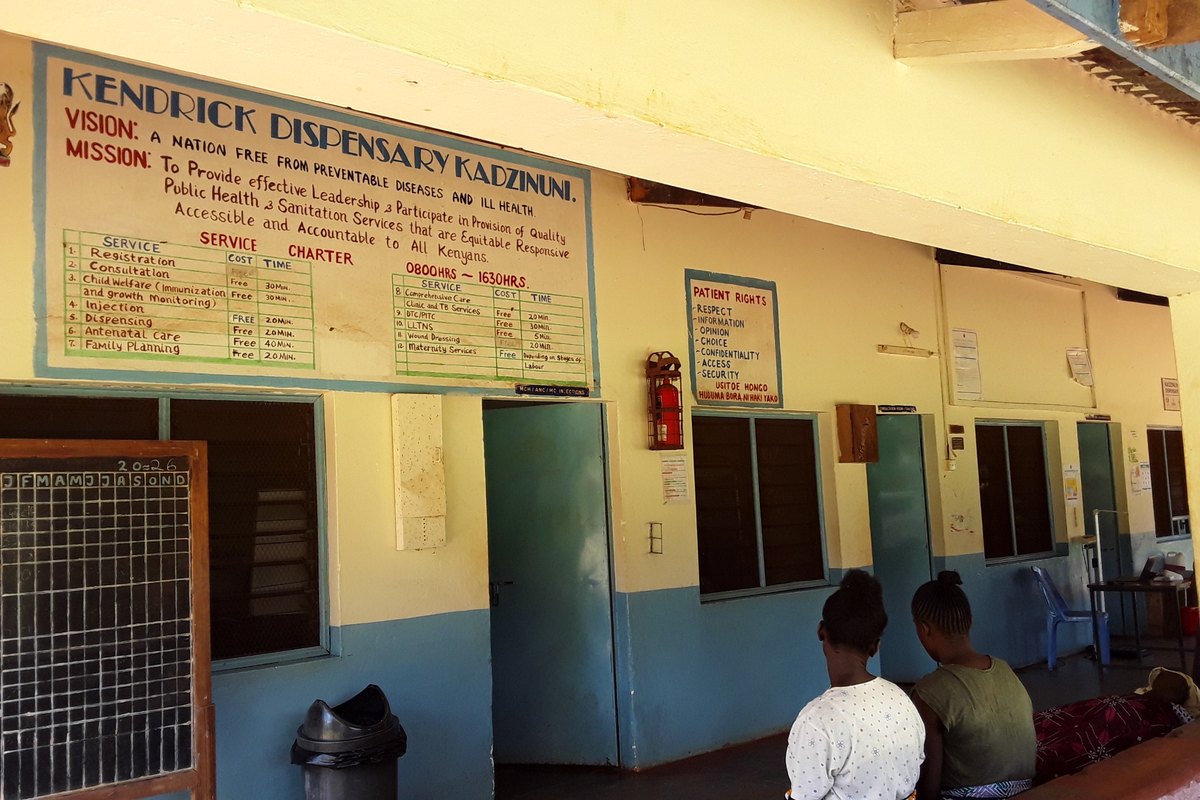
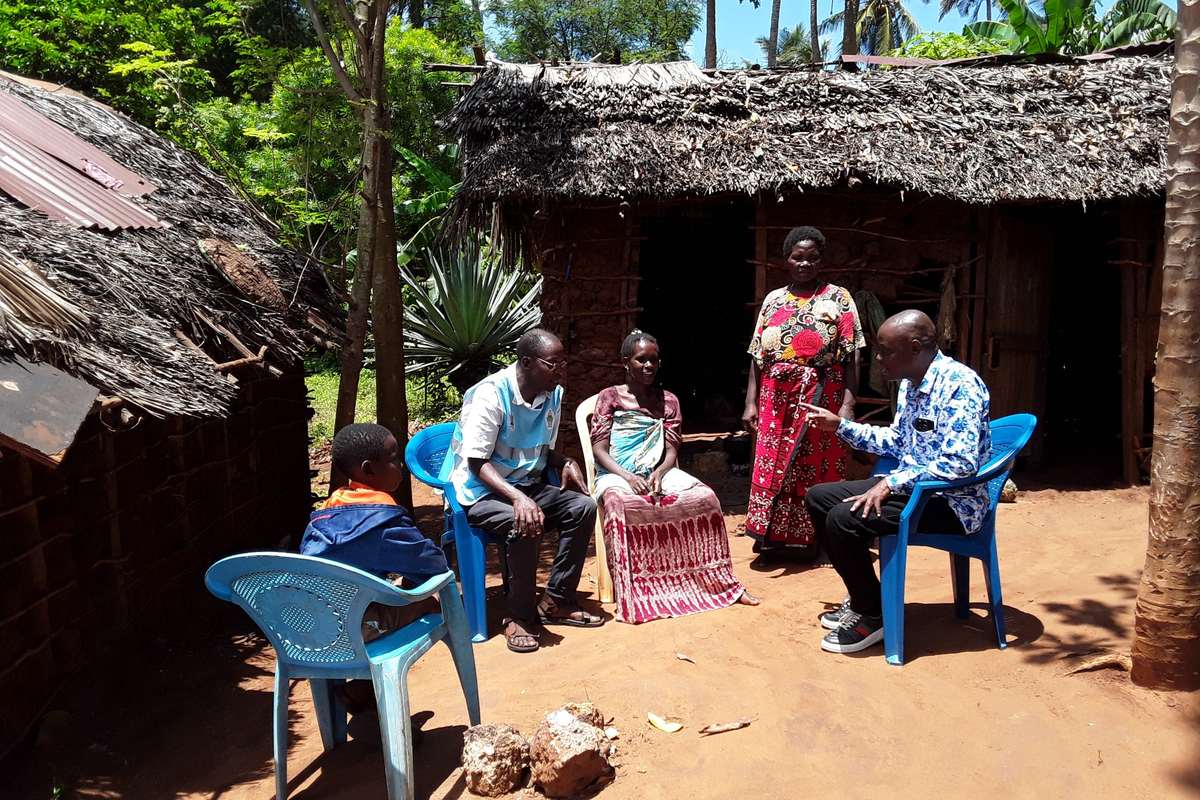
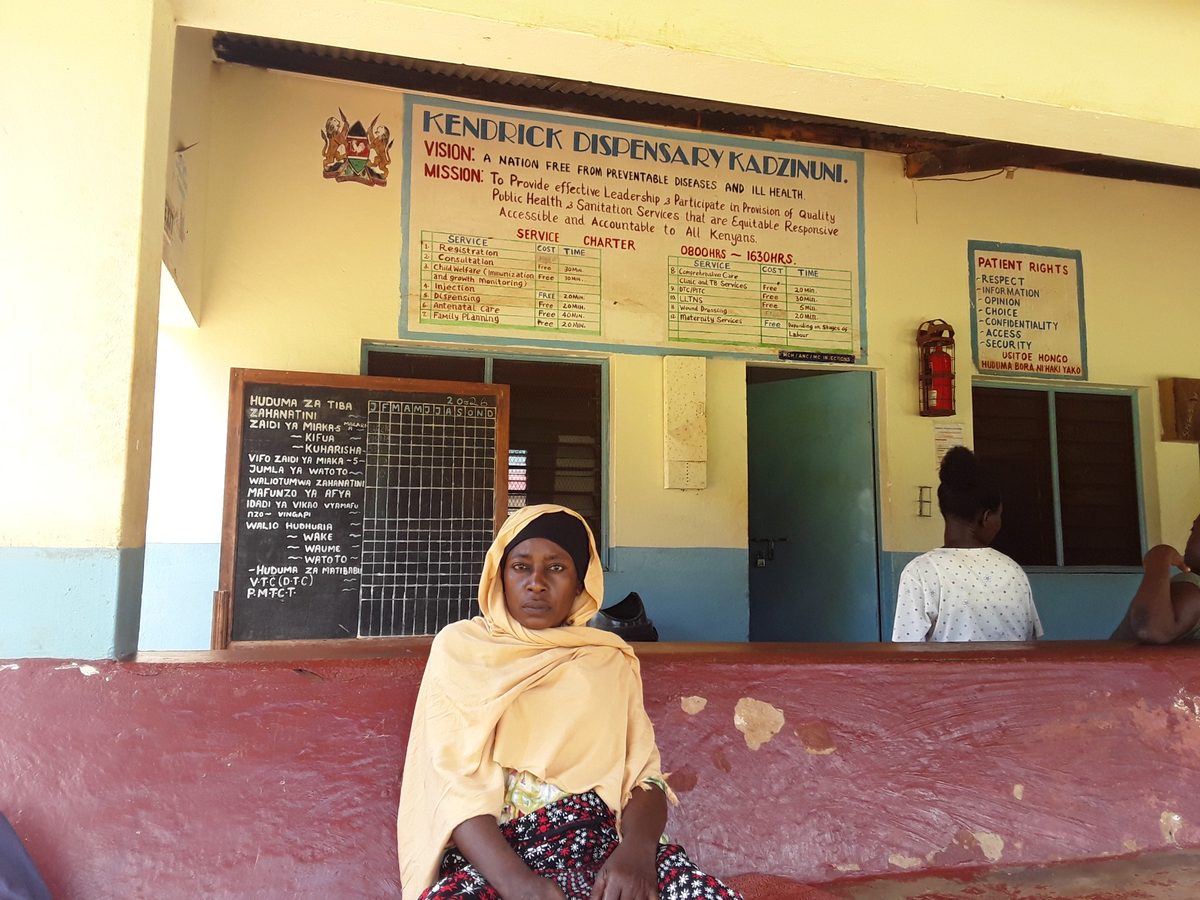
CHPs have taken up a critical role. In malaria hotspots and hard-to-reach communities such as Kadzinuni village in Kilifi county, they are trained to use Malaria Rapid Diagnostic Tests to test for malaria. They also treat uncomplicated cases, meaning both diagnosis and treatment directly to households.
Mwamuye says that treatment in the community has also prevented the sharing of medicine. Previously, mothers would seek treatment for one child, but share the medicine with her other sick children because the distances to health centres were long. That had problematic effects on surveillance, regulation and treatment efficacy.
CHPs do not treat pregnant women and children under five, they refer these cases and accompany them to qualified treatment centres. Still, CHPs were recently found to be managing nearly 17% of the total malaria cases across surveyed facilities in the Kilifi area, easing facility-level congestion and facilitating quick access to treatment.
Getting the jab
Kenya introduced the RTS,S malaria vaccine across limited areas in September 2019 as part of the three-country Malaria Vaccine Implementation Programme (MVIP). The vaccine is now available in 51 sub-counties across the country. Dr Kamau says current WHO recommendations for RTS,S and R21 vaccine deployment focus on areas with high to moderate malaria transmission, which somewhat ironically excludes Kilifi, due to its malaria control successes.
But children in Kilifi are no strangers to the malaria vaccine, having received it as trial participants through structured research and clinical evaluation rather than general public immunisation campaigns.
The KEMRI-Wellcome Trust Research Programme situated next to the referral hospital is a major scientific and medical research partnership based in Kilifi and has been a main site for malaria vaccine trials in Kenya. Hundreds of children in Kilifi County participated in clinical trials for malaria vaccines, including Phase I, II, and III trials for vaccines such as the R21/Matrix-M, led by the KEMRI-Wellcome Trust Research Programme, and earlier paediatric studies for RTS,S (Mosquirix).
But some local health workers hope that large-scale vaccine access will soon be extended to the county.
While overall malaria paediatric admissions have fallen to near zero over the past 35 years, health workers like Daniel Karisa, the clinical officer in charge of Kadzinuni Kendrick dispensary, says there are still pockets of highly vulnerable, hard-to-reach communities.
As recently as two years ago, of the 120 people treated in a day at the dispensary, 60 to 70 tested positive for malaria, he says. Mwamuye says it would take the referral hospital “three to four months to record 70 malaria cases. Alarmed, we suspected misdiagnosis.
“In early 2025, I brought the county laboratory coordinator to investigate the testing process. That day, we found a teacher from the school next door had brought 20 sick pupils to the dispensary. They formed part of our sampling, with 16 of them aged six to 15 years testing positive for malaria.”
Although malaria cases are down to 20 cases in a day at the clinic, Karisa says without a vaccine, this and other high priority areas risk losing these gains.
Have you read?
Prescription: continued vigilance
Moving forward, Dr Kamau stressed the need for vigilance, as evidence mounts that malaria is changing how it presents.
The study found that children who become seriously ill with malaria are now generally older
than they were three decades ago, meaning young children are exposed to the disease less often than in the past. In older children, malaria can look different.
“In very young children, severe malaria commonly manifests as severe anaemia, and it remains an important manifestation in older children. By around four years of age, cerebral malaria becomes a more common presentation. Both forms of severe malaria can have poor outcomes without prompt treatment following hospital admission,” she explains.
She stresses that treatment protocols for childhood severe malaria in Kenya “are well established and apply to all paediatric admissions. However, clinicians in Kilifi need to be aware that it is more common now to see older children than was the case during the 1990s.”
Study researchers recommend systematic surveillance to sustain progress against the parasitic infection. “Before deploying new tools, we need to understand how well existing interventions are working. When they begin to fail, we need to identify and deploy alternative tools,” she says.
“Through detailed surveillance and analysis of data of parasite populations, vector surveillance and clinical data, we have shown that current ACT [Artemisinin-based Combination Therapy] treatments and insecticide-treated nets remain effective in Kilifi.”
However, she says this may not always be the case, as drugs and insecticide resistance continues to emerge. Alternative treatment regimens or insecticide-treated net products may yet need to be introduced.