
That urge to hide yourself away when you’re sick? Scientists might have found the cause
- 25 November 2025
- 3 min read
- by Linda Geddes
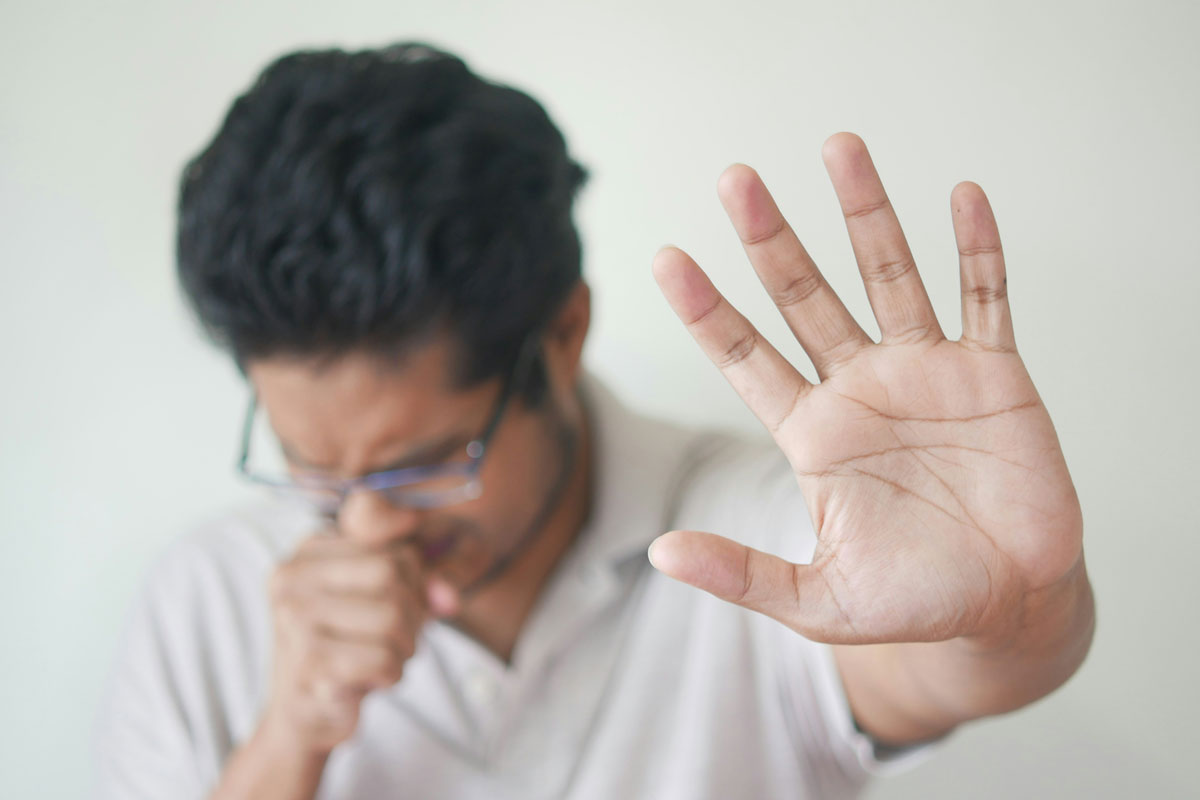
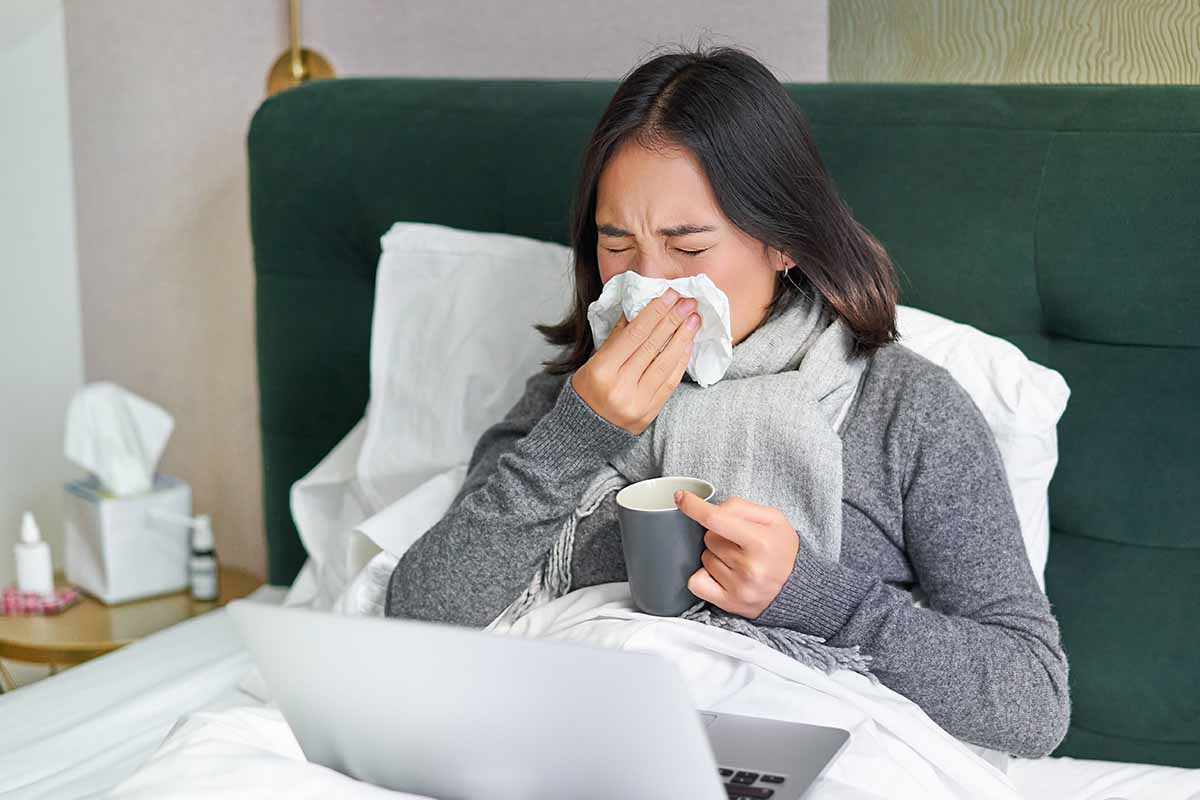
Falling ill often triggers a sudden urge to retreat from the world and curl up alone.
Whether this so-called sickness behaviour is a mere byproduct of feeling unwell or something more deliberate has been unclear.
But now, researchers have identified specific immune signals and brain pathways that switch on when mice fall ill.
This suggests that the dampened desire for company isn’t just passive, but may be an evolutionarily-shaped response to help limit the spread of infection.
The study, published in Cell, could also shed light on why vaccination sometimes drives a similar urge to temporarily seek isolation and rest.
How does getting sick affect behaviour?
Scientists have long noticed that both animals and humans tend to withdraw from social situations when they fall ill.
Dr Liu Yang at Massachusetts Institute of Technology (MIT) in Cambridge, US, and colleagues suspected that the immune system might be sending messages directly to the brain during illness to trigger this behaviour.
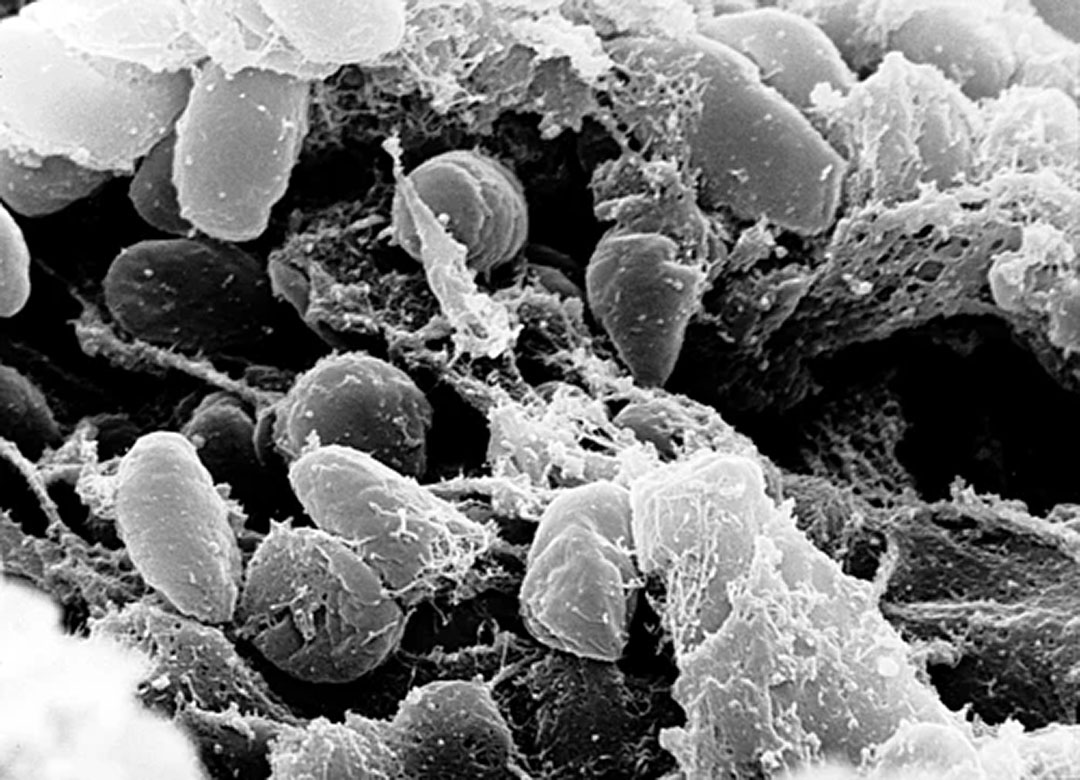
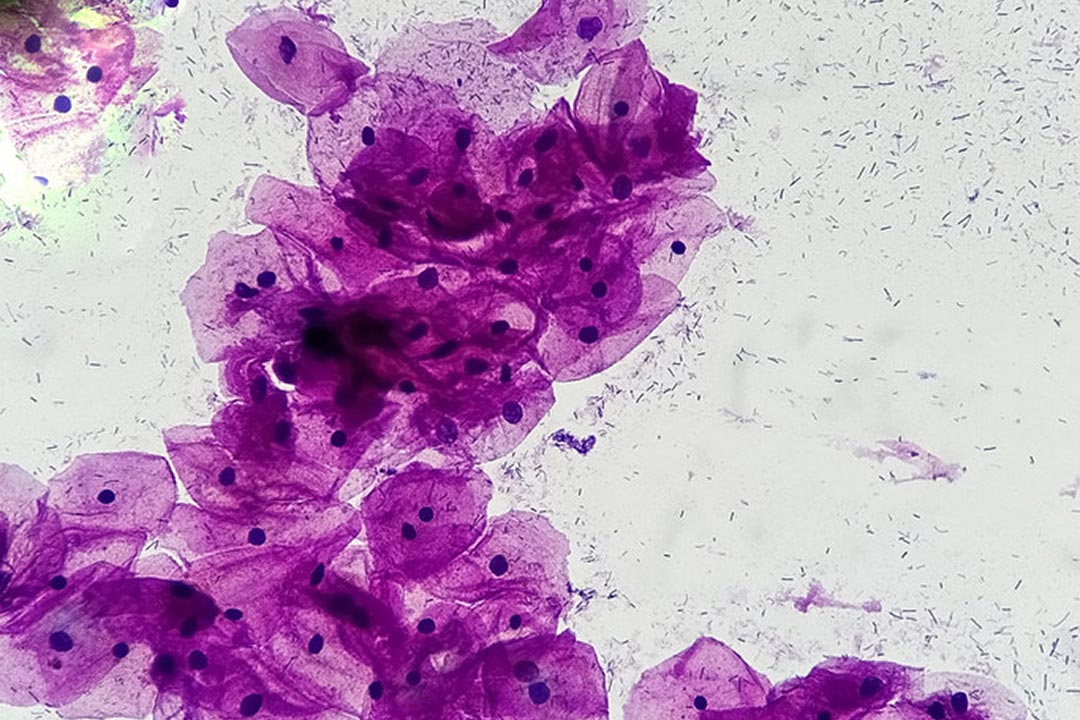
To investigate, they exposed mice to a component of bacterial cell membranes, called lipopolysaccharide (LPS), or infected them with whole bacteria, confirming that such exposure caused them to socially withdraw and spend more time alone.
Next, they injected mice with 21 different cytokines – chemicals that are produced by immune cells in response to infections – to see if any of them triggered the same behaviour.
Only one of them did: a cytokine called IL-1β.
Have you read?
Further experiments identified a small group of serotonin-producing cells in a brain area called the dorsal raphe nucleus that became activated in response to IL-1β.
To test whether these brain cells truly triggered social withdrawal, the researchers fitted them with a kind of genetic remote-control switch, which could be turned on with a harmless lab-made drug.
When mice were given the drug, the cells activated – without using IL-1β – and the mice immediately behaved like sick animals, choosing to be alone.
They also found that preventing this switch from being activated could stop sick mice from withdrawing socially.
“Our findings show that social isolation following immune challenge is self-imposed and driven by an active neural process, rather than a secondary consequence of physiological symptoms of sickness, such as lethargy,” said study co-senior author Dr Gloria Choi, also at MIT.
Does this mechanism affect vaccination?
Although further studies are needed to confirm that the same mechanism operates in humans, Choi believes a similar process might help explain why vaccination can also trigger a similar impulse to temporarily seek solitude and rest.
“The behavioral withdrawal that accompanies infection or immune activation – what we broadly call sickness behavior – is triggered by cytokines such as IL-1β acting on specific neural circuits. Vaccines are designed to stimulate the immune system in a controlled way, and this may transiently activate similar cytokine pathways,” she told VaccinesWork.
“While the immune responses after vaccination are typically much milder, the underlying biology that drives the urge to rest or seek isolation may partially overlap with the mechanisms we describe in the paper.”
“Multiple cytokines can influence brain function, and different components of sickness behavior, such as fatigue, loss of appetite or social withdrawal, likely emerge from the combined actions of these signaling molecules on distinct neural circuits.”