
New research from the US and Sweden suggests the HPV vaccine is beating cervical cancer
Two new studies confirm the HPV vaccine offers lasting protection against cervical cancer, but geography still determines who benefits.
- 3 March 2026
- 6 min read
- by Linda Geddes
At a glance
- A US study shows that nationally cervical cancer rates in women aged 20–31 have dropped 27% since HPV vaccination was introduced. In some states, rates have fallen by more than half, but progress varies widely depending on vaccine coverage.
- Meanwhile, a large Swedish study following women for up to 18 years found no evidence that the protection offered by the HPV vaccine fades. Those vaccinated before age 17 had around a 79% lower risk of invasive cervical cancer.
- Together, these studies show that where HPV vaccination rates are high, cervical cancer declines faster, but unequal coverage means some regions are on track to eliminate it much sooner than others.
The promise of eliminating cervical cancer is no longer theoretical. In parts of the United States, it is already beginning to happen – but where people live determines how quickly, new research suggests.
A new state-by-state analysis of US cancer registry data shows a 27% national drop in cervical cancer incidence among young women in the years since HPV vaccination was introduced.
Yet while some states have cut rates by more than half, others have seen little to no improvement.
The differences mirror HPV vaccine coverage, suggesting that policy choices and access to immunisation are already shaping women’s real-world risk of developing cervical cancer.
Meanwhile, fresh evidence from Sweden, tracking women for nearly two decades after vaccination has found no sign that the protection provided by the vaccine fades.
Together, these studies show that the HPV vaccine works, but only if people have access to it.
What does state-by-state cancer data reveal about HPV vaccination?
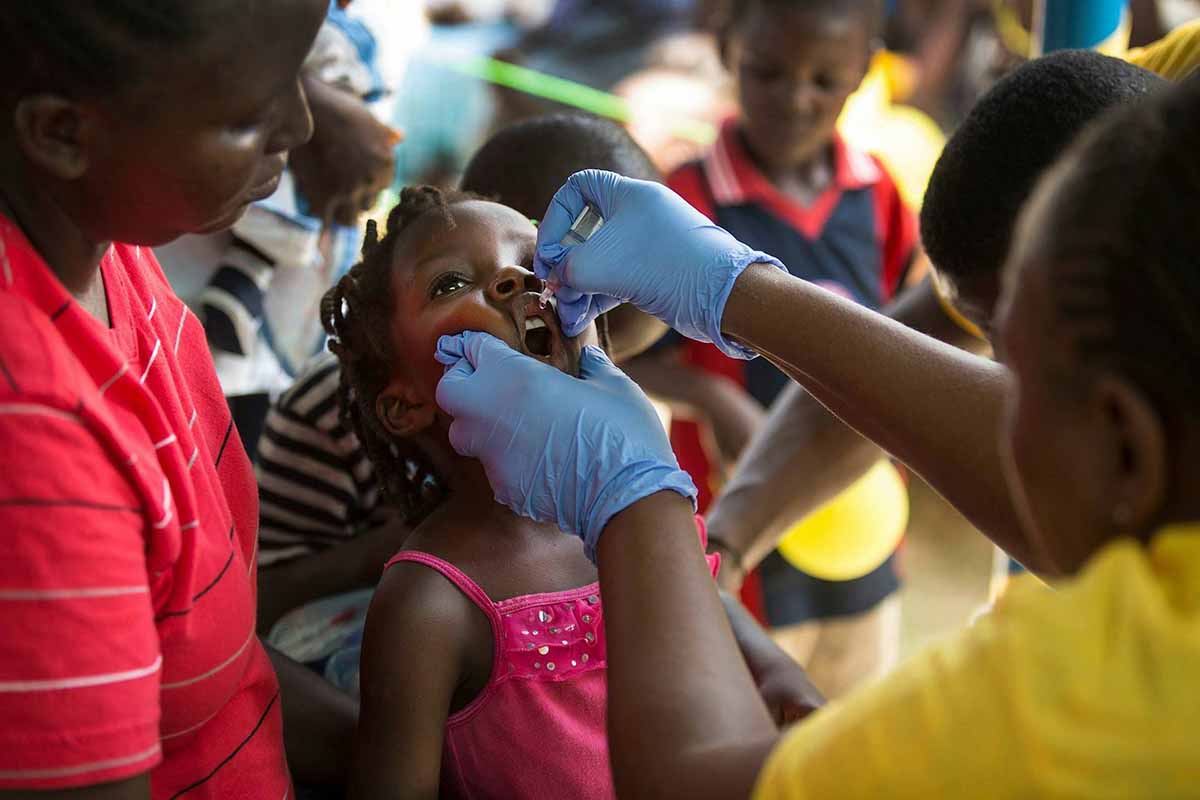
The US was the first country to introduce the HPV vaccine, recommending it for 11- and 12-year-old girls in 2006, expanding the guidance to include boys in 2011.
Since then, national figures have shown cervical cancer rates falling in young women, but most analyses have only examined the country as a whole.
Chenxi Jiang, at the American Cancer Society in Atlanta, Georgia, and colleagues wanted to know whether this progress against cervical cancer was happening evenly or whether differences in vaccination coverage, screening access and state policies meant that women in some places were better protected than others.
The researchers focused on women aged 20–31 because they were children or teenagers when the vaccine was introduced, making them the first generation in which the vaccine’s impact on cervical cancer rates should now be visible.
They compared cervical cancer rates in young women before the HPV vaccine existed with rates in a later generation of young women who had grown up with access to it.
The team also examined how changes in cancer rates differed across 47 states and the District of Columbia, and how this related to trends in state-level HPV vaccination coverage.
The research, published in the Journal of the National Cancer Institute, found that, nationally, cervical cancer incidence fell by 27% among women aged 20–31 in the vaccination era compared with the pre-vaccine years. But that overall decline masked striking variation.
Which US states are making the most progress against cervical cancer?
In Washington DC, Rhode Island, Michigan and Hawaii, cervical cancer rates in young women fell by more than 50% compared with the pre-vaccine years. A further 28 states recorded declines of between 15% and 50%.
However, in ten states, declines were less than 15%. In Vermont and West Virginia rates did not meaningfully reduce over the study period.
The pattern closely tracked vaccination coverage. US states with higher HPV vaccination rates saw faster drops in cervical cancer. For every ten percentage-point increase in vaccine uptake, the relative decline in cancer rates was about 11% greater, even after accounting for differences in screening.
Have you read?
“The marked disparities in state-level progress highlight the pivotal role of state-specific policies, healthcare infrastructure and social determinants of health in shaping geographically patterned progress in reducing cervical cancer among young women,” the researchers said.
They added that if current differences in HPV vaccination rates between states continue, some parts of the country could eliminate cervical cancer decades earlier than others. Without more equitable implementation, existing gaps could widen further as cervical cancer becomes more common in these young women later in life.
“To ensure that all states benefit equally from a proven preventive measure, strengthening political commitment will be crucial, especially in states with slower progress in reducing disease burden and low vaccination rates.”
How long does HPV vaccine protection last?
Another long-standing question about the HPV vaccine is whether the protection it offers fades over time. If countries are to eliminate cervical cancer, immunity needs to last for decades. A large Swedish study, published in the BMJ, provides some of the strongest reassurance yet that it does.
The research builds on a landmark 2020 study, published in the New England Journal of Medicine, which analysed data from Sweden’s national vaccination programme and followed more than 1.6 million girls and women over 11 years.
That study was among the first to show that HPV vaccination was associated with a sharply reduced risk of invasive cervical cancer in real-world settings.
The new analysis extends that follow-up to almost two decades and directly examines whether protection wanes over time. It found no evidence that it does.
Shiqiang Wu at the Karolinska Institute in Stockholm and colleagues analysed nationwide health registry data covering nearly one million girls and women born between 1985 and 2001, tracking them for up to 18 years after vaccination with the quadrivalent HPV vaccine.
Women vaccinated before the age of 17 had a 79% lower risk of developing invasive cervical cancer compared with those who were unvaccinated. Crucially, that protection did not appear to weaken. Even 13 to 15 years after vaccination, their risk remained about 77% lower.
“No indication of waning protection was observed among the vaccinated population,” the researchers said. “These findings further support global strategies aimed at cervical cancer elimination through high vaccine coverage, particularly in younger populations, and emphasise the critical role of routine immunisation programmes.”
What do these studies teach us about eliminating cervical cancer?
Taken together, the findings send a clear message. The HPV vaccine is doing exactly what it was designed to do: preventing cervical cancer and continuing to protect for years.
What now stands in the way of eliminating this disease is uneven access to this powerful tool. Where vaccination rates are high, cervical cancer is already declining. Where coverage lags, progress stalls.
More from Linda Geddes