
What happens when a caregiver keeps returning and the vaccine is still not there?
In the Democratic Republic of the Congo, VillageReach analysed vaccination from end to end – from forecasting to vaccine administration – and learned that predictability and reliability are the keystone of trust.
- 17 April 2026
- 7 min read
- by Village Reach
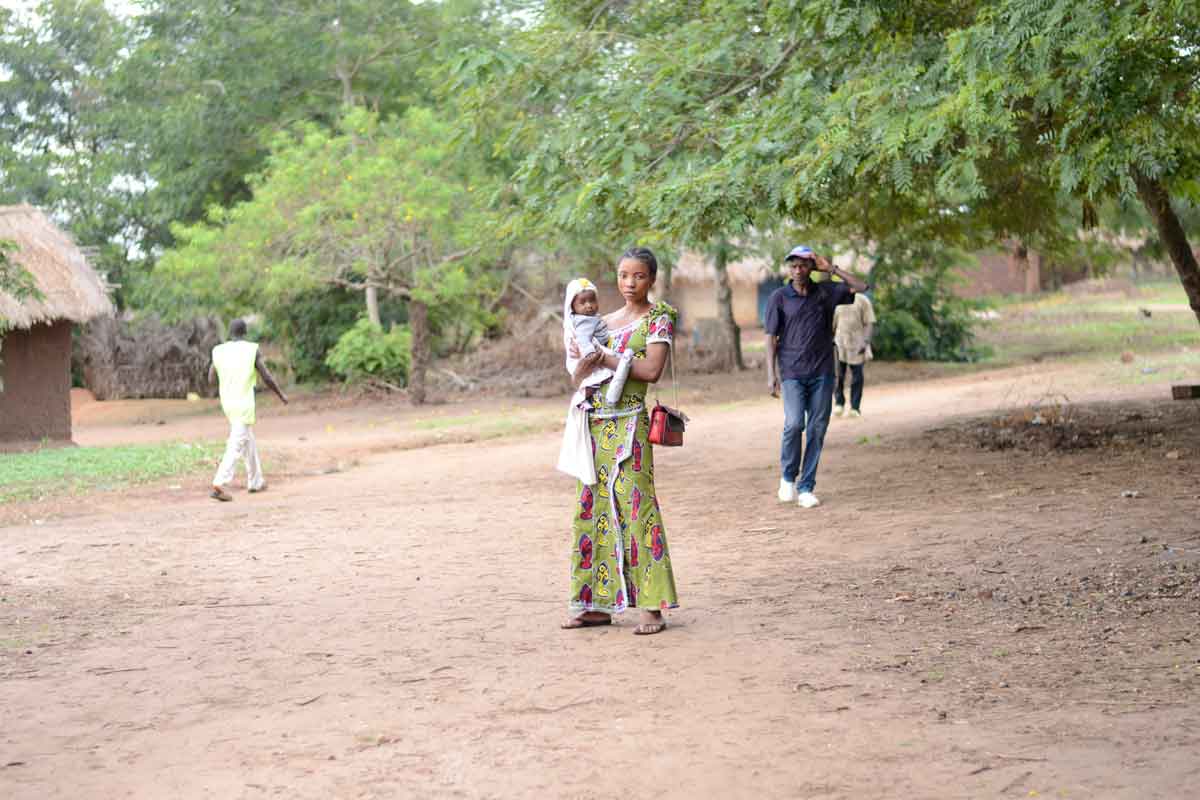
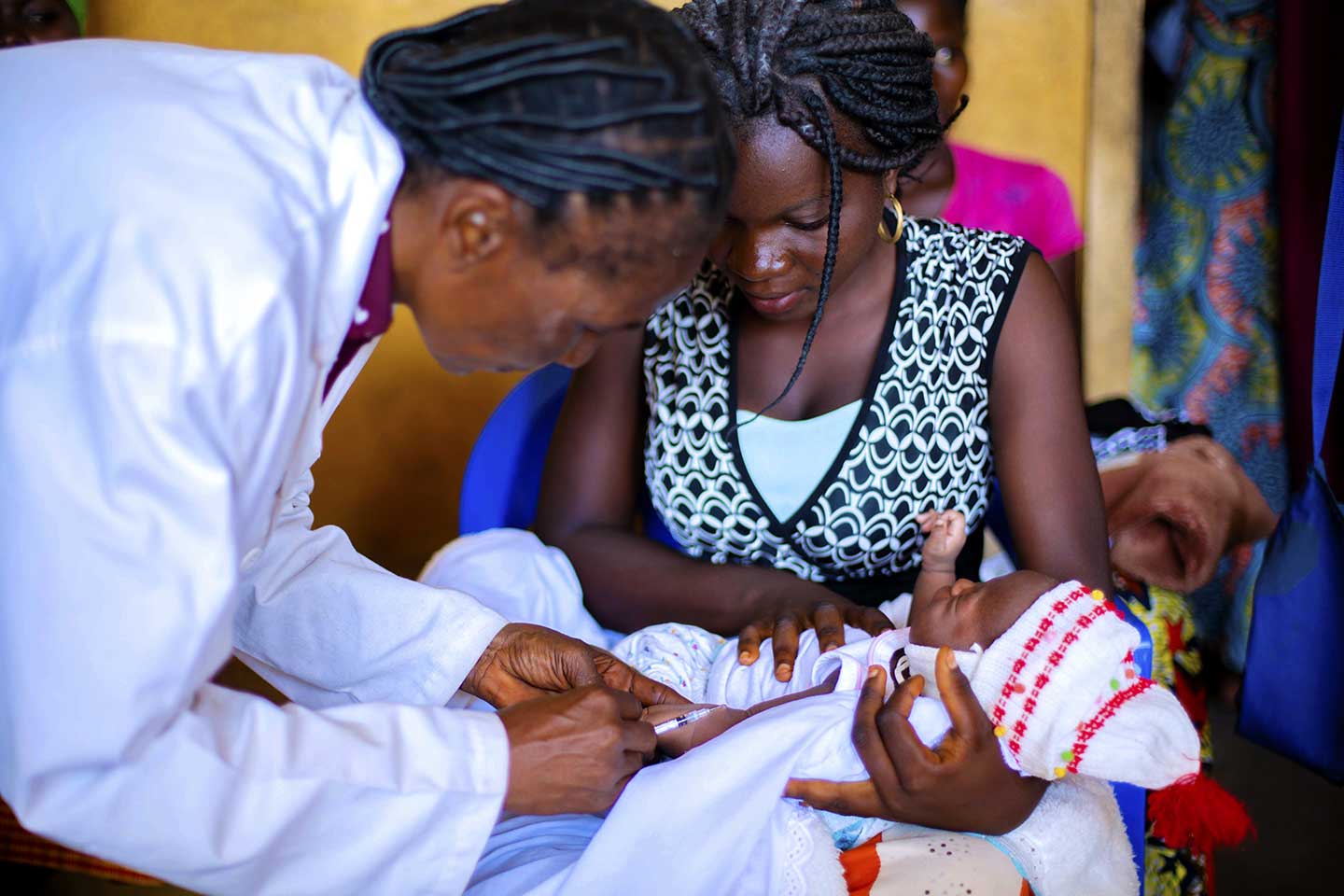
For some families in the Democratic Republic of the Congo (DRC), seeking their child’s nine-month vaccinations, which include measles, yellow fever and polio, can be frustrating and uncertain.
Caregivers, often mothers, bring their children to the health facility and wait with other caregivers, yet still leave without their child vaccinated. From their perspective, the system appears unpredictable and inconsistent, weakening trust. From within the system, however, these encounters reflect a long chain of interconnected constraints and operational trade-offs.
Understanding why these breakdowns occur requires following the story from the clinic back upstream, to the places where forecasting, financing and procurement happen, and then returning again to the point where caregivers meet the health system. This analysis draws on VillageReach-led research in DRC examining barriers to nine-month vaccination.
What families encounter
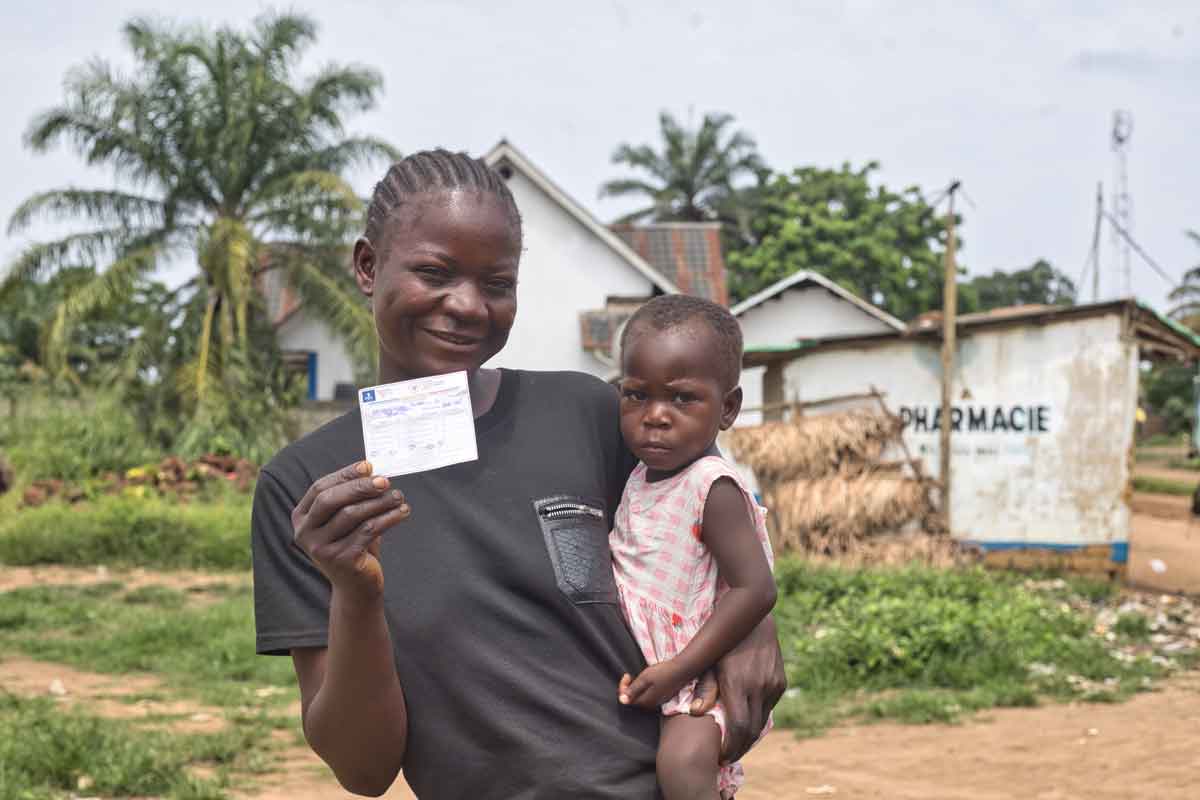
Pauline, a 36-year-old mother of two, intended to vaccinate her son, Louis, when he was nine months old, but ultimately became too discouraged to keep trying.
Three times, she travelled to the health facility with her son and waited for hours. Each time, health workers informed her that they could not open the multi-dose measles vaccine vial because not enough children were present.
Although the World Health Organization recommends opening multidose vials even for the sake of a single child, health workers in many resource-constrained locations hesitate to do so, understanding that any remaining doses in an opened vial must often be discarded at session’s end.
“Back from the vaccination, I got tired and sat down along the way, and then I drank water. That was the third time I walked and I came back without the child being vaccinated,” Pauline recalled.
Families like Louis’s want to vaccinate their children, but the health system is not meeting their needs, resulting in gaps in protection that help to drive persistent measles outbreaks in the DRC. That’s a source of distress for Louis’s father, who says, “As long as he has not received the nine-month vaccines, I am not comfortable.”
Health workers manage uncertain supply
At the facility level, caregivers and health workers alike describe vaccination sessions shaped by vial-opening constraints and uncertainty about future supply.
Caregivers are often not told whether they are being asked to return because of wastage considerations, stock availability or scheduling limitations. As a result, repeated instructions to “come back later” feel indistinguishable from a vaccine simply not being there.
“The last time [my wife] went there, there were no vaccines… they gave her another later date. She went there again and it was still the same answer: that there are no vaccines,” said Joseph, a study participant.
Health workers experience the same uncertainty from a different vantage point. They are responsible for ensuring children are vaccinated, while also safeguarding limited stock that may not be replaced quickly enough to avoid stock-out.
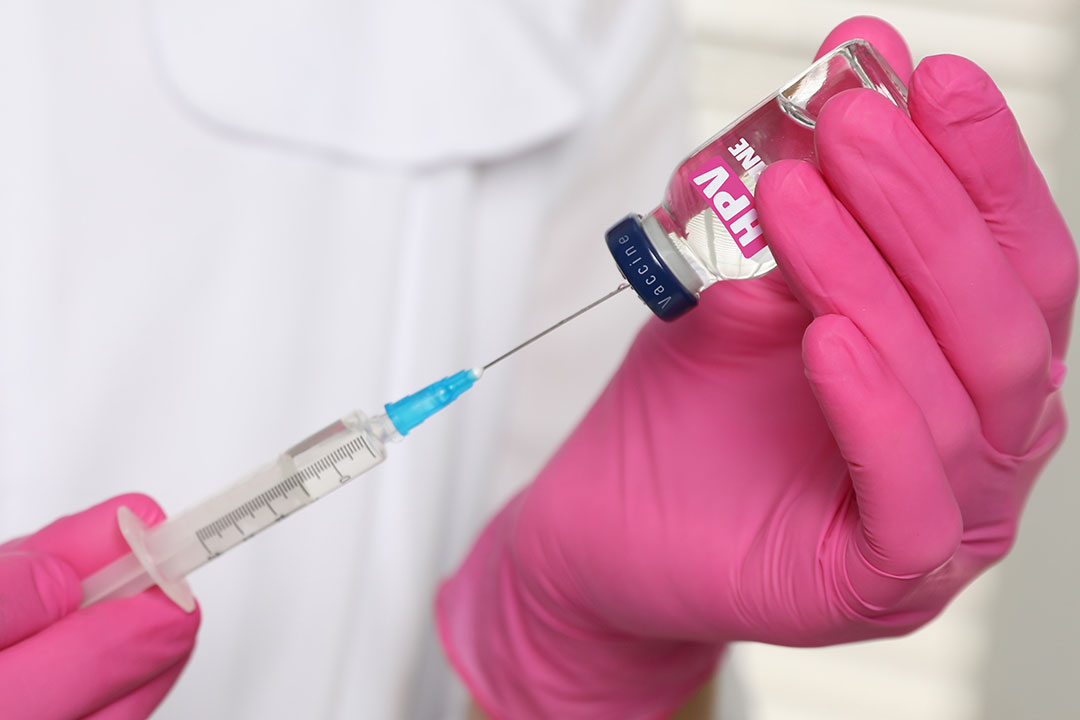
Measles and yellow fever vaccines number among those vaccines that must always be discarded six hours after opening, or at the end of the vaccination session, whichever comes first.
In lower-volume and remote facilities, where only a few children may arrive on a given day, health workers often wait for multiple eligible children to be present before opening a vial. Even after DRC transitioned from ten-dose to five-dose measles vaccine vials to ease that pressure, these informal minimum-child thresholds persisted.
Smaller measles vaccine vials may have helped loosen bottlenecks, but their impact has been limited because yellow fever vaccines – administered during the same vaccination visit at nine months – remain available only in ten-dose vials. Moreover, broader uncertainty about vaccine supply replenishment remained.
When appointments are missed or vaccines are unavailable, the risk is not just wasted time but a child’s permanent drop-out from the vaccination programme. Health workers are aware that repeated deferrals may discourage families from returning, even when vaccines are in stock but cannot be opened that day.
As one EPI representative from Kasaï Oriental explained it, “When we arrive at the next appointment, we find that the vaccine is not available, or it has not been put in place in time… The person who was already keeping his appointment to come and take the vaccine will find an obstacle; maybe tomorrow he won’t come.”
In this environment, cautious vaccine management is less a matter of preference than necessity. Health workers are responding to signals that supply is finite and uncertain, and that once doses are used, replacements may not arrive for weeks or months. They are forced to weigh the immediate opportunity to vaccinate against the risk of depleting stock and eventually vaccinating fewer children.
The upstream reality: a forecasted stock-out
What is less visible at the facility level but critical for understanding these experiences is that the measles vaccine stock-out was neither sudden nor unexpected.
In April 2025, during the country’s first quarterly Forecasting and Supply Planning review, national stakeholders identified that national measles vaccine stock would be exhausted by mid-June 2025.
Health workers are not responding to perceived scarcity or a lack of understanding; they are managing real and anticipated shortages. Caregivers, in turn, are not disengaging due to vaccine hesitancy or a lack of knowledge; they are making rational decisions in response to repeated uncertainty and unsuccessful attempts to vaccinate their children.
At the time of the review, only 1.8 months of supply remained. This assessment was the result of routine stock monitoring, weekly national reports and coordinated technical review supported by the Immunization Collaborative Supply Planning Strengthening (ICSPS) project.
In other words, the system’s forecasting mechanisms functioned as intended. Risks were identified early, shared among partners and documented.
Where the system slowed: financing and procurement linkages
The challenge emerged in the transition from identifying risk to activating supply.
While all Gavi-funded measles vaccine doses for 2025 had already been delivered through an earlier advance order, 2.6 million doses from the government-cofinanced portion of vaccine procurement were still progressing through required financing and procurement processes.
Technical partners and government stakeholders explored several mitigation options, including emergency procurement using remaining funds, temporary use of vaccines reserved for campaigns and anticipation of future allocations. Each option, however, required financing authorisation and formal procurement steps, which are essential for ensuring accountability and continuity of supply.
By early June 2025, national measles vaccine stock had dropped to fewer than 27,000 doses – less than one tenth of a month’s supply – confirming the earlier forecast.
The resulting constraints then cascaded downstream to provinces, districts, and facilities, where remaining stock had to be carefully managed while awaiting replenishment. At the facility level, this translated into difficult day-to-day decisions and, ultimately, into repeated visits and uncertainty for families like Louis’s.
Reframing the experience at the clinic door
Seen end to end, the interactions caregivers describe are not simply the result of restrictive practices or individual decision-making. They are the manifestation of a system under strain, where accurate forecasting, constrained financing timelines, procurement processes and vaccine characteristics intersect at the point of care.
Health workers are not responding to perceived scarcity or a lack of understanding; they are managing real and anticipated shortages. Caregivers, in turn, are not disengaging due to vaccine hesitancy or a lack of knowledge; they are making rational decisions in response to repeated uncertainty and unsuccessful attempts to vaccinate their children.
Why end-to-end function matters for vaccine confidence
Vaccine trust is essential, but it depends on reliability. Each time a caregiver arrives ready to vaccinate and is asked to return without a clear outcome, trust is incrementally weakened, transforming frustration into disengagement.
The experience in DRC underscores that strengthening demand and confidence must go hand in hand with ensuring that financing, procurement and supply chains are aligned with forecasting and programme needs. When any link in that chain moves more slowly than the others, the effects are felt most acutely by families who are doing everything asked of them.
The most effective signal of confidence is not reassurance or messaging. It is a vaccine being available when a caregiver arrives.
1 Names have been changed to protect study participants’ privacy.