
A deadly flesh-eating bacterium is spreading in Europe. Is climate change to blame?
Hotter, less salty seas appear to activate growth and disease-related genes in Vibrio vulnificus, a marine bacterium capable of causing fatal wound infections.
- 27 May 2026
- 4 min read
- by Linda Geddes
At a glance
- Researchers wanted to understand why Vibrio vulnificus infections are increasing in northern Europe, and whether climate change is making coastal waters more favourable for the bacterium.
- They found that V. vulnificus strains isolated from human patients were genetically similar to those found in the environment, and that warm, low-salinity conditions similar to those experienced during Baltic heatwaves increased activity in genes linked to bacterial growth and virulence.
- The findings could aid the development of early-warning systems to reduce sea bathing and recreation during high-risk periods in specific areas.
As climate change heats and freshens coastal waters in northern Europe, scientists say conditions are becoming increasingly favourable for a potentially deadly marine bacterium capable of causing severe wound infections, sepsis and amputations.
New research suggests warm, low-salinity waters not only help Vibrio vulnificus to spread, but may also increase the activity of genes linked to its ability to grow and cause disease.
What is Vibrio vulnificus and why is it dangerous?
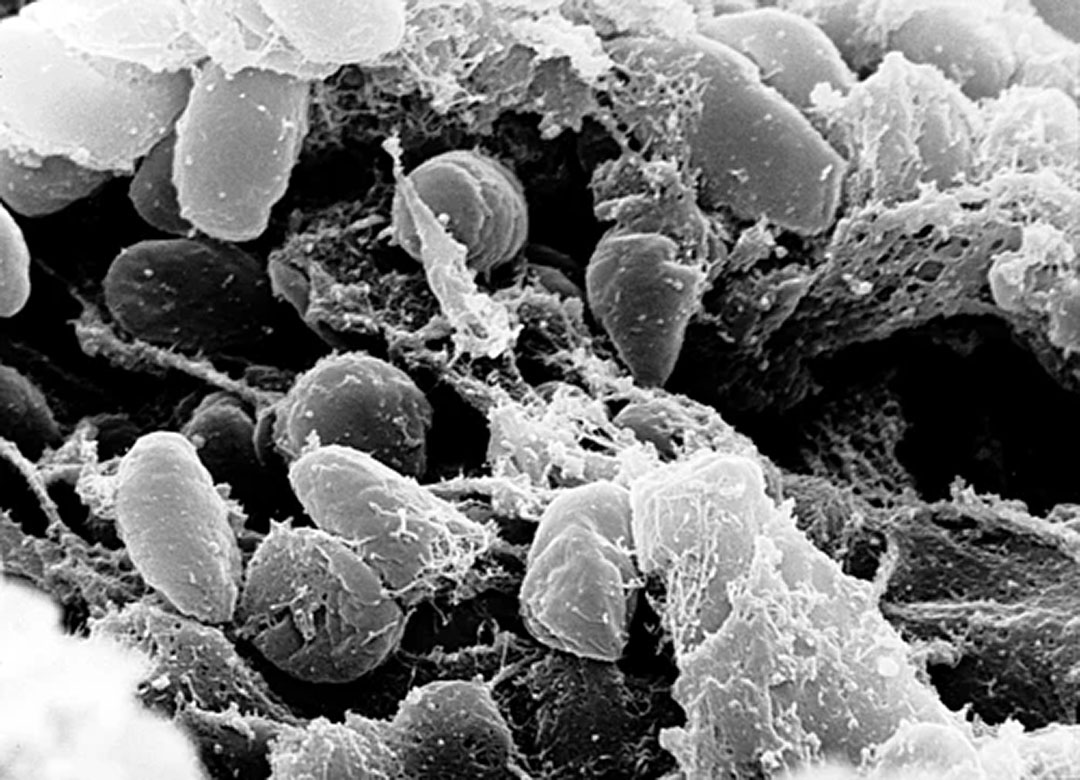
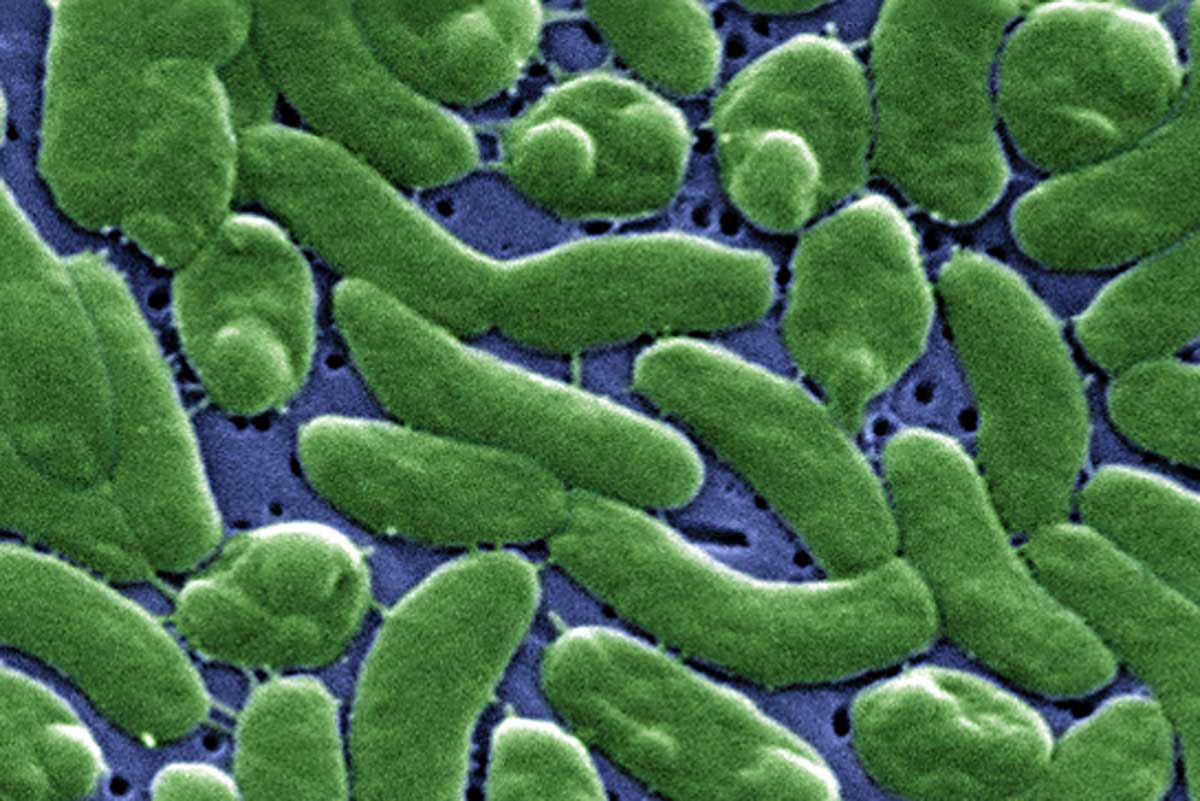
V. vulnificus is a marine bacterium that thrives in warm, brackish coastal waters, where it lives in symbiosis with microscopic algae called phytoplankton.
It is a close relative of the bacterium that causes cholera, although the two microbes cause very different illnesses. Whereas cholera spreads through contaminated water or food and causes severe diarrhoea and vomiting, V. vulnificus is most dangerous when it enters the body through cuts or open wounds during swimming or other recreational activities in the sea.
In severe cases, the infection can trigger necrotising fasciitis, in which tissue around the wound rapidly breaks down.
The bacterium can also enter the bloodstream, causing sepsis, and in some cases, patients require amputation of the affected limb.
The infection is fatal in 20–50% of cases. Older adults and people with weakened immune systems or liver disease are at greatest risk.
Could climate change increase Vibrio vulnificus infections?
Previous research has suggested that V. vulnificus infections are increasing in various parts of the world, including the eastern US, where infections rose eight-fold between 1988 and 2018.
The latest study, presented at ESCMID Global 2026 in April, focused on Denmark and the wider Nordic region, where cases have risen sharply over the past decade.
“[Vibrio vulnificus] used to be seen as a very rare infection, but it is becoming a huge problem now, especially with the heatwaves in the summertime, and the growing popularity of year-round sea bathing,” said Dr Yaovi Mahuton Gildas Hounmanou, who led the research.
Around 200 severe cases are officially recorded in Denmark during particularly warm years, although Hounmanou said milder infections are likely to go unreported.
His team wanted to understand how the bacterium survives and spreads in the environment, whether some strains are more dangerous than others, and how climate-linked changes in temperature and salinity may be influencing infection risk.
To investigate, they analysed hundreds of bacterial samples collected from seawater, shellfish and patients in Denmark and across the Nordic region, comparing them with more than 2,000 genomes from around the world.
They also exposed Baltic Sea strains of the bacterium to different temperatures and salinity levels in the laboratory to see how environmental conditions altered their behaviour.
The researchers found that potentially pathogenic strains of V. vulnificus have persisted in the environment since at least the mid-1990s, with few clear genetic differences between strains isolated from patients and those circulating naturally in coastal waters.
However, warm, low-salinity conditions like those seen during Baltic summer heatwaves appeared to increase the expression of genes linked to bacterial growth, movement and virulence – their ability to cause disease.
“This is when the microbe is happier. This is also, unfortunately, when people go to the beach,” Hounmanou said.
By contrast, colder, saltier conditions pushed the microbes into a more dormant survival state, potentially explaining why infections are less common during colder months and in more saline waters such as the North Sea and Atlantic Ocean.
Have you read?
Could these findings help prevent Vibrio vulnificus infections?
Hounmanou said the findings could eventually support early-warning systems that alert the public when environmental conditions become especially favourable for V. vulnificus blooms.
Because infection risk is closely linked to sea temperature and salinity, health authorities could potentially warn people when and where it is unsafe to swim during high-risk periods.
He also said doctors should be more aware of the pathogen, so serious wound infections linked to seawater exposure are quickly recognised, treated and reported to the authorities.