
No more needles? Six technologies that could transform how we get vaccinated
From vaccine patches to sprays, research is accelerating on a number of new ways of delivering protection against the world’s deadliest diseases.
- 26 May 2026
- 7 min read
- by Linda Geddes
For more than a century, most vaccines have entered the body via a needle and syringe. But the future of vaccination may not involve a jab at all.
From skin patches and nasal sprays to edible plants and inhalable powders, researchers are experimenting with alternative ways of getting vaccines into the body in the hope of making them easier to distribute, less invasive and better at blocking infections at their point of entry.
MAPs could be particularly transformative in regions where vaccination campaigns are hampered by shortages of trained health workers, waste and the difficulty of keeping liquid vaccines cold during transport.
Here are six innovations that could transform how we get vaccinated, with implications for everything from vaccine access in lower-income countries to the speed at which vaccines could be deployed during future global health emergencies.
1. Vaccine patches
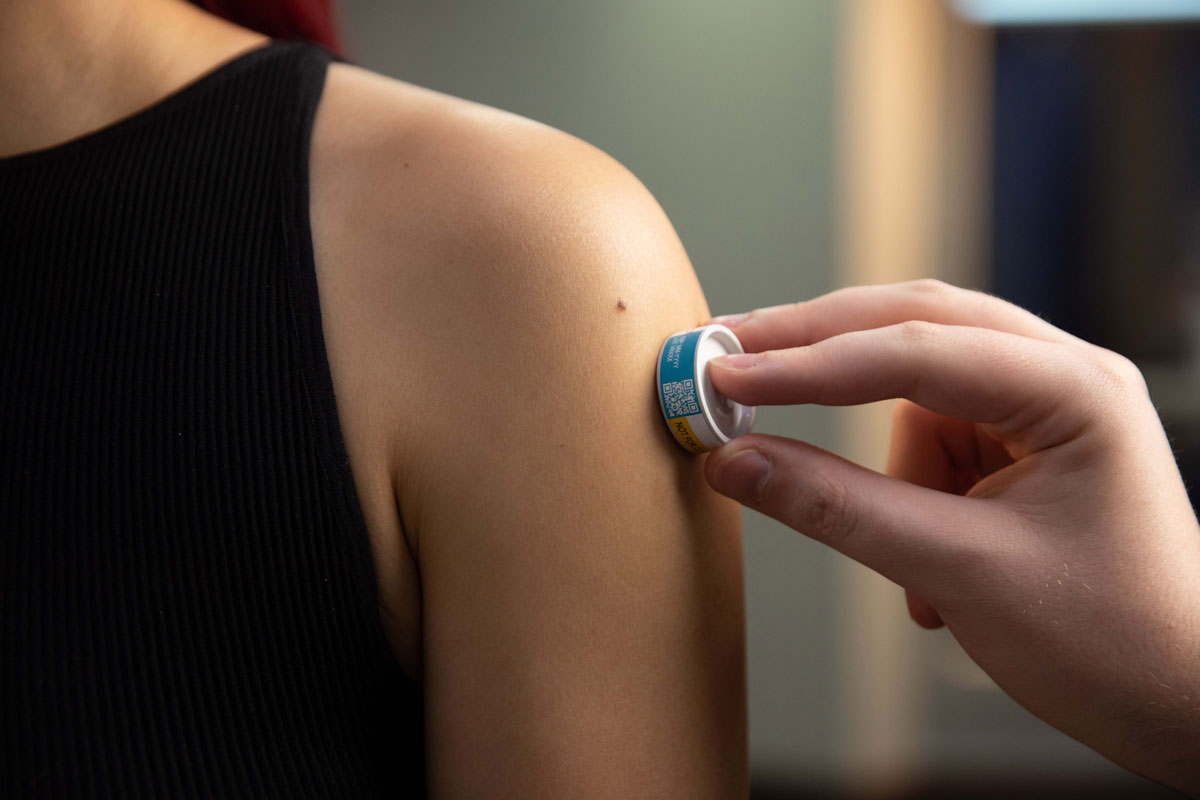
Microarray patches (MAPs) are small adhesive patches studded with hundreds or thousands of microscopic projections that painlessly deliver vaccine into the immune cell-rich upper layers of the skin.
Because the vaccine ingredients are dried onto or inside these projections, MAPs are smaller, lighter and potentially more resistant to fluctuating temperatures than conventional liquid vaccines, making them easier to transport and store.
Credit: Vaxxas
They may also prove more acceptable to people with needle aversion and are easier to administer – or even self-administer – raising the possibility of faster mass vaccination campaigns during outbreaks or pandemics.
MAPs could be particularly transformative in regions where vaccination campaigns are hampered by shortages of trained health workers, waste and the difficulty of keeping liquid vaccines cold during transport.
Recognising this potential, the Vaccine Innovation Prioritisation Strategy (VIPS) Alliance – a collaboration between Gavi, the World Health Organization (WHO), UNICEF, PATH and the Gates Foundation – recently identified 11 vaccine patches with the greatest potential public health impact in lower-income countries, including MAPs for measles-rubella, hepatitis B administered at birth, tuberculosis and HPV.
One measles-rubella MAP developed by researchers at the US Centers for Disease Control and Prevention and the Georgia Institute of Technology has already shown promise in a Gambian trial, where parents and health workers reported high acceptability.
2. Nasal sprays and inhaled vaccines
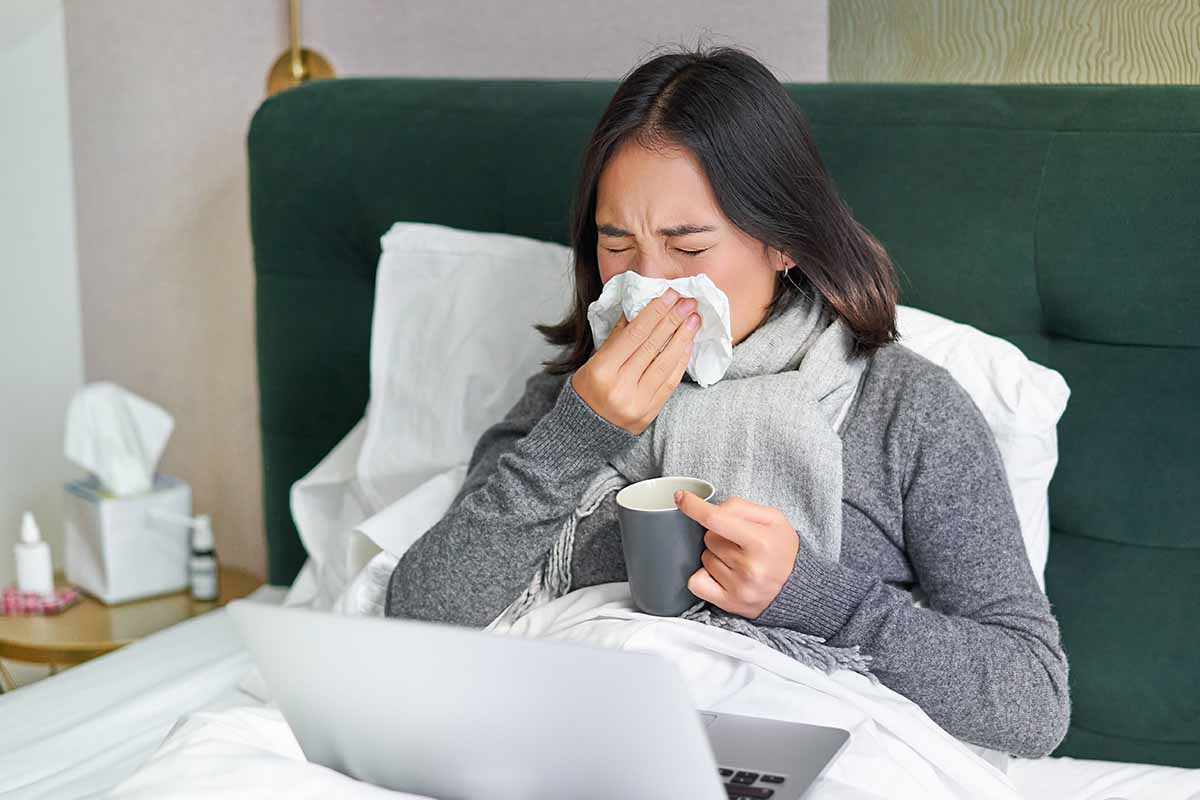
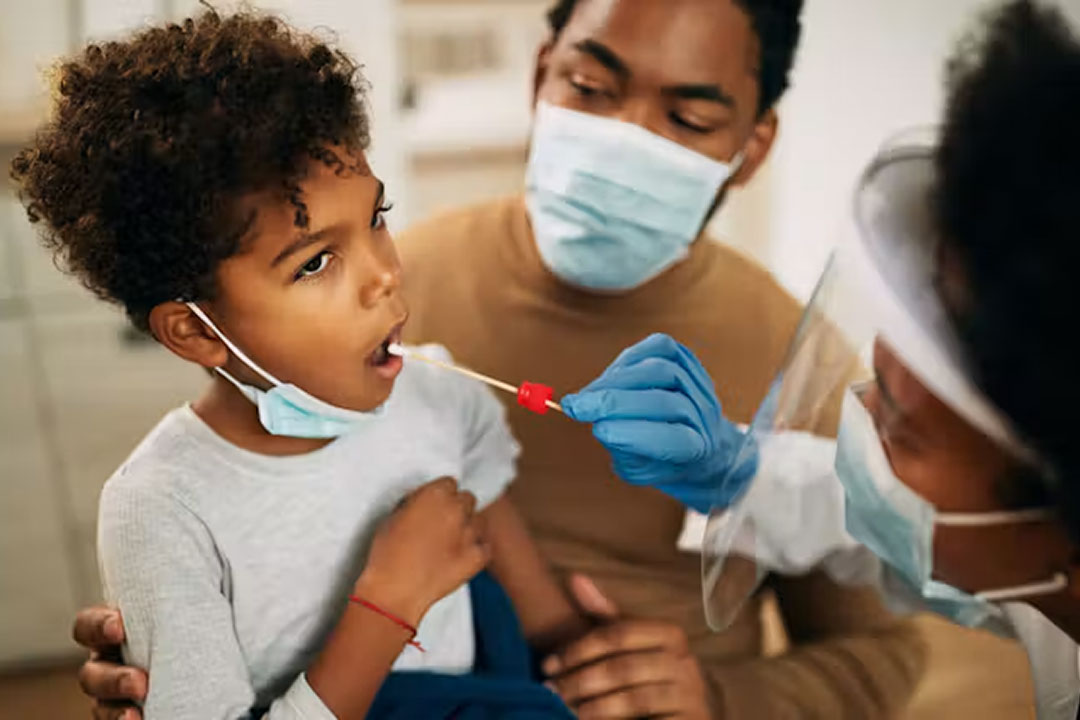
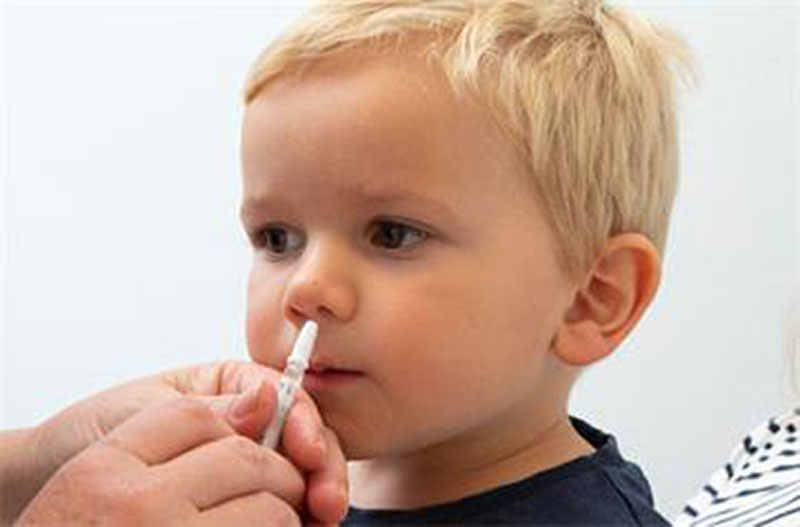
Respiratory vaccines aim to stop infections where many respiratory viruses and bacteria first enter the body: the nose and airways.
Unlike traditional injections, which primarily generate immune responses in the bloodstream, nasal sprays and inhaled vaccines are designed to directly stimulate immunity at mucosal surfaces: the moist linings that cover many of the body’s internal passageways and organs, including the nose, mouth, throat, airways and lungs.
Credit: NHS
This includes triggering the production of an antibody known as immunoglobulin A (IgA), which can help to intercept viruses at these surfaces before they can infect cells, as well as the more general immune responses that are also stimulated by traditional vaccines.
Besides reducing the risk of disease in the person receiving them, respiratory vaccines could also help curb transmission by generating immune responses directly in the airways, potentially reducing viral replication, shortening viral shedding and lowering the risk of onward spread.
Have you read?
Respiratory vaccines attracted renewed attention during the COVID-19 pandemic. Although injected vaccines were highly effective at preventing severe disease, they were less able to stop transmission. Researchers are now developing respiratory vaccines against a broad range of germs, including influenza, COVID-19, respiratory syncytial virus (RSV) and tuberculosis.
They are also exploring multiple delivery platforms because, while nasal sprays may be particularly useful for viruses that first establish infection in the upper airway, inhaled aerosols could potentially help generate stronger immunity deeper in the lungs.
There are also practical considerations. For instance, dry-powder formulations may be easier to store and transport than liquid vaccines.
3. Vaccine pills and edible plants
Oral vaccines are not new: the oral polio vaccine has helped to immunise billions of children worldwide since its introduction in the 1960s.
More recently, oral vaccines have also been developed against cholera, rotavirus and typhoid. Like respiratory vaccines, these approaches aim to stimulate mucosal as well as systemic immunity, in this case by targeting the lining of the gut, which has a vast surface area and large population of resident immune cells.
Oral vaccines are also attractive because they may not require trained health workers or strict refrigeration, potentially simplifying vaccine distribution and reducing the cost of mass immunisation campaigns.
Given these advantages, researchers are now developing a new generation of oral vaccines against a broader range of targets, including experimental vaccines targeting norovirus, human papillomavirus (HPV), Epstein-Barr virus, COVID-19 and influenza.
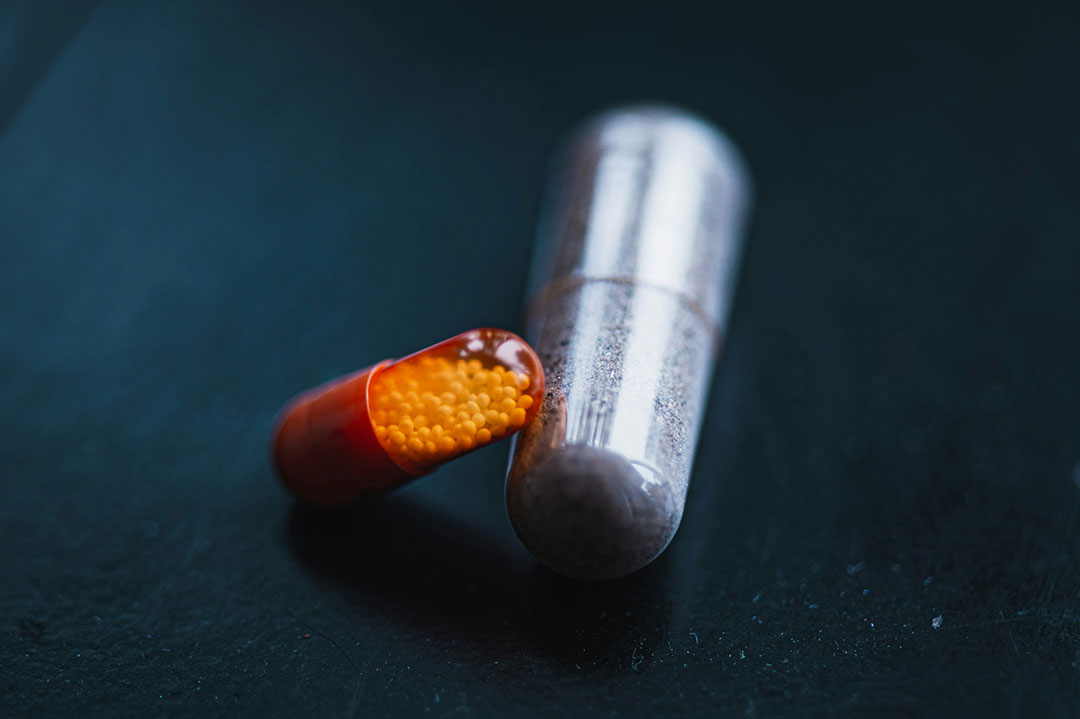
As well as liquid formulations, efforts are underway to develop oral vaccine capsules and pills as well as edible vaccines, where crops such as lettuce, tomatoes or rice are genetically engineered to produce vaccine antigens within their tissues for people to eat.
One major obstacle is that the digestive system is designed to break down foreign material, meaning vaccine ingredients must survive stomach acid and digestive enzymes before reaching immune cells in the intestine.
To overcome this, scientists are exploring protective coatings that dissolve only after reaching the gut, as well as engineered bacteria, yeast and nanoparticle delivery systems that could shield vaccine ingredients from stomach acid and digestive enzymes while helping to transport them to immune cells in the intestine.
Another strategy is to administer oral vaccines alongside harmless bacteria that help crowd out disease-causing microbes in the gut – an approach nicknamed “microbial gardening”. Scientists hope this could boost the effectiveness of oral vaccines against bacterial gut infections.
4. Needle-free injections
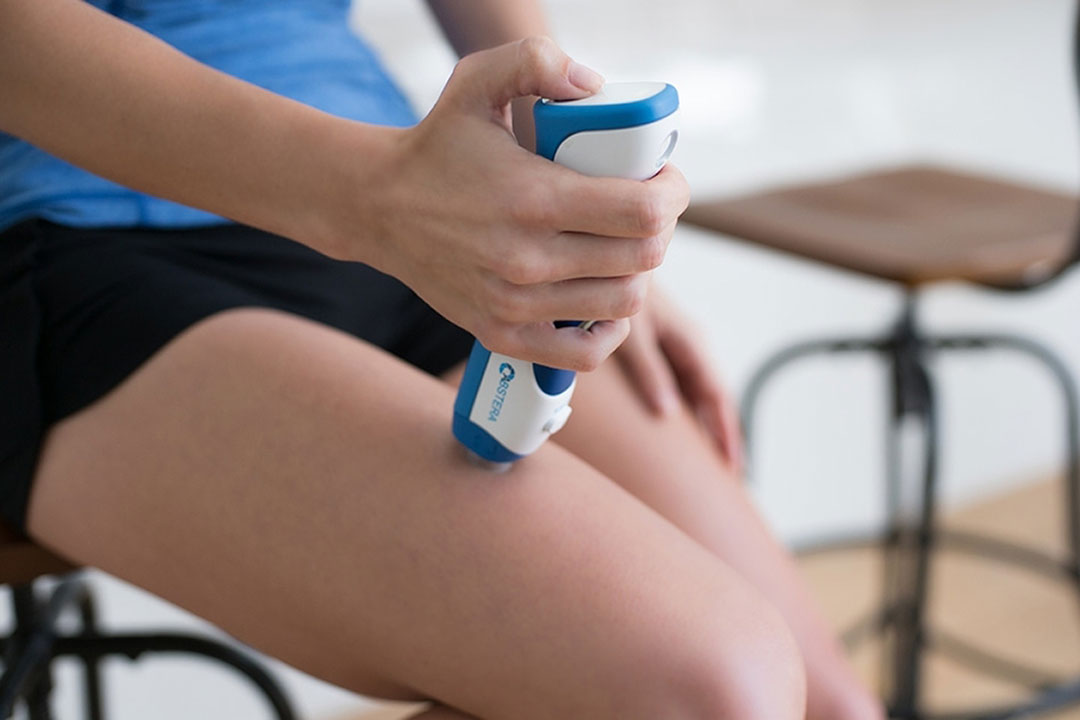
Whereas traditional injections use a needle to puncture the skin and deliver vaccines into the body, needle-free injectors propel a narrow, high pressure stream of liquid through the skin’s surface.
This is delivered either into the immune-cell-rich epidermal and dermal layers, or deeper into the fat or muscle beneath. As well as reducing needle-related fear and anxiety, they could eliminate needlestick injuries among health workers and simplify the disposal of medical sharps waste.
Credits:Courtesy of Portal Instruments
Although only a handful of needle-free vaccine products have so far received regulatory approval, interest in the technology is growing rapidly, with experimental vaccines against influenza, HPV, HIV and COVID-19 currently being tested using needle-free delivery systems.
Despite their promise, several technical challenges remain. One is ensuring that vaccine ingredients remain stable under the high pressures used to propel them through the skin, a particular problem for fragile vaccines such as mRNA and protein-based formulations, which can be damaged by heat and pressure.
Precisely controlling how deeply vaccines penetrate is another obstacle, because injections that are too shallow may trigger weak immune responses, while those that go too deep could damage tissue. Differences in skin thickness between individuals, particularly children and older adults, further complicates delivery.
To overcome these obstacles, researchers are developing additives and freeze-drying techniques to help stabilise and protect vaccine ingredients during injection.
“Smart” injectors equipped with pressure sensors, and feedback systems are also being developed to help adjust injection depth and force in real time.
5. Electrically enhanced jabs
Not all vaccine-delivery innovations are focused on replacing the syringe. Some simply aim to make injected vaccines more effective.
DNA-based vaccines remain relatively new in humans, although a COVID-19 vaccine based on this technology received regulatory approval in India in 2021.
Like mRNA-based vaccines, the idea is to deliver genetic instructions that prompt the body’s own cells to produce viral or bacterial proteins and train the immune system to recognise them.
However, because DNA is physically more robust than RNA, DNA vaccines could potentially be easier to store and transport, and more compatible with technologies such as jet injectors and dry formulations. The challenge is getting enough DNA into cells to generate a strong immune response.
Electroporation could help. The technique uses brief electrical pulses to temporarily open tiny pores in cell membranes after the vaccine has been injected, allowing more DNA to enter cells.
Researchers hope this could make DNA vaccines more effective while reducing the amount of vaccine needed per dose, potentially stretching vaccine supplies further during outbreaks or pandemics, although the additional equipment required may complicate large-scale deployment.
6. Dry vaccines
A key technology underpinning many of these innovations is the development of dry vaccines that are less dependent on refrigeration to remain effective.
One such vaccine already exists: the yellow fever vaccine, which is manufactured in freeze-dried form and reconstituted before injection.
However, researchers are now attempting to develop a new generation of dry vaccines that remain stable at higher temperatures for longer periods and can be delivered in a wider variety of ways.
Smaller and lighter than liquid vaccines, such formulations could simplify vaccine transport and storage, particularly in lower-income countries or during outbreaks where refrigeration is unreliable.
Researchers are developing a wide range of dry vaccine technologies, including freeze-dried formulations, spray-dried particles and thin dissolvable films. These formulations could be incorporated into microarray patches, inhaled or puffed into the nose, or swallowed as capsules or tablets.
One remaining obstacle is that drying vaccines without damaging their active ingredients can be technically difficult, particularly for fragile platforms such as mRNA vaccines.
To overcome this, scientists are exploring protective sugars, polymers and nanoparticle formulations designed to stabilise vaccine components and preserve their effectiveness over time.