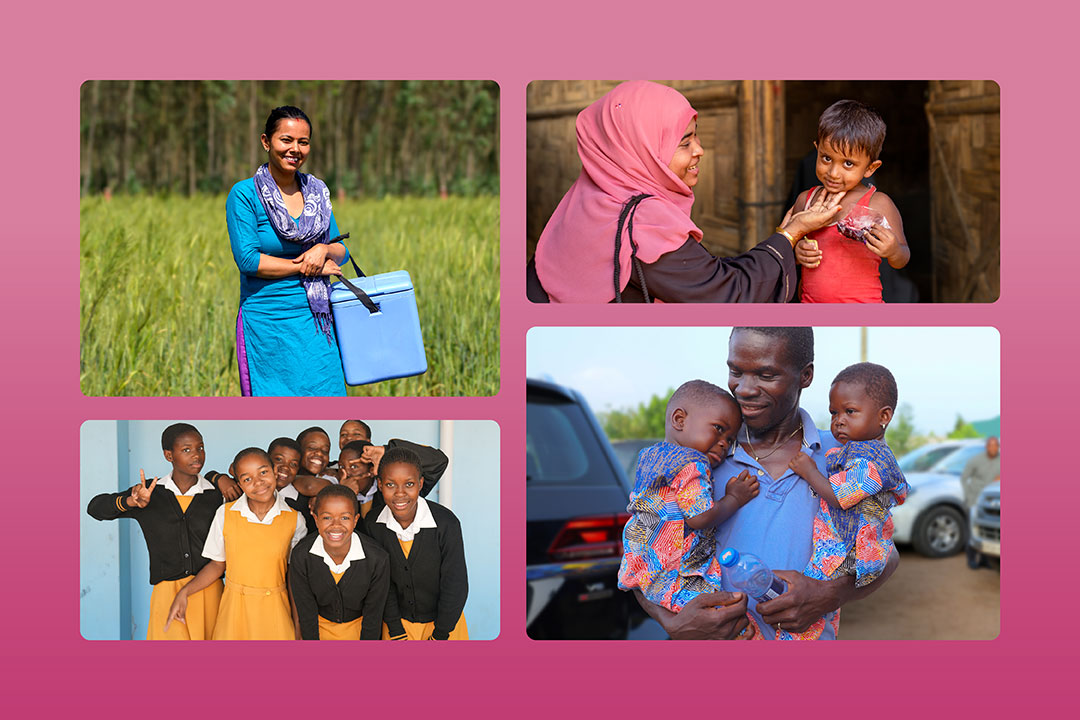

When health services come together, people show up
How integrating immunisation with other provisions can make all the difference in humanitarian settings.
- 27 May 2026
- 5 min read
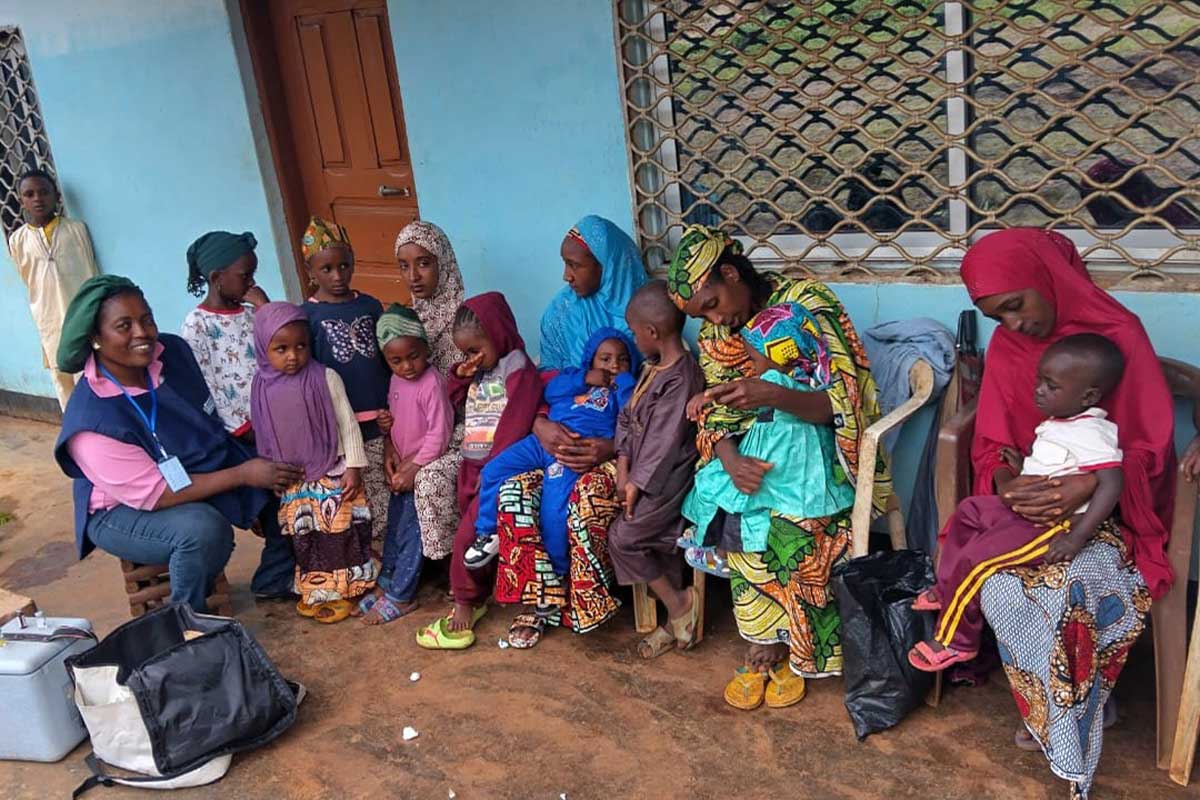
When Cameroon Baptist Convention Health Services (CBCHS) began implementing vaccination services for ZIP, Gavi’s Humanitarian Partnerships, they listened to the mothers who told them, “When they bring everything at once like medicine, food, even school support, I don’t mind walking long distances to vaccinate my kids.”
Comments like these helped CBCHS staff understand that mothers raising children under five in conditions of conflict and crisis will gladly accept vaccination for their children, especially if it does not require a long, extra trip to the point of delivery. Families in these settings face daily challenges, and after long periods of interrupted care, efforts that reduce the burden of seeking care are welcomed by families and can help increase uptake of services.
ZIP: Reaching children in crisis and conflict settings
ZIP is designed to make sure that children living in crisis-hit areas get access to routine and catch-up vaccination, focusing on areas that are especially challenging for national immunisation programmes to access.
It’s definitionally difficult work, but since its inception in late 2022, the programme has reached over 3 million children in the Horn of Africa and the Sahel with their first-ever vaccine dose, and delivered over 37 million vaccine doses in total.
A critical component of the programme’s success has been the integration of immunisation with other humanitarian services. As ZIP has evolved, more people in missed communities are being reached, and it’s becoming increasingly evident that vaccination uptake is better when partners like CBCHS consistently work to improve access, increase efficiency and build trust with community members by bundling services together. The approach also reduces costs and mitigates operational risks for implementers.
Meeting missed communities with more than vaccines
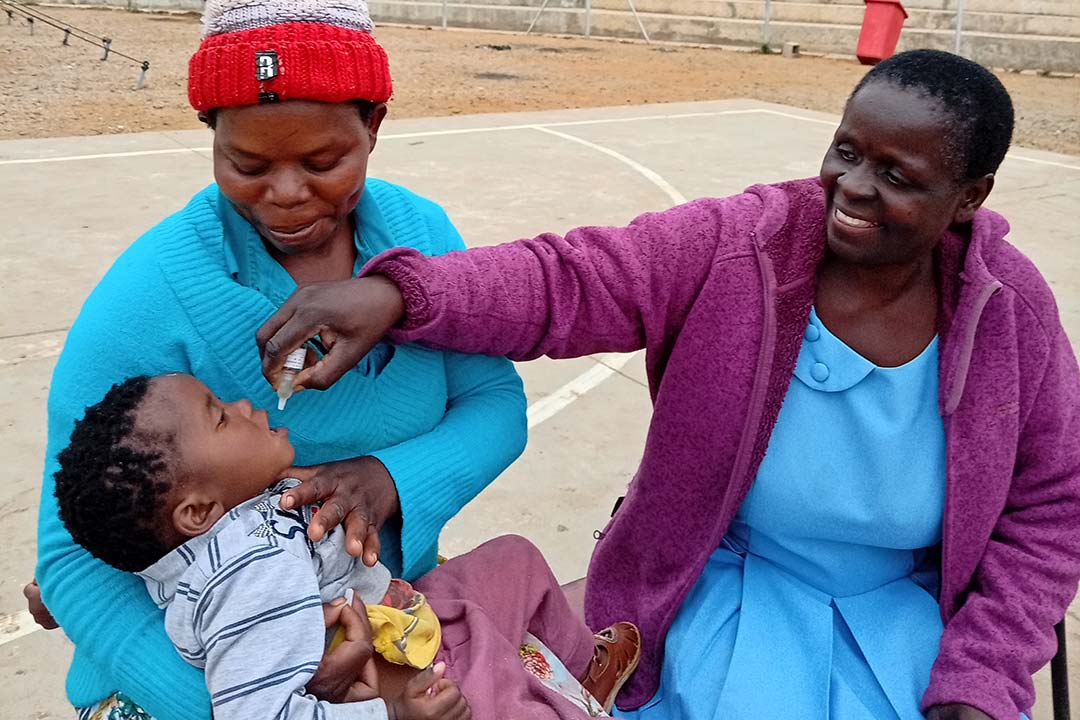
Working in 11 districts in Cameroon, CBCHS has put integrating immunisation and health services at the heart of its work. Applying its signature Handshake Model, which creates partnerships with humanitarian response teams delivering a variety of services, CBCHS has developed an adaptable integrated service package that combines immunisation with nutrition screening and supplementation, disability referrals, vitamin A supplementation, deworming, malaria prevention kits and other essential services.
Integrating immunisation with nutrition services has proven particularly successful.
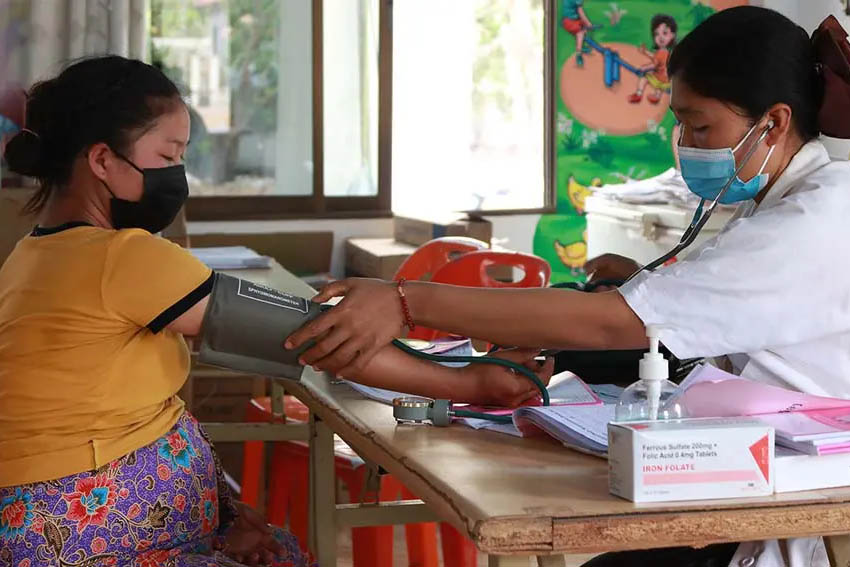
CBCHS staff received specialised training to measure children’s mid-upper arm circumference, a metric for nutritional status. They then were able to give out supplements for children with moderate acute malnutrition in the absence of blanket feeding, and make referrals to the nearest health facility for children with severe acute malnutrition.
During these integrated sessions, CBCHS reached nearly 70,000 infants and children with immunisation and nutrition screening, administering Vitamin A supplementation to nearly 45,000 children aged six months and up, and identifying over 2,000 cases of severe or moderate acute malnutrition.
Feedback from parents confirmed that when services come together, people show up. Community members told them that integration turned vaccination from a “nice-to-have” into a “worth-the-trip” service.
Bringing care closer to families
Another ZIP Partner, the Gavi REACH Consortium, led by the International Rescue Committee (IRC), has worked across the parts of Chad, Ethiopia, Nigeria, Somalia, South Sudan and Sudan. In these crisis-hit regions, vaccination teams have administered deworming medication and Vitamin A supplementation, and handed out insecticide-treated nets and WASH kits alongside immunisation services.
In South Sudan, REACH has delivered immunisation within integrated community case management activities (iCCM) and child health days, and combined immunisation services with biweekly health and nutrition education sessions at sites sometimes more than 40 km from the nearest health facility. This approach was especially useful in building trust and reaching higher-risk families, including pastoralists, fishermen, and hard-to-reach communities such as refugees and returnees.
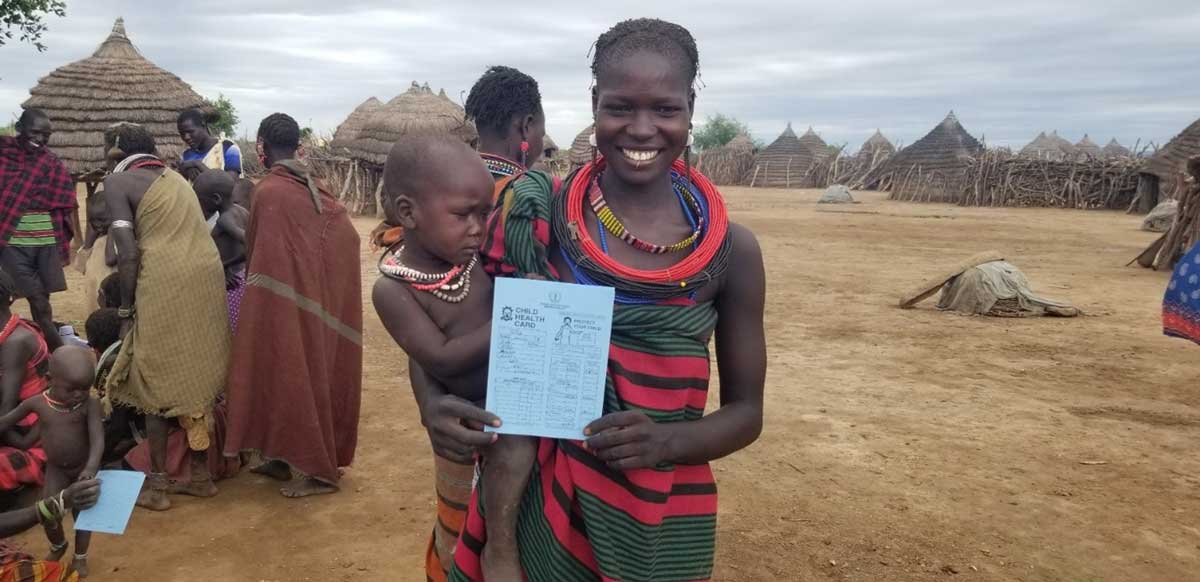
In the Dhaba cattle camp, for example, REACH South Sudan conducted critical outreach and education sessions to engage the community and reduce vaccine hesitancy.
After these sessions, men began escorting their children to receive vaccinations along with other humanitarian services, including primary care services such as outpatient consultation, antenatal care, nutrition screening, curative health services, reproductive services, and mobile clinics. Families appreciated the reduced need for repeat travel to complete immunisation schedules and receive other services.
As a result of these efforts, over 18,000 infants and children up to age five were reached across South Sudan between January and June 2025 with both immunisation and nutrition services, and their families were connected with antenatal and reproductive services where needed.
Have you read?
Understanding the complexities of integration
While integration offers clear benefits, it also introduces important complexities. Different funding streams come with restrictions – for example, Gavi REACH funds cannot support non-immunisation services – so integration depends on strong partner coordination and alignment. In practice, differing timelines and priorities can make this challenging and risk overburdening already fragile systems.
Integration also places additional demands on health workers, requiring training, supervision and adaptable data systems to capture multiple services without excessively increasing workloads. Although positive, integration can increase service demand beyond initial plans, requiring flexibility and anticipating increased inputs. Setting realistic targets is critical but difficult in data-poor settings and mobile populations, and partners can combine their deep community knowledge to overcome data gaps.
Most importantly, an eagerness to maximise efficiencies and reduce costs can lead to over-integration. This creates the risk of straining partner organisations, overloading staff, causing burnout, and undermining the quality of services.
Meeting community needs, more efficiently
As one parent put it, “If they come with food and health services together, I will definitely bring my children for vaccination.”
Integrating immunisation with other essential health services offers clear operational and community-level benefits, particularly in humanitarian settings. By deploying a single, multi-skilled team to deliver multiple services in one visit, programmes can streamline logistics, reduce duplication of effort, and lower the overall cost per outreach. This approach also minimises the number of movements required, which in turn reduces security risks for both staff and communities.
At the same time, integration strengthens service delivery outcomes: offering multiple services together increases coverage and uptake, while a more consistent and visible presence helps build trust and reduce hesitancy. When families and communities see tangible, immediate value from services delivered, it reinforces engagement and supports more sustained connections with the health system.
The bottom line: integrated packages increase vaccine demand and improve coverage by meeting urgent family needs alongside vaccination.