
Amid flooding, Mozambique’s preventive cholera vaccination strategy roars to life
With global cholera vaccine stocks at an all-time high, preventive vaccination is allowing Mozambique to get out ahead of outbreak risk.
- 9 March 2026
- 7 min read
- by Winile Ximba

Despite a blow from a season of bad floods, Mozambique’s preventative cholera vaccine drive has notched up wins.
Mozambique is the first country in the world to restart preventative vaccination with Gavi support. In 2022, a worldwide surge in cholera outbreaks requisitioned existing vaccine stocks for firefighting outbreaks through reactive immunisation, leading to a four-year pause in preventive vaccination efforts. Now Gavi is restarting crucial work to prevent outbreaks before they can start.
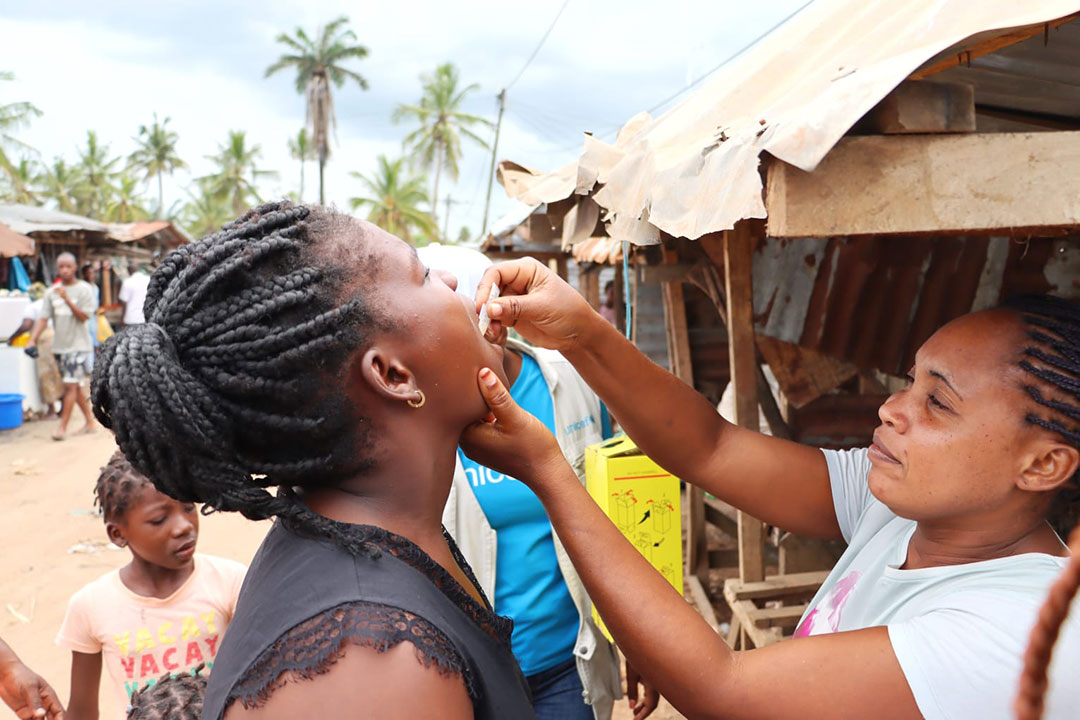
“In total, 1,788,408 people were vaccinated against cholera in the first of two rounds of the current preventative cholera campaign,” Dr Leonildo Nhampossa, who heads Mozambique’s Expanded Programme on Immunization (EPI), told VaccinesWork.
Credit: UNICEF Mozambique
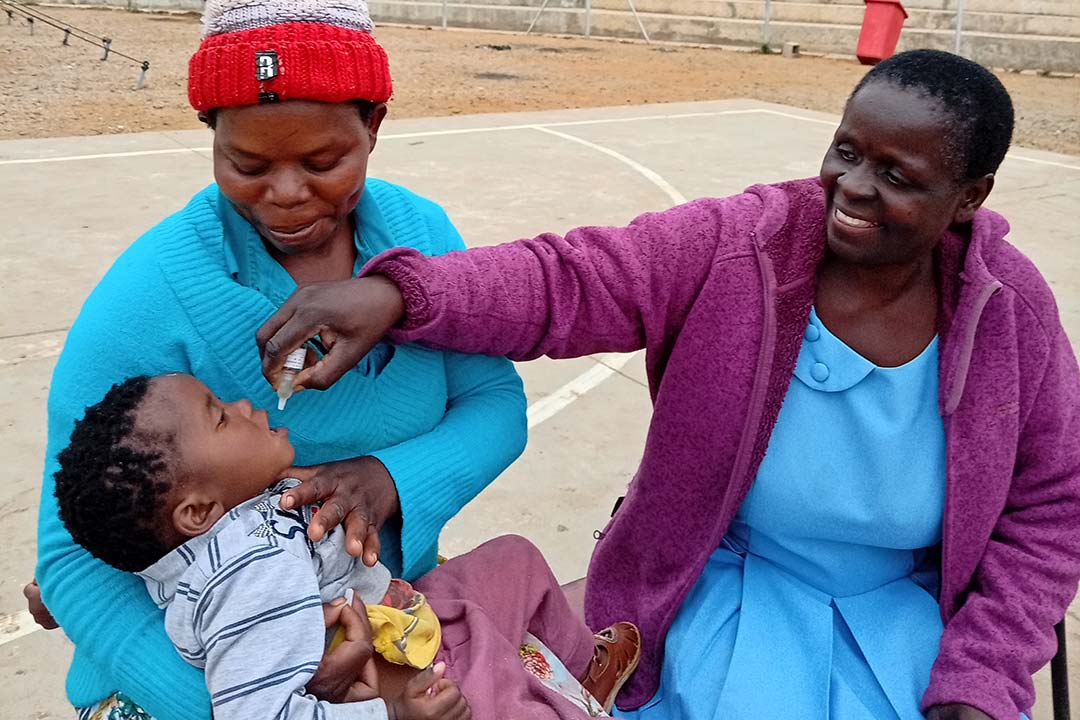
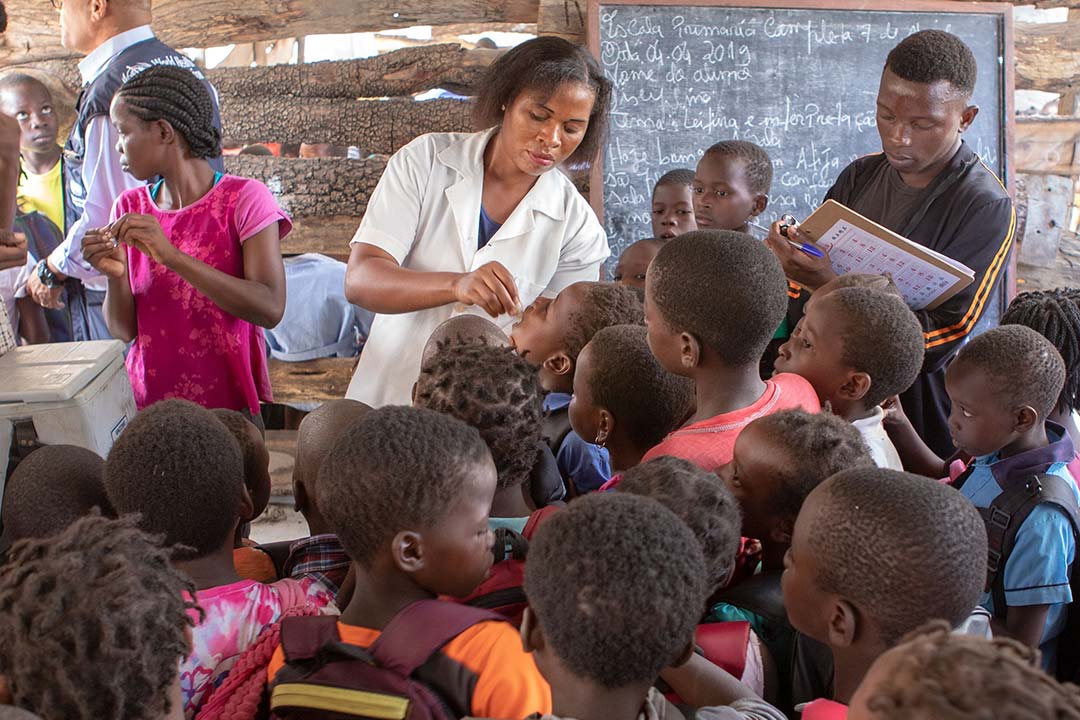
The first round of the preventive oral cholera vaccination campaign took place from 4 to 8 February, targeting all people aged one year and above in Pemba, Quelimane and Beira cities as well as in Lago and Metuge districts, Guy Taylor, Chief of Advocacy, Communication and Partnerships, UNICEF Mozambique, told VaccinesWork. These localities had previously been identified as endemic for cholera and at highest risk from future outbreaks.
What is the Global Oral Cholera Vaccine Stockpile?
The world’s repository of oral cholera vaccine is housed in a single warehouse outside Seoul, Korea.
Established in 2013, the cholera vaccine stockpile is (like the other vaccine stockpiles) funded by Gavi and managed by the International Coordinating Group on Vaccine Provision (ICG), a body of experts comprising four member agencies: IFRC, MSF, UNICEF and WHO (ICG Secretariat).
Because cholera is a disease that moves stunningly quickly, health systems need the means to respond just as fast, and having vaccines laid by makes that possible.
With a flush supply comes the option to get out ahead of an outbreak. A judicious, preventive deployment of vaccines in an area where the risk of an outbreak is very high can save both lives and health system resources.
All those vaccines, both doses destined for outbreak response and those flying out for preventive vaccination, are applied for by countries, allocated by the ICG, and paid for by Gavi.
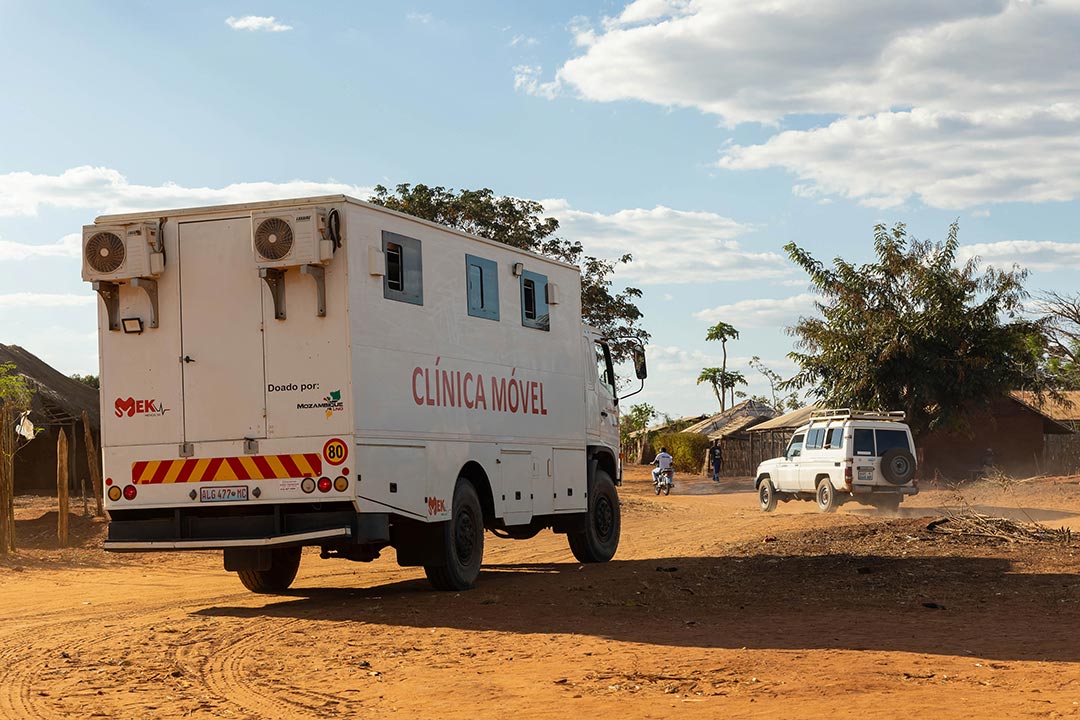
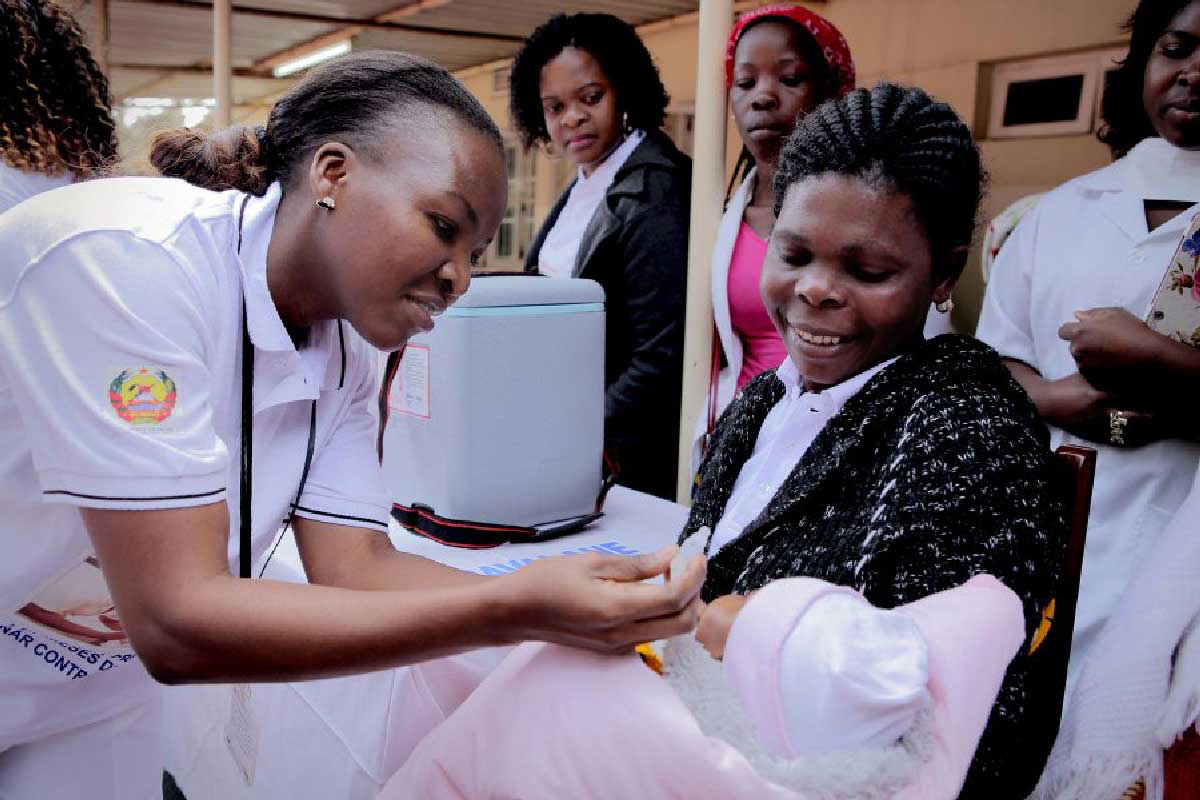
The vaccine was given through clinics and mobile brigades, which were set up in new concentration points, such as markets and transport hubs, or routine ones that regularly serve remote communities.
As the preventive doses were allocated and the campaign launched, the country was experiencing outbreaks: 5,661 cumulative cholera cases and 71 deaths had occurred since October 3, 2025.
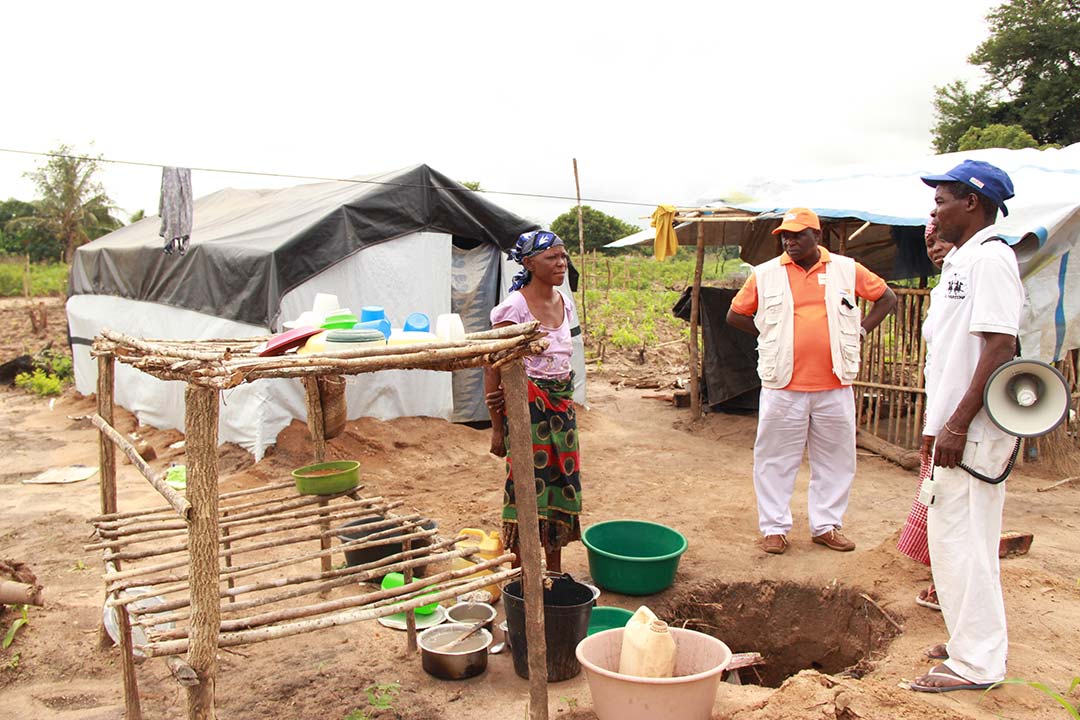
In parallel with the planned preventive campaigns, a reactive cholera vaccination campaign is being rolled out to quell ongoing cholera transmission in three districts of Tete at Nampula Provinces, said Florence Erb, the External Relations Officer for WHO Mozambique.
Credit: World Vision
The doses and funding to implement the campaigns were also provided by Gavi and sourced through the emergency stockpile. A second wave of vaccines has also been allocated for the outbreak response in a third district of Nampula totalling, as of now, 3,337,000 emergency vaccine doses.
Weather hits
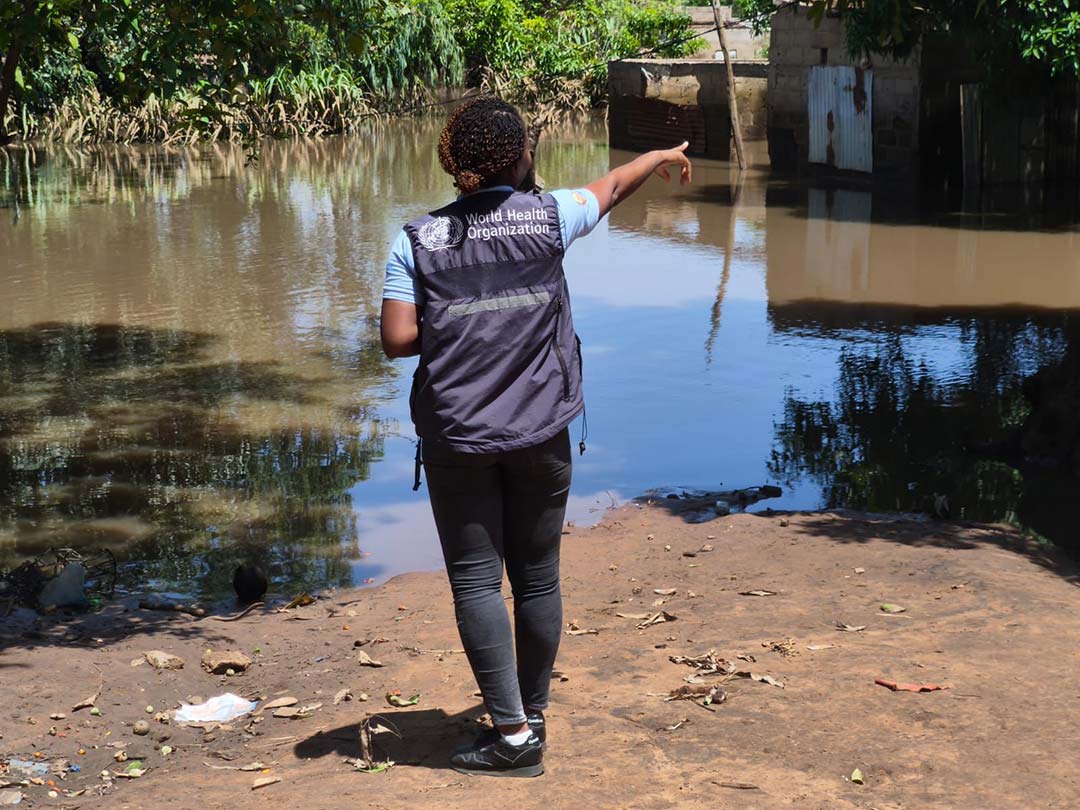
The disastrous January and February flooding in Mozambique has been severe, and both ordinary citizens and the health infrastructure have taken heavy damage.
As of February, 700,000 people had been affected and 112,000 had become Internally Displaced Persons (IDPs). The situation continues to evolve.
Have you read?
In two hard-hit provinces, Gaza and Maputo, 135 health units have been affected so far, and the main road from Maputo to the north was cut. The Ministry has decentralised its emergency response centre to Xai-Xai city in Gaza.
Credit: WHO Mozambique
A major issue has been logistics: boats and aircraft have to be mobilised to transport emergency supplies due to damage to infrastructure. Road wash-outs have also contributed to supply stock-outs.
Because cholera is a waterborne bacterium, flooding comes as a double-edged threat, raising the risk of spread, even as it compromises the health system’s ability to respond.
Gaining the advantage
One advantage of preventive vaccination is that beyond saving lives, it can ease the pressure on the healthcare system at crisis-point.
That’s especially relevant in areas where the infection is endemic, explained Allyson Russell, Senior Programme Manager for High Impact Outbreaks at Gavi.
“We see cholera one year after the next in the same areas. And when cholera emerges, it spreads very quickly through vulnerable populations with limited access to safe water and sanitation. So, when we use the information we have to know where those cholera outbreaks are likely to occur, we can preventively vaccinate those who are at risk in those areas,” she said.
Since 2021, there’s been a dramatic global increase in the demand for oral cholera vaccines, both for responding to outbreaks and for preventive vaccination. Every year since 2013, when the global cholera vaccine stockpile was first created with 2 million initial doses, has set a new record for the number of vaccines purchased by Gavi.
Still, in recent years, demand has tended to outrun supply. While stockpiled vaccines are prioritised for outbreak response, the preventive programme is critical to build a more stable and sustainable global market and increase availability of overall global vaccine supply.
In 2025, annual global supply reached a high of 75 million doses, permitting the relaunch of preventive campaigns.
Countries including Mozambique and the Democratic Republic of the Congo (DRC), which had developed multi-year preventive vaccination plans as part of their national multi-sectoral cholera control plans, were allocated the first available vaccines, Russell explained.
Boots on ground
The preventive vaccination drive has been enthusiastically received, said Manuel Dondo, a vaccinating nurse from the Hospital Central de Quelimane in Quelimane, the capital of the central Zambezia province.
He and his fellow healthcare workers are at a high tide of motivation, he said: “We are the boots on the ground; the floods make us even more alert.”
“We don’t want our communities to get sick of cholera first, before we get reactive. This time we are preventing,” he added. He said he and other health workers have had a busy schedule, with him personally vaccinating 200 kids and adults in the week the programme started.
According to Eunice Mhandlane, a 35-year-old mother in Quelimane whose wood-and-mud home was felled by floods, the vaccine has been welcomed by those displaced with her, because they understand what’s at stake.
“We know from the past that after the water, comes the diarrhoea disease,” she said of the colloquial term used to describe cholera in her community.
“We were told by nurses and community health workers that we are privileged to get the preventative vaccine because there has been a global shortage of supply. As recipients, we can’t let it go to waste.”
Credit: WHO Mozambique
Nobody in her circle – children, mothers, male partners, prophets, pastors, street market traders – hesitated to take the vaccine, she said. “With contaminated water and food sometimes passing around, getting preventive medicine makes the difference between good health and quickly recovering from floods, or suffering floods and being bedridden with cholera sickness.”
Teamwork
The Mozambique government, which committed to the preventive vaccination strategy back in 2023, led the immunisation drive, with the World Health Organization (WHO), UNICEF and Gavi offering critical support.
The campaign complements ongoing efforts by the government to improve access to safe water, sanitation, hygiene and health services in flood-affected areas, UNICEF’s Taylor said.
Most of the areas included in this first phase of preventive vaccination were urban settings, which helped facilitate access despite challenging weather conditions. However, heavy rains did cause some delays in Lago district (Niassa province in the north) during the initial days of the campaign.
Mozambique’s plans for preventive cholera vaccination don’t end here, with Gavi’s Russell indicating that the country is aware of cholera as a high-impact disease.
“Gavi has a new funding model. In the next five years, starting this year, each country has an envelope of funding from Gavi that it can use to procure vaccines and implement critical immunisation activities,” she said.
“The country is in the driver’s seat to decide which vaccines are most important for the population and are going to have the greatest impact. Cholera is amongst these vaccines available and will be a critical tool for countries that experience recurring outbreaks.”