
Nigeria's Borno State is wrestling its worst cholera outbreak in two decades
An ongoing cholera outbreak in north-east Nigeria has sickened tens of thousands, but the health system and its partners are racing against time to curb it.
- 20 August 2026
- 7 min read
- by Afeez Bolaji
At a glance
- An ongoing cholera outbreak in Borno has sickened close to 40,000 people, killing 235 so far.
- “We have significantly expanded our response over the past two months, but the transmission is still spreading faster than efforts to contain it,” said Bienfait Tombola of MSF, which has seen a majority of the sick pass through the doors of its treatment centres.
- Health workers on the frontline of the fightback report that people who come in for treatment early are usually able to be stabilised with oral rehydration solutions and IV fluids within two days.
Thirteen-year-old Salisu Yahaya was on a drip, lying quietly on a bed at Ngarannam Cholera Treatment Centre (CTC) in Maiduguri, Borno State. He had collapsed from episodes of vomiting and diarrhoea and been rushed in an ambulance to the centre. His mother, Aisha Abdullahi, said everything had seemed to happen at dizzying speed.
“He also complained of stomach pain. He became very weak and eventually lost consciousness. That was when we realised it could be cholera,” Abdullahi revealed, speaking in her local language.
Yahaya is among many patients who have been treated at the Médecins Sans Frontières- (MSF) -supported centre following the onset of a cholera outbreak in Borno in early May. As of August 14, over 38,500 suspected cases and 235 deaths had been recorded, a senior official at the state’s Public Health Emergency Operations Centre, Abubakar Daud, told VaccinesWork.
By number of infections, the current outbreak is the largest the state has witnessed in over two decades, overtaking 2022’s outbreak, which caused 12,496 confirmed cases and 394 deaths. An outbreak that raged between August andSeptember 2014 racked up 4,500 cases and 70 deaths.
Have you read?
However, a large-scale response effort by the Ministry of Health and humanitarian organisations is seeking to match the bacterium’s frenetic pace. A majority of the sick have been treated at one of MSF’s seven CTCs and 17 oral rehydration points in Borno.
“We have significantly expanded our response over the past two months, but the transmission is still spreading faster than efforts to contain it, mainly due to a lack of access to clean water, sanitation and healthcare,” said Bienfait Tombola, the MSF project medical coordinator in Maiduguri.
Royal Heritage Health Foundation, an NGO focusing on vulnerable populations and public health, is also working closely with the state government to manage the outbreak. John Mark, Monitoring and Evaluation Officer for the organisation, says it is strengthening surveillance and active search to ensure early detection, reporting and testing of suspected cases.
“We are supporting cholera treatment centres in providing essential medical supplies and treatment commodities, including ORS, intravenous fluid, beds and rapid diagnostic test kits.
“We also support with disinfection of households where suspected cases are recorded and strengthening of community awareness on proper hand-washing, safe food handling and safe drinking water,” he added.
Inside the cholera treatment centres
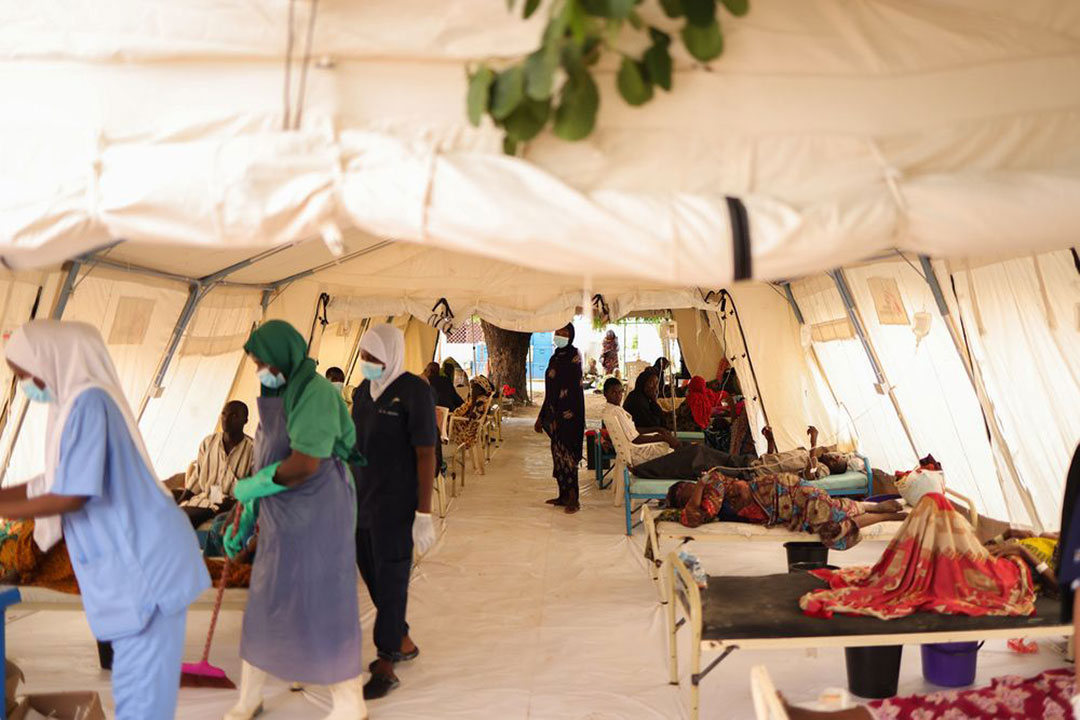
Located on the northern fringes of Maiduguri, Ngarannam Cholera Treatment Centre is bustling with a striking variety of frontline responders: health workers, volunteers, supply chain managers, water vendors and other critical figures in the control effort all amass here.
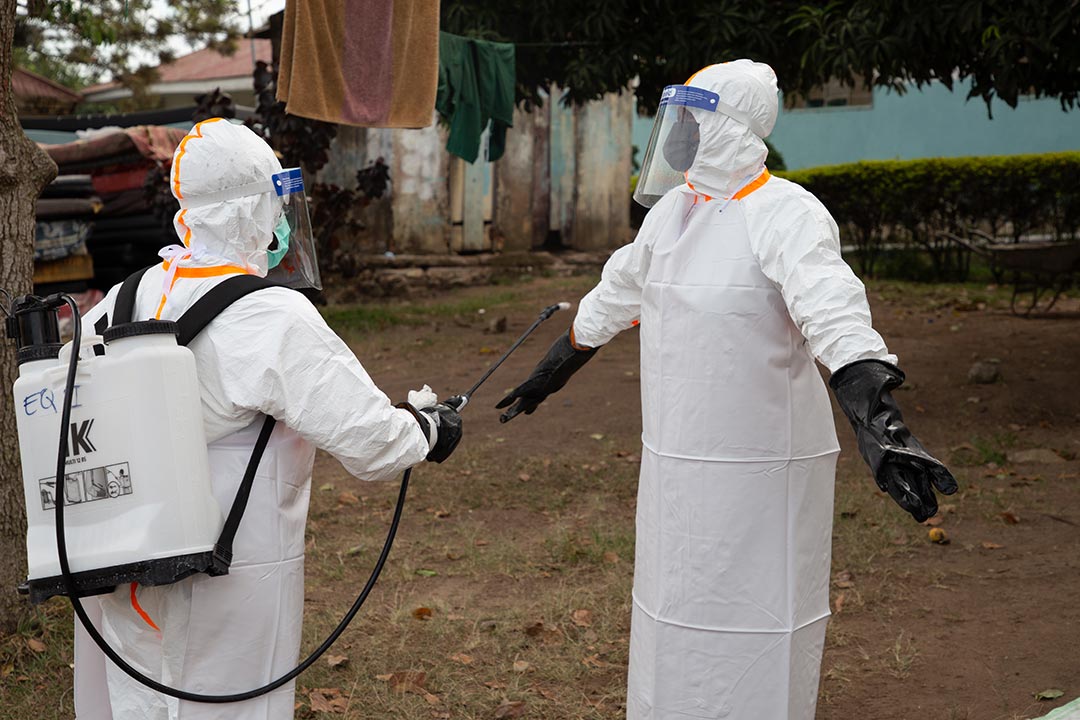
Health officials move from one tent to the other to treat patients, and inventory officers roll out medical supplies at intervals, while vendors fetch water from a well on the premises and decant it into reservoir tanks and hand-washing containers strategically positioned in the facility. Volunteers chlorinate shoes with disinfectant before anyone accesses the tents and after exiting to prevent infections.
Credit: Afeez Bolaji
Since it was activated in May, the centre has saved dozens of cholera patients, including Yahaya, from the jaws of death.
Yet Rangi Wirantika Sudrajat, Project Medical Coordinator with MSF, admits the emergency response has stretched her team.
“On a personal level, it is hard. The cholera team is out under the sun for long hours to treat patients. It is heartbreaking to lose patients to something preventable. For me it has been a privilege to be part of this team that works this hard and is dedicated to the communities,” she said.
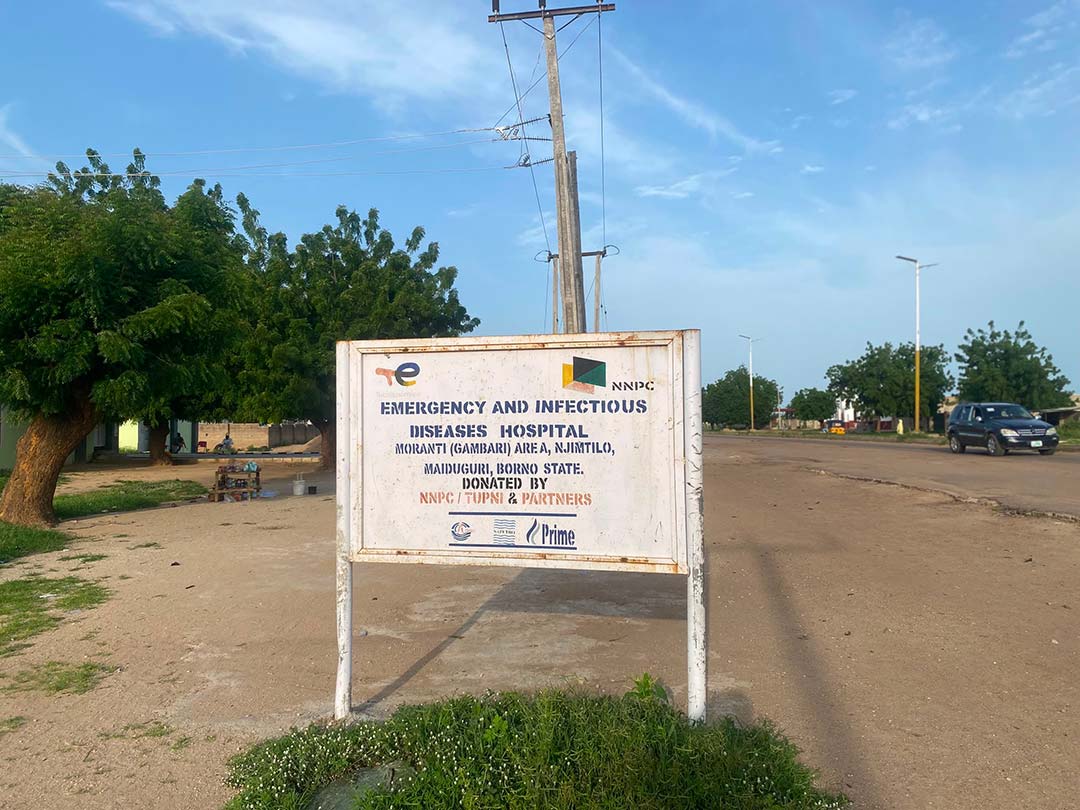
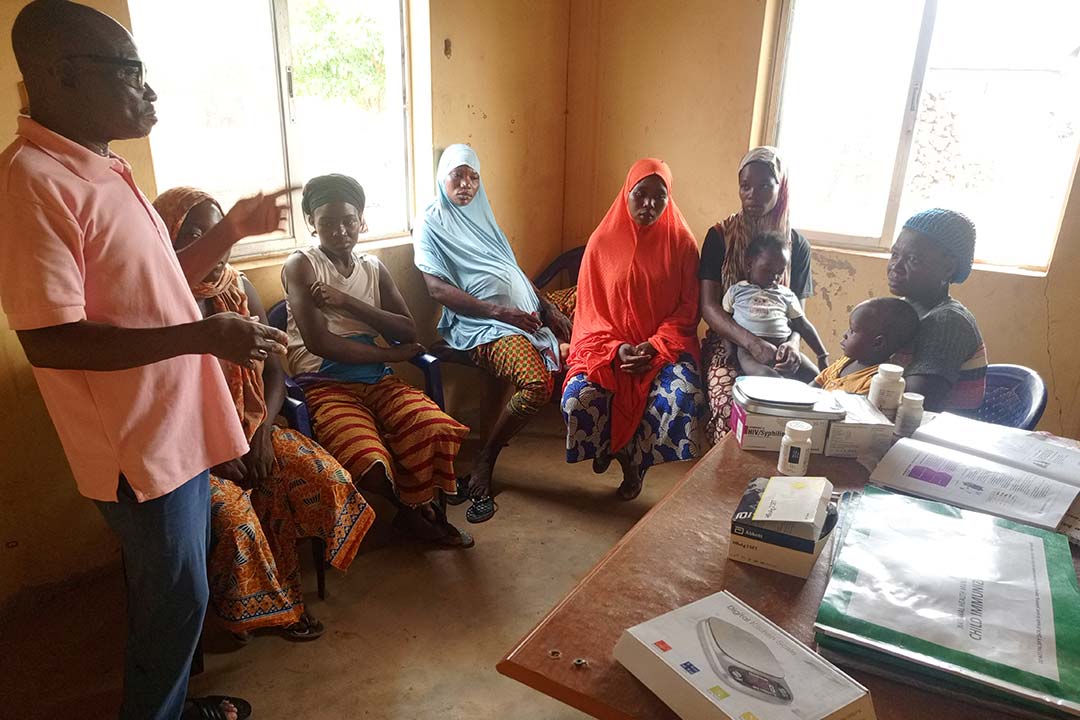
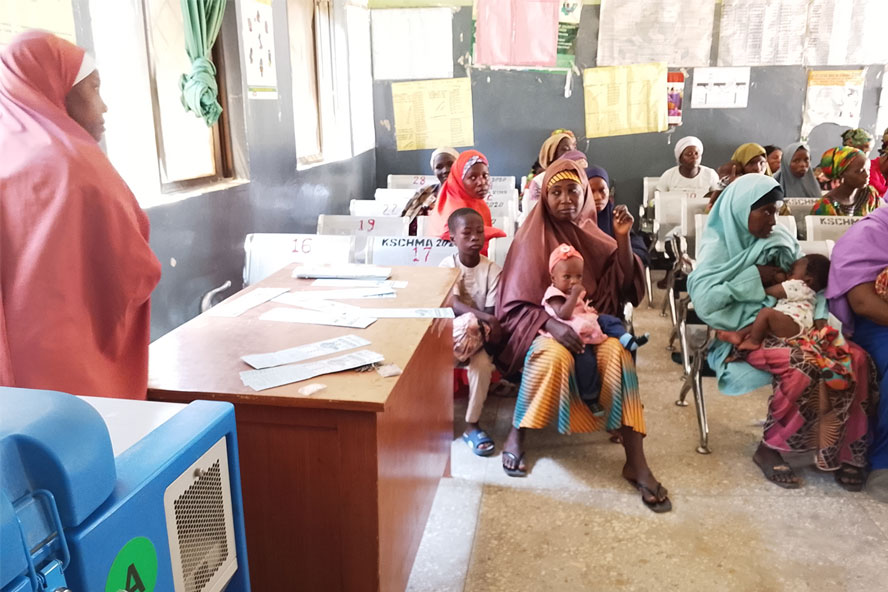
Patricia Mshelia, Case Management Team Lead at the Emergency and Infectious Disease Hospital, Njimtilo, in Maiduguri, tells VaccinesWork that most patients stabilise within 24-48 hours if they access treatment early. She says the facility operates round the clock and reports daily to the local government area disease surveillance and notification officer.
“Our experience has been both challenging and rewarding. Many patients come in with severe and moderate dehydration and are rapidly triaged. The most critical cases are immediately rehydrated with ORS and IV fluids, depending on their levels of dehydration, and antibiotic treatment per protocol for severe cases. A steady supply chain from the state Ministry of Health and partners is what keeps us running,” she says.
Operations at the centre are not without challenges, Mshelia says, with health workers occasionally battling late case presentation, supply stock-outs and fatigue.
Hadiza Umar’s role as a volunteer extends beyond helping to provide care for patients, having undergone some basic clinical training.
“After they are discharged, we collect their phone numbers and visit their homes to disinfect the environment with chlorine,” she adds.
Vaccination backstops treatment
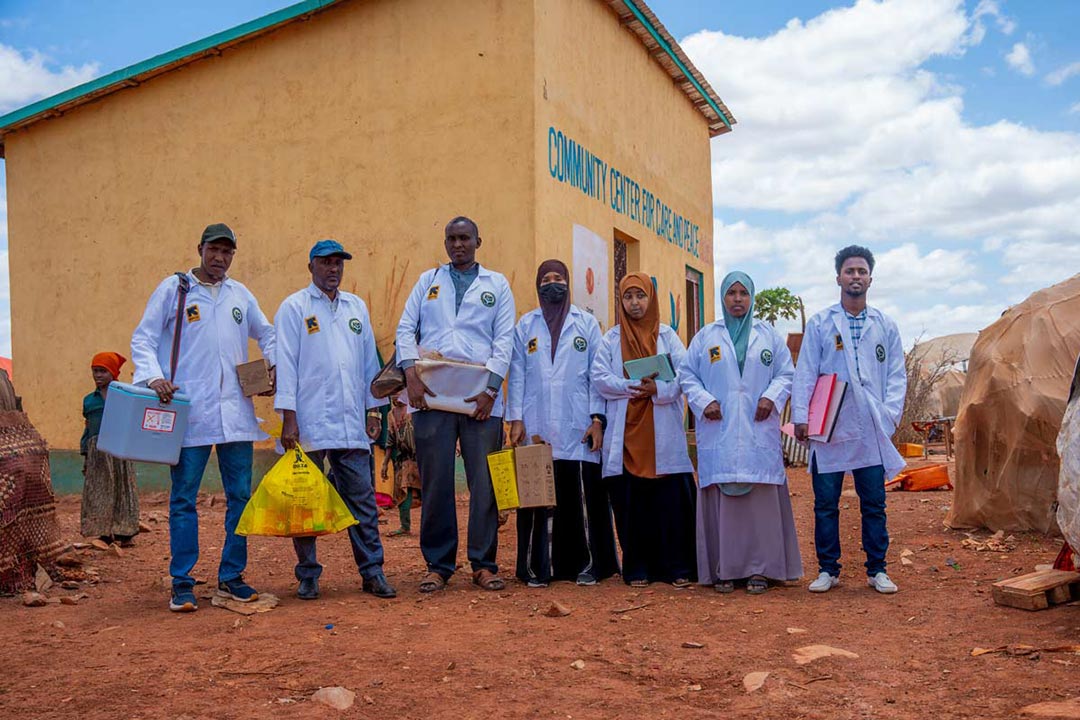
Beyond treatment, Sudrajat says the team collaborates with the state health workers to visit hotspots to organise oral cholera vaccine campaigns and conduct health education, as well as to check the safety of water points.
“To increase understanding of cholera, MSF has expanded community awareness campaigns, alongside other preventative measures, such as infection prevention measures, healthcare workers training, and improvements to water and sanitation, including chlorinating water at key collection points.
“In early July, health authorities, supported by MSF, conducted an oral cholera vaccination campaign that reached thousands of children. [But] the vaccination campaign so far only covers two areas, and we know that the cholera has spread beyond those areas,” she explains.
The Public Health Emergency Operations Centre has been fully activated since the start of the outbreak, she says, with response activities carried out by several teams, including teams for surveillance, case management, risk communication, laboratory work, and one team responsible for water, sanitation and hygiene as well as infection prevention and control.
The local government rapid response team investigates outbreaks in communities and reports to its state counterpart, Daud explains, adding that the long-running insurgency in the area exacerbates the public health crisis.
“Borno State is one of the states affected by terrorism. Some residents have left their rural communities for the metropolitan centre, thereby overcrowding the city. Also, most of the IDP [internally displaced persons] camps are a time-bomb for any outbreak because the spread in such locations is fast. Access to hard-to-reach areas where there are also infections is a challenge as well, due to the insurgency, but with the help of outreach teams from those areas, we are managing the situation,” he said.
Communities join fight against outbreak
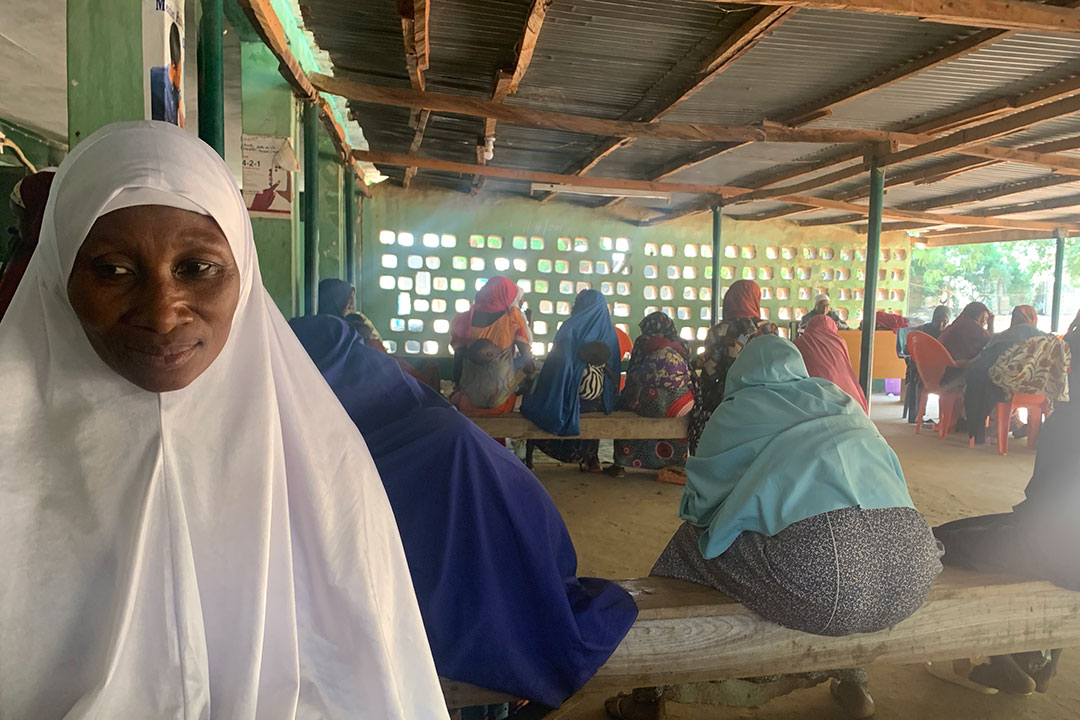
Having seen their loved ones fall sick or succumb to cholera, several communities are making gradual but conscious efforts to stem infections.
Recalling her cousin’s brush with cholera, Aisha Ali of Custom Community in Maiduguri says her family now practises hand-washing to curtail the spread.
“His condition became serious around 12am. We immediately called the ambulance contact number which had been circulated, and an ambulance came to take him to the treatment centre at Njimtilo. After spending the night there, he was stabilised. When he returned home, the symptoms came back and he was taken back there. He has now been discharged.
“I have asked my children to always wash their hands properly, especially before eating and after using toilets. Some officials also came to fumigate the environment and educate us on good hygiene,” she explains.
Credit: Afeez Bolaji
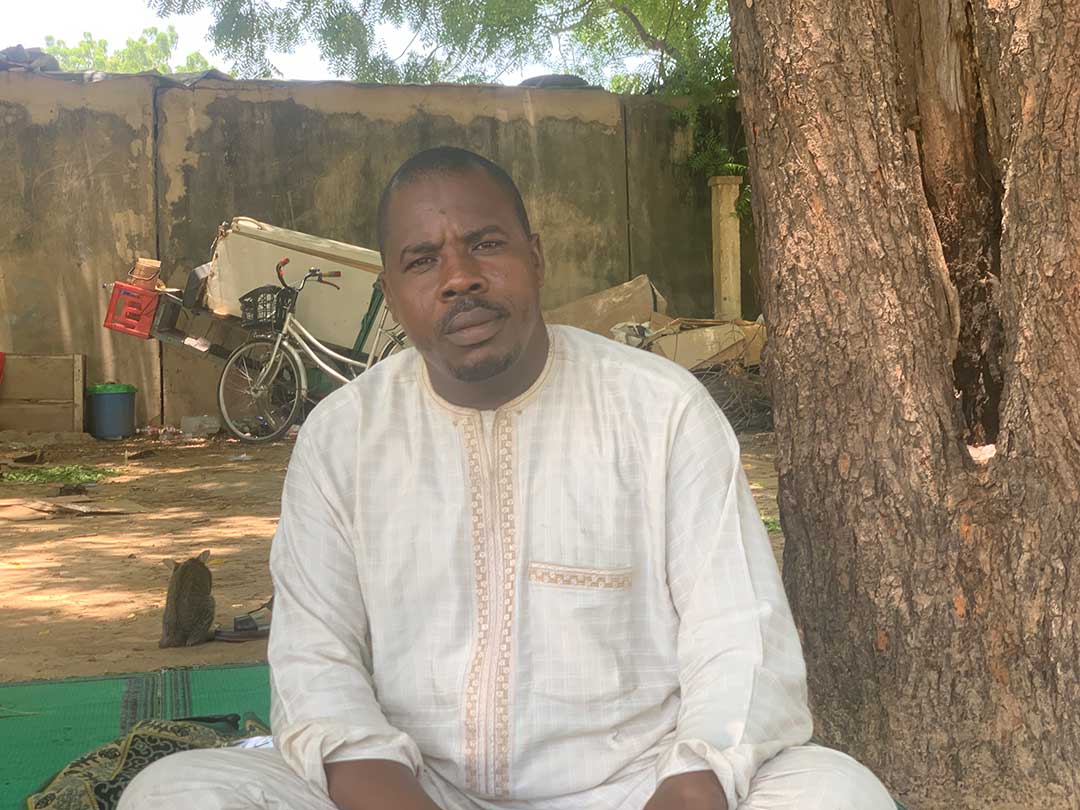
Ibrahim Babagana, a resident of Abbaganaram, another community affected by the outbreak, says, “We now clear out gutters and clean the environment. The infection has reduced. People are now serious about cleanliness.”
More from Afeez Bolaji
Recommended for you