
In Oyo State schools, the climate-health link is on the curriculum
Climate change is here, and it’s driving disease. In southwestern Nigeria, an education programme teaches children what they can do today to better protect their communities.
- 19 August 2026
- 5 min read
- by Temidayo Abass
At a glance
- The WHO estimates that between 2030 and 2050, climate change will drive an additional 250,000 deaths. In Oyo State, Nigeria, health centres, its effects are already being felt.
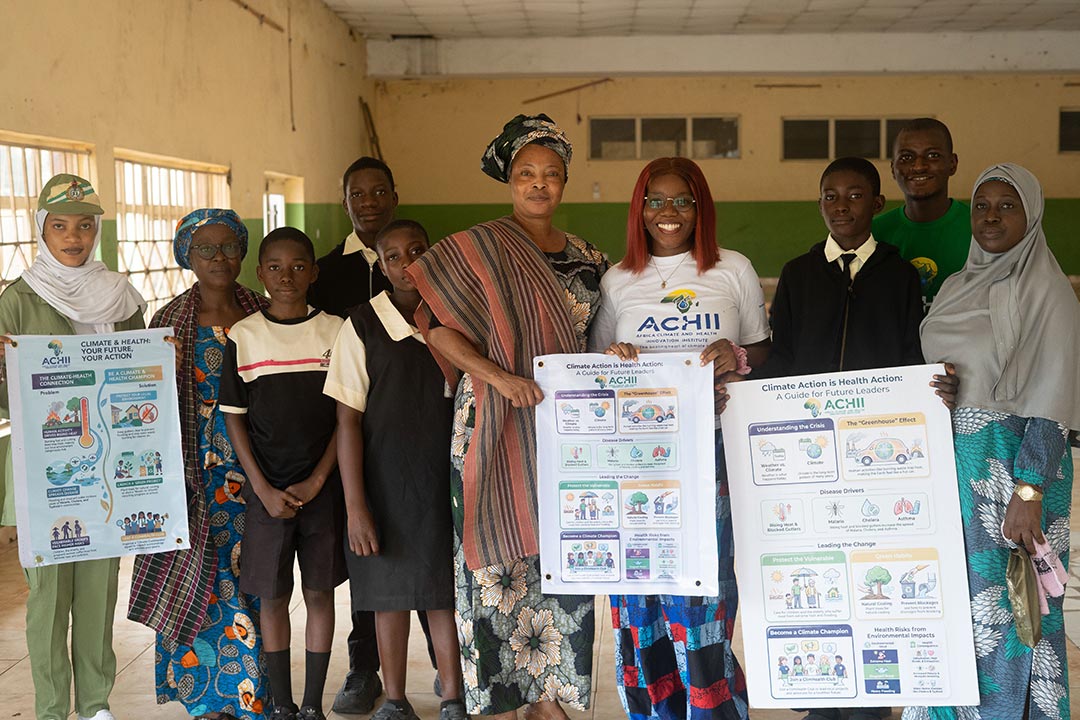
- To help bolster communities against the diseases being propelled by changing weather and temperature patterns, the Africa Climate and Health Innovation Institute is visiting high schools and teaching kids about sanitation and prevention.
- “When I get home today, I will tell my family, I will tell my friends and my neighbours,” said student Jimoh Stevens, who learnt that stagnant water and clogged drainage drive malaria risk.
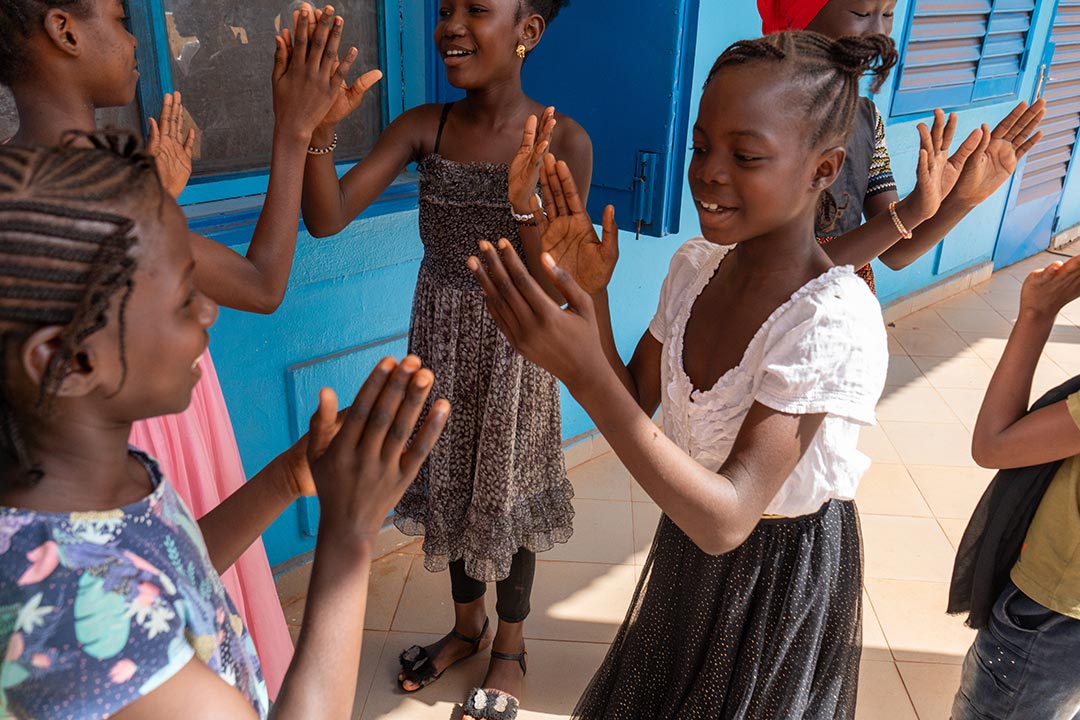
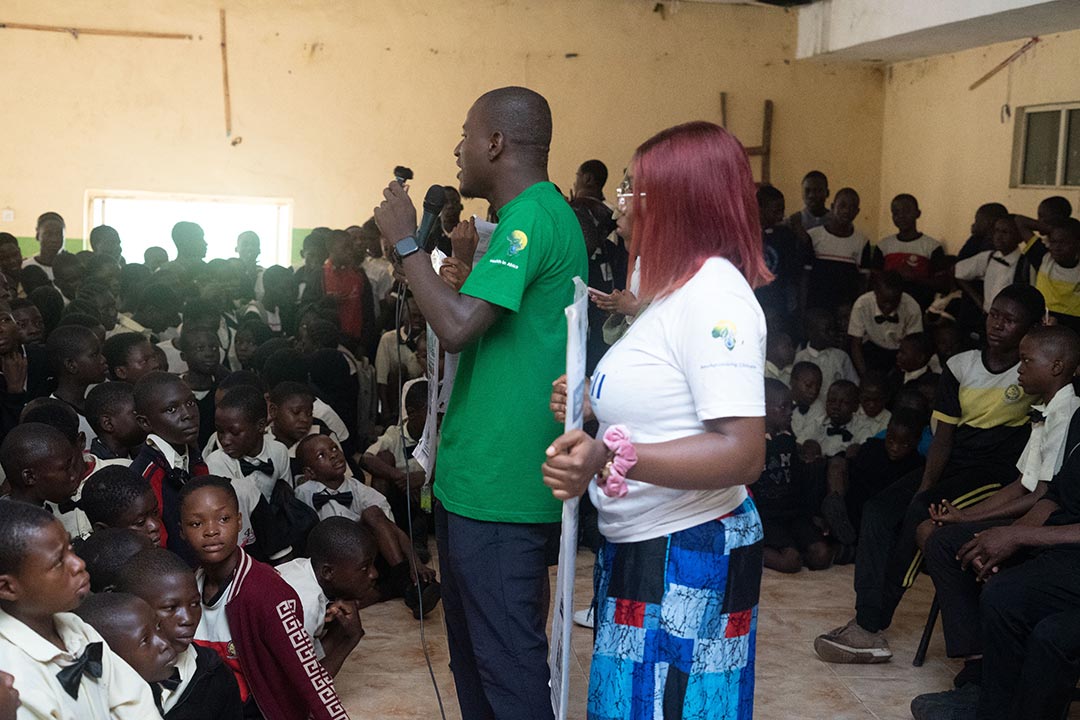
“Climate action is health action!” chorused 50 students at an open-air assembly at Humani Alaga High School in Ibadan, the capital of Nigeria’s southwestern Oyo State, following an education outreach conducted by the Africa Climate and Health Innovation Institute (ACHII).
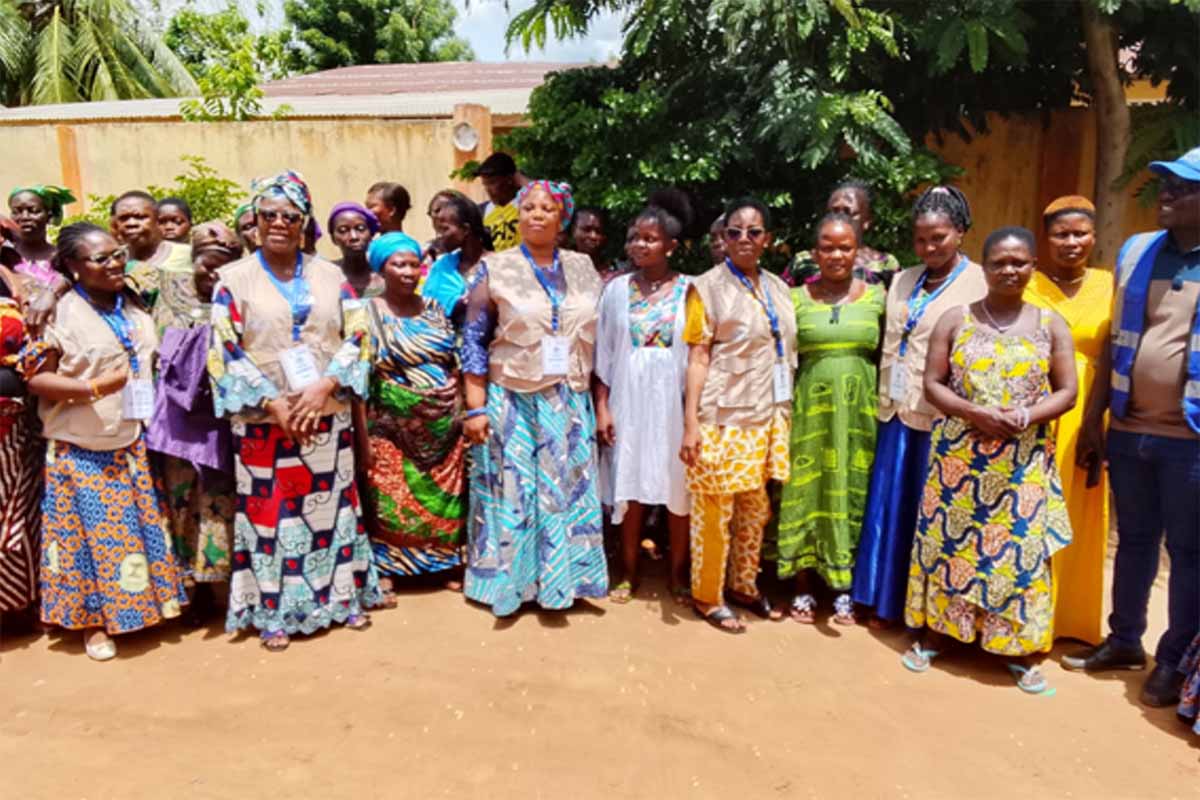
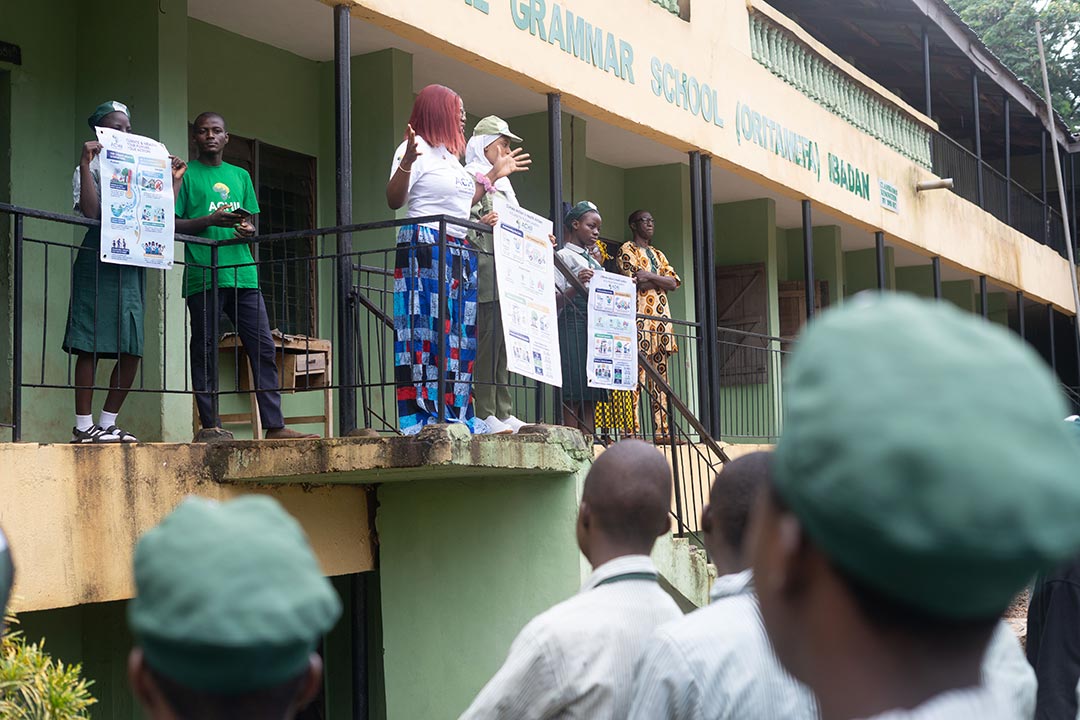
Between May and July this year, ACHII partnered with the National Youth Service Corps (NYSC) to help high school students understand the link between climate change and their health. Many diseases that already have a foothold in Nigeria are a rising risk, as weather events grow more erratic and temperature patterns shift globally.
Credit: Temidayo Abass
The aim? To encourage this vanguard generation to take action to protect their communities from environmental risks. Adeniyi Bisola, a Junior Secondary School 3 (JSS3) student at Humani Alaga High School, explains what she learnt. “I learnt that we should stop pouring trash on the floors when we are done eating. It will block the drainage so the water will overflow. When the water is overflowing in the drainage, it can cause malaria [to spread].”
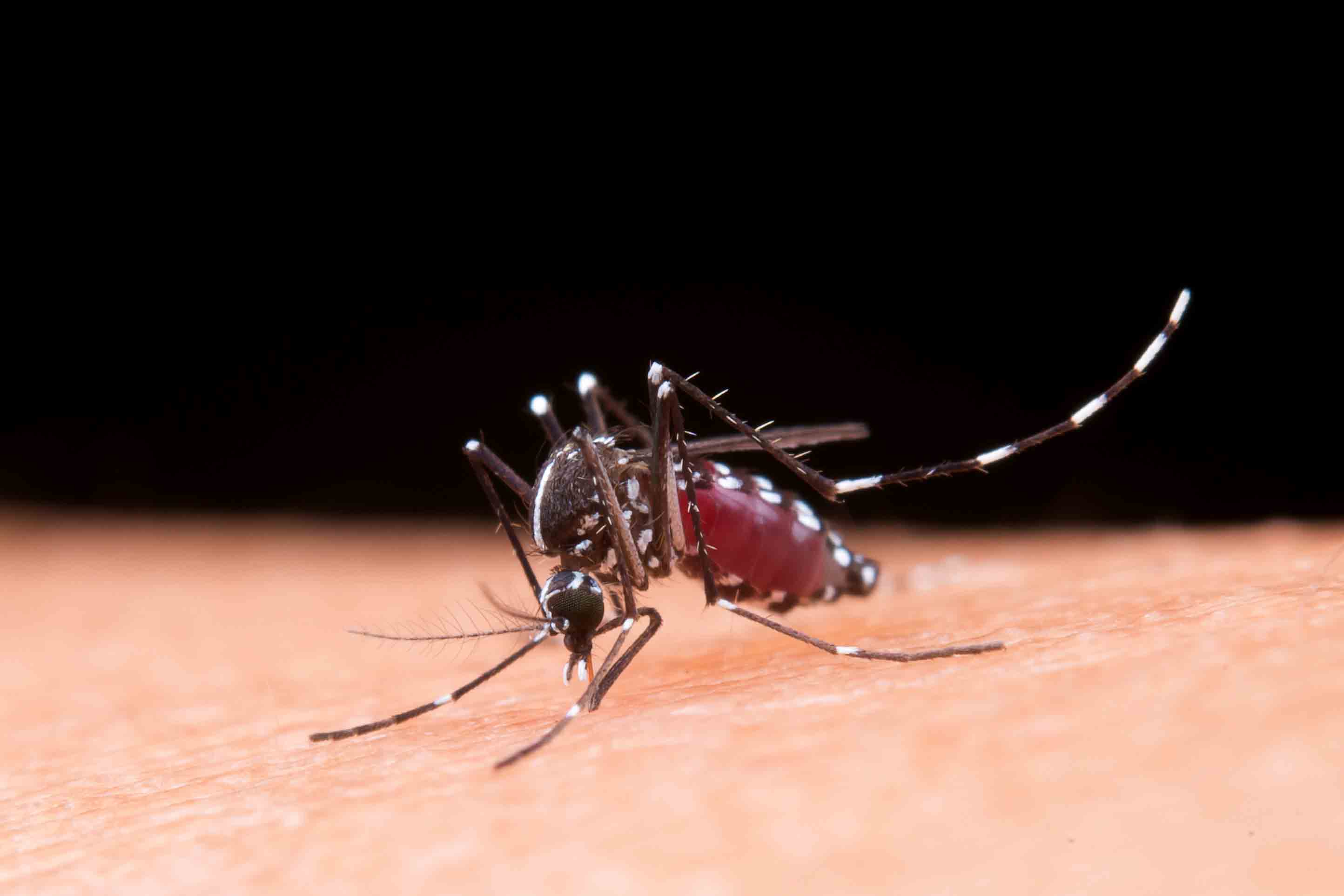
Nigeria has recorded notable successes in malaria control over the past decade, with vaccines against P. falciparum malaria, the deadliest form, arriving as a new propellantto that progress. Still, stagnant water in urban spaces creates an ideal breeding ground for the mosquitoes that spread the parasite.
Bisola also learnt for the first time that burning refuse is harmful to health. “If we want to burn our dirt, we should not burn it, but we should call the trash management to come and pack it for us, so that they can recycle it and dispose of it wherever they want to."
Credit: Temidayo Abass
Soyinka Sulaiman, another JSS3 student, remarked that he was surprised to learn of the role of the waste management authority in disposing of refuse.
Teachers expressed eagerness to take forward the learning. At Humani Alaga High School, Christiana Ayandokun, an English teacher and supervisor of extracurricular activities, said she would make sure to review and revise the lessons learnt during the ACHII outreach.
“Because children forget what they learn very easily, we are reinforcing it every day. We keep reminding them, [they’ll] get used to it, and start acting on it when they grow up,” she said.
It’s already here
Dr Abiola Ayoade, officer-in-charge at Samonda Primary Health Care Centre, which lies just down the main road from the school, says that the diseases the children learnt about during the session are some of the most common in the area.
“No free flow of water in their drainages, and that allows stagnation of water,” he says. “Anywhere you have that stagnation of water, that is the pool that the mosquito is breeding en masse, so the prevailing diseases are malaria and diarrhoea."
Have you read?
The threat climate change poses to health is unambiguous. According to the World Health Organization (WHO), 3.6 billion people already live in areas vulnerable to climate change; and between 2030 and 2050, climate change is expected to cause approximately 250,000 additional deaths per year from direct environmental threats like coastal flooding and heat stress, and other health knock-ons, like undernutrition, malaria and diarrhoeal disease.
Meanwhile a landmark 2025 Lancet report found that the health threats of climate change have already reached “concerning, unprecedented levels.”
In Oyo State specifically, studies have established the risks of climate change in causing respiratory illness, adverse heat and waterborne diseases such as diarrhoea.
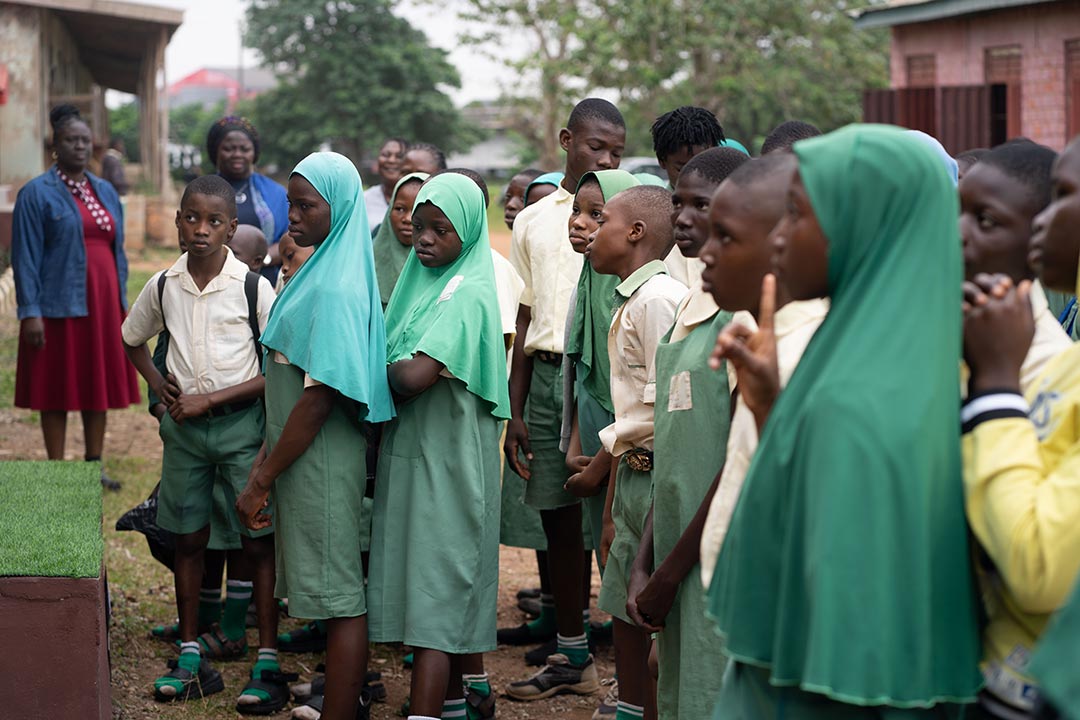
Credit: Temidayo Abass
While the warming of the planet means that parts of West Africa are reaching temperatures above the ideal conditions for malaria mosquitoes, research has linked increased rainfall in Oyo State to increased prevalence of the disease. Dr Ayoade says that tallies with his own experience. Heavy rainfall collides with poor sanitation to raise risk; the wards and outpatient waiting rooms fill up as a result.
Spreading the word
In this first phase of the project, ACHII reached ten schools, 2,683 students and 139 teachers, but there is more to come.
“At the end of almost every session, I try to talk to the teachers or the students and ask, ‘Do you want a Climate and Health Club in your school?’ And they say yes, they want it."
Dr Aishat Oduye of ACHII says, “We're hoping that when we get more funding, we can go back there to sort of institutionalise this programme for them where they come to school, they learn about it, they build solutions for these things, and they go home and talk to other people about it.”
Jimoh Stevens, a JSS2 student at Oba Akinbiyi College, Mokola, Ibadan, was inspired to do just that. "When I get home today, I will tell my family, I will tell my friends and my neighbours,” he said after the session.
Two weeks after the outreach at Humani Alaga High School, the school’s vice principal, Adewale Adeola, confirmed that they are already seeing improvements in their students’ conduct – particularly around environmental cleanliness. “They stopped dropping refuse anywhere in the school,” she said.
More from Temidayo Abass
Recommended for you