
How the DRC is outpacing cholera
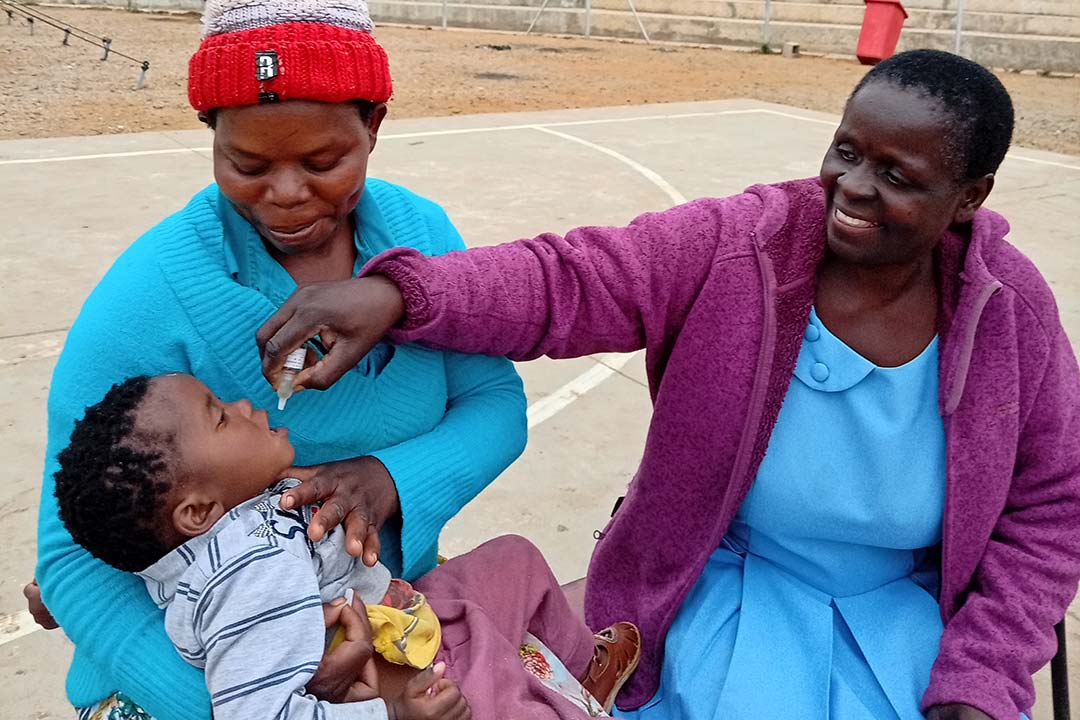
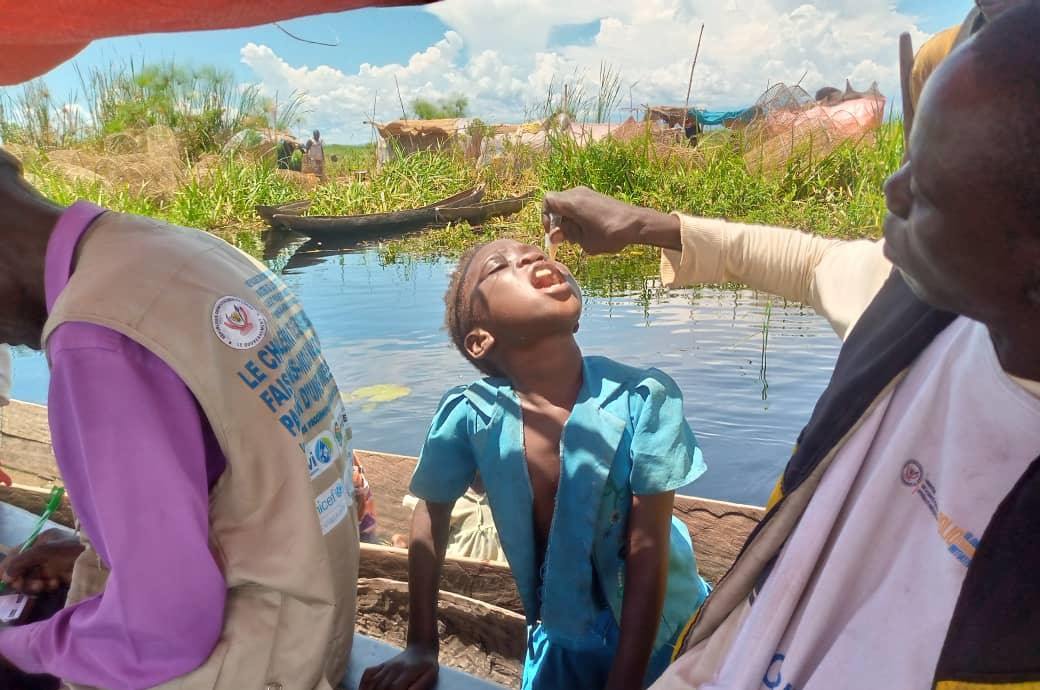
In Haut-Lomami, vaccination teams are braving floods to administer the oral cholera vaccine preventively, before the annual resurgence of the disease.
- 22 May 2026
- 6 min read
- by Patrick Kahondwa
At a glance
- DRC is rolling out a preventive cholera vaccination strategy in its most exposed provinces, including Haut-Lomami, heading off outbreaks before they begin.
- Funded by Gavi, the campaign relies on mobile teams and community health workers to reach isolated populations and strengthen acceptance of the oral cholera vaccine.
- The fight against cholera in DRC combines vaccination, access to safe drinking water, sanitation, epidemiological surveillance and rapid response to suspected cases.
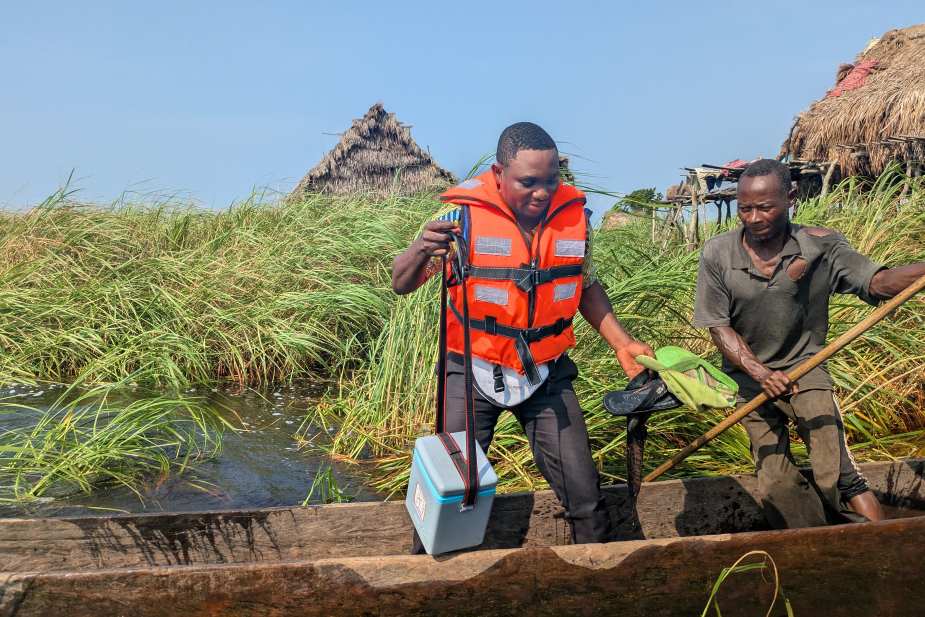
Floods hit Haut-Lomami and disrupted the first round of the preventive cholera vaccination campaign in late March 2026. Undeterred, vaccinators in some areas extended their work beyond the five days initially planned, in some cases working for more than ten days in order to reach the targets set.
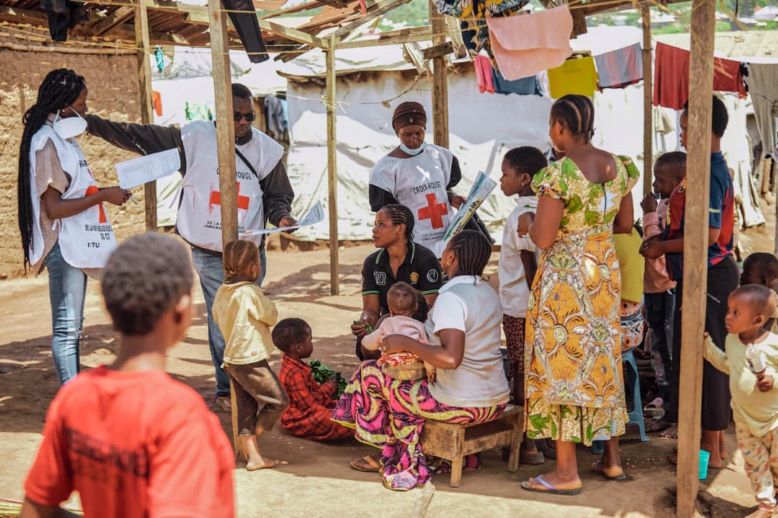
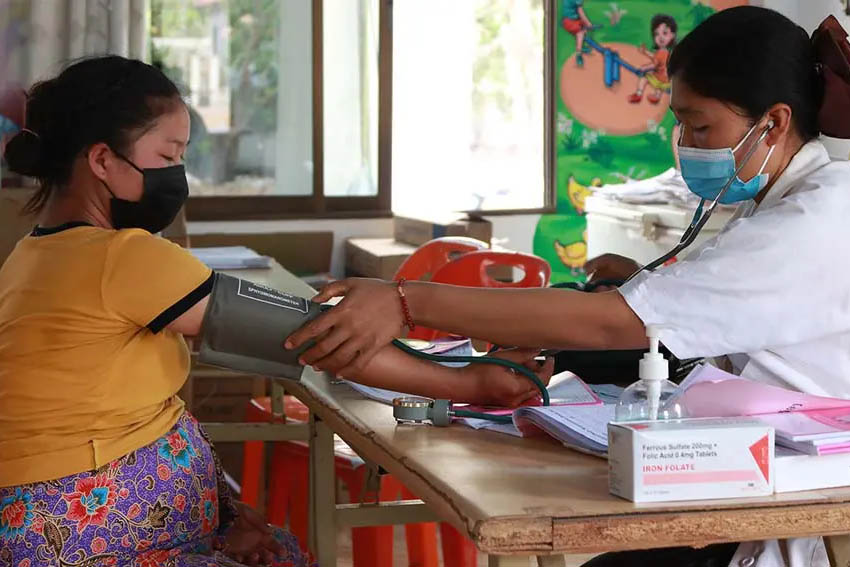
Alongside them, community health workers went door to door to explain the importance of the vaccine, and respond to people’s concerns. “Some people still do not know that the vaccine reduces the risk of contracting cholera. As a community health worker, I take the time to explain, reassure and, above all, listen,” explained one of them.
This local campaign is part of a broader shift. Preventive oral cholera vaccination (pOCV) represents a major strategic change in the fight against cholera. For the first time, Gavi has offered endemic countries the possibility of planning multi-year preventive vaccination campaigns, rather than only responding to outbreaks on a case-by-case basis. DRC was one of the first countries to benefit from this framework, with the development of a multi-year plan progressively targeting areas with the highest endemicity.
This is an important change: the combination of preventive vaccination, health system strengthening and rapid response marks a move from crisis management towards a sustainable reduction of the cholera burden. Prevention sits at the heart of the strategy, and that’s a model that Gavi is seeking to consolidate as part of its 6.0 roadmap, despite tighter budgetary constraints.
An initial allocation of 20 million doses has been deployed for three priority countries, including 6.1 million doses for DRC. The doses are funded by Gavi, and procured and delivered by UNICEF.
Endemic scourge
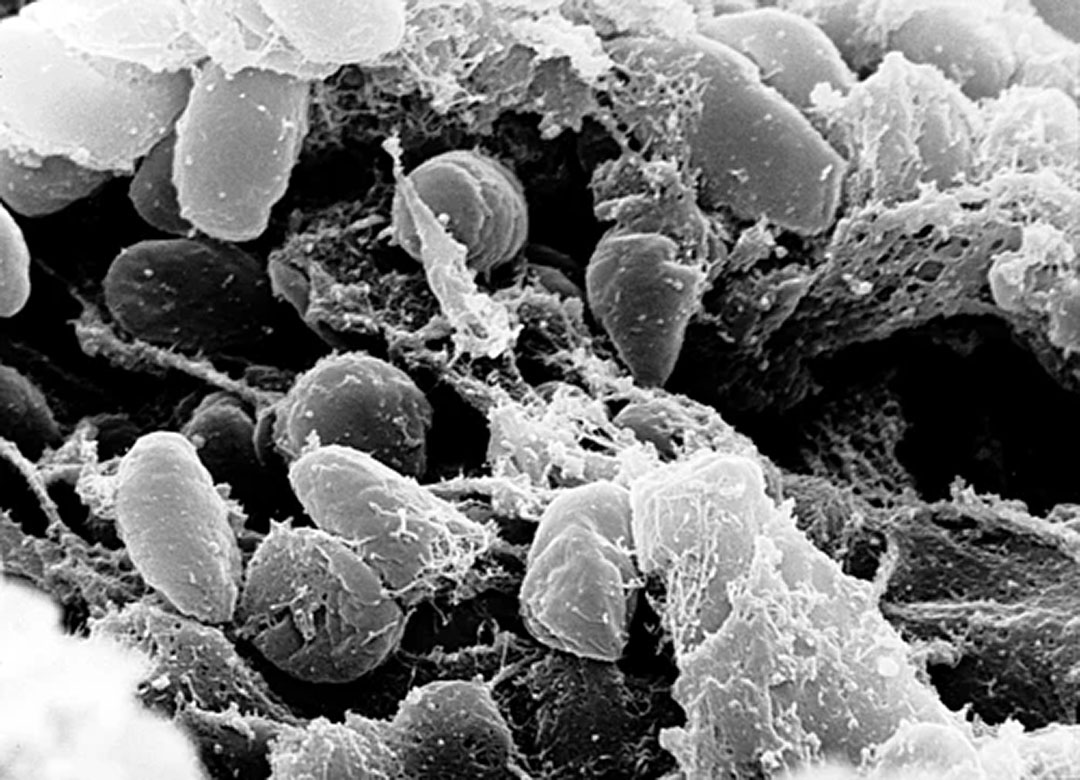
Cholera is transmitted through contaminated water and food. It causes severe diarrhoea and rapid dehydration, and can turn fatal within hours of exposure without treatment. But a single dose of the oral vaccine provides short-term protection, shielding people and potentially interrupting transmission, while two doses can protect for up to three years.
In DRC, where the disease remains endemic, particularly in areas affected by population displacement and difficulties accessing safe drinking water and sanitation, this approach aims to act earlier, before outbreaks occur.
Haut-Lomami is among the provinces targeted because of its history of outbreaks, which are, in turn, connected to high population density, limited access to safe drinking water and population movement.
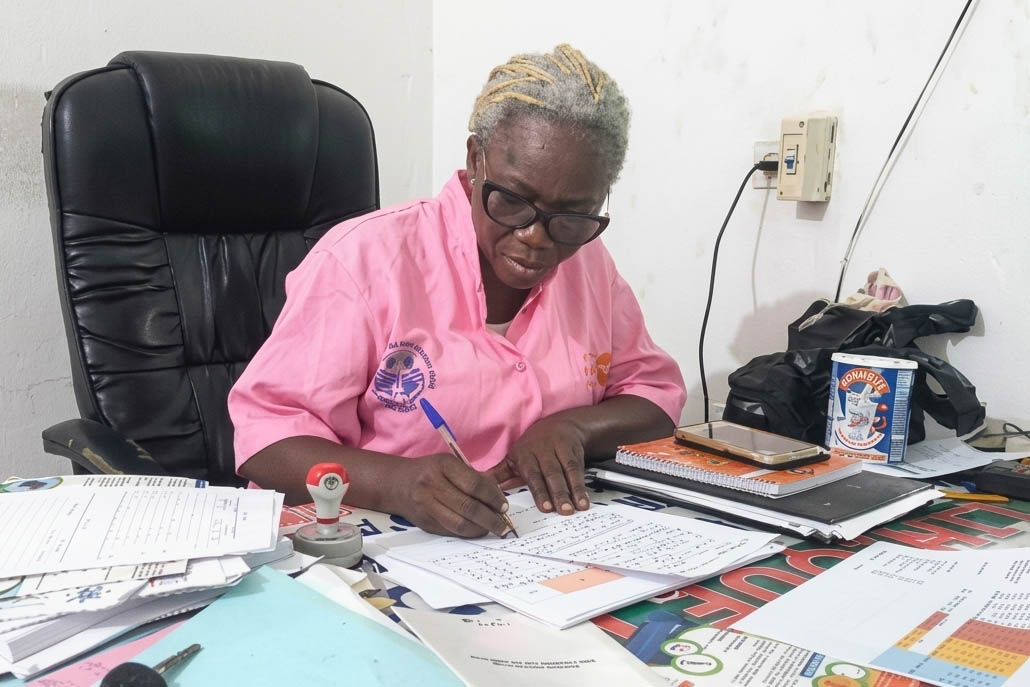
“We studied the behaviour of health zones in endemic provinces, as well as the evolution of outbreaks, in order to guide interventions effectively. This analysis showed that, over the past ten years, there has been a resurgence of cholera cases in these health zones every year, often during the rainy season,” says Dr Nanou Yanga, focal point for emerging diseases within DRC’s Expanded Programme on Immunization.
Mobile teams reaching as far as the waterways
To protect the most exposed populations, teams are adapting their typical tactics to suit the context. A combination of fixed points in health centres, mobile teams in remote areas, and targeted interventions in sites hosting displaced populations maximise reach.
“We mainly carried out vaccination through fixed strategies, while integrating other complementary approaches. These include innovative strategies, such as vaccination in riverine settings and adapting schedules according to the target populations. In the past, our interventions were mostly focused on situations where an outbreak had already been declared. Today, we are instead seeking to anticipate and interrupt the chain of transmission before it even takes hold,” explains Dr Nanou Yanga, EPI.
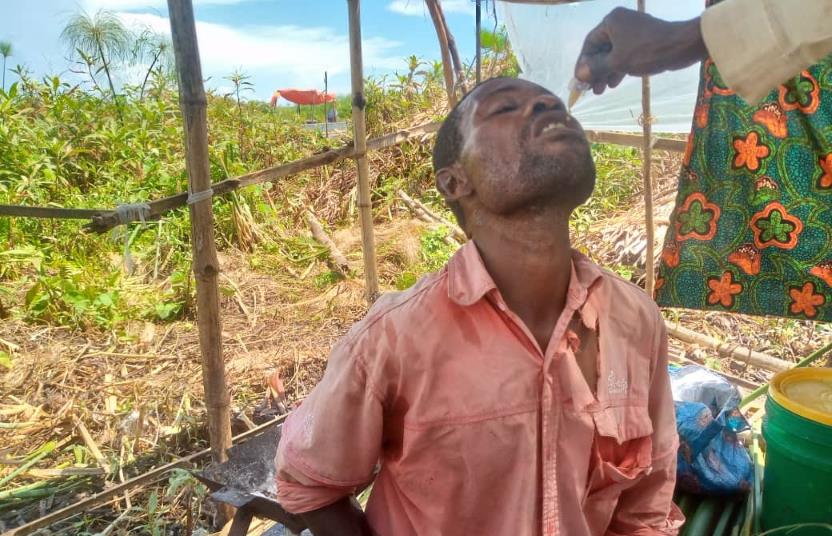
Credit: PEV RDC
Despite generally positive reception, some reluctance remains. Rumours, lack of awareness about the vaccine, or mistrust of external interventions can hinder uptake. Community health workers play a decisive role here.
“During our household visits, we do not limit ourselves to awareness-raising. We also identify people with symptoms suggestive of cholera and refer them to care facilities,” adds the community health worker.
Their closeness to residents helps build trust. “At first, I was afraid. I did not understand why people were coming to vaccinate us. After the explanations from the community health workers, I accepted, to protect myself and my children,” says Marie Kasongo.
Have you read?
Preventing cholera on several fronts
Preventive cholera vaccination is part of a broader multisectoral response, guided by the Global Task Force on Cholera Control (GTFCC) 2030 roadmap.
This roadmap rests on three complementary pillars: sustainably improving access to safe drinking water and sanitation in the most affected areas; strengthening surveillance systems and the capacity to respond rapidly to outbreaks; and vaccinating populations living in areas where cholera has long been entrenched, in order to gradually reduce transmission cycles. Within that logic, the pOCV programme is not a miracle solution, but a long-term investment, complementary to efforts on water, sanitation and emergency response.
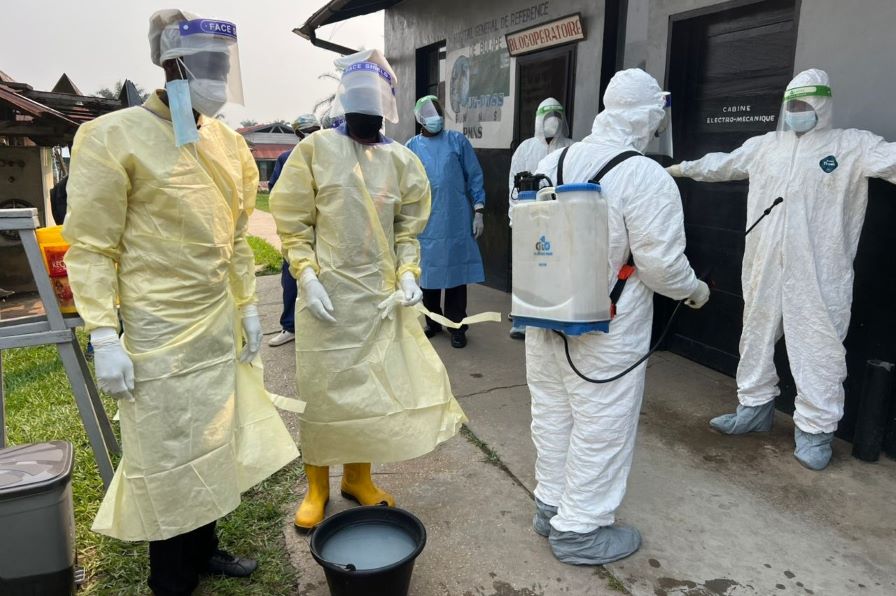
“The vaccine is an essential tool, but it is not sufficient on its own. Without access to safe drinking water and good hygiene practices, the risk remains. Alongside vaccination, we are also carrying out WASH interventions, strengthening epidemiological surveillance and improving early case management,” says Yanga.
More from Patrick Kahondwa