
Cameroon: sixty years of trust help reach zero-dose children
In conflict-affected parts of Cameroon, a faith-based organisation has been bridging the gap left by collapsed public health services for decades, building a generational well of trust.
- 29 April 2026
- 7 min read
- by Delphine Fri Chifor , Olivier Konan
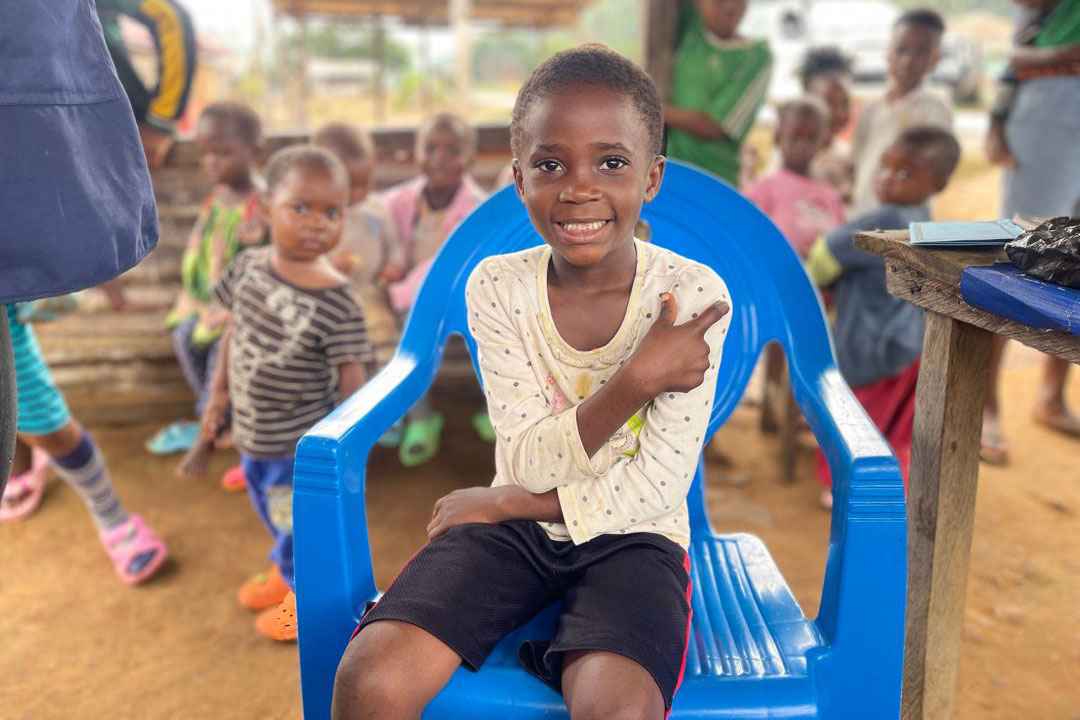
For the past decade, Cameroon’s North-West and South-West regions have been devastated by conflict and armed violence, with more than 70% of health districts affected. As health facilities have been vandalised or burned, health workers attacked and supply chains disrupted, the health system has steadily collapsed.
Babies born in CBCHS hospitals have grown up, delivered their own children under the eye of CBCHS workers, and are now seeing their grandchildren vaccinated against malaria during CBCHS outreaches in rural areas.
These shocks have had a severe impact on vaccination coverage. Routine immunisation rates in the two regions have dropped by 60%[1]. Nationally, one in six children under five has received no vaccinations at all. In the North-West and South-West regions, nearly one in four children remains completely unvaccinated.
An invisible wall of misinformation
Years of protracted crises have deepened mistrust and strained social cohesion in a context where rumours spread easily, and anti-vaccination attitudes remain entrenched. These challenges are intensified by misinformation circulating on social media, including claims about the supposed harmful effects of vaccinations.
“Many families refuse to vaccinate their children, not out of indifference, but out of fear and misinformation,” explains Dr Eugene Foyeth, who oversees operations for Cameroon Baptist Convention Health Services (CBCHS), a long-standing faith-based organisation operating across the country.
Vaccine rumours quickly lose their intensity when they are countered by positive personal or family experiences.
With state services weakened or absent, communities needed an organisation they could trust. For nearly six decades, CBCHS has fulfilled this role.
From 2022 to 2025, CBCHS has been a key partner in a Gavi-funded effort to reach zero-dose and under-immunised children in Cameroon’s most vulnerable areas.
A presence etched in time and memory
Founded in 1936 with the establishment of the Dunger Baptist Hospital in the Northwest region Donga-Mantung, the organisation began its journey to bring Christian healing to rural Cameroon, with the Mbem Dispensary later being transformed into a maternity and then a health centre of Cameroon Baptist Convention Health Services in 1972.
CBCHS has grown into a network of more than 90 health facilities across Cameroon. Seventy percent of these health facilities are in the North-West and South-West regions.
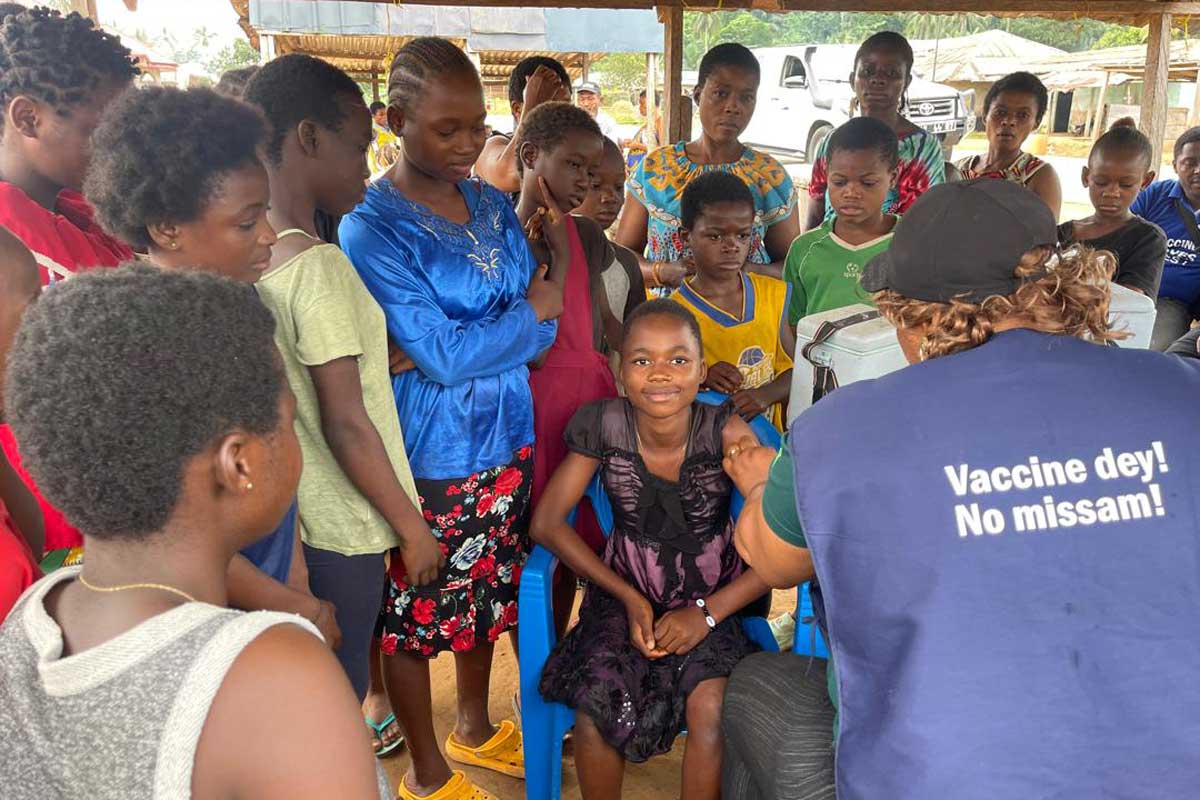
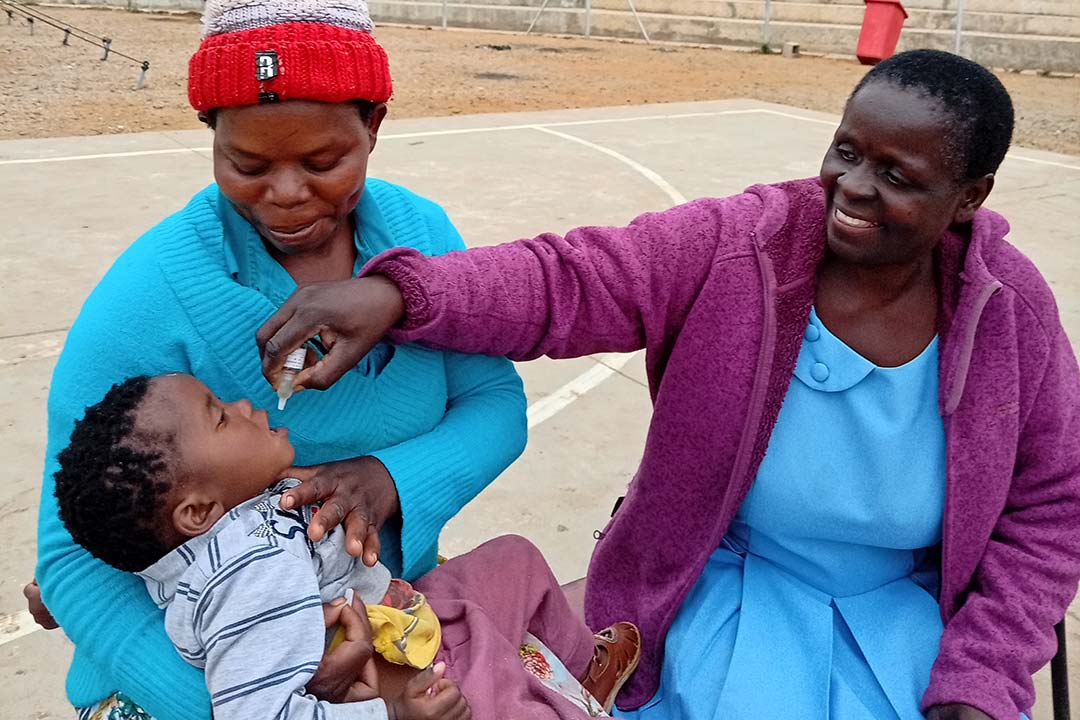
The organisation's relationship with families here runs generations deep. Babies born in CBCHS hospitals have grown up, delivered their own children under the eye of CBCHS workers, and are now seeing their grandchildren vaccinated against malaria during CBCHS outreaches in rural areas.
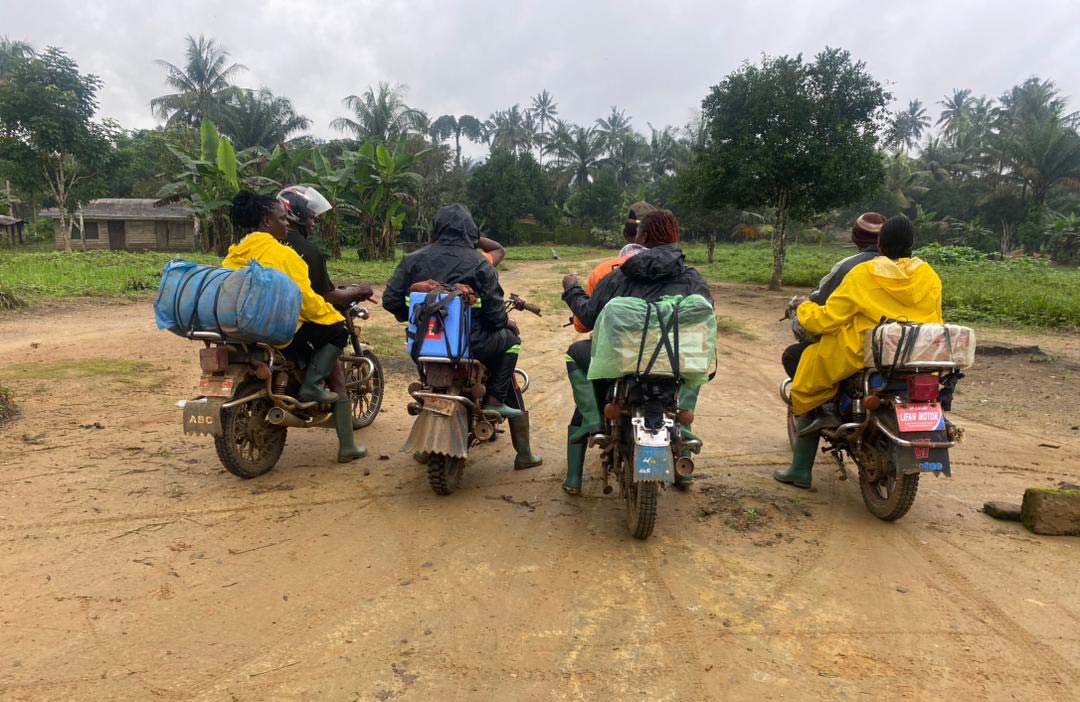
© Delphine Fri – CBCHS Cameroon
“Building on CBCHS’s past achievements is an asset we cannot overlook. It gave us the keys to position ourselves as the main healthcare provider in these communities,” explains Dr Foyeth, head of the vaccination programme.
Trusted voices within the community
CBCHS follows a faith-based, community-rooted approach that has fostered strong ties with traditional chiefs, religious leaders and women’s associations.
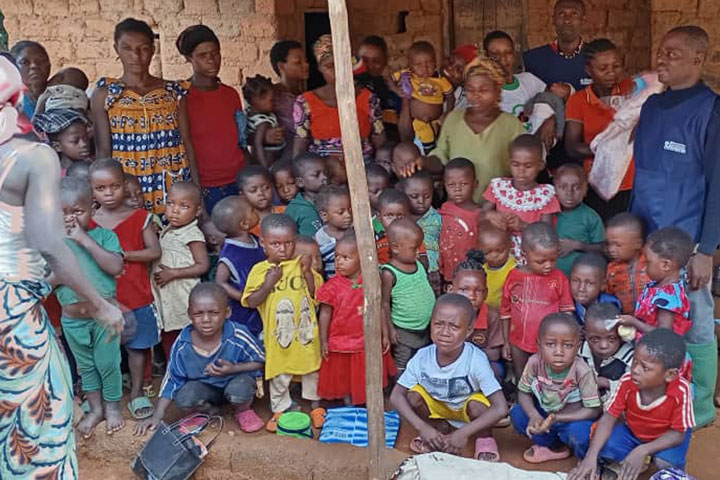
As a result, more than 3,100 local leaders have taken part in community dialogues, ensuring that every vaccination mission carries the endorsement of the community’s key gatekeepers. Their support is then echoed by thousands of community voices that amplify their messages, helping to bring vaccination information to families in even the most remote hamlets.
Vaccine rumours quickly lose their intensity when they are countered by positive personal or family experiences. Many community mobilisers are the children or grandchildren of people who once benefitted from CBCHS programmes. Working alongside these trusted mobilisers, CBCHS’s vaccination teams help circulate accurate, verified information, grounded in lived experience and shared history.
“Our communication and social change team designs messages tailored to each context,” explains Dr Epie Njume, Technical Coordinator of the CBCHS vaccination programme.
Rigorous and coordinated planning
Vaccination teams deploy after monitoring alert systems and receiving the necessary authorisations. Before heading into the field, they meticulously organise their materials, ensuring they have the correct branded communication tools and sufficient vaccine supplies. CBCHS teams and the Expanded Programme on Immunisation (EPI) meet regularly at district, regional and national levels to coordinate activities, maintain supply chains, identify priority areas and develop clear action plans.
Vaccine rumours quickly lose their intensity when they are countered by positive personal or family experiences.
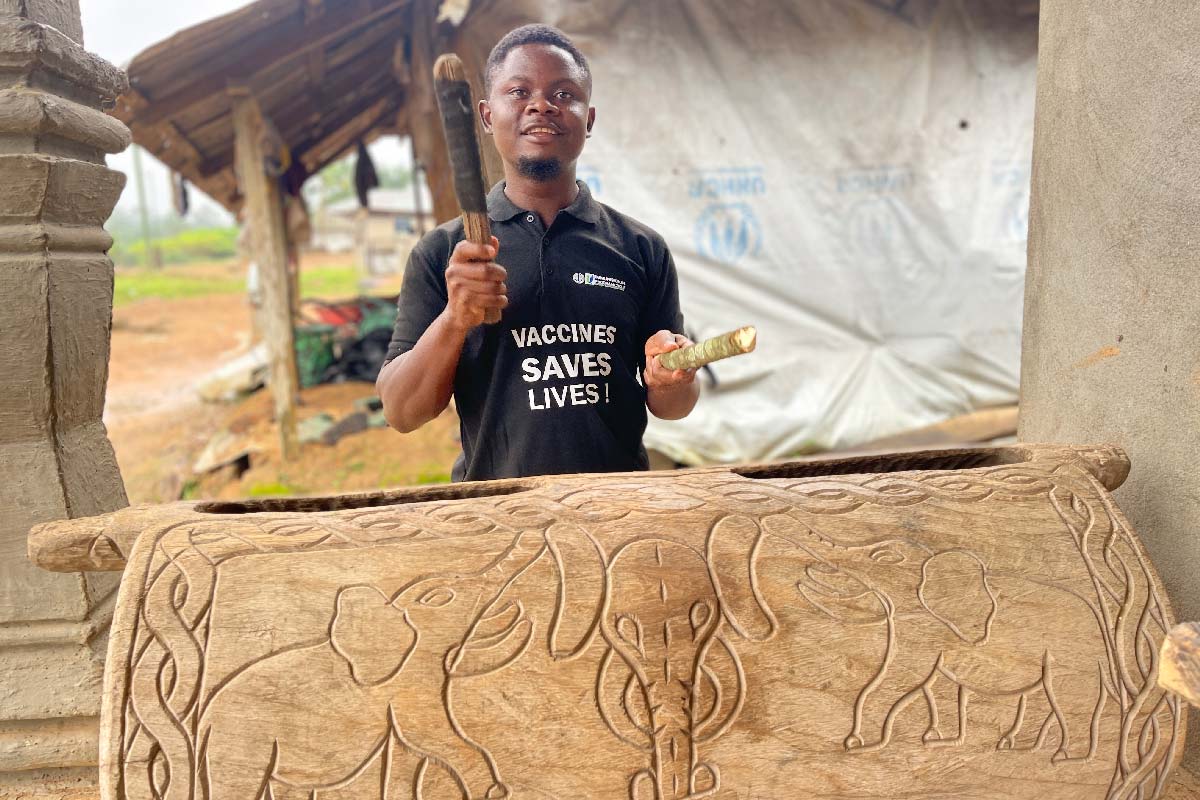
In the communities, community mobilisers play a pivotal role. Selected for their acceptance by communities and deep knowledge of the local terrain, they help build trust from the outset. Travelling door to door, they share health messages in local languages, explain the benefits of vaccination, listen to concerns and address misconceptions that fuel hesitancy. The community mobilisers’ primary goal is to work with caregivers to demystify government vaccine messages, rebuild trust and ensure children begin and complete their full vaccination schedule.
An integrated approach: bringing more than vaccines
Families face many challenges beyond the decision of whether to vaccinate. Many are struggling with food insecurity, safety concerns and the need for antenatal care. Through its partner network, CBCHS responds with integrated services that meet these broader needs. By offering insecticide-treated nets, malnutrition screening, therapeutic foods and breastfeeding support, mobile teams have reshaped how vaccines are perceived.
Have you read?
Parents no longer see vaccinators as outsiders delivering an external message, but as trusted neighbours who understand and help address the realities of daily life.
“Our strength lies in our closeness to the community,” says Professor Tih Pius Muffih, Principal Investigator of the CBCHS vaccination programme. "We didn’t disappear when the crisis began, we lived through it with them. That is why we know how to listen, to engage, to remove barriers, and to reach the most vulnerable.”
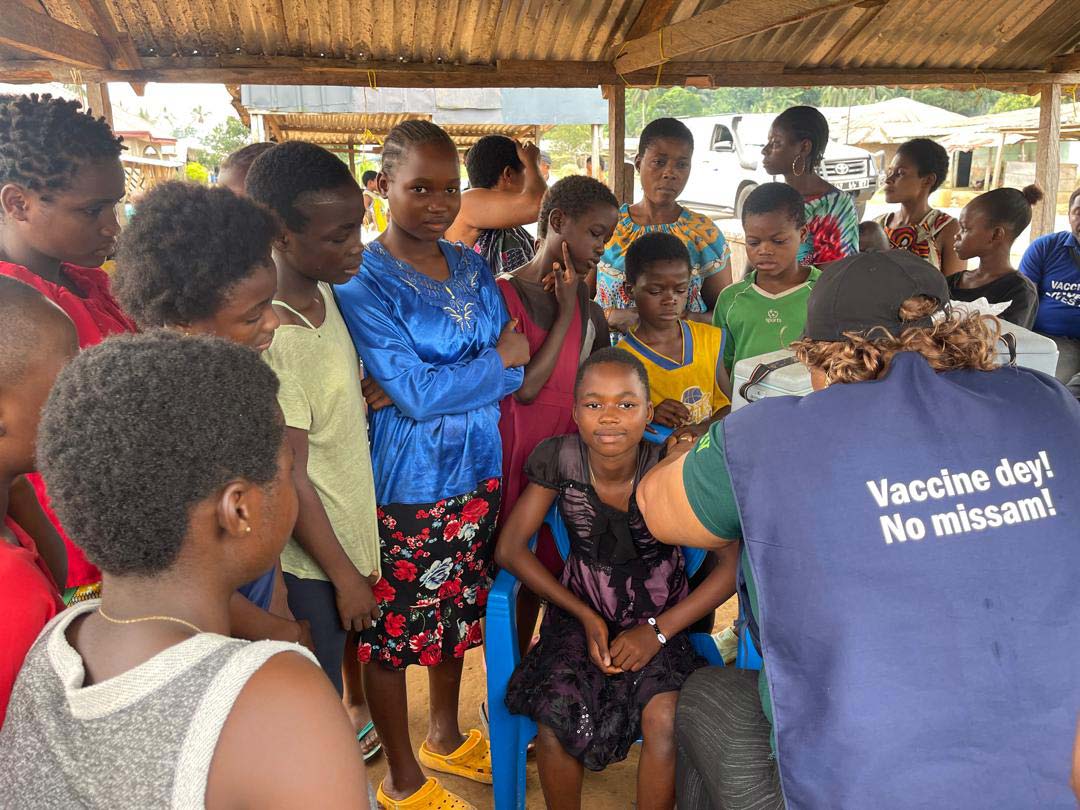
© Delphine Fri – CBCHS Cameroon
Since 2022, the first year of implementation for the Gavi-funded Zero-Dose Immunization Programme (ZIP), this shared history has enabled the restoration of vaccination services across 35 high-risk districts. More than 1 million doses of vaccine have been administered to children and adolescents who, without the deep local roots of this faith-based organisation, would have remained a “missed community”.
Measurable impact
The shift in attitudes is striking: mothers who once refused vaccinations are now stepping forward with their children. Hassana Mouda, a mother of two, lives in the Muslim community of Ngong, in Nwa, Cameroon's North-West region. She says she used to turn vaccinators away: “I had heard it could make my children sterile. I preferred to keep them at home.”
It was her neighbourhood chief, a community organiser, who came to speak with her and her husband, emphasising the importance of protecting children against avoidable diseases through vaccination. “We trust him. If he tells us it is to protect our children, then I believe him.” Soon after, she brought her two sons to be vaccinated. They received their first doses of the pentavalent vaccine on the same day, at 53 and 26 months old.
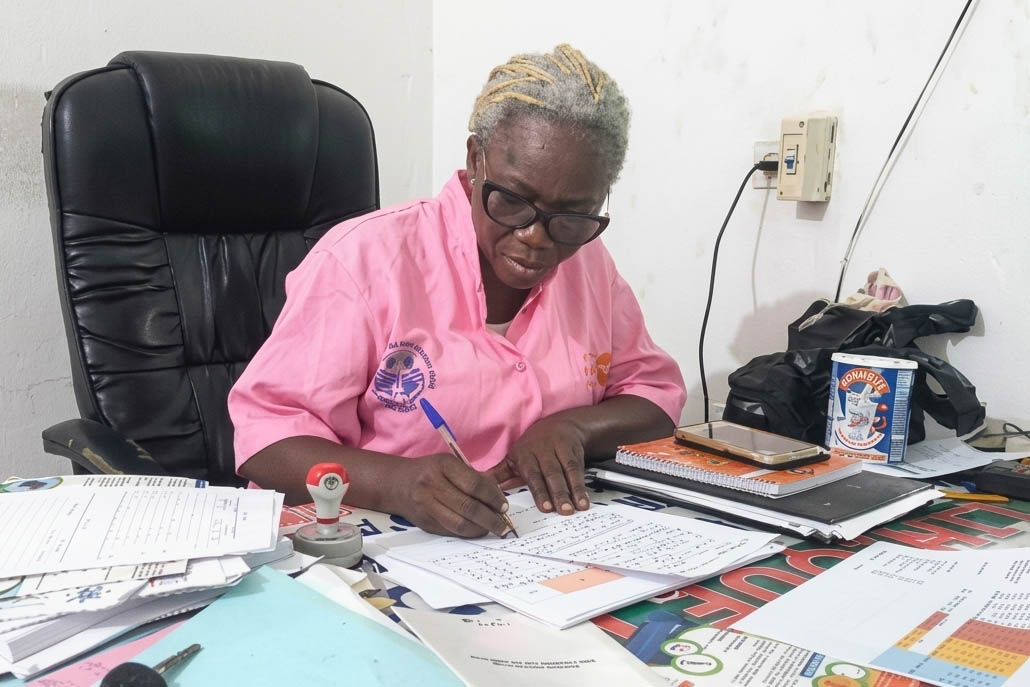
CBCHS teams work closely with EPI counterparts at district and regional levels to ensure that vaccination data is accurately captured in Cameroon Collect (IASO[2]) and the District Health Information System 2 (DHIS2). Updates are entered weekly and monthly, respectively, to ensure that data reflects real-time changes without creating gaps. This continuous information flow strengthens child-tracking systems and guides public health decision-making. During these data-validation processes, CBCHS also share key activities, lessons learned and field challenges with EPI teams, further reinforcing collaboration.
As a result, from 2023 to 2025, 86,452 children received their first dose of the basic five-in-one pentavalent vaccine. Overall, 248,021 doses of pentavalent, and 177,611 doses of measles-containing vaccines were administered.
CBCHS has demonstrated that an organisation endures not only through the impact of its current work, but also through the collective memory and trust of the communities it has served over generations.
How is Gavi helping?
From 2022 to 2025, CBCHS played a key role in Cameroon as part of the RAISE 4 Sahel consortium, funded by Gavi through its Zero-dose Immunization Programme (ZIP). The goal of ZIP is to support governments in the Sahel (seven countries, including Cameroon) and Horn of Africa (four countries) to increase vaccination coverage and reach zero-dose children.
Since 2024, Gavi has also launched a series of funding opportunities for civil society organisations (CSOs) to deliver projects reaching zero-dose children and under-immunised communities via its CSO Fund Manager. MannionDaniels, a global health and social development consultancy, working in a consortium with Oxford Policy Management (OPM), currently operates in this role, providing end-to-end grant management services. Many CSOs, including CBCHS, now receive support for their work via this mechanism.
[1] The socio-political crisis in the North-West and South-West regions of Cameroon: assessment of the economic and social impact. World Bank, 2021
[2] IASO is an innovative, open-source, bilingual (EN/FR) data collection platform.