
Global health reform and last-mile integration: the missing link in pandemic preparedness
As the UN General Assembly's High-Level Week kicks off, global health reform is back on the agenda, but the real test will not be in New York conference rooms. It will be in whether reform reaches the last mile.
- 18 September 2026
- 5 min read
- by Pascal Barollier
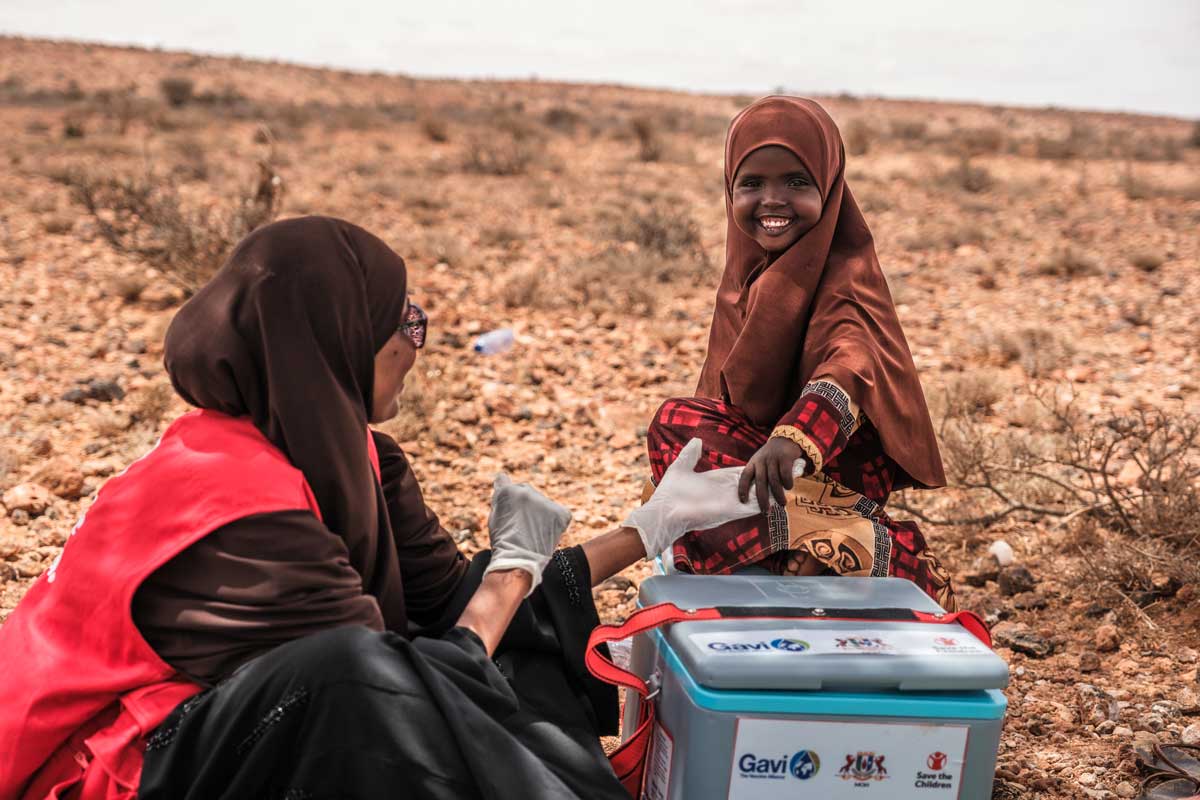
UNGA81: What's the matter this year?
Three years ago, world leaders took a historic step by adopting the Political Declaration of the first-ever UN High-Level Meeting on Pandemic Prevention, Preparedness and Response (PPPR). In the wake of COVID-19, governments committed to closing critical gaps in prevention, preparedness and response, strengthening accountability, and placing equity at the centre of future health emergencies. That momentum culminated in the adoption of the Pandemic Agreement in 2025, demonstrating what is possible when multilateral cooperation aligns around a shared global challenge.
A more complex landscape
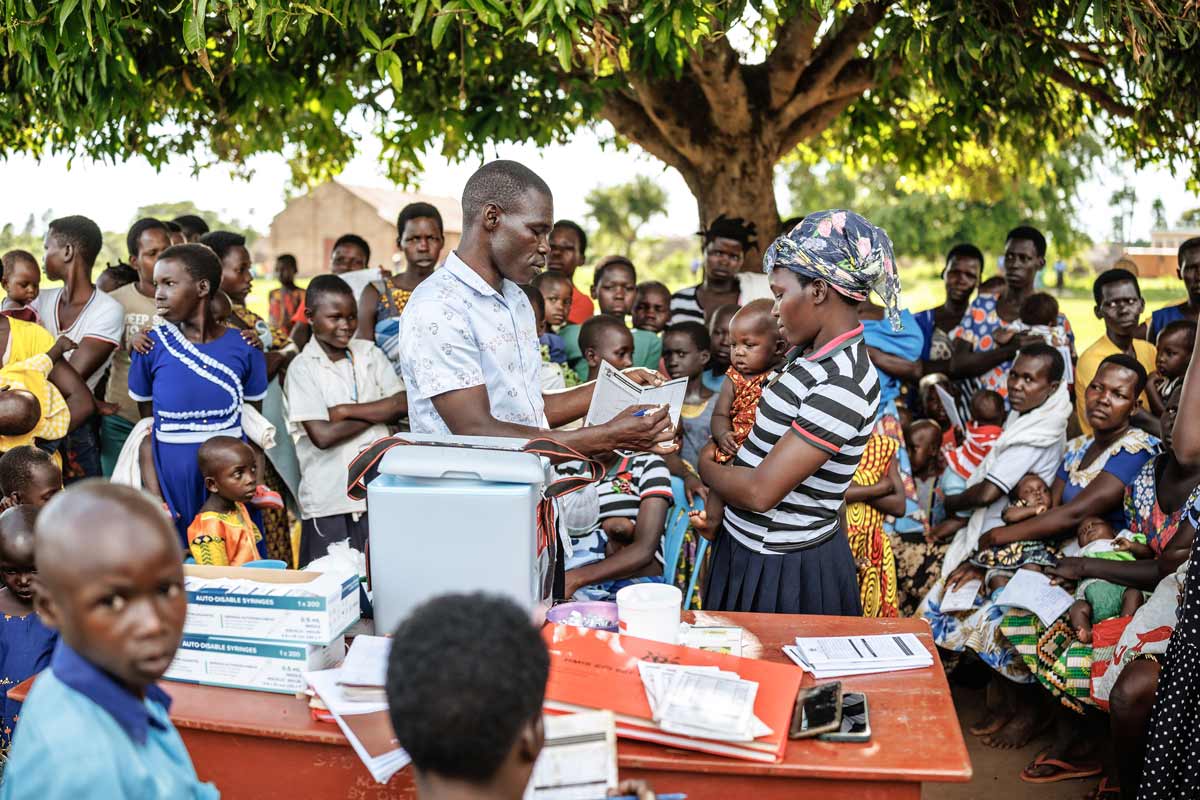
Today, the international community faces a far more complex landscape. Climate change, conflict, humanitarian crises, displacement, economic pressures and emerging infectious diseases are creating overlapping risks that threaten both development and global health security. At the same time, governments are debating reforms to the United Nations system and the global health architecture to make multilateral institutions more effective, coordinated, country-responsive and financially sustainable.
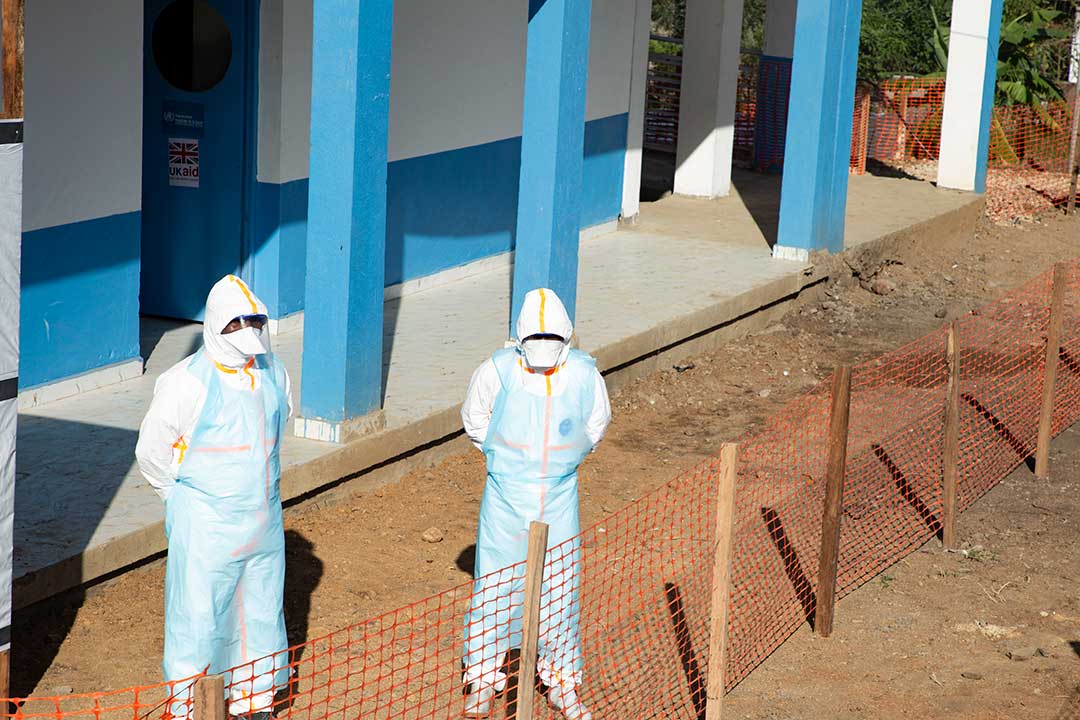
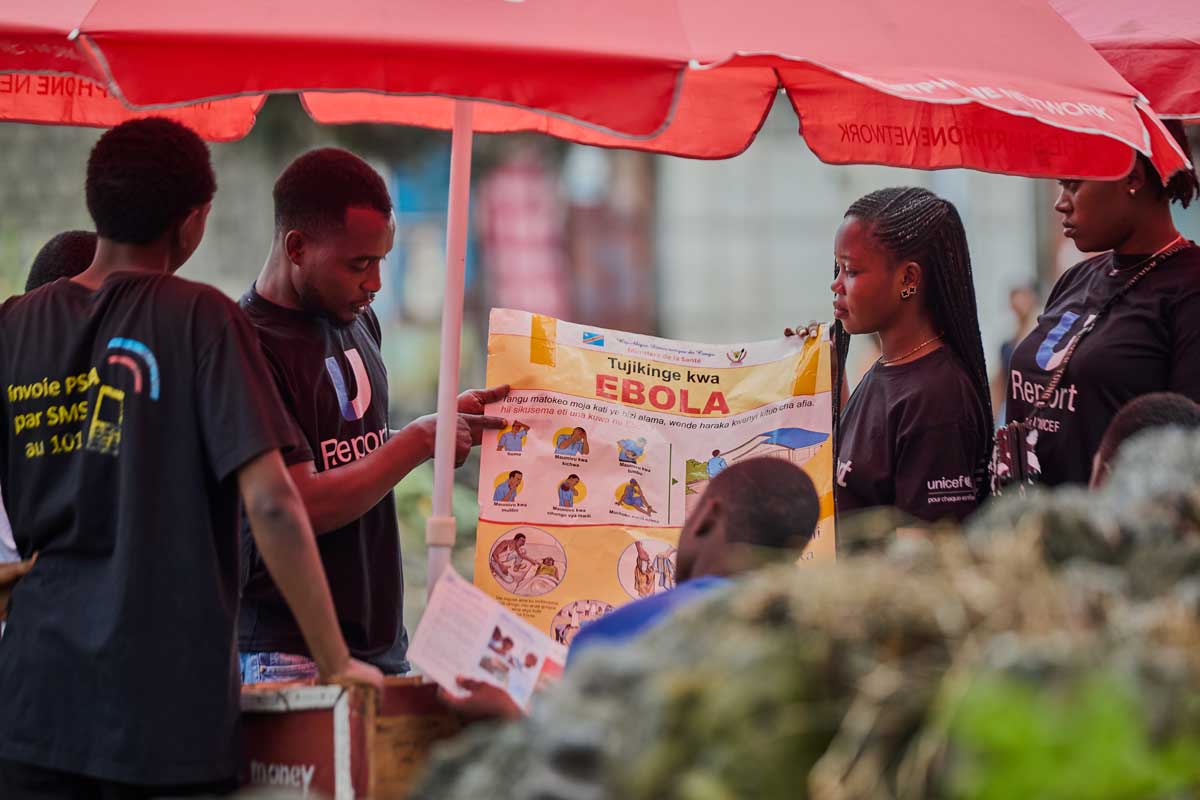
As if those challenges were not enough, the ongoing Ebola outbreak is a stark reminder that epidemic threats do not occur in isolation. Fragility, conflict, climate pressures and weak health systems can compound outbreak risks and accelerate their spread.
These interconnected challenges underscore the need for a global health architecture that can not only respond to crises, but also prevent them through resilient national systems, integrated service delivery, and coordinated international action.
Global reform must be grounded in country reality
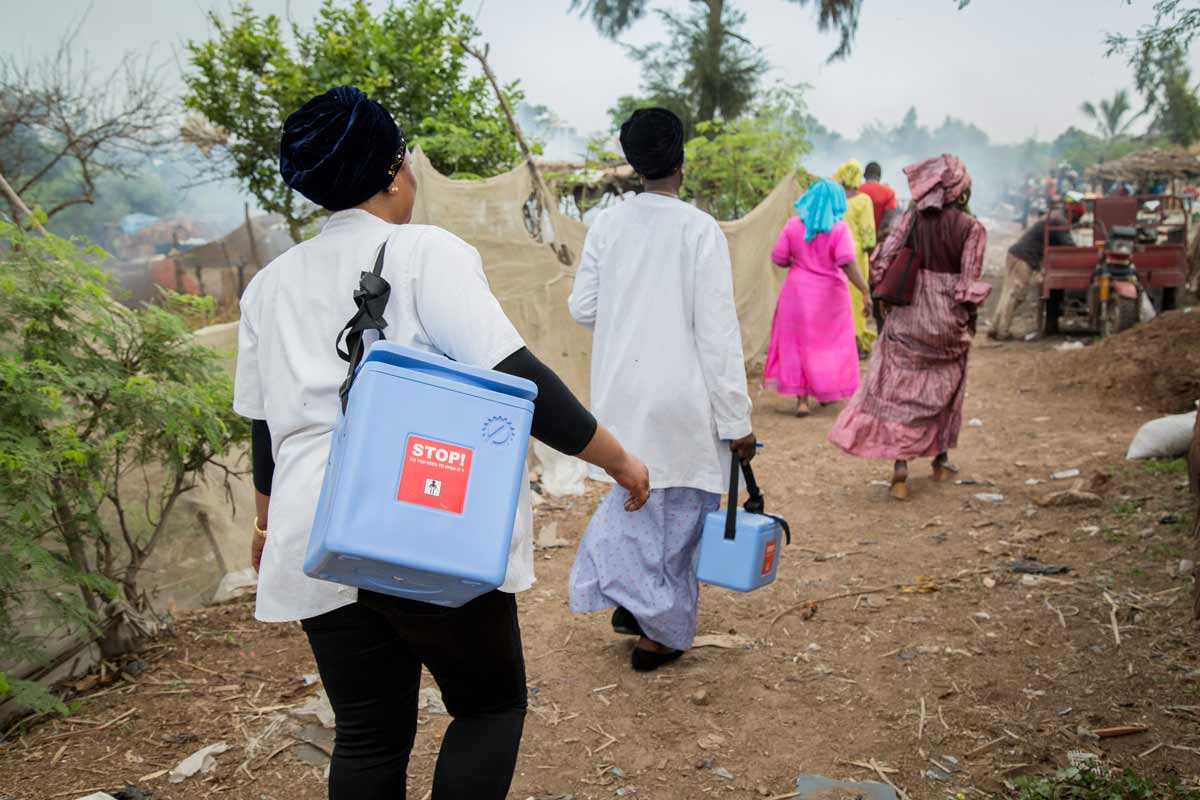
Much of the debate on global health architecture reform focuses on functions, institutions and structures. These discussions are important, but they can overlook a fundamental reality: the vast majority of global health financing is deployed at the country level, where programmes are implemented and outcomes are achieved.
If reform fails to reduce duplication, strengthen national systems, and ease the burden on frontline health workers, it has missed its purpose. Lasting change requires a shift from institution-centric reform to last-mile integration, with countries leading priority-setting and implementation, while partners align around national systems, data, and delivery mechanisms rather than establishing parallel processes that fragment efforts and stretch scarce capacity.
The costs of fragmentation are significant. Duplicative reporting requirements, parallel delivery platforms, and separate monitoring systems absorb resources that could otherwise be invested in expanding coverage and strengthening health systems. Most importantly, they take time away from frontline health workers, who should be focused on delivering care.
Gavi's contribution to a reformed health architecture

Gavi, the Vaccine Alliance, has applied lessons from successive epidemics to strengthen preparedness and response while advancing broader reforms in the global health architecture. Recognising that the earliest days of an outbreak are often the most critical, Gavi has established innovative mechanisms such as the Day Zero Financing Facility, including the US$ 500 million First Response Fund, to help vulnerable countries access rapid financing and support when health emergencies emerge.
At the same time, through the African Vaccine Manufacturing Accelerator (AVMA), Gavi is helping expand regional vaccine manufacturing capacity, strengthen health sovereignty, and build a more reliable and diversified vaccine supply for both routine immunisation and emergency response.
Yet Gavi's most significant contribution to the reform agenda may be its focus on last-mile integration. Through Gavi Leap, the Alliance is testing a new operating model that places country leadership at the centre while reducing administrative burden and increasing alignment across partners. The initiative embeds integration into grant design, reporting requirements, health systems investments, and partner engagement, helping countries strengthen delivery through their own systems rather than through parallel structures.
A new vision for pandemic preparedness
The second UN High-Level Meeting on PPPR offers a critical opportunity to advance this vision. At a time of strained international cooperation and competing priorities, few global public goods are more important than an effective pandemic prevention, preparedness and response ecosystem. Yet effectiveness requires more than technical capacity or additional financing. It requires an architecture grounded in focused mandates and country ownership, but also in integrated delivery.
The future global health architecture should therefore be more country-led, more coordinated, more focused on core functions and more financially sustainable. It should leverage the comparative advantages of different institutions while reducing duplication and fragmentation. Most importantly, it should recognise that global reform succeeds only when it translates into tangible improvements at the last mile.
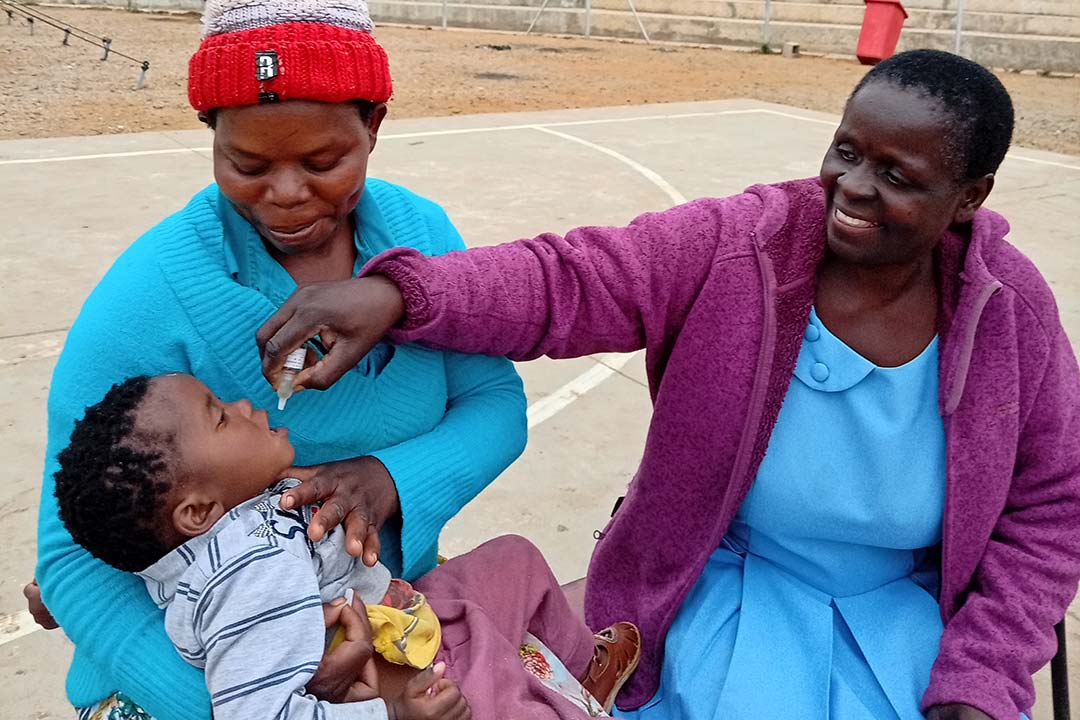
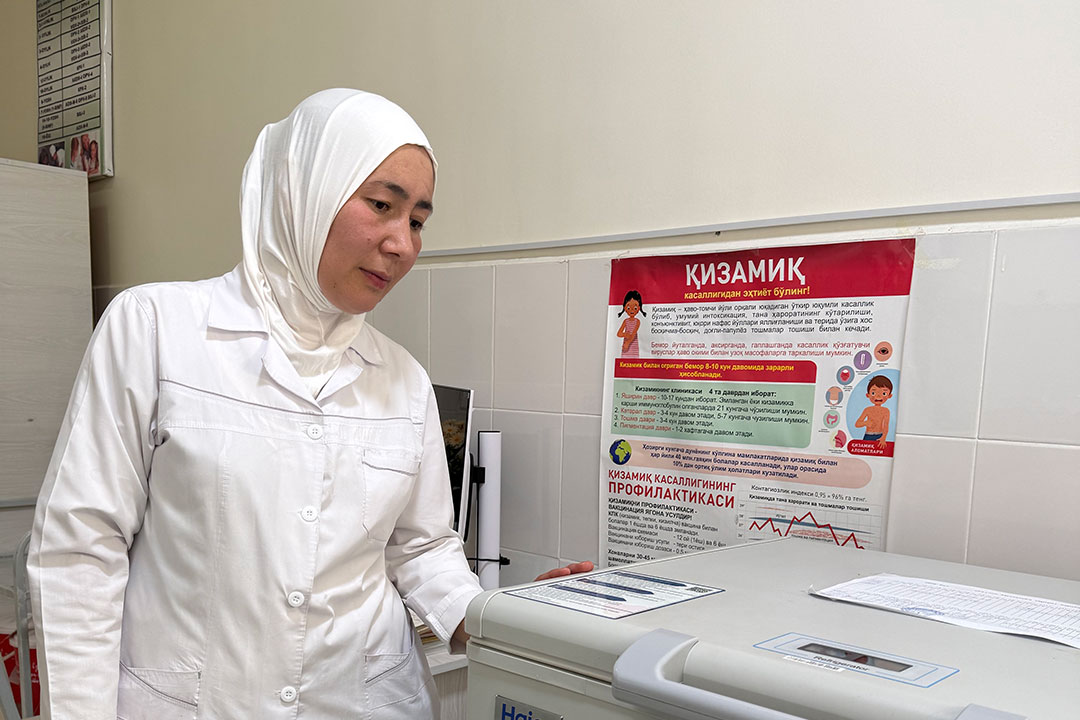
Because pandemic preparedness is not built only through international agreements, financing facilities, or global governance forums. It is built through the health workers who deliver services, the systems that connect programmes, the supply chains that ensure availability, the data platforms that detect threats, and the communities that place trust in health systems. It is built at the last mile, and that is where the focus of any global health reform must be placed.
81st UN General Assembly High-level Messages
Gavi’s key recommendations for UNGA81 deliberations
Reform of the Global Health Architecture
- Anchor reform at the country level and measure success by impact on service delivery. Global health architecture reform should focus on strengthening national systems, improving service delivery, and supporting frontline health workers. Governments should remain at the centre of priority-setting and implementation, with global institutions aligning behind national plans, systems, and objectives.
- Prioritise last-mile integration. Global health partners should support national systems, data platforms, workforce strategies, and delivery mechanisms rather than create parallel processes and structures. Greater integration at the country level will improve efficiency, strengthen accountability, and translate investments into better health outcomes.
- Reduce duplication and administrative burdens on countries. Multilateral institutions, donors, and financing mechanisms should streamline reporting requirements, monitoring frameworks, and operational processes. Reducing duplication would free resources and capacity that can be redirected toward service delivery, preparedness, and health system strengthening.
Pandemic Prevention, Preparedness and Response
- Support financing mechanisms that enable rapid action during health emergencies. Expand and sustain financing models that provide timely, flexible, at-risk financing during outbreaks, including surge financing mechanisms such as Gavi’s First Response Fund, while mobilising blended finance that brings together domestic and international resources.
- Strengthen local and regional manufacturing capacity. Make long-term investments in manufacturing ecosystems to expand sustainable production of vaccines, diagnostics, and therapeutics, building on existing initiatives and partnerships such as the African Vaccine Manufacturing Accelerator (AVMA).
- Deliver on the commitments of the Pandemic Agreement. Conclude negotiations on the Pathogen Access and Benefit-Sharing (PABS) system and operationalise commitments under the Pandemic Agreement to ensure equitable and timely access to vaccines, diagnostics, and therapeutics during public health emergencies.