
A Group B strep vaccine could save thousands of lives. But countries need to prepare now
What will it take to introduce a vaccine against one of the biggest killers of newborn babies?
- 14 July 2026
- 8 min read
- by Linda Geddes

At a glance
- After decades of research, two vaccine candidates against Group B streptococcus (GBS) are in late-stage clinical trials, with several others in earlier stages of development and testing.
- Because serious GBS infections in newborns are relatively rare and can be difficult to diagnose, global health organisations, regulatory and policy partners are pursuing an alternative approval pathway based on immune correlates of efficacy, rather than measuring whether babies develop GBS disease.
- Meanwhile, global health organisations are working with countries to prepare health systems for the introduction of maternal GBS vaccines, helping to speed introduction when a vaccine is licensed.
Group B streptococcus is one of the biggest killers of newborns worldwide. After years of research, vaccines that could protect infants are progressing through clinical trials.
Here’s what they could mean for infant health.
What is Group B streptococcus?
Streptococcus agalactiae or Group B streptococcus (GBS) is a bacterium that usually co-exists harmlessly inside us, including in around one in five pregnant people.
It can be passed from mother to baby during pregnancy or childbirth, although babies can also acquire it after birth.
In some newborns it can cause life-threatening infections such as sepsis, meningitis or pneumonia. Babies who survive may be left with lifelong disabilities including hearing loss, blindness and developmental impairments. GBS infection during pregnancy can also increase the risk of preterm birth and stillbirth.
In 2020, an estimated 20 million pregnant people worldwide carried GBS, resulting in around 393,000 cases of invasive GBS disease in infants, up to 91,000 infant deaths, 46,000 stillbirths and more than half a million preterm births.
More than half of all invasive GBS cases (54%) and almost two-thirds of infant deaths (65%) occur in sub-Saharan Africa.
A GBS vaccine could protect babies during pregnancy, the first week and early months of life, when an estimated 400,000 infections occur globally each year, said Prof Ziyaad Dangor, Research Director of the Vaccines and Infectious Diseases Analytical (VIDA) Research Unit in Johannesburg, South Africa.
Have you read?
“It could also reduce the burden of GBS-associated stillbirths, which account for 1–5% of the 1.9 million stillbirths that occur globally and may also reduce the risk of GBS- associated premature deliveries,” said Professor Dangor.
“The mortality rate for GBS is higher in low- and middle-income countries and a vaccine would help reduce this [inequity]. It could also reduce the possible neurological abnormalities that can occur in 20–40% of survivors.”
How close are we to a GBS vaccine?
Scientists have been trying to develop a vaccine against GBS for decades, but this hasn’t been straightforward.
One challenge is that there are ten different varieties or ‘serotypes’ of the bacterium, and immunity to one doesn’t usually protect against the others. This means that a vaccine must either contain components from multiple serotypes or target proteins they all share.
Although Gavi has not yet committed to financing GBS vaccines, it is currently supporting countries in preparing for the introduction of maternal RSV vaccines.
Despite these challenges, two vaccine candidates have now progressed to late-stage clinical trials.
Both are designed to be given to mothers during the second or early third trimester of pregnancy, with the aim of generating antibodies that cross the placenta and protect the foetus before birth and the newborn during the first few months of life, when they are most vulnerable to severe GBS disease.
The first is a multivalent conjugate vaccine called GBS6. Developed by Pfizer, it targets the six GBS serotypes responsible for the vast majority of severe disease worldwide.
A phase 3 trial, which began in August 2025, is evaluating a single dose given during pregnancy in thousands of participants across multiple countries, with results expected in early 2029.
The second, AlpN GBS, targets proteins found on the surface of many different GBS serotypes. Developed by the Danish biotech company MinervaX, it is designed to be given as two doses during pregnancy. A phase 3 trial is expected to begin in late 2026.
How are these vaccine candidates being tested?
Another challenge for vaccine developers is that serious GBS infections are relatively uncommon and can also be difficult to diagnose, particularly in low-resource settings.
“Although GBS is the most common cause of neonatal infection, invasive GBS disease still only affects around one baby per 1,000 live births in high burden settings,” said Prof Kirsty Le Doare, a vaccinologist at City St George’s University of London, who recently co-authored a paper on clinical and regulatory development strategies for maternal GBS vaccines.
Demonstrating that a vaccine protects against severe disease would require enrolling at least 60,000 pregnant women in high burden countries and could take a decade or more to complete.
Instead, the Gates Foundation has been working with the World Health Organization (WHO), regulators, policymakers, academics and manufacturers to develop an alternative approval pathway based on vaccine safety and immune responses.
Provided a vaccine has demonstrated a strong safety profile, the question becomes, “Is there an amount of antibody that the mother transfers to the baby that protects them from infection, and can the vaccine achieve that amount of antibody?” Le Doare said.
“If it does, then that becomes the correlate of protection, and you could potentially license based on that approach.”
To establish these protective antibody levels, researchers have spent years comparing antibody concentrations in babies who developed GBS disease with those in healthy babies.
If Phase 3 trials show that vaccination induces antibody levels that meet or exceed these thresholds, regulators may accept this as evidence that the vaccine is likely to protect newborns.
Further real-world studies would still be needed to confirm that vaccinated mothers and their babies experience the expected reductions in GBS disease, but these would occur after a vaccine was licensed.
Ongoing surveillance would also be essential to continue to monitor safety and validate the antibody thresholds used for approval.
How easy would it be to introduce maternal GBS vaccination programmes?
Even if a GBS vaccine is licensed, introducing it into routine pregnancy care will require antenatal care platforms to be strengthened.
Currently, tetanus is the only maternal vaccine in widespread use in many low-income countries. However others are coming, including the recently WHO-prequalified maternal respiratory syncytial virus (RSV) vaccine. One challenge is the practicalities of delivering multiple vaccines during pregnancy. “I am concerned about needle burden,” said Dr Hellen Barsosio at the Kenya Medical Research Institute, co-leader of the Maternal Immunisation Readiness Network in Africa & Asia (MIRNA), which is helping countries to prepare for new maternal vaccines and strengthen the systems needed for their safe and equitable delivery.
“As we are loading more and more vaccines into the antenatal platform, are people just going to stop coming, because there are too many jabs?”
As more maternal vaccines become available, programmes and regulators will need to consider how many injections women are willing to receive at a single antenatal visit, and whether vaccines can be safely co-administered or even combined in future.
Funding is another challenge, not only to procure vaccine doses, but also to strengthen the antenatal services needed to deliver them.
Although Gavi has not yet committed to financing GBS vaccines, it is currently supporting countries in preparing for the introduction of maternal RSV vaccines.
“These efforts are expected to strengthen the systems, policies and delivery platforms needed for maternal immunisation, helping ensure that countries are also well positioned to introduce maternal GBS vaccines as soon as they become available,” said Ignacio Esteban, Senior Manager in Gavi’s Policy team.
In its Vaccine Investment Strategy (VIS) 2024, Gavi Board has also granted in-principal approval for future investment in a maternal GBS vaccine.
This could mean that, once a maternal GBS vaccine is licensed and recommended by the WHO, and funding is available, Gavi should be able to support countries with vaccine introduction.
Successful introduction will also depend on building confidence among health workers, pregnant women and household decision-makers.
Surveys conducted through MIRNA in nine African and Asian countries found that 90–95% of pregnant women said they would be willing to receive a maternal vaccine. “The biggest driver was they wanted to protect their babies from disease,” said Barsosio.
However, studies conducted in Kenya and elsewhere, have also indicated that women’s decisions are often strongly influenced by recommendations from trusted healthcare providers.
“That tells us that as we prepare for the introduction of GBS vaccines, we need to start introducing them into our nursing and medical school curriculums, so by the time those doctors and nurses are in practice, they are giving women the right information,” Barsosio said.
What work is underway to lay the foundations for GBS vaccine roll-out?
Successful maternal vaccine introduction requires years of preparation.
“Countries need evidence on disease burden and cost-effectiveness, health systems capable of delivering vaccines through antenatal care services, and healthcare workers, pregnant women and communities who are informed and confident about vaccination,” said Prof Michelle Groome, Principal Researcher at VIDA and co-leader of MIRNA.
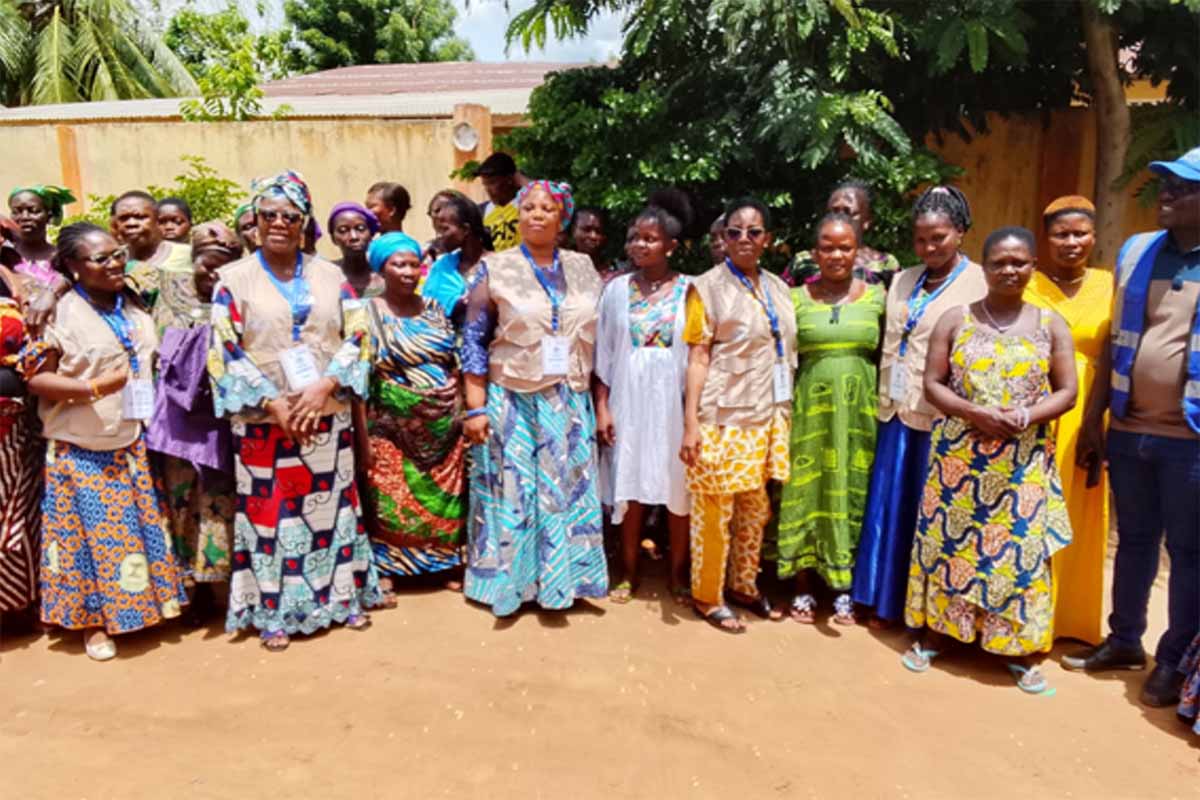
To help achieve this, MIRNA is working across the countries it supports to help generate disease burden and economic data, assess health-system readiness and vaccine demand, develop readiness assessment tools and engage policymakers.
“This work will support countries so that they can introduce maternal GBS vaccines rapidly and effectively once they become available,” Groome said.
She added that preparations for introducing maternal RSV vaccines are already helping to lay the groundwork for future GBS vaccination.
“Maternal RSV vaccine introduction efforts are helping countries prepare for pipeline maternal vaccines such as GBS, while readiness assessments are already being designed to support both RSV and GBS vaccine implementation,” said Groome.
“The lessons learned from the RSV vaccine roll-out will accelerate the adoption of GBS and other maternal vaccines when they become available.”
More from Linda Geddes