
What really happens inside an Ebola treatment centre?
Ebola treatment centres are often shrouded in fear and misunderstanding. We asked a doctor who recently worked in the DRC what life inside them is really like.
- 17 July 2026
- 10 min read
- by Linda Geddes
Just a decade ago Ebola was seen as a disease without a cure. Today, getting to a treatment centre early could make the difference between life and death.
To find out what happens inside these centres, VaccinesWork spoke to Dr Gabriel Muhehe Tshiwisa, a medical doctor and head of the emergency department at the Alliance for International Medical Action (ALIMA), which provides healthcare to populations facing health crises, epidemics or natural disasters.
He recently returned from Bunia, in the Democratic Republic of Congo, where he spent almost two months supporting the Ebola outbreak response there.
Imagine I arrive at an Ebola treatment centre because doctors suspect I might have the virus. What happens to me during the first hours and days?
The first priority is to assess your condition and stabilise you.
On arrival, the reception team will first check whether the symptoms are compatible with Ebola and will admit you to the Ebola treatment centre (ETC). They will assess your symptoms, vital signs, hydration status and any emergency medical needs.
Because Ebola can resemble many other diseases, such as malaria or typhoid, a blood sample will be taken to test for the virus.
While waiting for the result, you will stay in a dedicated area for suspected cases, separated from patients with confirmed ebolavirus disease to reduce the risk of transmission.
The medical team will begin treatment immediately based on your symptoms – you do not have to wait for the test result before receiving care.
In addition, teams of psychologists are on site at the ETC to provide psychosocial support, because Ebola causes panic for families and especially for the patient, who is afraid of dying.
What treatment and care will I receive while I’m waiting for my test results, and how will this change if Ebola is confirmed?
Even before confirmation, we treat the illness seriously.
Patients receive fluids to prevent dehydration, medicines to reduce fever, pain and nausea, treatment for diarrhoea, and oxygen or other supportive measures if needed. We also test and treat for other diseases that are common in the area, such as malaria.
If Ebola is confirmed, treatment becomes more targeted.
In addition to intensive supportive care, eligible patients receive approved Ebola-specific therapies where available. Treatment is primarily symptomatic, and all complications are managed promptly.
In addition, broad-spectrum antibiotics may be administered. Hypoglycaemia (low blood sugar) is managed with intravenous glucose (glucose delivered through a drip into a vein), along with strict blood glucose monitoring.
For the Bundibugyo ebolavirus, there is no specific antiviral treatment.
Management therefore relies on symptomatic treatment combined with rigorous monitoring to detect complications and treat them in a timely manner, paying close attention to hydration, electrolyte balance, kidney function and any complications that may develop.
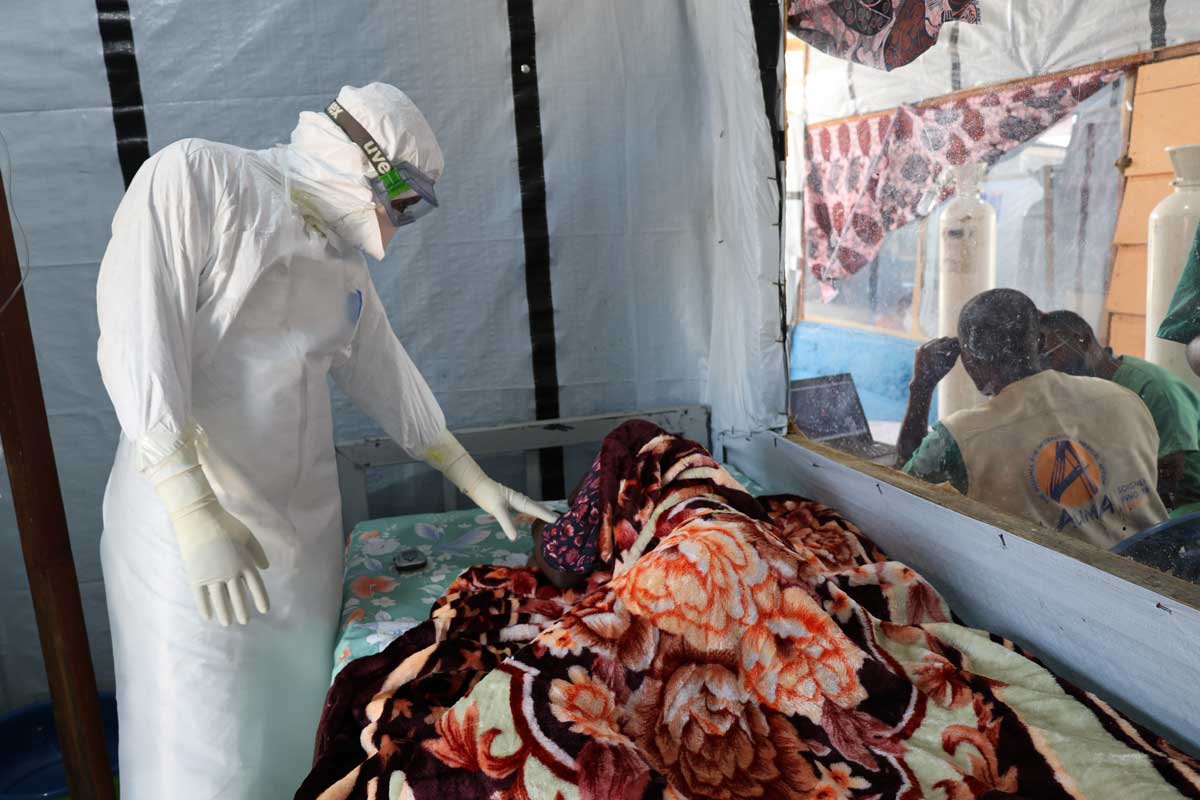
If you are seriously ill with many complications – whether Ebola infection is confirmed or suspected – you will be placed in a biosecure emergency isolation room for epidemics or CUBE (Chambre d’Urgence Biosécurisée pour Épidémies).
This is a transparent device that allows continuous monitoring and care without healthcare staff needing full personal protective equipment (PPE). There you will benefit from ongoing intensive care provided by our critical care team.
Many people assume there’s little doctors can do for someone with Ebola. What does ‘supportive care’ involve in practice, and how has it evolved over the past decade?
Over the past decade, Ebola care has changed dramatically. Treatment centres now provide much more advanced medical care than during earlier outbreaks, and approved antiviral therapies are available for some ebolavirus species.
Combined with earlier diagnosis and better supportive care, survival has improved substantially compared with previous outbreaks. While outcomes still depend on many factors, Ebola is no longer considered untreatable.
Supportive care is much more than keeping patients comfortable: care has been optimised through an integrated approach to save patients’ lives.
It means replacing the large amounts of fluids patients lose, correcting electrolyte imbalances, maintaining blood pressure and oxygen levels, managing pain and fever, treating secondary infections, providing nutritional support, and closely monitoring for complications so they can be addressed quickly.
Ebola treatment centres also now routinely integrate biomedical equipment for proper patient monitoring, including multiparameter monitors, pulse oximeters and portable ultrasound.
The introduction of the CUBE revolutionised the entire Ebola care protocol, and special emphasis was placed on training practitioners in optimal Ebola care management.
Ongoing studies have enabled the introduction of effective experimental drugs that significantly reduce mortality. For the Bundibugyo virus, ALIMA and its partners are testing new molecules.
Why is it so important for people with suspected Ebola to seek treatment early, and how much difference can those first hours or days make?
Most recorded Ebola deaths have involved patients who arrived late, after complications had developed. It is often difficult to save them. In contrast, patients who are seen early have a better chance of recovery, and most of those declared cured arrived for treatment early.
Patients often lose large volumes of fluid very quickly; replacing them before severe dehydration and organ damage develop gives the body a much better chance of fighting the infection.
Coming early also allows patients to receive Ebola-specific treatments sooner, when appropriate, which can improve their chances of recovery.
Over the past decade, Ebola care has changed dramatically. Treatment centres now provide much more advanced medical care than during earlier outbreaks, and approved antiviral therapies are available for some ebolavirus species.
Just as importantly, seeking treatment early helps to prevent the virus from spreading to others. Before reaching a treatment centre, patients are often cared for at home or visit several health facilities while seeking care, which can expose family members, caregivers, other patients and healthcare workers to the infection.
Early diagnosis and isolation protect both loved ones and the wider community while ensuring the patient receives the right care as soon as possible.
Can you share a patient story that illustrates what early Ebola treatment can achieve?
A 36-year-old man was admitted to the Rwampara Ebola treatment centre in Bunia, DRC, on June 10 with acute breathing difficulties. His symptoms included a fever, dry cough, chest pain and fatigue.
On examination, he was struggling to breathe, had a fever of 38.6°C and his blood oxygen saturation was 82% (well below the normal range) so he required oxygen therapy. Tests confirmed infection with the Bundibugyo ebolavirus. The patient also developed severe malaria.
He was treated with oxygen, intravenous antibiotics and other treatments to address his symptoms. Although these worsened during his hospitalisation, early treatment led to a gradual improvement in his condition.
On June 30, after a negative PCR test, he was declared cured. This case highlights the importance of early intervention in the treatment of severe infections.
What symptoms are patients usually struggling with when they arrive, and what aspects of care make the biggest difference to how patients feel?
Many patients arrive with a high fever, severe fatigue and profound weakness, muscle and joint pain, severe body aches, headache, abdominal pain, vomiting and diarrhoea. They are often dehydrated and suffering from electrolyte imbalance.
As the disease progresses, around 30–50% of patients develop bleeding complications, such as tiny spots under the skin (petechiae), bleeding from injection or puncture sites, bruising (ecchymosis) and bleeding into the gastrointestinal tract.
In later stages, patients may become confused, experience seizures and develop multi-organ failure.
Whenever possible, treatment centres help patients communicate with their families through mobile phones, video calls, or supervised visits from safe observation areas.
The biggest improvements often come from oral rehydration solutions, analgesics against pain, anti-anxiety medication, anticonvulsants for seizures, controlling nausea and vomiting, reducing fever, and helping patients eat and drink as soon as they are able, with nutritional support when necessary.
Small improvements in comfort can make a tremendous difference to how patients feel, and to their recovery.
Some people fear that if they enter an Ebola treatment centre they'll never see or speak to their loved ones again. Why is isolation necessary, and how do you help families stay connected while someone is receiving treatment?
Isolation protects everyone. Ebola spreads through direct contact with the bodily fluids of someone who is ill, so separating infected patients is essential to prevent further transmission.
Patients with suspected Ebola are cared for separately from those with confirmed infection to reduce the risk of cross-transmission while test results are pending.
Modern treatment centres are also designed to make isolation as humane as possible.
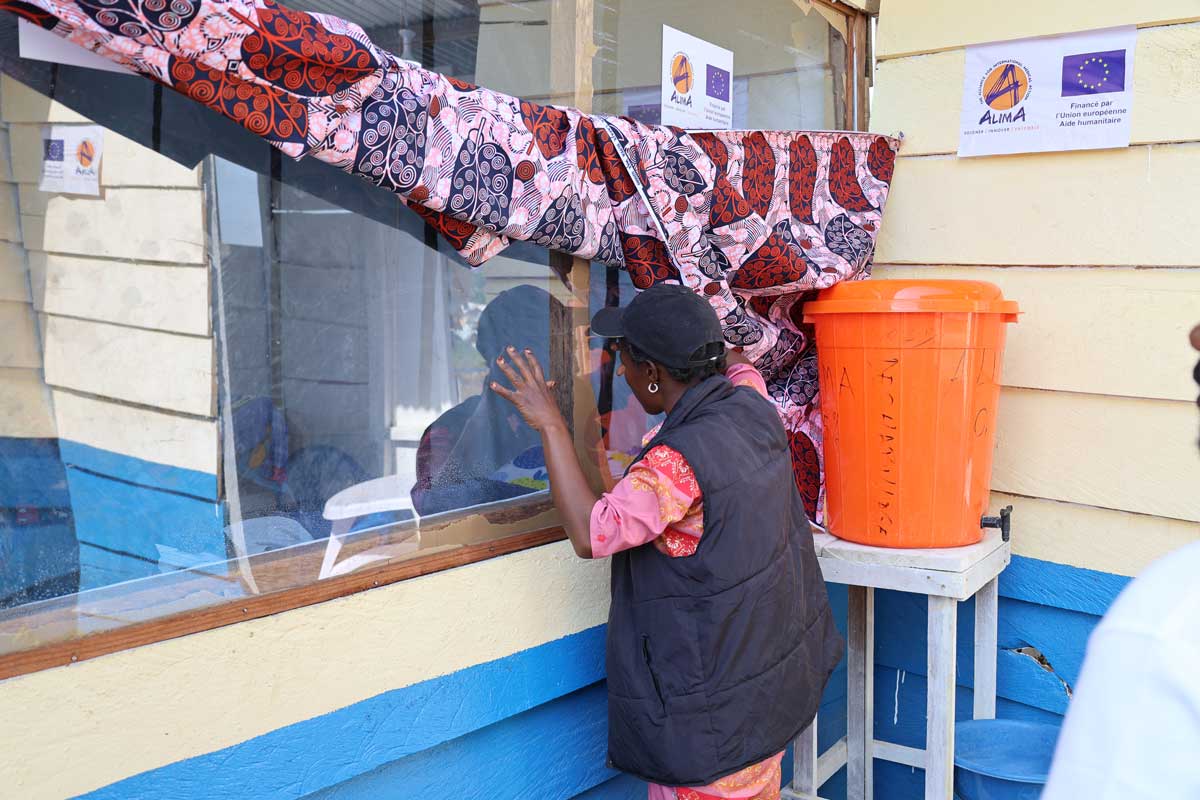
Many use transparent Plexiglass walls or large viewing panels between patient areas and staff workstations. This allows healthcare workers to continuously observe patients, communicate with them, and respond quickly if someone needs help, while reducing unnecessary entry into high-risk areas.
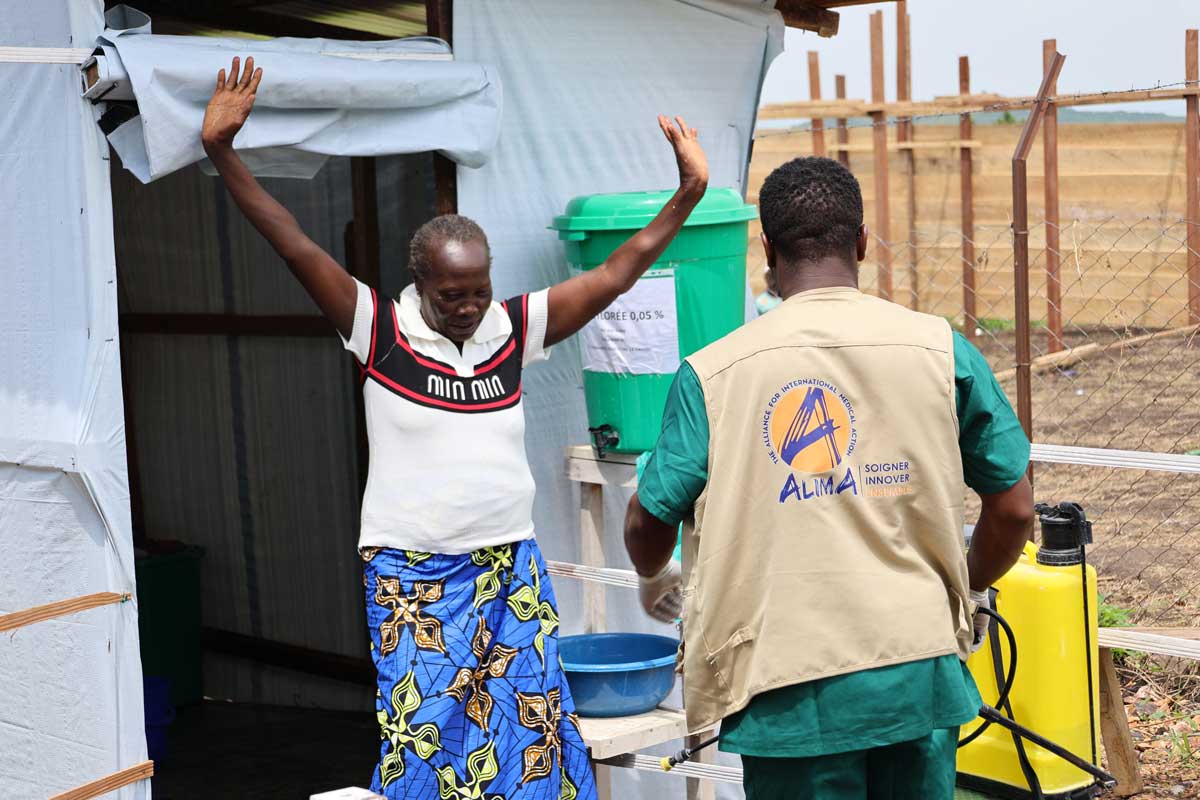
However, isolation should never mean emotional isolation. Whenever possible, treatment centres help patients communicate with their families through mobile phones, video calls, or supervised visits from safe observation areas.
Staff also provide regular updates to families and offer psychosocial support throughout the patient’s stay, helping patients remain connected to their loved ones during a difficult time.
What are the first signs a patient is starting to recover? What happens from that point until they’re well enough to leave the treatment centre?
The first encouraging signs are usually that the fever settles, vomiting and diarrhoea decrease, appetite returns and the patient begins to regain strength and energy.
Recovery is often gradual. Two consecutive negative Ebola PCR tests are required to declare a patient cured, but Ebola survivors must continue to be medically monitored for a period.
Patients continue to receive nutritional support, rehabilitation and close monitoring until they are clinically stable.
Before discharge, they receive counselling about ongoing recovery, follow-up care and any precautions they should take after leaving the treatment centre.
If, despite treatment, a patient dies, what happens next? How do you support the family, and how are safe and dignified burials carried out today?
We care for both patients and families with dignity and respect. If a patient dies, the body is disinfected with a chlorine solution before being placed in a body bag. A specialised team then collects the body for a dignified and safe burial.
Families are kept informed throughout the process and offered emotional support and counselling.
Seeking care is an act of courage, not fear. By coming early, you are giving yourself the best possible chance of recovery while also helping protect your family, your community and the healthcare workers caring for you.
Because ebolavirus can still be transmitted after death, burials must be conducted safely. Today’s burial practices are designed to balance infection prevention with cultural and religious traditions as much as possible.
Families are involved whenever it can be done safely, while preserving dignity and protecting communities from further transmission.
People often imagine Ebola Treatment Centres as frightening places. From a patient’s perspective, what is a typical day like? What do they see, hear and experience, and what do you think would surprise most people?
Seeing healthcare workers dressed in full protective equipment (PPE) can seem intimidating at first. But the treatment centre design implemented by ALIMA in Rwampara, for example, allows constant interaction between patients and healthcare workers through transparent plexiglass.
Unlike when they are wearing full PPE, patients can often see the faces of healthcare workers, which plays an important role in their mental health and trust towards healthcare workers. Patients also receive regular medical assessments, medications, meals, fluids and encouragement throughout the day.
What often surprises people is how much personal interaction still takes place despite the protective equipment.
Healthcare teams make a conscious effort to talk with patients, to explain every procedure, provide reassurance and offer psychological support.
Patients are not simply isolated – they are actively cared for by teams committed to helping them recover.
Finally, what would you say to someone who develops symptoms that could be Ebola but is frightened to seek medical care?
I understand that fear. However, effective treatments are increasingly available, so it is possible to recover from Ebola. It is not a death sentence.
Seeking care early gives you the best chance of recovery and helps protect the people you love.
Today’s Ebola treatment centres offer much more than isolation. They provide rapid diagnosis, intensive medical care, treatments that were not available during earlier outbreaks and compassionate support throughout the illness.
The sooner you come, the sooner we can help you – and the better your chances of recovering safely.
I would also say this: not every person with fever or Ebola-like symptoms actually has Ebola. Many illnesses, such as malaria or typhoid, can cause similar symptoms.
Coming to a treatment centre means you'll receive a rapid diagnosis and the right treatment, whatever the cause of your illness.
Seeking care is an act of courage, not fear. By coming early, you are giving yourself the best possible chance of recovery while also helping protect your family, your community and the healthcare workers caring for you.
Our goal is simple: to care for every patient with dignity, compassion and the best medical treatment available.
Dr Gabriel Muhehe Tshiwisa is Medical Referent for ALIMA’s Emergencies and Openings Department.