
The heart of the machine: people are the secret ingredient of a high-functioning cold chain
We think of the cold chain as hardware: the network of fridges, tools, spare parts and cold-boxes that keep our vaccines safe. But it’s human minds and hands that keep them working.
- 30 March 2026
- 5 min read
- by JSI

The most sophisticated cold chain is merely a silent collection of metal boxes. Without a skilled workforce to operate it, vaccines don’t become vaccinations, and don’t save lives from preventable illness.
JSI spent the last year working closely with the Ethiopian Pharmaceutical Supply Service (EPSS) to ensure that when a piece of cold chain equipment breaks – or better yet, before it has the chance to – there is a skilled, empowered team ready to jump into action. Here’s what we learned:
Mapping the “how”and the “who” is critical
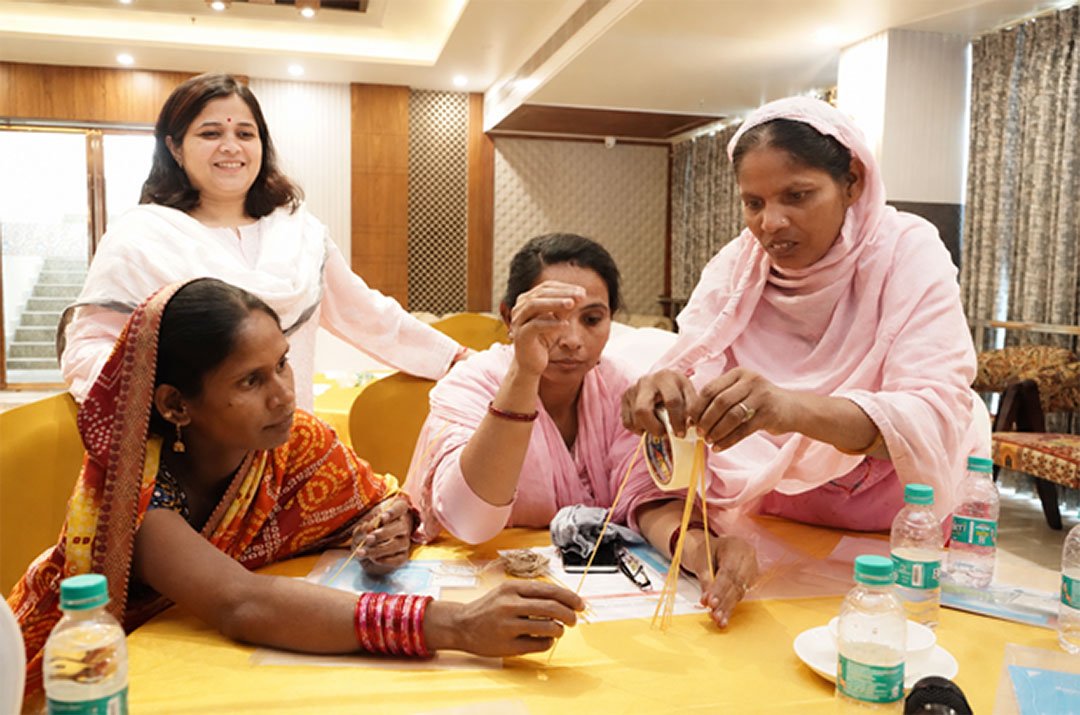
Every region in Ethiopia handles its equipment maintenance a little differently. To find the best way forward, JSI worked with the EPSS team to trace the maintenance and repair processes for cold chains, identifying reporting flows, decision points, responsibilities and the pain points along the way. Future updates to this “map” will be able to identify process improvements made, and point the way to potential adjustments for greater efficiency.
To date, over 100 professionals have gone through this programme. They’ve returned to their regions not just as repairmen and women, but as managers who know how to perform preventative maintenance – the art of fixing a problem before it actually becomes one.
Along the way we spotted two vital things. First, some regions had developed brilliant workarounds for keeping things moving that were important to share with everyone. Second, there were spots where the process was consistently getting stuck, and those tended to have something to do with how spare parts were managed, and how maintenance and repair were being prioritised.
Updating EPSS job descriptions to ensure daily tasks actually match the reality of the work of a maintenance technician, while also updating government standard operating procedures, helped to build a clear government roadmap of the talent the health system had. This exercise also helped highlight the skills the system lacked in the maintenance of its cold chain.
"The prepared job descriptions for cold chain technicians have been a milestone in clarifying our roles and career paths, which has greatly motivated us. Salary adjustments for the workforce will now be aligned with these defined roles and responsibilities, to be fully implemented once approved by leadership: an important step that was not previously in place. The job descriptions and workflows have also supported management in tracking and following our day-to-day tasks, and ensuring accountability and recognition of each technician’s contribution."
– Tegene Zeleke, Cold Chain Management Focal at the EPSS Centre
Learning should be regular and hands-on
Technology moves fast. A vaccine fridge today is much more advanced than one from 20 years ago. To keep up, the training curriculum for mid-level professionals had to be overhauled.
Because interactive training builds skills far better than manual-reading, JSI and EPSS developed a seven-day blended training programme that included three days of theory (learning the “why” behind the technology), and four days of practice. This was a chance to get to grips with the “how”. In hands-on sessions, technicians practised installation and repairs, and learned from each other.
Have you read?
To date, over 100 professionals have gone through this programme. They’ve returned to their regions not just as repairmen and women, but as managers who know how to perform preventative maintenance – the art of fixing a problem before it actually becomes one.
Oman Flip, a biomedical engineer at Gambella Regional Health Bureau, spoke to us after he attended a seven-day mid-level cold chain equipment maintenance training course in Adama, in July-August 2025. Following the training, Flip had been able to successfully conduct corrective maintenance on 20 non-functional fridges – a task that previously would have required a team to be sent out from Addis Ababa.
The training, he said, has equipped him with new practical skills like brazing leakages, replacing relays and thermostats, and addressing serious equipment failures. Getting hands on experience in collecting and analysing temperature data using Varo-Pogo LT has also helped him and his team make better-informed maintenance decisions in their work across the region.
Ownership is the ultimate goal
Strengthening a government system isn’t a quick fix: it’s a long-term commitment. By updating job roles and levelling up the skills of the workforce, the government has full ownership of truly strengthening its cold chain. When the people running the cold chain feel supported and skilled, the entire health system becomes more resilient. And that means more vaccines reaching the individuals who need them most.
How is Gavi helping?
JSI has been partnering with the Ethiopian Ministry of Health for more than three decades to strengthen routine immunisation. That work has taken many forms, including improving the quality of service experience, building up data systems and use, supporting new vaccine introductions and switches, reaching zero-dose children, and fine-tuning the supply chain.
For over eight years, support from Gavi has allowed JSI to be a key support for integrated delivery strategies, bringing primary health care, vaccination across the life course and health system strengthening together.
Most recently, through the current Gavi-funded project in Ethiopia, JSI has helped shore up the cold chain and its maintenance systems, bridging the gap between supply chain and service delivery.