
How community health workers are improving vaccine delivery in Africa
Grassroots health workers are uniquely positioned to boost the reach of preventive healthcare – but to do that, they need more support.
- 10 February 2026
- 7 min read
- by Mallika Raghavan , Rebecca Alban
While global vaccination rates have been on the rise, more than 14 million children remained unvaccinated in 2024, according to the World Health Organization (WHO). This means that while access is increasing for some communities, others are being left behind.
In low and middle-income countries, where the majority of zero-dose children reside, there can be immense barriers to vaccine access. When a family has limited resources, or their community is too far from the nearest health centre, it can be very difficult to maintain the recommended vaccine schedule. Additionally, misinformation can lead to vaccine hesitancy in some communities. Changing behaviours and opinions requires more than a single trip to a health facility – it requires consistent contact with a trusted, well-informed authority figure, such as a health worker.
Community health workers (CHWs) are uniquely positioned to overcome the challenges of access and trust in immunisation service delivery, bringing vaccines into reach for even the most remote communities. But to realise their full potential, we must elevate and expand the role of CHWs across the entire vaccine service delivery spectrum.
Why CHWs matter
CHWs are trusted members of the communities they serve[1],[2], which gives them the unique ability to influence community knowledge, perceptions and behaviours related to immunisation. Across multiple contexts, they have been proven to be both impactful[3] and cost-effective[4] in the delivery of health services and health information. In fact, CHWs can reduce system and patient costs, boost employment and deliver a return of up to US$ 10 for every US$ 1 invested.
Community health workers are uniquely positioned to overcome challenges of access and trust in immunisation service delivery. But to realise their full potential, we must elevate and expand their roles.
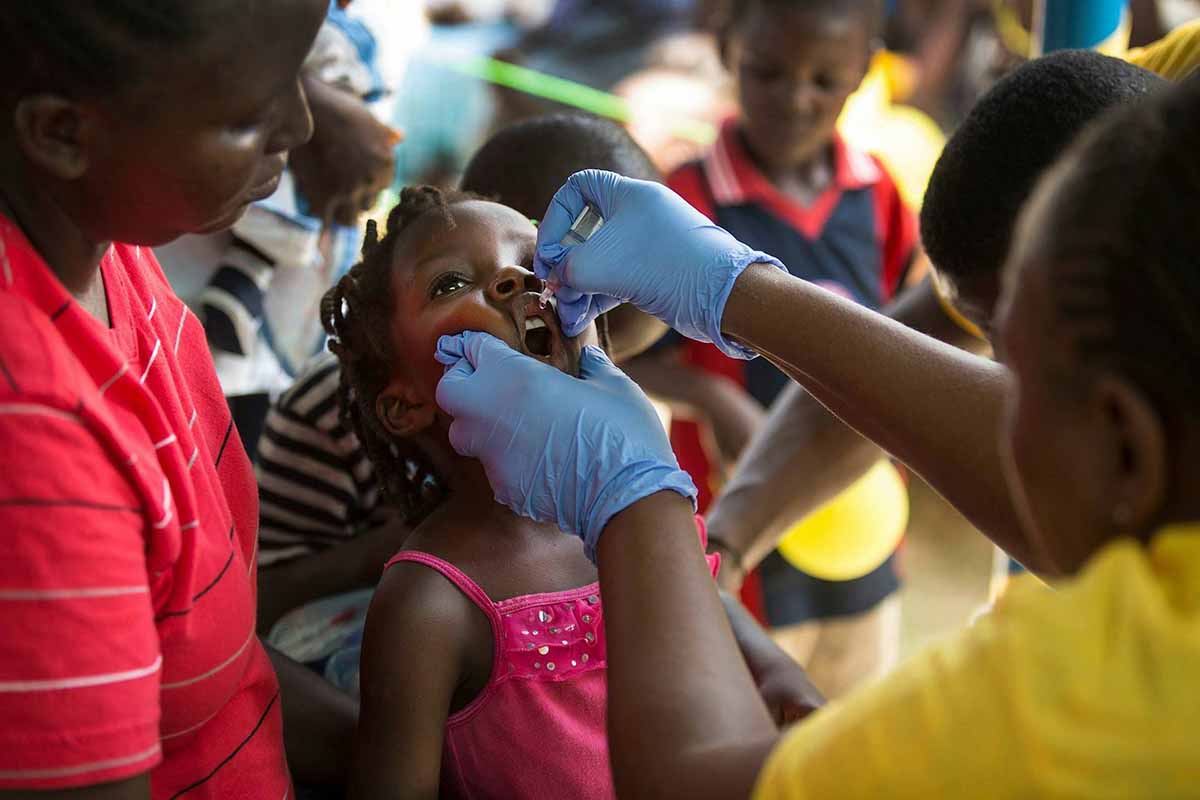
Evidence from the Community Health Impact Coalition (CHIC) shows that CHWs are well placed to meet community-specific needs related to immunisation, education, mobilisation and planning vaccine services. Their role in immunisation service delivery can be far-reaching, and they can be trained to safely administer vaccines[5], both oral and injectable.
But how can we practically increase CHWs role in immunisation service delivery? As implementers, Last Mile Health and VillageReach have been working directly with CHWs on immunisation service delivery, with the goal of increasing equitable access to health services. Below are four examples from our organisations that showcase how countries can and do use CHWs to improve vaccine service delivery in decisive ways.
Have you read?
CHWs in Action
Liberia and Sierra Leone
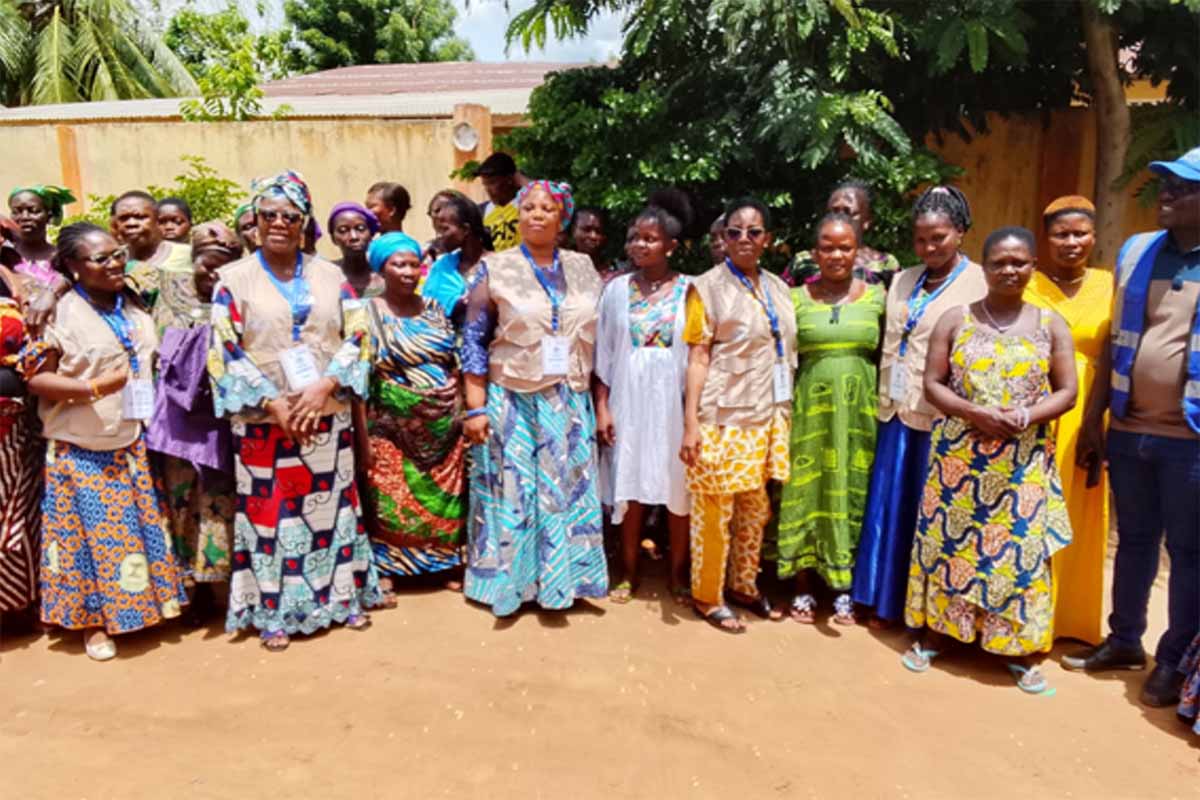
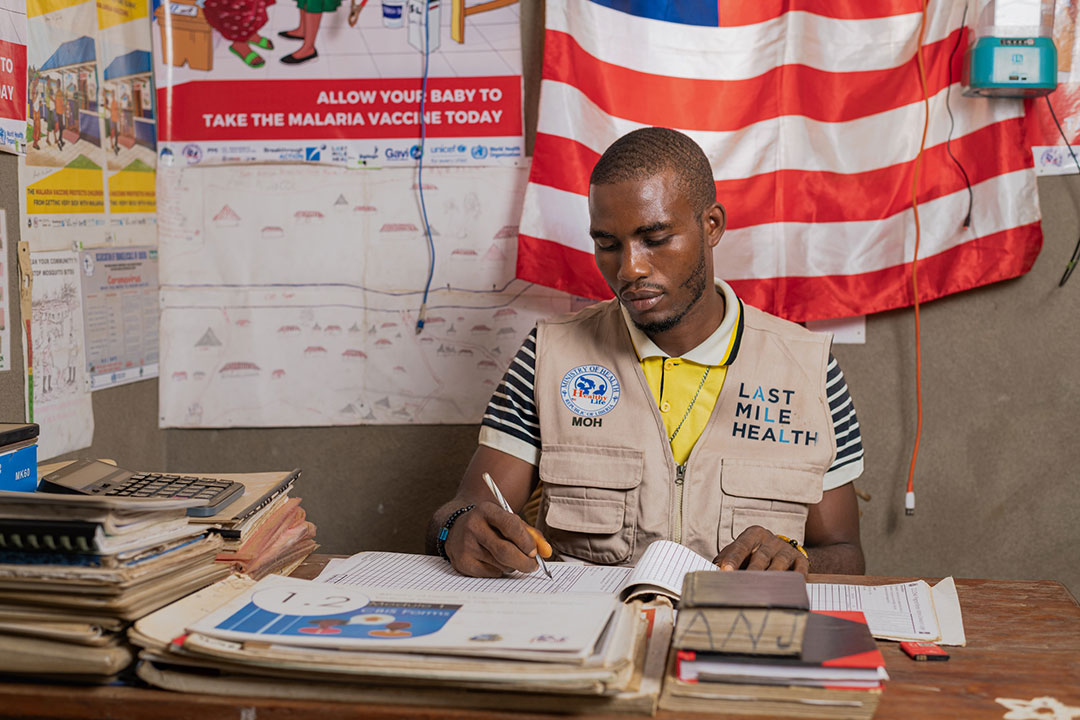
Last Mile Health has been working with the Liberia Ministry of Health (MoH) since 2012 to build an exemplary community health programme that now reaches every rural community in the country. As the government rolls out the history-making new malaria vaccine, CHWs are playing a vital role.
Liberian CHWs are trained on how the vaccines work, who should receive them and when, given the four-dose schedule. They teach their neighbours about the importance of the malaria vaccine, track eligible children and ensure parents know when vaccinators will be coming to their communities.
In communities where CHWs are providing malaria vaccine education, only 4% are reporting any vaccine refusals.
This work has now expanded to Sierra Leone, where Last Mile Health is partnering with the MoH to expand and improve the uptake of the malaria vaccine in remote and rural areas. The MoH has already aligned malaria vaccination with the routine immunisation schedule and CHWs will play a vital role in the coming months to expand access to the vaccine.
Ethiopia
Last Mile Health and the Ethiopia MoH partnered to develop new in-service blended training (paper and digital) on immunisation for CHWs. Following the training, CHWs conducted targeted follow-up to identify communities with high concentrations of zero-dose and underimmunised children. Vaccination rates in these communities increased dramatically after the screenings. Among the tracking cohort, the proportion of children who were zero-dose (that is, unimmunised) decreased from 59% to <1%, and the proportion who were under-immunised decreased from 41% to 23%.
Mozambique
VillageReach and the Mozambique MoH set out to discover why 20% of children start the vaccination schedule but do not complete it. We developed the Bate-Papo Vacina! (Let’s talk about vaccines!) programme to research why caregivers were not completing their child’s vaccination schedule and then develop implementation strategies to address caregiver and health worker challenges related to immunisation service delivery.
One solution developed from the research was to expand CHWs’ role in immunisation. The programme provided Mozambique CHWs with training, tools and support for demand generation and community-level immunization planning and outreach. With this training and support, Mozambique CHWs contributed to a 133% reduction in DPT vaccine drop-outs and a 47% increase in fully vaccinated children under two.
Democratic Republic of the Congo (DRC)
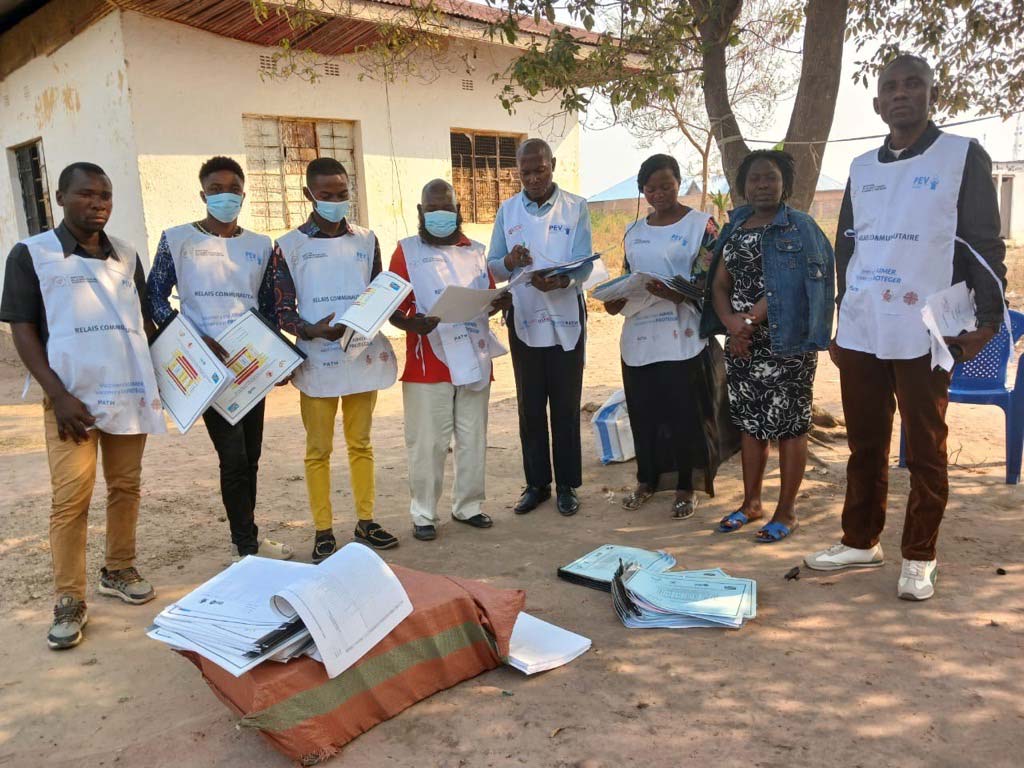
VillageReach and the DRC MoH engaged CHWs in responding to a polio outbreak in 2024. DRC CHWs received training and tools such as job aids that fit into a key chain with (1) key messages on vaccination, (2) a vaccination calendar and (3) information on how to identify polio cases.
Between March 2024 and May 2025, DRC CHWs contributed to a 30% increase in notification of new polio cases and a 30% increase in childhood polio vaccination. In one province, Haut Lomami, 89% of polio cases were identified by CHWs.
CHWs were also actively engaged in the response efforts for the most recent Ebola epidemic, leveraging their eyes and ears on the ground to support case identification and community surveillance.
Credit: Mwema Banza
CHWs meeting a growing demand
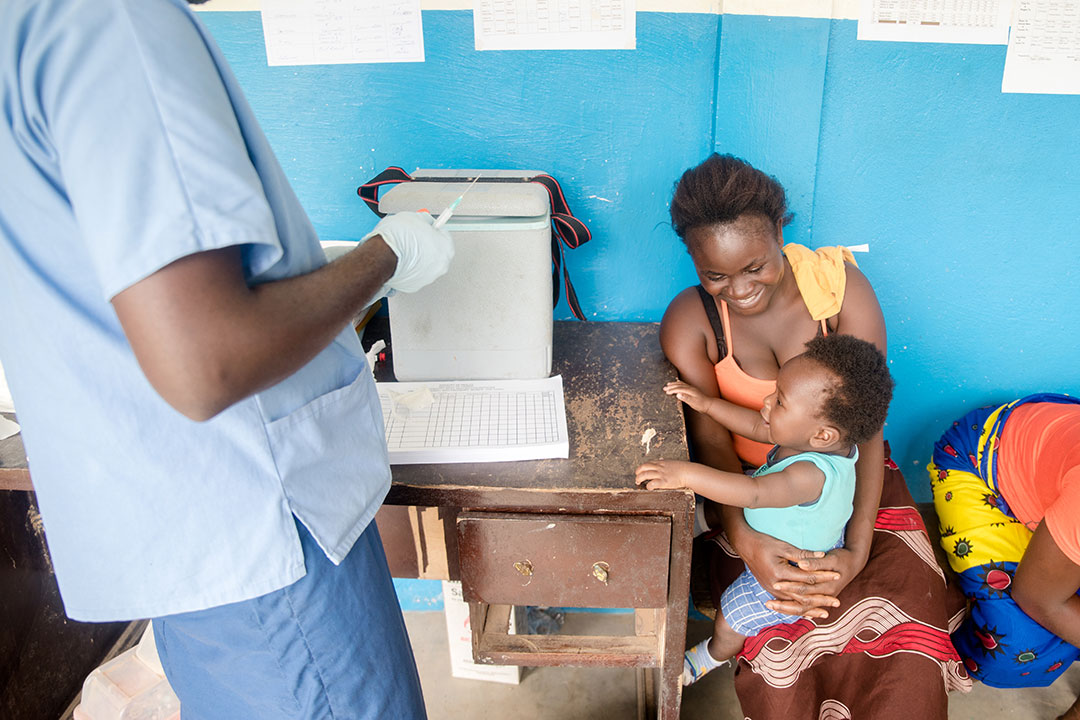
Africa’s health workforce shortage is projected to reach 6.1 million by 2030. At the same time, new vaccines, such as HPV and malaria, are leading to increased demand for immunisation service delivery that targets under-reached communities. The role of trust is especially critical when a vaccine is new, and community members seek to understand the risks and benefits. Leveraging CHWs is a cost-effective way to overcome health workforce shortages and improve vaccine planning, outreach and even vaccine administration.
Credit: Last Mile Health
Mobilising CHWs as trusted providers is critical for more than just routine vaccination and the introduction of new vaccines. It is also essential for global health security. Disease outbreaks like polio, cholera and Ebola continue to affect many African communities, and many global health experts believe the next pandemic is not a matter of if, but when. Outbreaks start and end at the community level, making CHWs crucial conduits of health information to communities during emergencies, as well as essential support for disease surveillance, reporting and infection prevention.
As we head into 2026, many African countries are facing reductions in foreign aid, and they need solutions that are effective and cost-efficient to deliver responsive health services. CHWs offer governments and their partners an impactful solution that can increase community access to immunisation services. Organisations like Last Mile Health and VillageReach, as well as other CHIC coalition partners, have experience working directly with government, CHWs and the communities they serve. We have seen first-hand the impact CHWs have in their communities, and now is the time to ensure CHWs are salaried, skilled, supervised and supplied to support them in health service delivery so that everyone, everywhere, has access to the healthcare needed to thrive.
More from Mallika Raghavan