
New TB vaccines are on the horizon. In Zambia, scientists are already figuring out how best to deploy it
As Zambia prepares to launch a new tuberculosis strategy, lessons from a patient support programme and a research project called INTRO TB VAX shine a light on a safer future.
- 9 June 2026
- 6 min read
- by Fiske Nyirongo
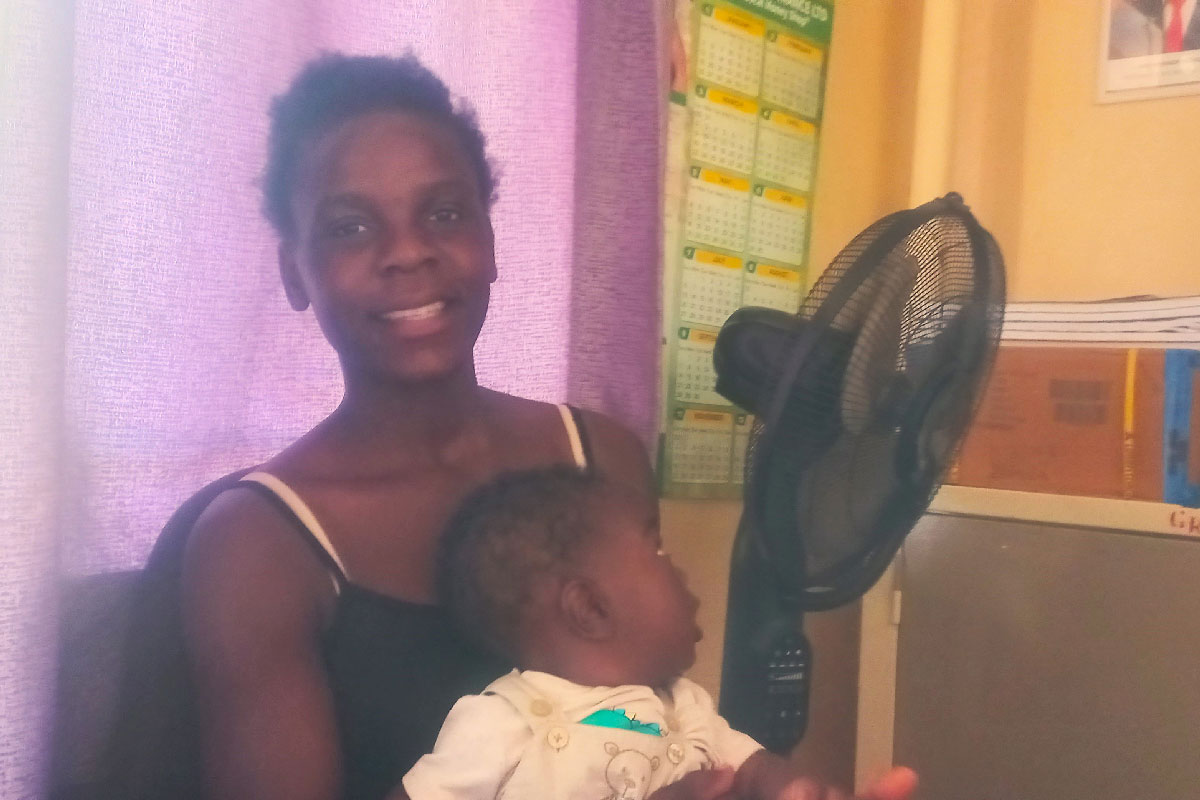
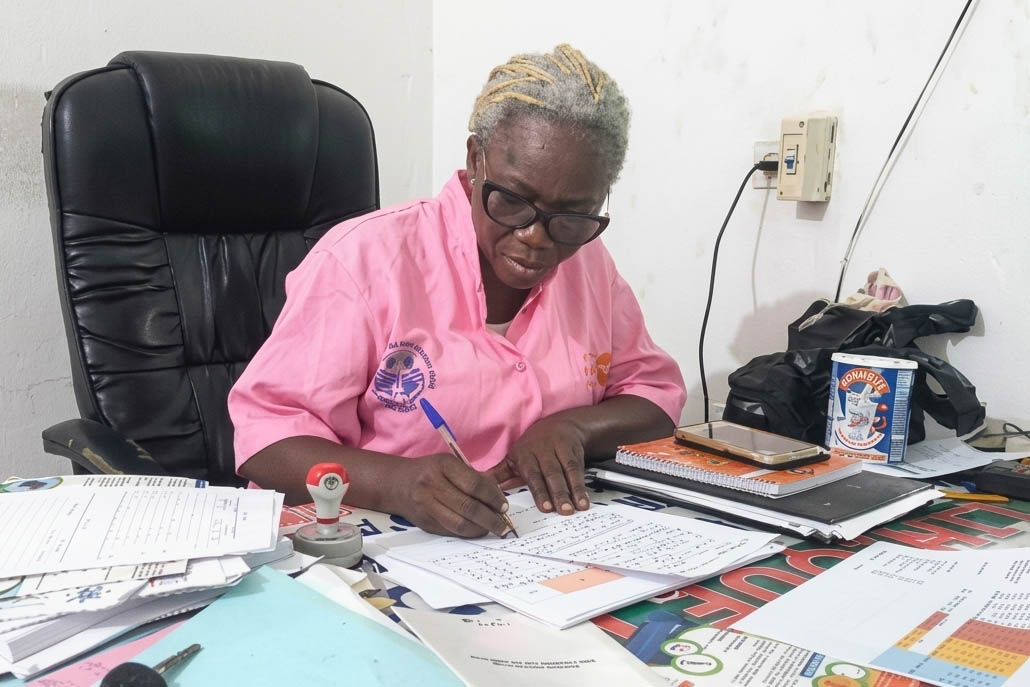
Blessings Nzima remembers the morning in 2020 when she could not even manage to get ready for school.
“I was in high school. I had been sick on and off, and this affected my studies. But it wasn’t until that morning that my family took it seriously, to get me to a hospital for tests,” she recalls.
A heavy burden
She wasn’t coughing, but she felt a heaviness in her chest that made it difficult to breathe or move normally. At age 19, she was diagnosed with tuberculosis (TB), and after initial treatments failed, she was placed on a multi-drug regimen to treat multi-drug resistant TB (MDR-TB).
“My biggest challenge was the nausea and vomiting I usually had when I took the drugs, so you would find that I would vomit the food I had eaten prior to taking the drugs, which was hard because there wasn’t enough food at home.”
Her turning point came when she was enrolled in the World Bank and Ministry of Health’s ongoing TB support programme, which she joined in 2021 in Chongwe District of Lusaka Province. The programme provided monthly food support and transport assistance for her frequent hospital visits.
“I had a nurse who visited me most days to help me adhere to the treatment and to also just speak with me, to counsel me. It helped me to know that my country cared about me; it gave me hope.”

Nzima eventually recovered, graduated from high school and is now working. She is planning to pursue higher education. Yet the stigma remains: “People look at you a certain way when you tell them you had or have TB. I used to feel bad at school, but even now I don’t say it out in public, or with people who are not my family.”
Andrew Sakala, also from Chongwe District, was diagnosed in 2017 and faced similar challenges.
“It was a lot of work to get treatment. I did not like the medication, it made me very dizzy and some nausea – but the dizziness is what led to me losing jobs.”
He lost his stability and even his housing before he found work as a church caretaker. He joined the same TB support programme in 2020, which sustained patients during the COVID-19 pandemic. Sakala has recovered, but he recalls the precariousness of life during illness.
Getting ready for the future to arrive
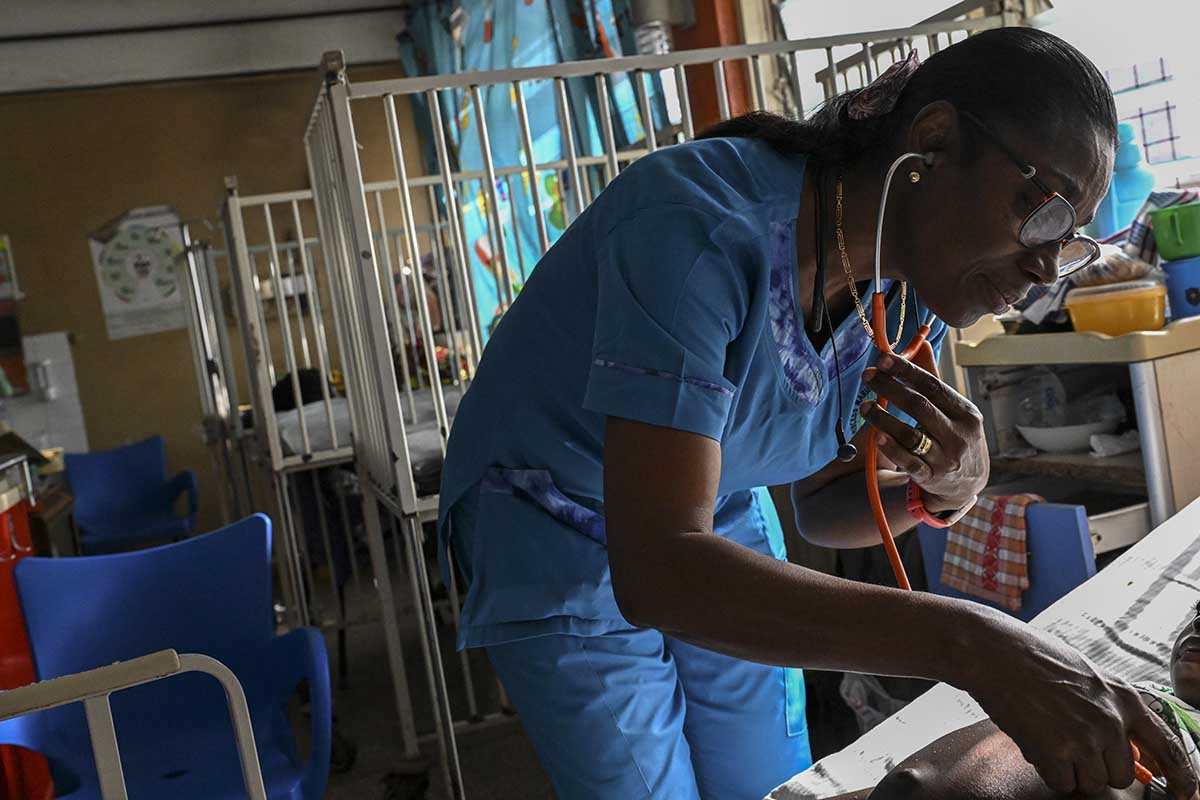
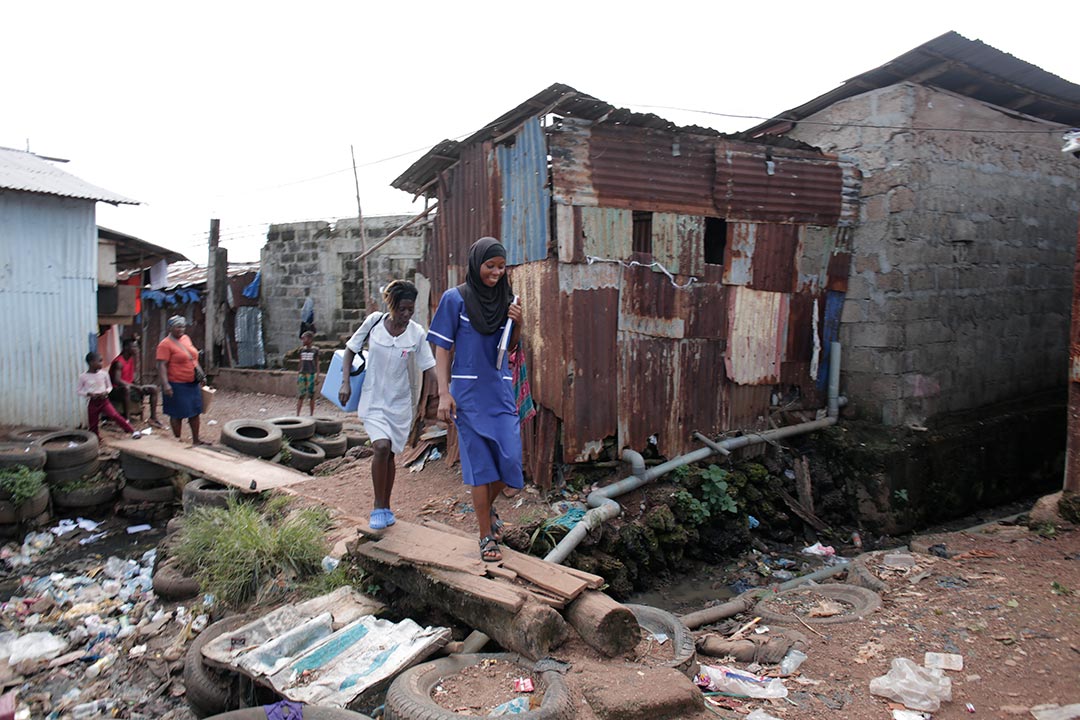
TB remains a major health burden in Zambia, though progress has been made. According to the World Health Organization, around 60,000 Zambians contract TB annually, with Lusaka and Copperbelt provinces accounting for the largest share. These provinces have the country’s largest populations and more high-density residential areas, which create conditions for faster transmission. Lusaka alone contributed 30–40% of new cases in 2015, but by 2025 that share had fallen to 20–25%. Zambia’s current National TB Strategic Plan (2022–2026) is nearing completion, with a new plan (2027–2031) under development.

Credit: Seke Muzazu
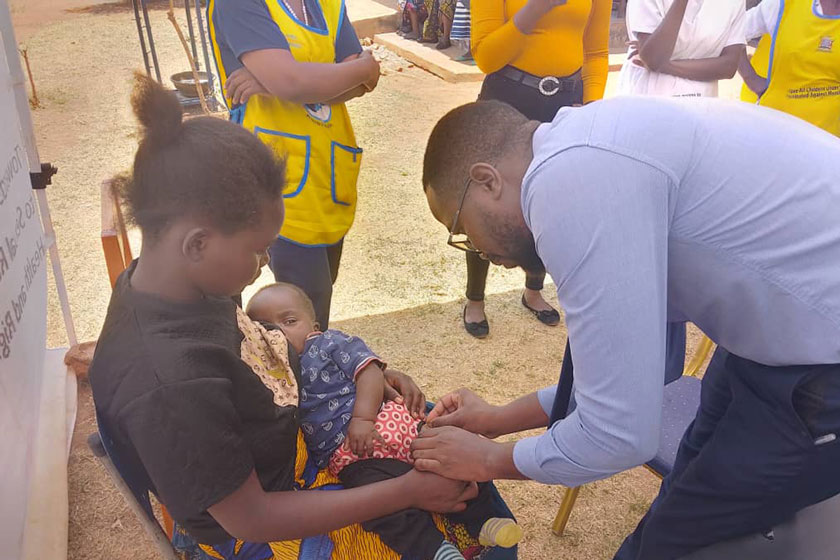
Immunisation is expected to play an expanded role in the next phase of TB control.
Vaccines have long been part of the battle against the bacterium that is still the world’s leading infectious killer, with the century-old Bacille Calmette–Guérin (BCG) vaccine still recommended in many countries, including Zambia, for infants. But the BCG vaccine has shortcomings. It doesn’t prevent transmission of pulmonary TB, and its protectiveness against other forms wanes in adolescents and adults. The hunt for a game-changing vaccine that will prove effective in older age groups is on.
Have you read?
“The [new] vaccine will be helpful as it will be a primary solution,” says Dr Angel Mubanga, Zambia’s National TB Coordinator. “Secondary solutions such as preventative treatment plans have worked, yes, but we do have instances where some patients are reluctant to take preventative medication because some believe that such medication is only for HIV-positive persons who have been diagnosed with TB, so we end up losing such patients or coming close to losing them.” Importantly, he notes that the most affected age group is between 25 and 45 years old, a prime productive group in terms of labour that helps to push Zambia forward.
The wait for the new vaccine study known as INTRO-TB-VAX is investigating how those prospective vaccines – once ready – might best roll out in Zambia and other partner countries.
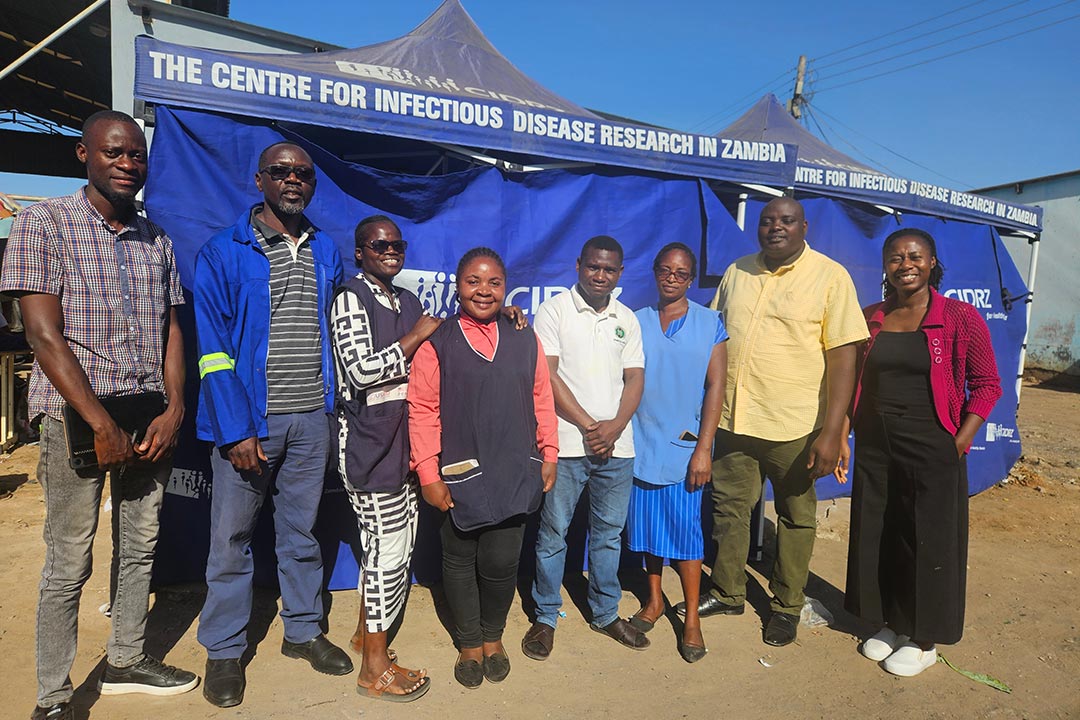
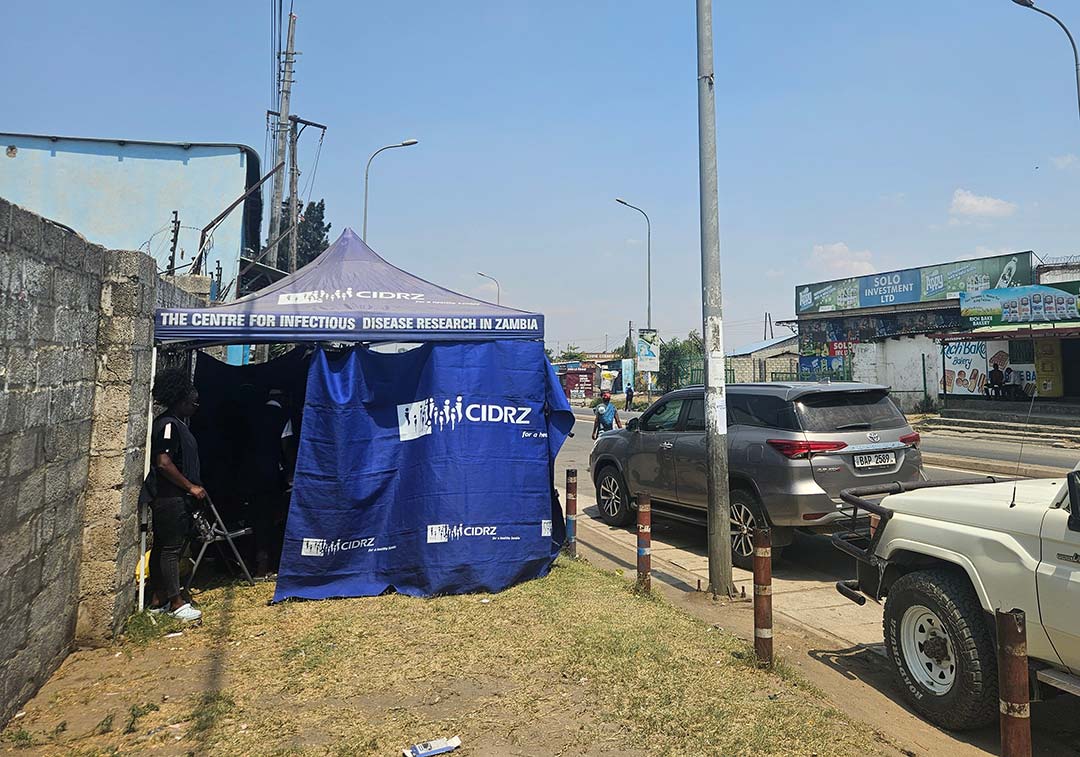
Lead researcher Dr Seke Muzazu explains: “The study is not a vaccine implementation at this point, but is a look ahead to when TB vaccines that are currently in the pipeline in various trials across the world are ready and being rolled out, preparing communities and various stakeholders to be able to roll out the vaccine.”
Credit: Seke Muzazu
Dr Muzazu explains that the aim of the cross-sectional study is to “understand the extent to which vaccines may be rolled out using the varied venue approach,” – recruiting participants across everyday community settings like schools, churches, markets, bars and bus stations – “but also gathering insights from community members and the potential for would-be vaccine recipients, [on] what attributes of vaccines are most important to them, including options of delivery methods.”
Generating the data that Zambia will need
Researchers engaged the National Tuberculosis and Leprosy Programme throughout the study, from protocol development and approvals to guiding community outreach in high‑burden provinces.
Dr Andrew Kerkhoff, one of the study’s principal investigators, provides a detailed overview.
“With several TB vaccine candidates currently in Phase III trials, including the highly promising M72 candidate, the global TB community is cautiously optimistic that a safe and effective vaccine for adults and adolescents could be available for introduction within the next five years. Importantly, M72 and some other leading candidates may work best in individuals with evidence of prior TB infection, and early supplies are likely to be limited.
“This creates a fundamental implementation challenge,” he says. “Targeted, evidence-based delivery strategies will be essential from day one to maximise impact, yet testing every individual prior to vaccination is almost certainly not feasible at scale in high-burden settings. An efficient and potentially impactful approach may be to target venues and populations where TB infection prevalence is already likely to be high, allowing for prioritised delivery without requiring individual-level pre-screening.”
INTRO-TB-VAX: vital stats
Who? 9,000 adults from three countries – Zambia, Nigeria and Indonesia – are enrolled in the study.
What? INTRO-TB-VAX isn’t a clinical trial of a vaccine candidate, but a piece of research designed to determine how best to disseminate a new TB vaccine, once one achieves approval.
Where? The study is taking place in Zambia, Nigeria and Indonesia, and is conducted by researchers from the University of California San Francisco, Johns Hopkins, George Mason, the Centre of Infectious Disease Research in Zambia, Zankli Research Centre in Nigeria, and the Indonesian Respiratory Programmatic Implementation and Research Institute. Funding comes from the Gates Foundation.
When? Enrolment began in July 2025. Data collection will continue to October 2026, and results are expected out by end 2027.
Kerkhoff outlines the study’s purpose: “INTRO-TB-VAX is designed precisely to generate the data needed to make those decisions: where can we find adults and adolescents with high TB infection prevalence, how acceptable and feasible is vaccine delivery at those venues, and how do different delivery strategies, including facility- and school-based approaches, compare on projected impact and cost-effectiveness?”
He adds a cautionary note. “But as the COVID-19 pandemic made painfully clear, having an effective vaccine is not enough. Roll-out can be severely undermined by lack of perceived risk, mis- and disinformation, and the absence of accessible and acceptable delivery strategies among many other factors. The INTRO-TB-VAX study was designed specifically to provide country-specific data to guide those implementation decisions before a new TB vaccine arrives.”
More from Fiske Nyirongo