
Could COVID-19 reawaken viruses hidden in the body?
A large study has linked the reactivation of common viruses to worse COVID-19 outcomes and may offer new clues to long COVID.
- 14 August 2026
- 4 min read
- by Linda Geddes

At a glance
- Researchers screened blood samples and nasal swabs from 1,154 individuals hospitalised with COVID-19, as well as lung secretions from a subset of mechanically ventilated patients, looking for evidence that viruses other than SARS-CoV-2 were replicating.
- Nearly half showed evidence of reactivation of at least one chronic virus, with different viruses appearing to reawaken at different stages of COVID-19.
- Detection of these viruses was associated with more severe COVID-19, although the study couldn’t establish whether viral reactivation contributed to disease severity or was a consequence of it. Persistent activity of one family of viruses was also associated with ongoing fatigue and physical impairment, potentially offering clues about ong COVID.
New research suggests that viruses that lie dormant in our bodies for many years could reawaken during severe COVID-19.
This reactivation appears to be associated with more severe disease and an increased risk of death, while persistent activation of some viruses may also be linked to symptoms of Long COVID.
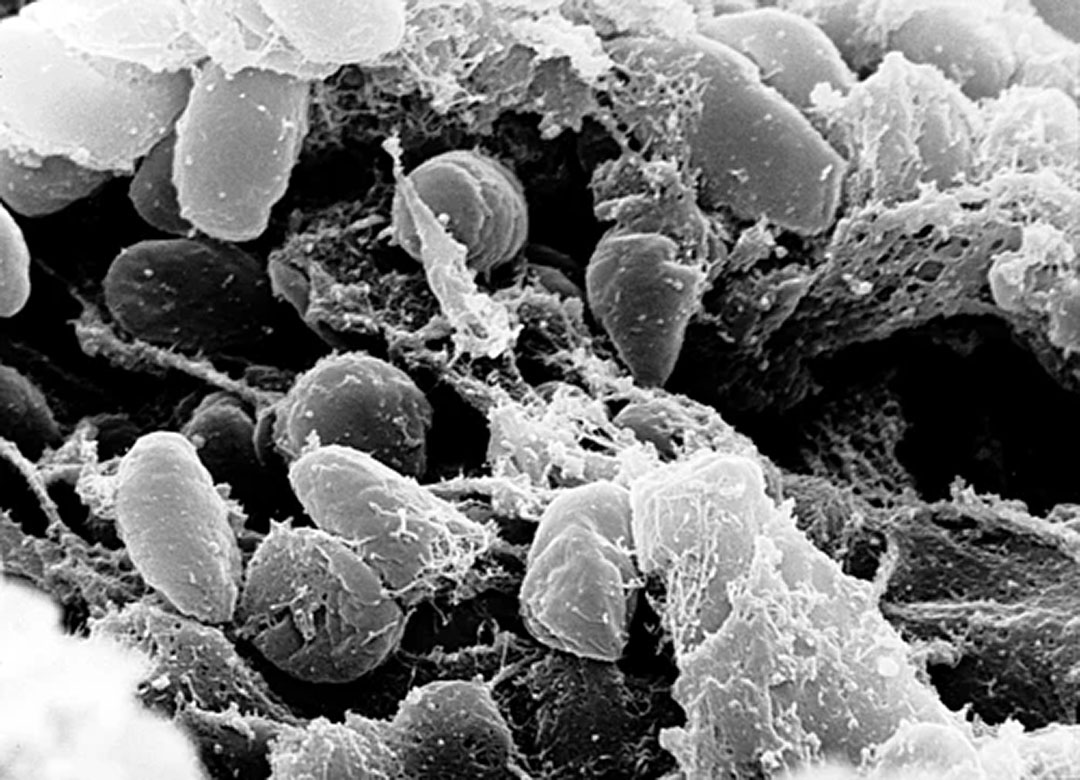
Viruses such as cytomegalovirus, Epstein-Barr virus and anelloviruses are extremely common, with most people infected with one or more of them at some point in their lives, often without any symptoms.
Once acquired, these viruses can persist in the body for many years, usually kept in check by the immune system.
However, some can reactivate and start replicating again during periods of stress or illness, or when our immune defences are weakened.
... nearly half of hospitalised COVID-19 participants experienced a reactivation of at least one chronic virus, including cytomegalovirus, Epstein-Barr virus and several anelloviruses.
In some cases, this reactivation can lead to symptoms such as fever and fatigue.
Previous studies have suggested that COVID-19 could be another such trigger, and that viral reactivation may be associated with more severe illness.
Other research has identified elevated levels of antibodies against Epstein-Barr virus in patients with Long COVID.
However, most of these studies have been small, making it difficult to draw firm conclusions.
Can severe COVID-19 reawaken dormant viruses?
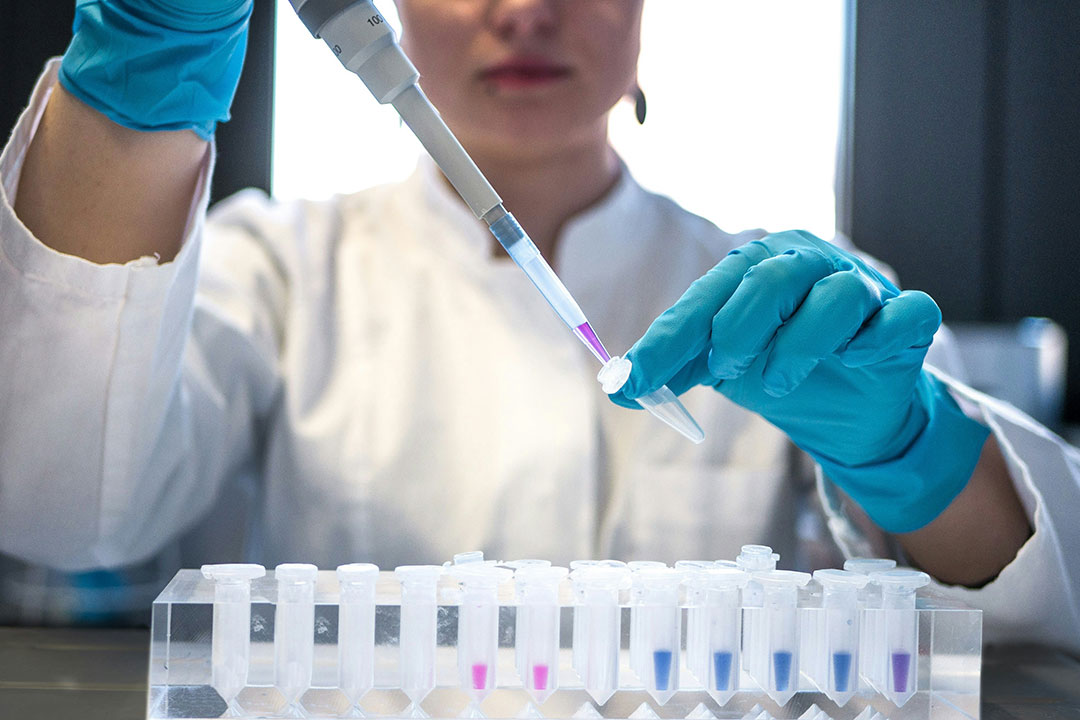
To test this, Cole Maguire at the University of Texas at Austin, US, and colleagues collected blood samples and nasal swabs from 1,154 individuals hospitalised with COVID-19 in 2020 and early 2021, as well as lung secretions from a subset of mechanically ventilated patients.
These samples were screened for a diverse range of viruses beyond SARS-CoV-2, looking for genetic material associated with active viral replication.
The research, published in Nature, found evidence that nearly half of hospitalised COVID-19 participants experienced a reactivation of at least one chronic virus, including cytomegalovirus, Epstein-Barr virus and several anelloviruses – a large family of common viruses that can persist in the body for years.
Importantly, this reactivation was not restricted to people who were immunocompromised, “suggesting that viral reactivation may have a larger role in COVID-19, even in immunocompetent individuals”, the researchers wrote.
Different viruses appeared to reawaken at different stages of COVID-19. Epstein-Barr virus and anelloviruses were most commonly detected early on, while cytomegalovirus and herpes simplex virus 1 – which can cause cold sores – tended to be detected later, peaking roughly three weeks after hospital admission.
The researchers also found that people in whom these viruses were detected tended to have more severe COVID-19.
Among those who were critically ill, detection of CMV, EBV or HSV-1 in the respiratory tract was also associated with a greater likelihood of dying within the first year after hospital admission.
However, they cautioned that their data could not prove that viral reactivation caused more severe disease.
Have you read?
What about Long COVID?
The researchers also followed participants for up to a year to investigate whether viral reactivation was linked to Long COVID.
Although they found no convincing evidence that reactivation of these viruses during the acute phase of the disease was associated with subsequently developing Long COVID, people experiencing persistent fatigue and physical impairment months later were more likely to show evidence of anellovirus activity at least three months after hospitalisation.
“[Anelloviruses] have been previously linked with chronic conditions, such as chronic fatigue syndrome and multiple sclerosis.
“These conditions often present with physical symptoms similar to those reported by patients with Long COVID, including fatigue, cognitive dysfunction and post-exertional malaise,” the researchers wrote.
More broadly, they have also been associated with an age-related decline in immune function known as immunosenescence.
This raises the possibility that their increased activity in people with Long COVID could be a sign of underlying immune dysfunction, rather than necessarily being a cause of their symptoms, they added.
Could viral reactivation be treated?
The researchers said their findings raise the possibility that monitoring people with severe illnesses such as COVID-19 for viral reactivation could eventually help to guide their care.
Tests are already available to measure levels of herpesviruses and anelloviruses in the body, while increasingly affordable genetic sequencing technologies could enable doctors to screen for a broader range of viruses.
There are also existing antiviral drugs that target some herpes viruses, with others in clinical trials. In the future, this could potentially enable doctors to identify patients experiencing viral reactivation and treat them, the researchers said, although further research would be needed to establish whether doing so is actually helpful.
More from Linda Geddes