
The impact of extreme heat on Bangladesh’s informal workers
Nearly 75% of migrants in Dhaka, the capital of Bangladesh, reported being negatively affected by rising temperatures, while 100% reported being affected by extreme weather events.
- 22 July 2026
- 6 min read
- by Mongabay
At a glance
- Nearly 75% of migrants in Dhaka, the capital of Bangladesh, reported being negatively affected by rising temperatures, while 100% reported being affected by extreme weather events.
- Bangladesh’s maximum temperature has increased by 1.1°C since 1980, while the country’s “feels-like” temperature has risen by 4.5°C.
- In 2024 alone, heat-related illnesses and productivity losses contributed to the loss of 250 million workdays, costing Bangladesh an estimated $1.78 billion, equivalent to 0.4% of GDP.
- Bangladesh’s informal economy employs approximately 85% of the national workforce, nearly 60 million people making heat stress not only a public health issue but also a major economic concern.
On June 28, as the afternoon sun beat down on Bangladesh capital Dhaka’s sprawling Tejgaon neighborhood, Samiha Begum gathered her two school-aged children and headed for the shade of Hatirjheel Lake. Their narrow one-room home in a nearby slum had become unbearable.
She said, “The room starts heating up as soon as the sun rises. Even if it rains in the morning, the heat becomes like a boiler once the sun comes out. My children cannot stay inside after returning from school. Thus, I come to the lakeside and take the trees’ shade. Here, the air is cooler than in my house.”
Like Samiha Begum, for millions of informal workers across Bangladesh’s capital, extreme heat is no longer merely a seasonal discomfort. It is becoming a growing threat to health, livelihoods and survival. Samiha Begum works as a cook in a family home near her slum.
A new study by People’s Courage International (PCI) on informal workers in South and Southeast Asia found that 74% of surveyed migrants in Dhaka reported being negatively affected by increasing temperatures, making heat one of the city’s most significant climate threats. The study also found that 100% of surveyed migrants in Dhaka reported being affected by extreme weather events, highlighting the growing vulnerability of low-income urban residents.
Researchers analyzed the reality of informal workers in five cities: Dhaka, Delhi, Jakarta, Kathmandu and Quezon City and “how the precarity of their lives and livelihoods is being dangerously intensified due to heat.” Dhaka recorded the largest productivity losses, reflecting its labor intensive economy, high levels of outdoor and factory work, and limited access to cooling.
The researchers said rising temperatures, increasingly warm nights, overcrowded housing, and unsafe workplaces are trapping workers in a cycle of declining productivity, worsening health and growing financial stress.
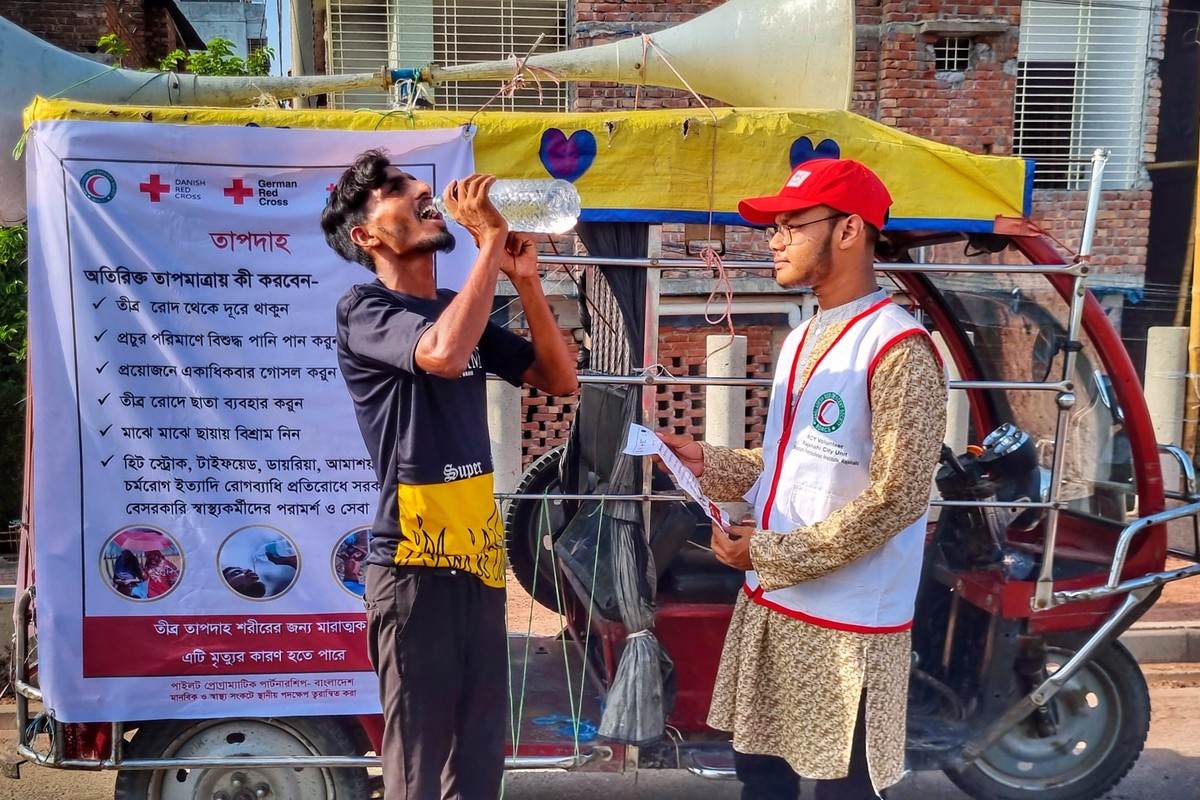
According to the United Nations World Urbanization Prospects 2025 report, Dhaka has become the world’s second largest city with 37 million people, while Indonesia’s capital Jakarta ranks top with a population of 41.9 million.
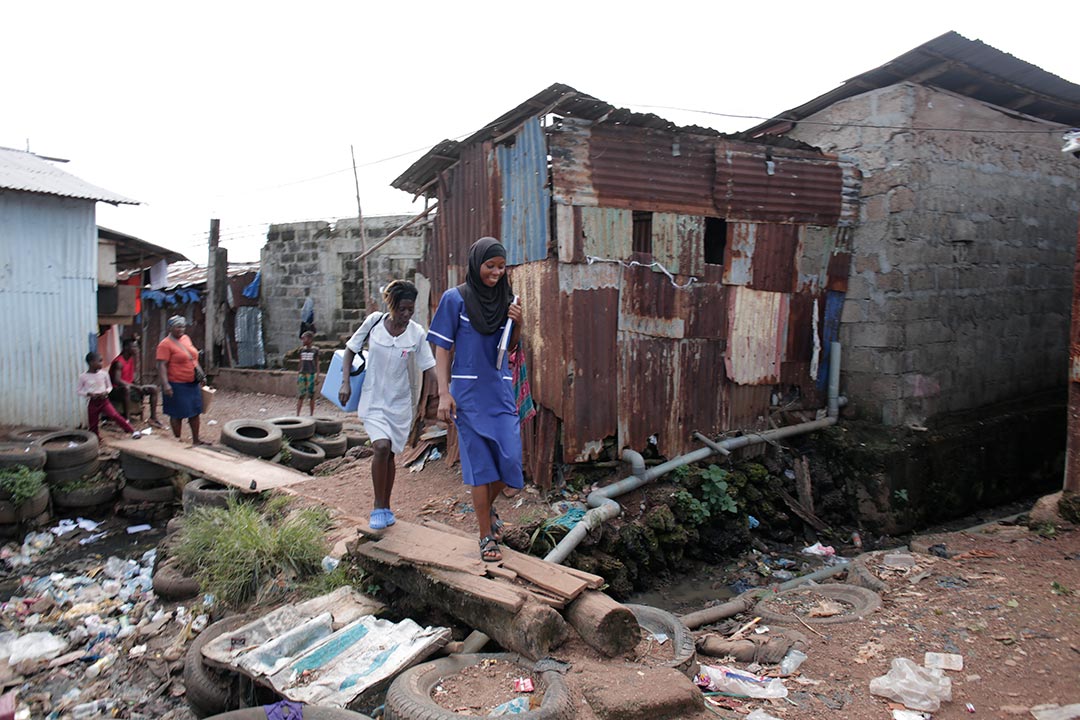
The showed that Dhaka’s heat crisis is particularly acute in the city’s sprawling informal settlements, home to an estimated 4 to 5 million people. Many residents live in cramped, tin-roofed rooms with poor ventilation, limited access to water and sanitation. As temperatures rise, these settlements act like heat traps, leaving informal workers exposed to extreme heat both at work and at home.
Have you read?
A city growing hotter
Bangladesh is among the countries most exposed to rising temperatures. According to a 2025 World Bank report, Bangladesh’s maximum temperature has increased by about 1.1° Celsius (1.9° Fahrenheit) since 1980, while the country’s “feels-like” temperature has risen by 4.5° C (8.1° F), significantly increasing heat stress on people and communities.
The report found that Bangladesh ranks among the world’s most heat-exposed countries, while Dhaka’s heat index has increased approximately 65% higher than the national average. In 2024 alone, heat-related physical and mental health impacts contributed to the loss of an estimated 250 million workdays, costing the economy as much as $1.78 billion, equivalent to about 0.4% of gross domestic product.
Bangladesh Meteorological Department’s Meteorologist S.M. Quamrul Hassan told Mongabay that Bangladesh’s average temperatures have increased noticeably over the past decade.
“In the past, severe heat was mainly a summer phenomenon. Now, we are experiencing extreme heat even during the monsoon season. The rainfall patterns are changing. Although total rainfall has not declined significantly, rain is increasingly falling over shorter periods,” he said.
“Earlier, rainfall could continue for six to 12 hours or even throughout the day. Now, intense rainfall often ends within two or three hours. After that, strong sunshine quickly drives temperatures upward.”
Heat and lost livelihoods
The consequences are both economic and physical. The PCI study found that among surveyed migrants in Dhaka, major work-related impacts included wage cuts, wage losses, and loss of employment-related assets. Workers reported that heat reduces their ability to sustain long hours of physical labor, directly affecting earnings.
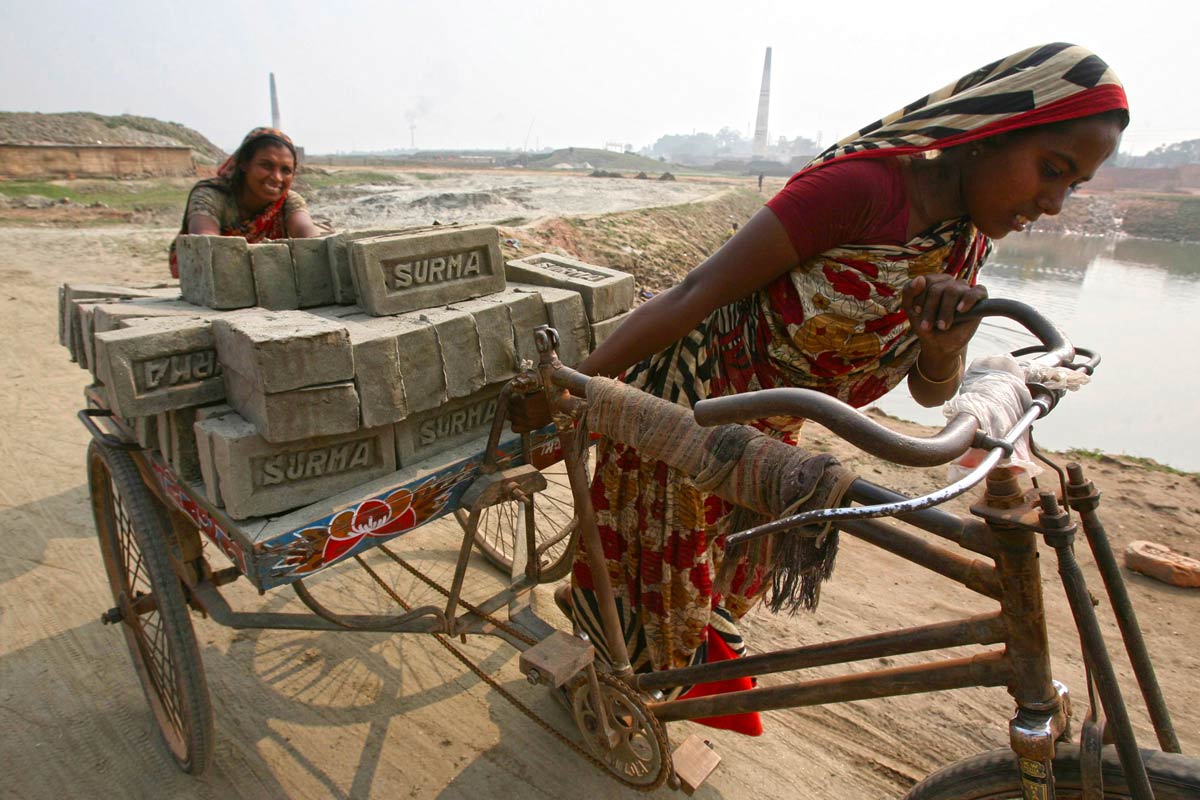
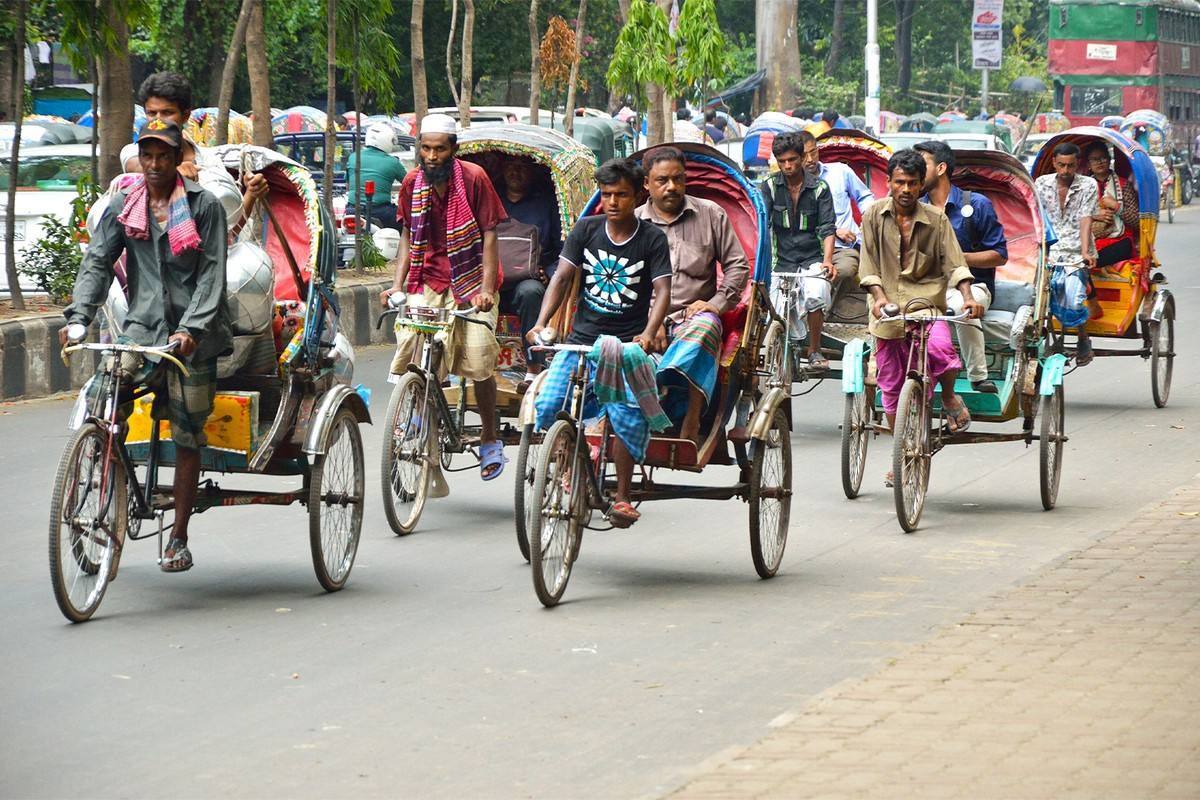
Tayeb Ali, a rickshaw puller living in Rayerbazar slum in Dhaka, said he now needs frequent breaks. “Ten minutes of running rickshaw means twenty minutes of rest. I get exhausted quickly,” he said, of manually operating the passenger transport cart.
His family of four shares a cramped room where several electric fans run continuously.
“Even with extra fans, we cannot escape the heat,” Tayeb Ali said. “At night, I cannot sleep properly. In the morning, I wake up late, which means fewer working hours and less income.”
Researchers describe this phenomenon as a “recovery deficit.” Workers spend long hours exposed to heat during the day but are unable to recover at night, because their homes remain dangerously hot. Rising nighttime temperatures are increasingly depriving vulnerable workers of essential rest and recovery.
The health toll of invisible heat
The impacts extend far beyond lost wages. The migrant survey found that among Dhaka respondents, 71% reported health problems linked to extreme weather, while 69% reported food insecurity and 66% reported difficulties accessing water and sanitation services.
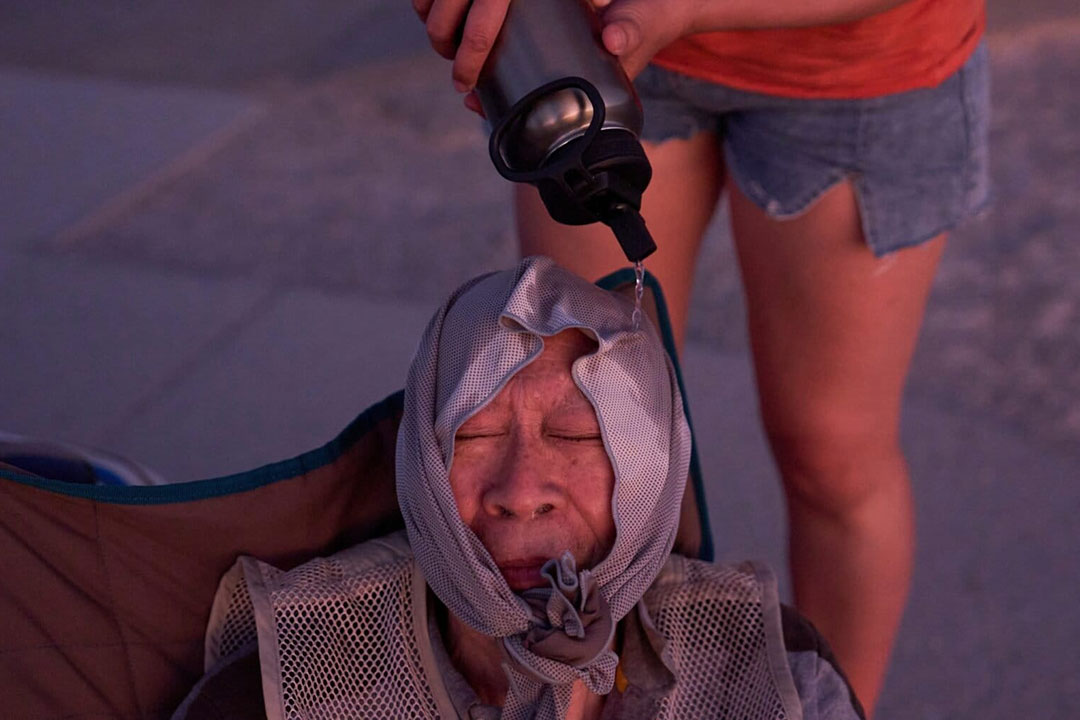
Global health research shows that prolonged exposure to heat can lead to dehydration, exhaustion, heat stroke, cardiovascular stress, respiratory illness and kidney disease. Informal workers are particularly vulnerable, because many work outdoors or in poorly ventilated environments.
Different workers who live in Dhaka’s informal settlements said that they face headaches, dizziness, fatigue, fainting and worsening respiratory conditions during periods of extreme heat. Many continue working despite symptoms because missing work means losing income.
Mirpur area resident Hamida Begum says her children now fall sick more frequently during hot periods. “They sweat all day and become ill more often than before,” she said.
A recent study documented 35 heat-wave events in Dhaka between 2001 and 2022, with an increasing trend in both frequency and duration. The study also highlighted growing urban heat island hotspots across the city.
Bangladesh Bureau of Statistics (BBS) data show that Bangladesh’s informal economy employs approximately 85% of the national workforce, representing nearly 60 million workers.
The World Bank study recommended stronger heat preparedness measures, including improved health services, urban greening, better weather and health data systems, and investments in heat adaptation for economic stability and public health.