
In Zambia, a new cadre of solar technicians keep rural vaccine fridges running
More than 120 new technicians have already been trained up as part of a plan to equip remote clinics with a local expert to call when the vaccine fridge goes dark.
- 2 July 2026
- 6 min read
- by Ray Mwareya
At a glance
- Zambia is training up a decentralised network of technicians to maintain and repair solar-powered fridges, so that health centres have someone local to call when the all-important vaccine fridge goes on the blink.
- Health workers and parents alike describe the new initiative as a relief. In the past, remote health centres could wait weeks or months for an expert to be dispatched from the capital – a wait that could cost local children vital protection.
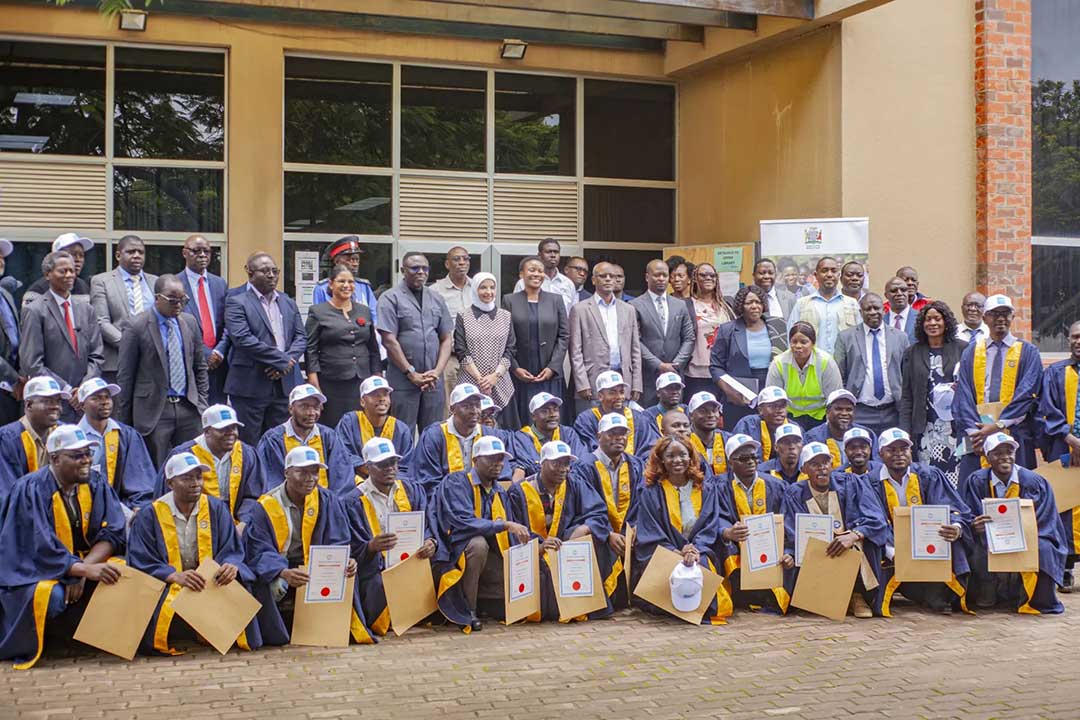
- So far, 126 new technicians have graduated from training programmes, many of them in the country’s north, where the need is most acute. Their aim? Keep the fridges “humming” both more consistently and for longer, ducking the expense of importing new machines to replace repairable units.
In the village health centres of Zambia’s North-Western Province, a broken-down solar refrigerator quickly becomes a threat to children’s health.
“For years, in our rural clinics, we couldn't store vaccines that require chill temperatures. The normal hydro-electricity grid is sparse. Then solar-powered refrigerators that keep vaccines fresh and usable were gradually introduced. Then the solar cold units would break down. That’s trouble again,” says Wulayi Sakama, a nurse-aide who partakes in immunisations at Munyambala Rural Health Centre in Mufumbwe District, one of the poorest districts in the province.
Most routine childhood vaccines require constant storage at between 2–8°C, meaning they need to be kept at refrigerator temperatures all the way from the production line in the country where they are manufactured, to the point at which they are administered to a child. A broken unit right at the end of that long chain of fridges and coolers could mean the journey was all for nothing: if the vaccine loses protective potency, it can’t be deployed.
Meantime, immunisation services have to pause – and that’s a health risk.Sakama recalls past episodes when the clinic would wait weeks upon weeks for technicians to travel from the capital Lusaka, 900 km away, and recalibrate thermostats for solar fridges, fix faulty charge controllers, or redo undersized wires on compressors. “Or even the task of decommissioning them,” he says.
“I would clap my head seeing some very poor kids miss immunisation routines, knowing that the meds are there but faulty fridges made them worthless,” he says. Poor rural parents would burn their meagre savings for transport, or walk to electrified urban clinics to get their babies caught up on crucial vaccines.
Prevention first healthcare – but for fridges
Those down-periods are set to shrink. UNICEF Zambia is partnering with Zambia's Ministry of Health to train local solar technicians who can be on site quickly to resolve infrastructure failures, even in remote districts.
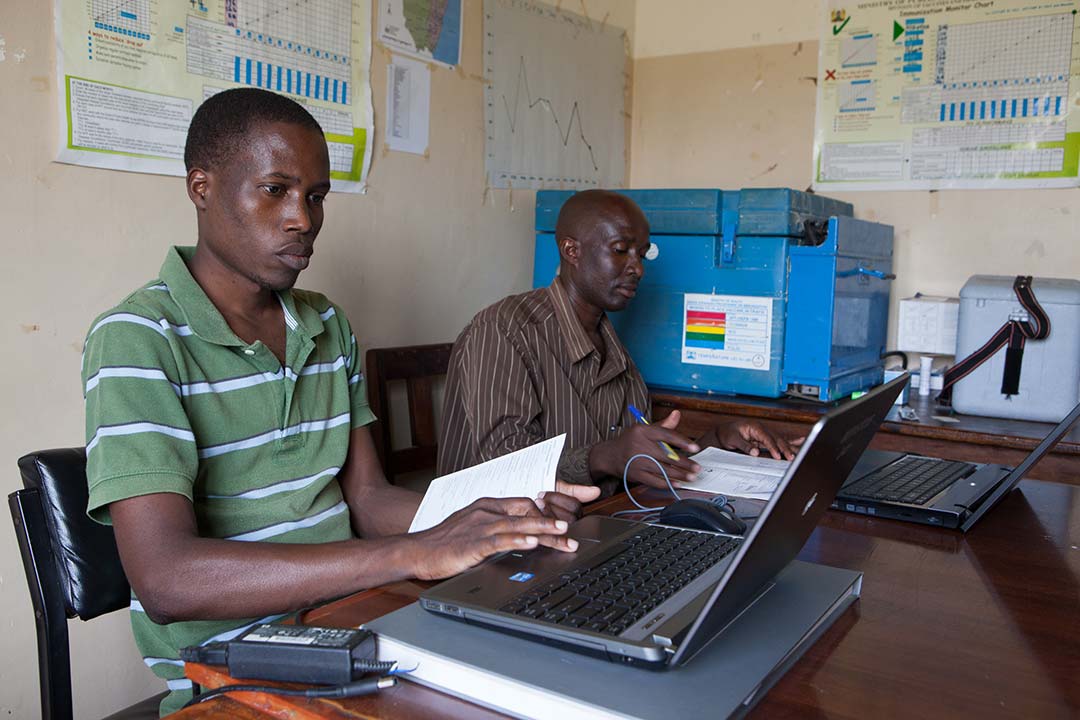
And 126 newly certified solar fridge maintenance technicians are already working across Zambia, Dr Ghanashyam Sethy, UNICEF Regional Immunisation Manager for Eastern and Southern Africa Regional Office, told VaccinesWork.
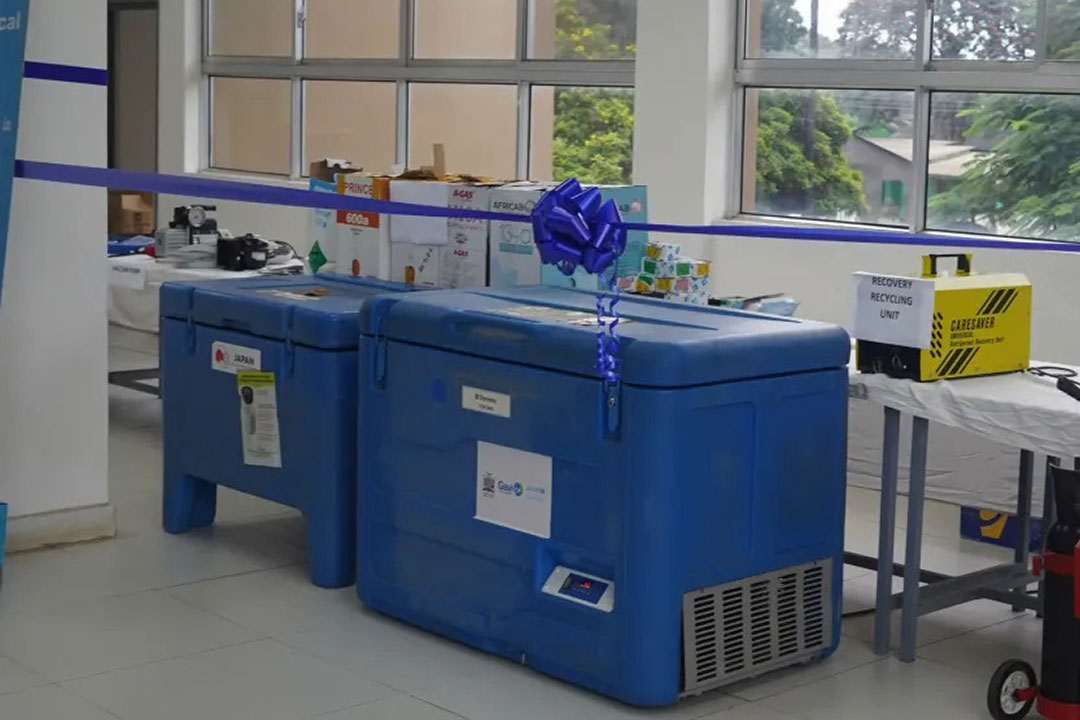
Credit: UNICEF Zambia
With technicians now positioned closer to the facilities they serve, service outages can be reduced from weeks to days or even hours in cases of cold chain breakdown. The goal, meantime, is to shift protocol from reactive to preventive maintenance – that is, routine servicing that helps detect issues early, extends equipment lifespan and improves temperature stability.
Currently, across the country, more than 800 cold chain units are slated for maintenance and 400 obsolete units are set to be decommissioned, Dr Sethy said.
Training triage
Provinces in the western and northwestern parts of Zambia, which face disproportionate access challenges, are prioritised, Dr Sethy explained.
The Northern Technical College in Ndola, the biggest city in northern Zambia and the country’s second largest overall, is epicentre of the drive to localise technical expertise.
Have you read?
“The training is holistic,” says Ephraim Bwala, a carpenter who has been trained to do advanced fridge calibration and photovoltaic solar maintenance. Bwala is now on call for fridge repairs, maintenance and safe decommissioning in ten rural clinics in Mufumbwe District. The training took about three months, says Bwala, and was notably hands-on, with trainees able to directly practise skills such as diagnosing electrical current tripping, compressor corrosion, calibration of sensitive electrical thermostats, and routine care of advanced photovoltaic solar panels maintenance.
“We were told during the training that it is expensive for Zambia’s Treasury to keep importing new solar fridges, mainly from China, rather than keeping the available vaccine refrigerators humming for longer. We understood the mission,” he says proudly.
“Now we don’t worry”
Sakama, the nurse, has seen the clinical upside of the new drive. When an “error” code used to flash up on a solar vaccine refrigeration unit, nurses and clinic managers would not know what to do, apart from braving bureaucratic delays until technicians arrived from Lusaka. Sometimes, instead, instructions were received to bin still-salvageable refrigerators, or “wait months until new ones were imported by the Ministry of Health”.
And that means that fewer children are missing opportunities to get protected. Maureen Thobeka, 36, a mum of one in Mufumbwe District, says that her sister’s baby got sick because the available measles vaccines were binned after refrigerators went for four weeks unrepaired. Like many other childhood vacines, the measles vaccine loses potency at temperatures over 8°C.
“[Now] the solar refrigeration technicians are always on hand. Life-saving meds for babies are always fresh. We now don’t worry about floods or faults cutting our kids off from life-saving vaccines or traveling to cities when our appointments are due but the fridges have broken down,” Thobeka said.
Future-ready
Dr Sethy notes that it’s not only about reducing response times for repairs, but about readying health systems for the future. “UNICEF recognises that climate resilience is no longer optional, it is essential to safeguarding immunisation systems and ensuring that every child receives potent, life-saving vaccines, regardless of where they live,” he said.
The broader strategic vision for Zambia is to support a gradual but deliberate transition toward a climate-resilient, low-carbon cold chain system, with solar-powered refrigeration as a central pillar, says George Sinyangwe, the Permanent Secretary of the Zambian health ministry. This aligns with both Zambia’s national health priorities and global efforts to strengthen sustainable health systems.
“Prioritising off-grid, rural districts makes sense. Those districts face two barriers – some have never been connected to the traditional hydro-electricity grid.” Those that are on grid, and those that have already transitioned to solar power risk outages amid what Sinyangwe refers to as “climate storms” – weather events propelled by the wider climate crisis.
“Thus solar refrigeration becomes a life-saver, reducing the risk of temperature excursions that compromise vaccine potency,” Sinyangwe says. A 100 kW solar system has already been installed at the Zambian national vaccine store in Lusaka, with support from UNICEF.
Meantime, UNICEF and other international partners, including Gavi, are supporting vital tools like remote temperature monitoring devices and energy performance tracking. These allow for real-time oversight and rapid response to potential risks, even in remote settings.
While it is still early to quantify precise national-level results, global and country experience consistently shows that investing in preventive maintenance and local technical capacity can reduce cold chain downtime by up to 30–50% and significantly lower vaccine spoilage rates, Sethy explained.
“UNICEF expects a substantial reduction in both equipment downtime and vaccine losses, particularly in high-risk and remote areas where service delays have historically been longest,” he concludes.